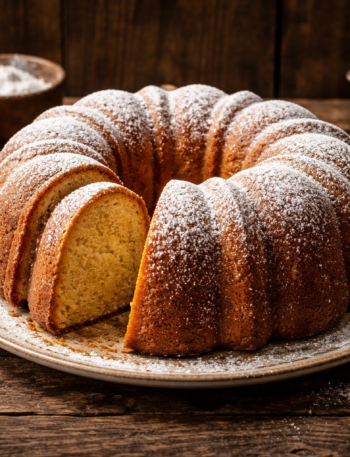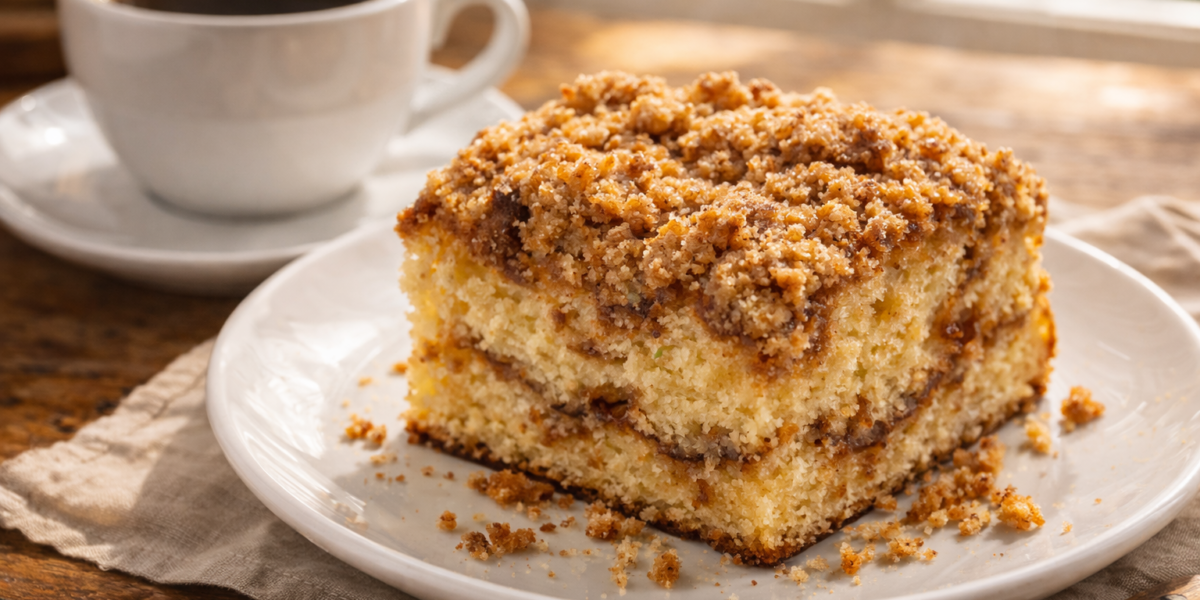
The term “coffee cake” is often a source of mild linguistic confusion for the uninitiated. To be clear, a classic Cinnamon Coffee Cake recipe rarely contains actual coffee. Instead, it is a confection designed with a singular, functional purpose: to serve as the ideal structural and flavor companion to a bitter, hot cup of caffeine. It is a cake of intentional contrasts—a soft, buttery crumb that must be sturdy enough to be held in the hand, topped with a tectonic layer of spiced streusel that shatters upon the first bite.
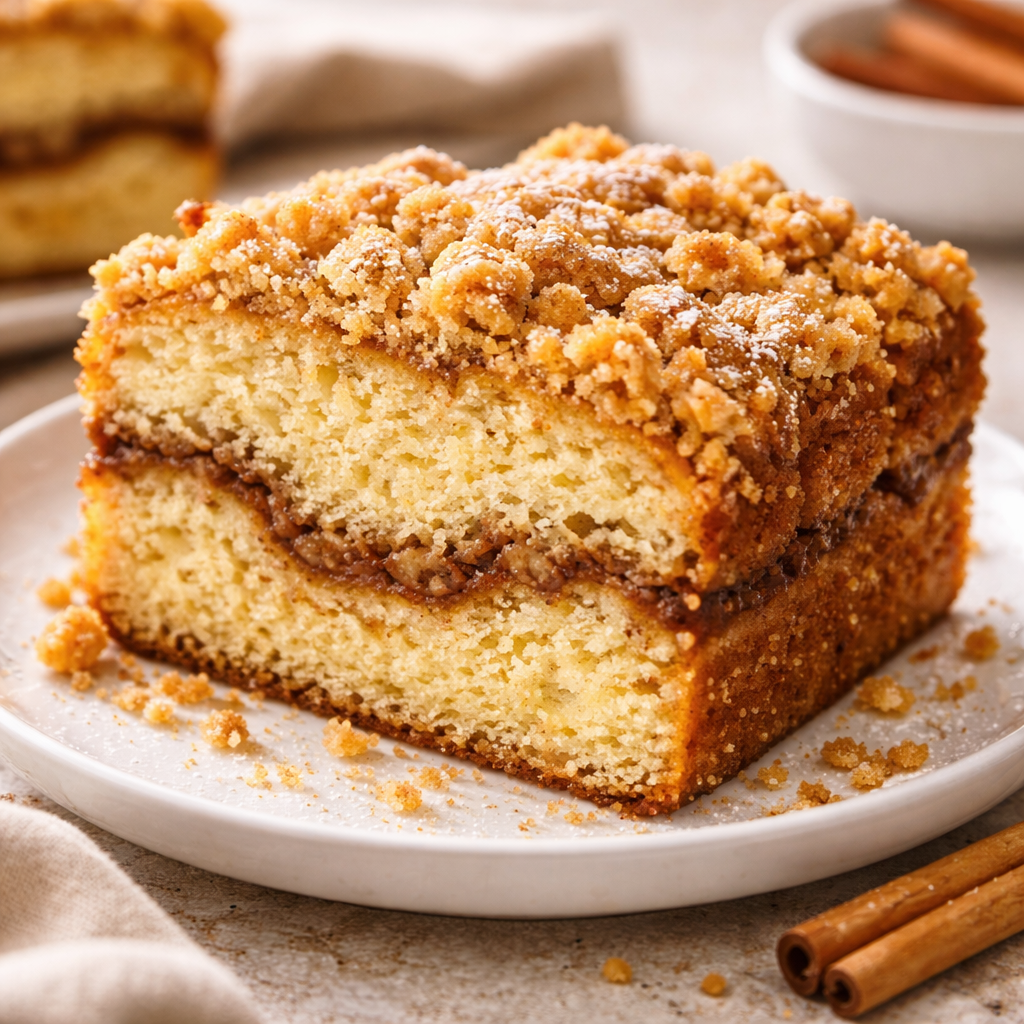
Achieving the perfect balance in a Cinnamon Coffee Cake is a study in texture. It requires a delicate crumb that isn’t as airy as a birthday cake, nor as dense as a pound cake. It occupies that sophisticated middle ground where the tang of dairy meets the warmth of cinnamon, creating a nostalgic aroma that has defined Sunday mornings for generations. This guide deconstructs the science and technique behind this bakery staple, ensuring your kitchen becomes the definitive source for this quintessential comfort food.
Ingredients: The Elements of the Crumb and Crunch
To build a professional-grade coffee cake, we must treat the cake base and the streusel topping as two distinct but symbiotic entities.
The Streusel (The Texture Engine)
- 1 cup Light Brown Sugar: The molasses content provides a chewy, caramelized depth that granulated sugar lacks.
- 1 cup All-Purpose Flour: This acts as the binder for the fat and sugar.
- 1 tbsp Ground Cinnamon: Use a high-quality Saigon or Ceylon cinnamon for a more volatile, spicy aroma.
- 1/2 cup Unsalted Butter (Cold and Cubed): The cold temperature is vital for creating the “clumps” that define a great streusel.
- 1/2 tsp Sea Salt: Essential for cutting through the sugar.
The Cake Base (The Foundation)
- 2 cups All-Purpose Flour: Provides the gluten framework.
- 1 tsp Baking Powder & 1/2 tsp Baking Soda: This dual-leavening approach ensures a lift that can support the heavy weight of the streusel.
- 1/2 cup Unsalted Butter (Room Temperature): This allows for proper aeration during the creaming stage.
- 1 cup Granulated Sugar: To provide sweetness and moisture.
- 2 Large Eggs: For structure and emulsification.
- 1 cup Full-Fat Sour Cream: The “secret” ingredient. The acidity tenderizes the gluten, while the high fat content creates a moist, rich mouthfeel that milk cannot replicate.
- 2 tsp Pure Vanilla Extract: To provide a floral background note.
Preparation Steps: Setting the Stage
Success in baking is largely a result of thermal management. Before the first measurement is taken, ensure your butter, eggs, and sour cream have sat at room temperature for at least 60 minutes. Cold ingredients do not emulsify; they “split,” leading to a cake with a greasy, uneven texture.
Begin by preparing your baking vessel. A 9×9-inch square pan or a 9-inch springform pan is ideal. Grease the interior generously with butter and line the bottom with parchment paper. This ensures that the delicate, sugar-laden bottom of the cake doesn’t stick to the metal, allowing for a clean release.
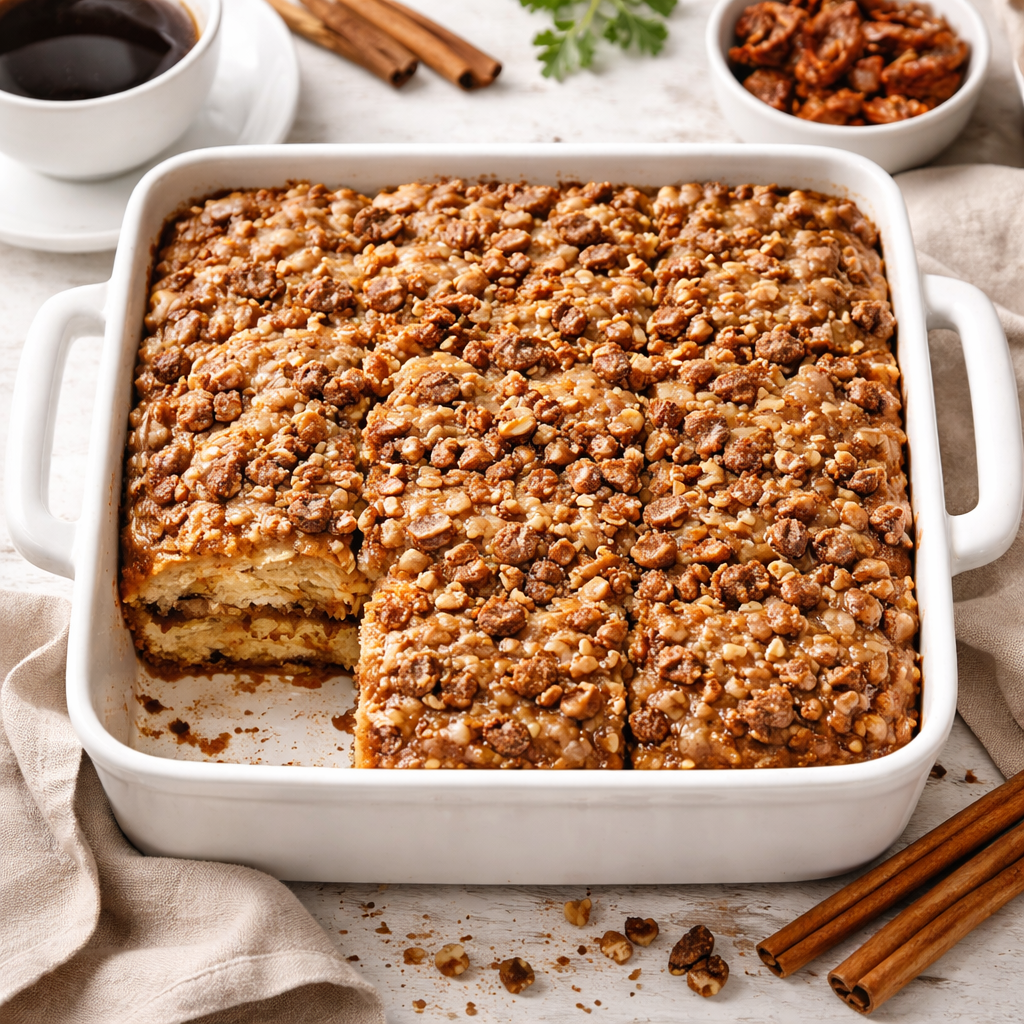
Next, construct the streusel. In a medium bowl, whisk together the brown sugar, flour, cinnamon, and salt. Using your fingertips or a pastry cutter, work the cold, cubed butter into the dry mix. You are looking for a variety of sizes—some crumbs should be as small as sand, while others should be the size of a marble. Once achieved, place this mixture in the refrigerator. Keeping the fat cold until the moment it enters the oven ensures the streusel remains “craggy” rather than melting into a flat sheet.
Cooking Technique: The Science of the Creaming Method
The hallmark of this Cinnamon Coffee Cake recipe is the Creaming Method. This is the mechanical process of beating fat and sugar together to create a network of air cells.
- Aeration: In a stand mixer, beat the room-temperature butter and granulated sugar for a full 4 to 5 minutes. The mixture should transition from a yellow grit to a pale, almost white, fluffy cloud. These air cells are where the leavening gases will expand in the oven.
- Emulsification: Add the eggs one at a time, beating well after each addition. If the batter looks curdled, it is likely because the eggs were too cold. Continue beating until smooth. Stir in the vanilla extract.
- The Dry-Wet Cycle: Whisk your flour, baking powder, baking soda, and salt together. With the mixer on low, add one-third of the dry ingredients, followed by half of the sour cream. Repeat this, ending with the dry ingredients.
- The Gentle Fold: Once the last of the flour is added, stop the mixer. Use a spatula to finish the mixing by hand. Over-mixing at this stage develops too much gluten, which will turn your coffee cake into something resembling a dense loaf of bread.
Pro Tips for Bakery-Level Results
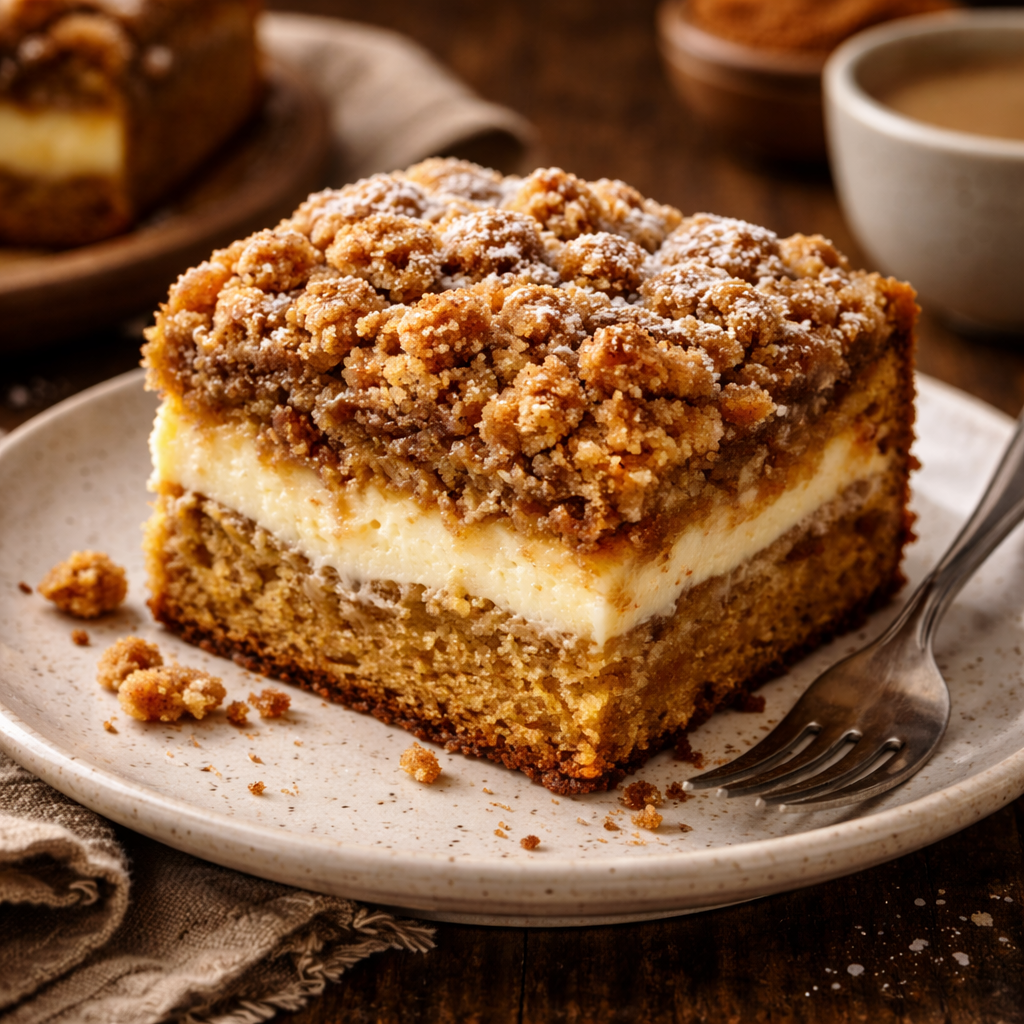
- The Center Ripple: To elevate the flavor, do not put all the streusel on top. Pour half of the cake batter into the pan, sprinkle a thin layer of the streusel mixture in the middle, and then top with the remaining batter and the rest of the streusel. This creates a “vein” of cinnamon sugar that runs through every slice.
- Avoid the “Over-Bake”: Coffee cake is prone to drying out. Start checking for doneness 5 minutes before the recipe suggests. A wooden skewer should come out with a few moist crumbs attached. If it comes out completely clean, it may already be over-baked.
- The Final Gloss: Once the cake is out of the oven and still warm, whisk together 1/2 cup of powdered sugar and 1 tbsp of milk to create a thin glaze. Drizzle this over the streusel. It fills the “valleys” of the crumb and adds a professional visual finish.
Flavor Variations: Exploring the Spiced Spectrum
While the classic cinnamon-vanilla profile is timeless, the architecture of this cake allows for significant creative liberty.
- The Cardamom Twist: Replace half of the cinnamon with ground cardamom. This gives the cake a Scandinavian flair, offering a more citrusy, floral complexity that pairs exceptionally well with light-roast coffees.
- The Orchard Addition: Fold 1 cup of finely diced Granny Smith apples into the batter. The tartness of the fruit cuts through the sugar, and the moisture from the apples ensures an even softer crumb.
- The Nutty Crunch: Add 1/2 cup of toasted, chopped pecans or walnuts to the streusel. The fat from the nuts roasts in the oven, providing a savory depth that balances the sweetness of the brown sugar.
Make-Ahead Guide: Strategic Entertaining
Coffee cake is the rare baked good that benefits from a bit of “rest.” The moisture from the sour cream continues to hydrate the flour long after it leaves the oven, often making the cake more tender on the second day
If you are hosting a brunch, you can prepare the dry ingredients and the streusel the night before. Store the streusel in the fridge and the dry mix on the counter. In the morning, you simply have to cream the butter and eggs and combine.
Alternatively, you can bake the entire cake the day before. Once completely cool, wrap it tightly in professional-grade plastic wrap. The sugars in the streusel will soften slightly, creating a “jammy” texture that many connoisseurs prefer over the day-one crunch.
Storage: Preserving the Integrity of the Crumb
Proper storage is the difference between a delicious leftover and a dry disappointment.
- Room Temperature: Store the cake in an airtight container or under a cake dome for up to 3 days. Ensure it is away from direct sunlight, which can cause the butter in the cake to turn.
- Refrigeration: While the fridge extends life up to 7 days, it can also dry out the crumb. If you refrigerate, always let the slice come back to room temperature before eating, or give it a 10-second “pulse” in the microwave to reactivate the fats.
- Freezing: This cake freezes beautifully. Wrap individual slices in plastic wrap and then a layer of foil. They will stay fresh for up to 3 months. To serve, thaw at room temperature. The streusel might lose some of its initial snap, but a quick 5-minute stay in a 300°F oven will restore its crispness.