Chicken and Orzo Recipes The most pervasive frustration in the midweek kitchen is the “dish dilemma.” We all crave a gourmet, balanced meal, but the reality of cleaning three different pots—one for the protein, one for the starch, and one for the sauce—often leads us straight to the takeout menu. Furthermore, many chicken and orzo recipes suffer from a technical imbalance: either the chicken is perfectly cooked while the orzo remains crunchy, or the pasta is creamy but the chicken has turned into dry, overcooked fibers.
The solution lies in a specialized one-pan technique that utilizes the orzo’s high starch content to create a self-thickening sauce. By mastering the “sear and simmer” method, you can transform humble pantry staples into a Mediterranean-inspired masterpiece. This guide deconstructs the mechanics of chicken and orzo recipes, focusing on flavor extraction, moisture management, and the science of “one-pot” thermal consistency.
Why This Recipe Works
This specific approach to chicken and orzo recipes succeeds where others fail by respecting the different cooking rates of pasta and poultry.
- Starch Emulsification: Unlike boiling orzo in a large pot of water and draining it, cooking the orzo directly in chicken broth allows the starch to stay in the pan. This creates a natural, velvety glaze that clings to the pasta without the need for heavy cream.
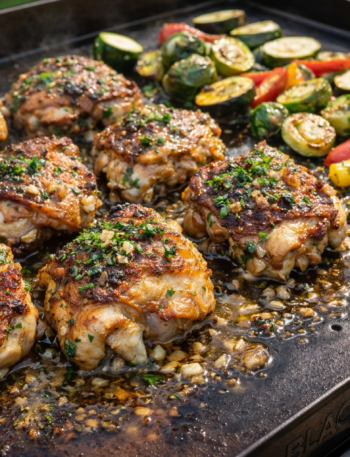
- The Fond Foundation: By searing the chicken first, we leave behind a layer of caramelized proteins (the fond). When the orzo is toasted in these pan drippings, it absorbs a deep, savory “roasted” flavor that boiled pasta simply cannot match.
- Vapor-Lock Cooking: Using a tight-fitting lid during the simmer phase creates a pressurized environment. This ensures the chicken stays succulent through steam while the orzo absorbs liquid at an even rate.
- Brightness Balance: The addition of lemon juice and fresh herbs at the very end provides an acidic counterpoint to the rich, starchy base, preventing the dish from feeling heavy.
Ingredients & Measurements
For a family-sized serving of this chicken and orzo recipe, precision in the liquid-to-pasta ratio is the key to achieving a “risotto-like” texture.
The Protein and Pasta
- 1.5 lbs Chicken Thighs: Boneless and skinless. Thighs are superior for chicken and orzo recipes because they remain juicy during the pasta’s simmering time.
- 1.5 cups Dried Orzo Pasta: Look for a high-quality semolina orzo for the best “al dente” bite.
- 2 tbsp Extra Virgin Olive Oil: For the initial sear.
The Aromatic Base
- 1 Medium Yellow Onion: Finely diced.
- 3 Cloves Garlic: Minced.
- 1 cup Fresh Baby Spinach: Added at the end for color and nutrition.
- 1/2 cup Sun-Dried Tomatoes: Sliced (optional, for a Mediterranean twist).
The Liquid and Seasoning
- 3 cups Chicken Bone Broth: Low-sodium allows you to control the final salt profile.
- 1 tsp Dried Oregano & 1/2 tsp Smoked Paprika: To build the flavor profile.
- 1 Large Lemon: Both the zest and the juice.
- 1/2 cup Feta Cheese or Parmesan: For a salty, creamy finish.
- Fresh Parsley: For garnish.
Step-by-Step Cooking Guide
1. The Maillard Sear
Season your chicken thighs generously with salt, pepper, and smoked paprika. Heat the olive oil in a wide, heavy-bottomed skillet over medium-high heat. Sear the chicken for 5–6 minutes per side until a deep golden crust forms. Note: The chicken does not need to be cooked through yet; we are simply developing flavor and “fond.” Remove the chicken and set aside.
2. Toasting the Orzo
In the same pan, add the diced onions. Sauté for 3 minutes, using the moisture from the onions to scrape up the browned chicken bits. Add the garlic and the dry orzo. Stir the orzo in the pan drippings for 2 minutes. Toasting the pasta until it turns slightly golden creates a nutty flavor and prevents the grains from becoming mushy.
3. The Deglaze and Simmer
Slowly pour in the chicken broth. Use a wooden spoon to ensure the bottom of the pan is completely clean. Return the seared chicken thighs (and any accumulated juices) back into the skillet, nestling them into the orzo. Bring the liquid to a gentle boil.
4. Controlled Absorption
Turn the heat down to low and cover the skillet with a tight-fitting lid. Simmer for 10–12 minutes. During this time, the orzo will absorb the broth and the chicken will finish cooking perfectly in the steam.
5. The Finishing Touches
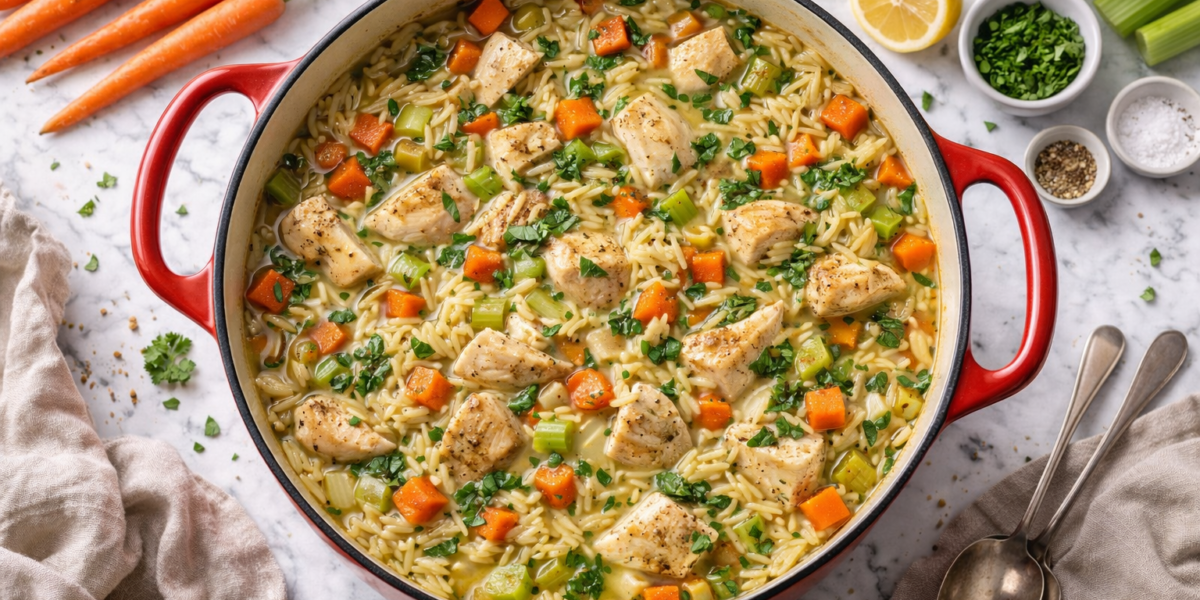
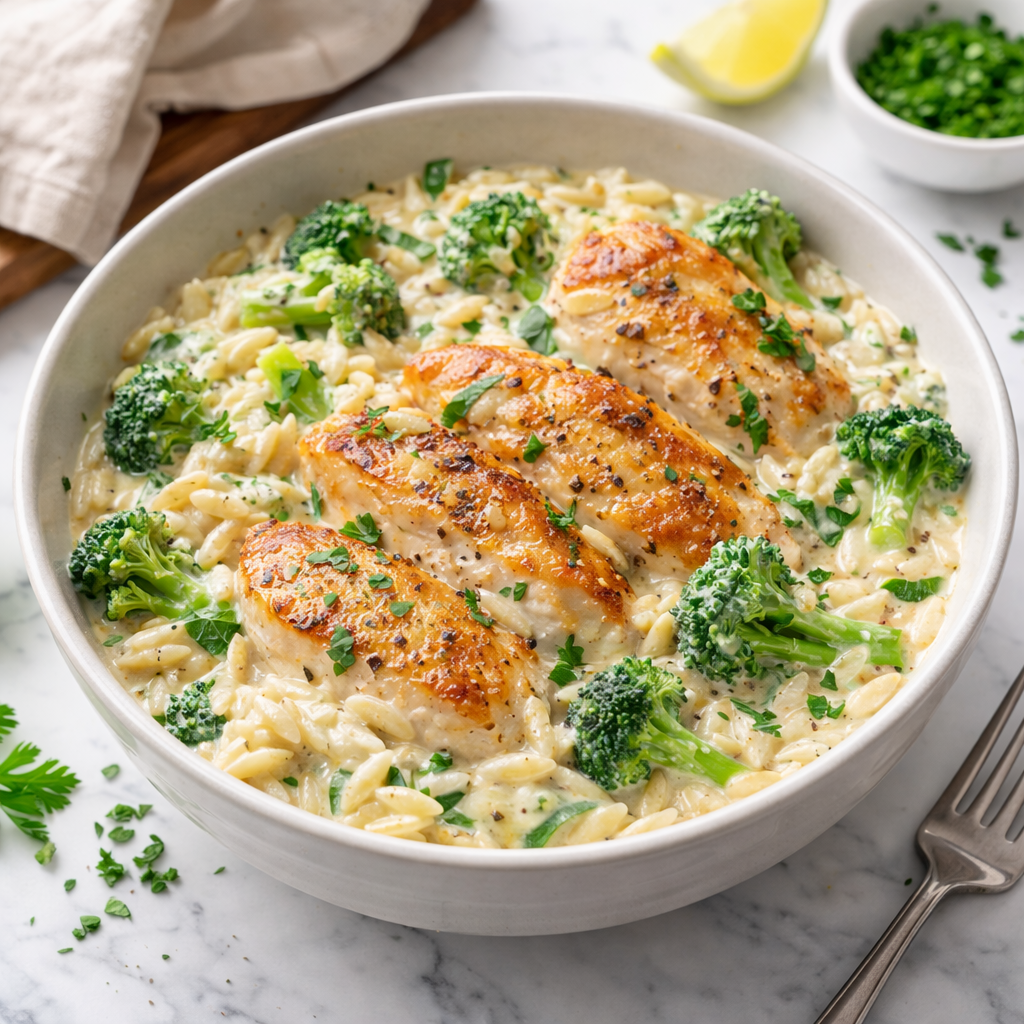
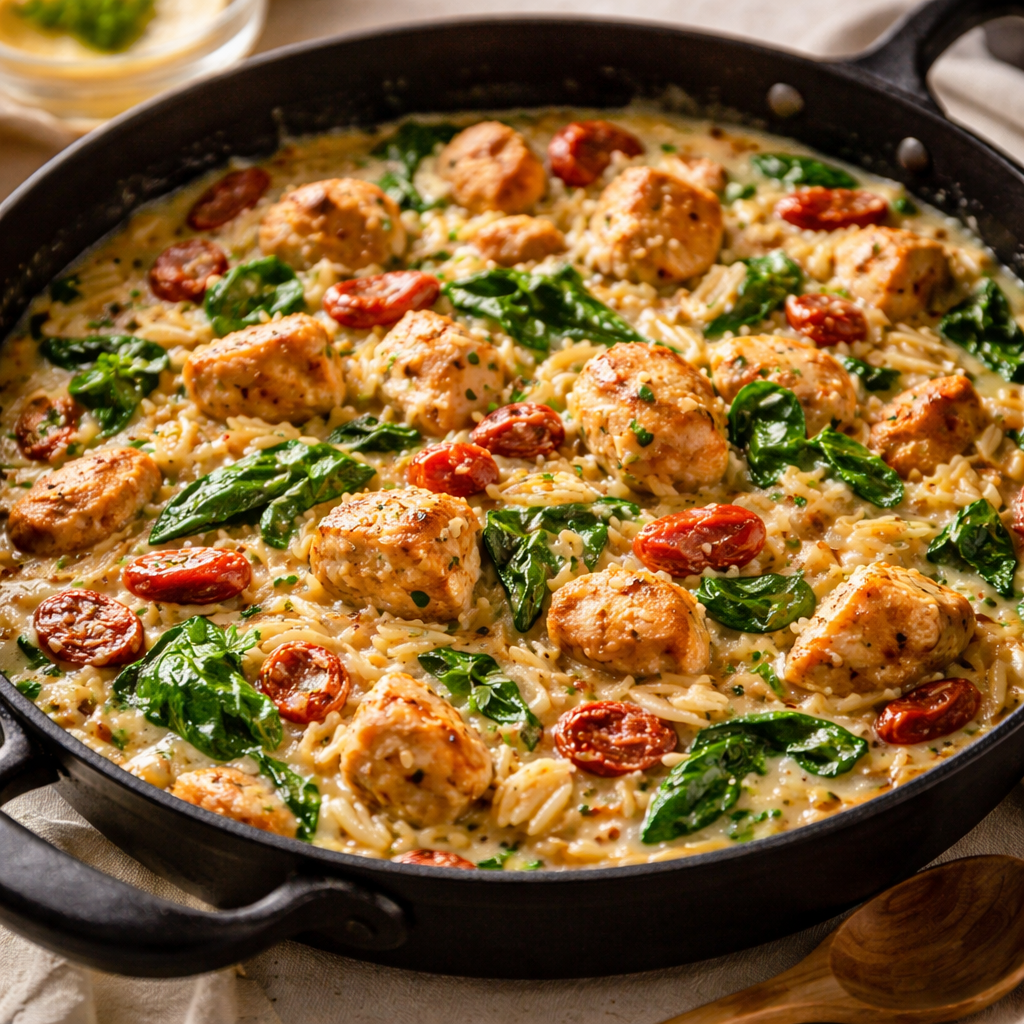
Remove the lid. You should see a creamy, slightly liquid consistency (it will thicken as it sits). Stir in the baby spinach, sun-dried tomatoes, and lemon zest. The residual heat will wilt the spinach in seconds. Squeeze the fresh lemon juice over the top and sprinkle with feta or Parmesan cheese.
Common Mistakes to Avoid
- Using Chicken Breast: While possible, chicken breast often dries out in the time it takes for orzo to cook. If you use breast, cut it into large chunks and add it halfway through the simmering process.
- Rinsing the Orzo: Never rinse the pasta for chicken and orzo recipes. You need that surface starch to create the creamy sauce.
- Excessive Heat: If the simmer is too aggressive, the liquid will evaporate before the orzo is soft, leading to burnt pasta at the bottom of the pan. Keep the flame at the lowest possible setting once the lid is on.
- Walking Away: Orzo is small and high in starch; it can stick to the bottom of the pan easily. Give it one or two gentle stirs during the simmering phase if you aren’t using a non-stick pan.
Timing & Doneness Indicators
A successful chicken and orzo recipe relies on internal temperature and pasta texture.
Serving Suggestion
This dish is a complete meal on its own, but these additions can elevate the experience:
- The Crunch Factor: Top with toasted pine nuts or crispy fried shallots to contrast the soft texture of the orzo.
- The Side Salad: Pair with a sharp, vinegar-based cucumber salad to cut through the richness of the chicken broth and feta.
- Wine Pairing: A crisp, acidic white wine like Sauvignon Blanc or Assyrtiko complements the lemon and oregano beautifully.
FAQ: Solving Your Cooking Frustrations
Q: Why is my orzo always mushy? A: This usually happens because of too much liquid or overcooking. Always follow the 2:1 liquid-to-orzo ratio (adjusting slightly for the moisture in the chicken). Pull the pan off the heat when the orzo still has a very slight “bite” in the center; it will continue to cook as it rests.
Q: My chicken is cooked, but the broth hasn’t been absorbed. What do I do? A: Simply remove the lid and increase the heat to medium for 2–3 minutes. Stir constantly. This will rapidly evaporate the excess moisture while the starch thickens the remaining liquid into a sauce.
Q: Can I use frozen spinach instead of fresh? A: Yes, but make sure to thaw it and squeeze out every drop of water first. If you add “wet” frozen spinach, it will turn your beautiful chicken and orzo recipe into a watery, grey mess.
Q: How do I store and reheat leftovers? A: Orzo acts like a sponge and will absorb all the sauce in the fridge. When reheating, add a splash of water or broth and heat in a skillet over low heat. This “relaxes” the starch and restores the creamy consistency.
Q: Can I make this chicken and orzo recipe dairy-free? A: Absolutely. Omit the cheese and add a tablespoon of nutritional yeast or a dollop of tahini at the end for that same savory, creamy “mouthfeel” without the lactose.