The most frequent frustration encountered when executing a chicken and yellow rice recipe is the “texture mismatch.” We have all experienced the culinary disappointment of a dish where the chicken is perfectly succulent but the rice is a gummy, over-saturated mess—or conversely, the rice is beautifully fluffy while the chicken has been reduced to dry, stringy fibers. Achieving that vibrant, golden hue and a cohesive “one-pot” finish requires more than just adding turmeric; it requires a specialized understanding of grain hydration and thermal carry-over.
This professional-grade guide deconstructs the chicken and yellow rice recipe (often inspired by Arroz con Pollo or yellow saffron rice traditions) to solve the common issues of uneven cooking and bland profiles. By focusing on the “absorption method” and spice-infusion techniques, you can transform these pantry staples into a restaurant-quality meal that delivers consistent results every time.
Why This Recipe Works
This specific approach to the chicken and yellow rice recipe succeeds by leveraging the science of aromatics and starch management.
- Saffron and Turmeric Synergism: While turmeric provides the iconic yellow pigment, it lacks the aromatic depth of saffron. By combining both, we achieve a color that is visually stunning and a flavor profile that is earthier and more complex than standard boxed mixes.
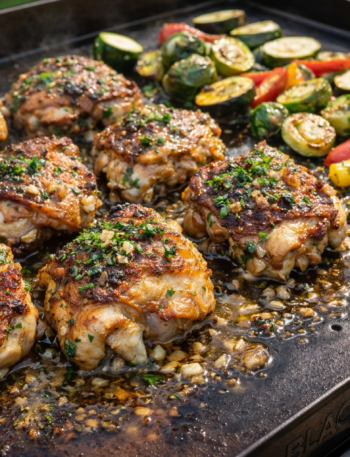
- The “Par-Sear” Technique: By searing the chicken skin-side down first, we render out the chicken fat (schmaltz). This liquid gold is then used to toast the rice grains, coating each one in a protective layer of fat that prevents the grains from sticking together or becoming “mushy.”
- Steam-Flush Hydration: Using a tight-fitting lid and a specific liquid-to-rice ratio ensures the rice cooks through steam rather than boiling. This results in individual, distinct grains that have absorbed the savory chicken broth.
- Aromatic “Sofrito” Base: Instead of just boiling the rice in water, we create a base of sautéed peppers, onions, and garlic. This ensures the flavor is built into the grain itself, rather than just sitting on the surface.
Ingredients & Measurements
For a family-sized yield of this chicken and yellow rice recipe, accuracy in your liquid measurements is the difference between a fluffy pilaf and a soggy porridge.
The Protein and Rice
- 2 lbs Bone-In, Skin-On Chicken Thighs: Bone-in is essential here as the bone adds gelatin and depth to the rice as it simmers.
- 2 cups Long-Grain White Rice: Jasmine or Basmati are excellent choices for their fragrance and structural integrity.
- 2 tbsp Extra Virgin Olive Oil: To begin the rendering process.
The “Yellow” Aromatics
- 1 Medium Yellow Onion: Finely diced.
- 1 Red Bell Pepper: Chopped into small pieces.
- 4 Cloves Garlic: Minced.
- 1 tsp Ground Turmeric: For that deep golden glow.
- 1 pinch Saffron Threads: Steeped in 2 tbsp of warm water (optional, but highly recommended).
- 1 tsp Ground Cumin & 1/2 tsp Smoked Paprika: To add warmth and smokiness.
The Cooking Liquid
- 3 1/2 cups Chicken Bone Broth: Low-sodium allows for better salt control.
- 1/2 cup Frozen Peas: For a pop of sweetness and color.
- 1 Bay Leaf: For an understated herbal note.
- Salt and Black Pepper: To taste.
Step-by-Step Cooking Guide
1. The Critical Sear
Season the chicken thighs generously with salt and pepper. Heat the olive oil in a wide, deep skillet or Dutch oven over medium-high heat. Place the chicken skin-side down and sear for 7–8 minutes. Do not move them. You want the skin to be crispy and golden. Flip and sear the other side for 3 minutes. Remove the chicken from the pan; it will still be raw in the middle, which is intentional.
2. The Sofrito Foundation
In the rendered chicken fat remaining in the pan, add the onion and red bell pepper. Sauté for 5 minutes, scraping the bottom of the pan to release the “fond” (the browned chicken bits). Add the garlic, turmeric, cumin, and smoked paprika. Stir for 60 seconds until the spices are “bloomed” and fragrant.
3. Toasting the Grains
Add the dry rice to the pan with the aromatics. Stir the rice for 2–3 minutes until the edges of the grains become translucent and they are thoroughly coated in the yellow spice oil. This toasting phase is what prevents a gummy texture in your chicken and yellow rice recipe.
4. The Liquid Integration
Pour in the chicken broth and the steeped saffron water. Add the bay leaf. Bring the mixture to a simmer. Once bubbling, nestle the chicken thighs back into the rice, skin-side up. Ensure the skin remains above the liquid line to stay crispy.
5. The Absorption Simmer
Turn the heat to low and cover with a tight-fitting lid. Simmer for 20–25 minutes. Do not lift the lid. The steam must remain trapped to cook the rice and the chicken simultaneously.
6. The Rest and Fluff
Remove from heat. Quickly lift the lid, scatter the frozen peas over the top, and replace the lid immediately. Let the dish rest for 10 minutes. This allows the rice to finish absorbing any stray moisture. Finally, remove the chicken, fluff the rice with a fork, and serve.
Common Mistakes to Avoid
- Using Boneless Breast: Chicken breast cooks much faster than rice. If you use breast meat, it will be dry and stringy by the time the rice is tender. Stick to bone-in thighs for this chicken and yellow rice recipe.
- Lifting the Lid: Every time you lift the lid, steam escapes and the temperature drops. This leads to unevenly cooked rice (some grains hard, some soft).
- Too Much Liquid: If you eyeball the broth, you risk a “soupy” result. Stick to the 1.75 : 1 ratio (Liquid to Rice) for the perfect fluff.
- Rinsing Too Much (or Not at All): Rinse the rice under cold water until it’s mostly clear to remove excess surface starch, but don’t soak it, or it will become too fragile.
Timing & Doneness Indicators
Serving Suggestions
The beauty of a chicken and yellow rice recipe is its ability to pair with vibrant, acidic sides:
- The Fresh Garnish: A heavy sprinkling of fresh cilantro and a squeeze of lime juice is essential to brighten the earthy turmeric.
- The Creamy Side: Serve with a few slices of ripe avocado or a dollop of Greek yogurt.
- The Heat: A side of pickled jalapeños or a dash of hot sauce complements the golden rice perfectly.
- Vegetable Pairing: A simple side of roasted asparagus or a crisp cucumber salad balances the heartiness of the dish.
FAQ: Solving Your Cooking Frustrations
Q: Why is the rice at the bottom of the pan burnt while the top is hard? A: This is usually due to the heat being too high during the simmer phase. You need the lowest setting possible. If your stove runs hot, use a “simmer ring” or a heat diffuser to protect the bottom of the pan.
Q: Can I make this chicken and yellow rice recipe in a slow cooker? A: We don’t recommend it for the best texture. Slow cookers trap too much moisture, making the rice very mushy and the chicken skin soggy. If you must, reduce the liquid significantly and add the rice only in the last 2 hours.
Q: I don’t have saffron. Can I still make this? A: Yes. Turmeric provides the color. You can add a little extra cumin and perhaps a touch of poultry seasoning to mimic the aromatic complexity that saffron provides.
Q: My rice is done, but the chicken is still slightly pink at the bone. What do I do? A: Remove the rice to a platter and put the chicken back in the pan with a splash of broth. Cover and cook for 5 more minutes. To avoid this next time, ensure your chicken is at room temperature before searing.
Q: Can I use brown rice instead? A: Brown rice requires a 2:1 liquid ratio and about 45 minutes of cook time. If using brown rice, you will need to add more broth and wait longer, which will definitely overcook the chicken. It is better to cook the chicken and brown rice separately and combine them at the end.