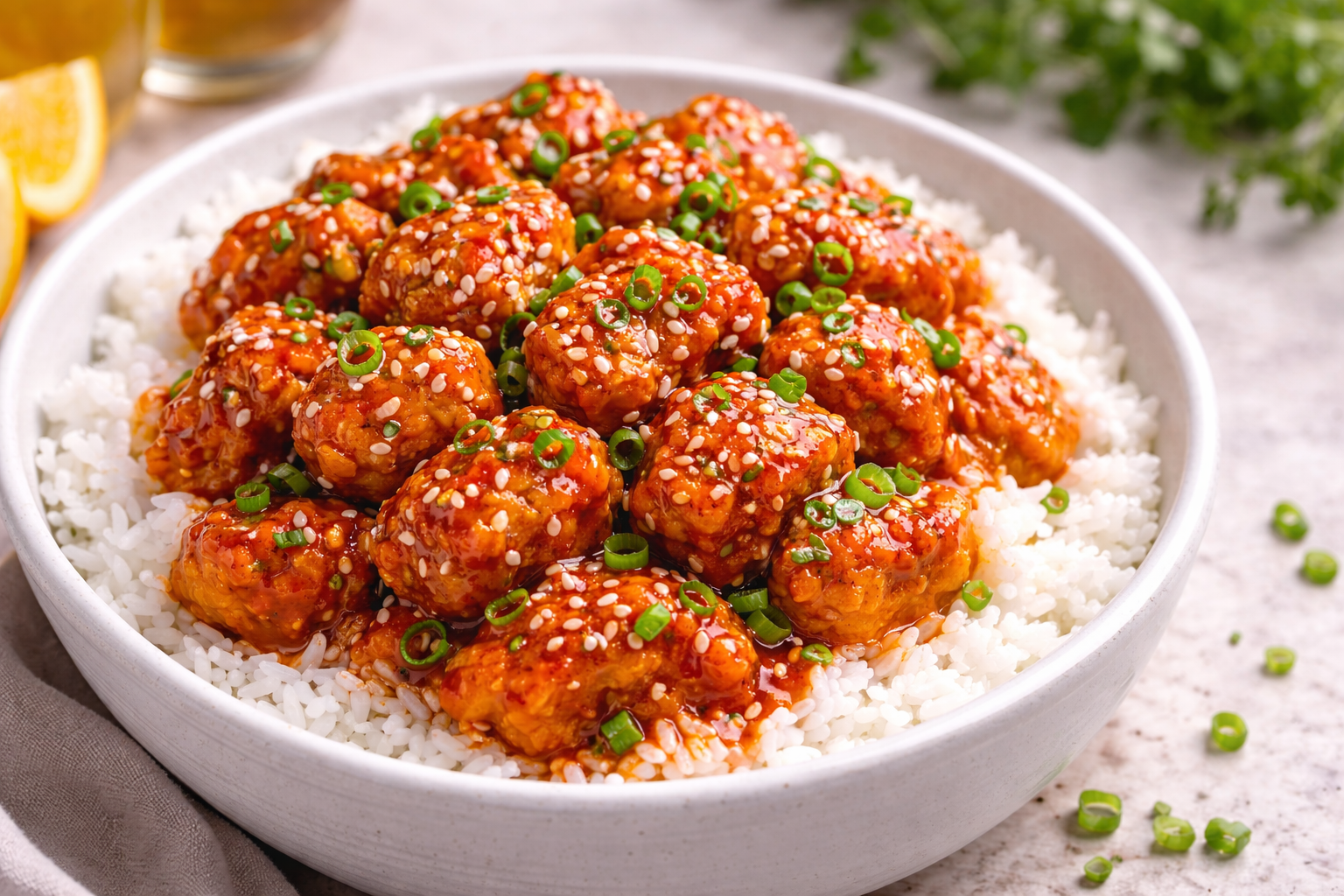
easy Orange chicken recipe is frequently relegated to the status of “fast food,” a sugary, neon-colored guilty pleasure that bears little resemblance to the sophisticated citrus-infused poultry of Hunan province. However, when executed with the precision of a seasoned home cook, it becomes a masterclass in the balance of the four essential pillars: sweet, sour, salty, and spicy.
The goal isn’t just to coat fried chicken in syrup; it is to create a vibrant, aromatic glaze that clings to a shattered-glass crust. To achieve this, we move away from the heavy, soggy batters of takeout joints and lean into the science of starch and the volatility of citrus oils. This recipe focuses on a “double-dredge” technique and a reduction-based sauce that delivers a punch of fresh orange without the cloying aftertaste of artificial flavorings.
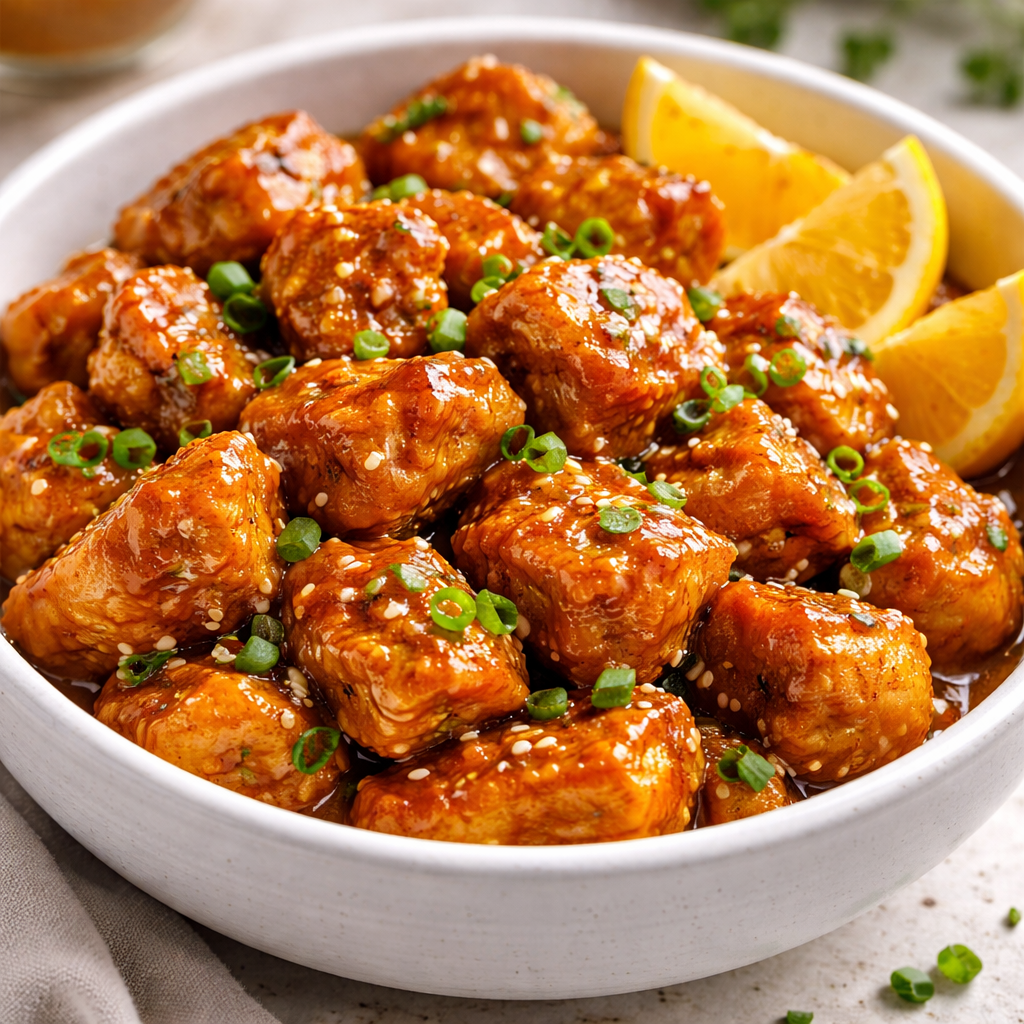
Ingredient Breakdown: The Logic of the Glaze and the Crunch
Every element in this dish serves a structural or chemical purpose. If you understand the “why,” you can’t fail the “how.”
The Protein: Chicken Thighs vs. Breasts
While many prefer chicken breast for its lean profile, I strongly advocate for boneless, skinless chicken thighs. Thigh meat contains more connective tissue and a slightly higher fat content, which makes it forgiving. When frying at high temperatures, breast meat has a narrow window before it turns stringy. Thighs stay succulent, providing a juicy contrast to the crispy exterior.
The Coating: The Cornstarch Secret
We use a combination of all-purpose flour and cornstarch.
- Cornstarch is pure starch with no protein (gluten). When fried, it creates a crispier, more brittle crust than flour alone.
- Flour provides the structure and browning (Maillard reaction). Together, they create a “shatter” effect that holds up even after being tossed in a liquid sauce.
The Sauce: Freshness over Shortcuts
- Fresh Orange Zest and Juice: Do not reach for the carton. The “orange” flavor we crave actually lives in the oils of the skin (flavedo). The juice provides the bulk, but the zest provides the soul.
- Rice Vinegar: This provides the “sour” component. It has a softer acidity than white vinegar, allowing the citrus to shine through rather than being masked by harsh acetic notes.
- Soy Sauce: This provides the “salt” and the deep umami base. Use a standard brewed soy sauce; dark soy will make the sauce look muddy.
- Brown Sugar and Honey: We use both. Brown sugar provides a molasses depth, while honey acts as an “invert sugar,” giving the sauce its professional, mirror-like sheen and helping it cling to the chicken.
- Ginger and Garlic: These are your aromatics. They should be fresh. Powdered versions cannot replicate the pungent, spicy heat of fresh ginger.
Preparation Strategy: The “Dry-Wet-Dry” Workflow
The most common failure in home frying is the “sliding” coating—where the breading peels off the chicken like an old sweater. To prevent this, we use a strategy of moisture management.
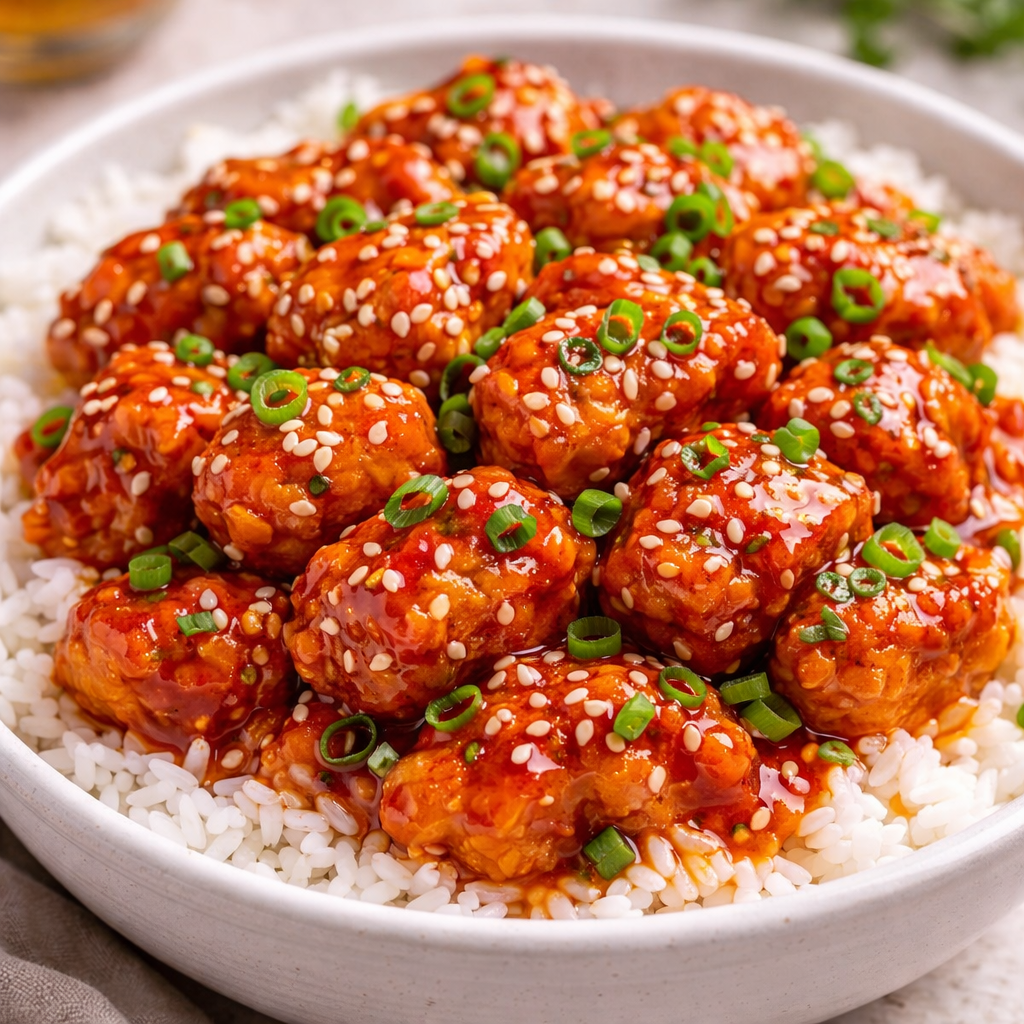
The Velvet Marinade
Before breading, toss the chicken pieces in a mixture of one egg white, a splash of soy sauce, and a tablespoon of cornstarch. This is a simplified version of “velveting.” The egg white creates a protein film that acts as a glue, ensuring the dry dredge bonds permanently to the meat.
The Dredge Setup
Mix your flour, cornstarch, salt, and white pepper in a large bowl. When you move the chicken from the wet marinade into the dry mix, press the flour into the meat with your palms. You want “crags” and “nooks”—those little uneven bits of flour are what turn into extra-crunchy shards in the oil.
The Sauce Reduction
Prepare the sauce in a separate bowl before you start the stove. High-heat cooking happens fast; you don’t want to be zesting an orange while your chicken is overcooking in the pan.
Cooking Instructions: The Professional Method
Phase 1: The Fry
- Oil Temperature: Fill a heavy-bottomed pot or wok with 2 inches of neutral oil (peanut or canola). Heat to 350°F. Use a thermometer; if the oil is too cool, the chicken becomes greasy. If it’s too hot, the outside burns before the inside is safe.
- The Batch Rule: Fry the chicken in small batches. Crowding the pan drops the oil temperature significantly, resulting in soggy breading.
- The First Pass: Fry for 3–4 minutes until pale golden. Remove to a wire rack.
- The Double Fry (Optional but Recommended): For a truly “easy” version, one fry is fine. But if you want the “shatter” crunch, let the chicken sit for 5 minutes, bring the oil back to 375°F, and fry for another 60 seconds. This drives out any remaining moisture from the crust.
Phase 2: The Sizzle
- Clear the Wok: Remove the oil, leaving about a tablespoon.
- Bloom the Aromatics: Add the minced ginger, garlic, and a pinch of red chili flakes. Sauté for only 30 seconds until fragrant. If the garlic turns brown, it becomes bitter; keep it moving.
- The Glaze: Pour in your orange sauce mixture. Bring it to a vigorous boil.
- The Slurry: Whisk a teaspoon of cornstarch with a tablespoon of cold water and stir it into the boiling sauce. Watch as it transforms from a thin liquid into a thick, syrupy glaze.
- The Toss: Turn off the heat. Add the fried chicken and toss quickly. Every piece should be draped in orange gold, but don’t linger—the longer the chicken sits in the sauce over heat, the softer the crust becomes.
Flavor & Texture Indicators
A successful Orange Chicken is a study in contrasts.
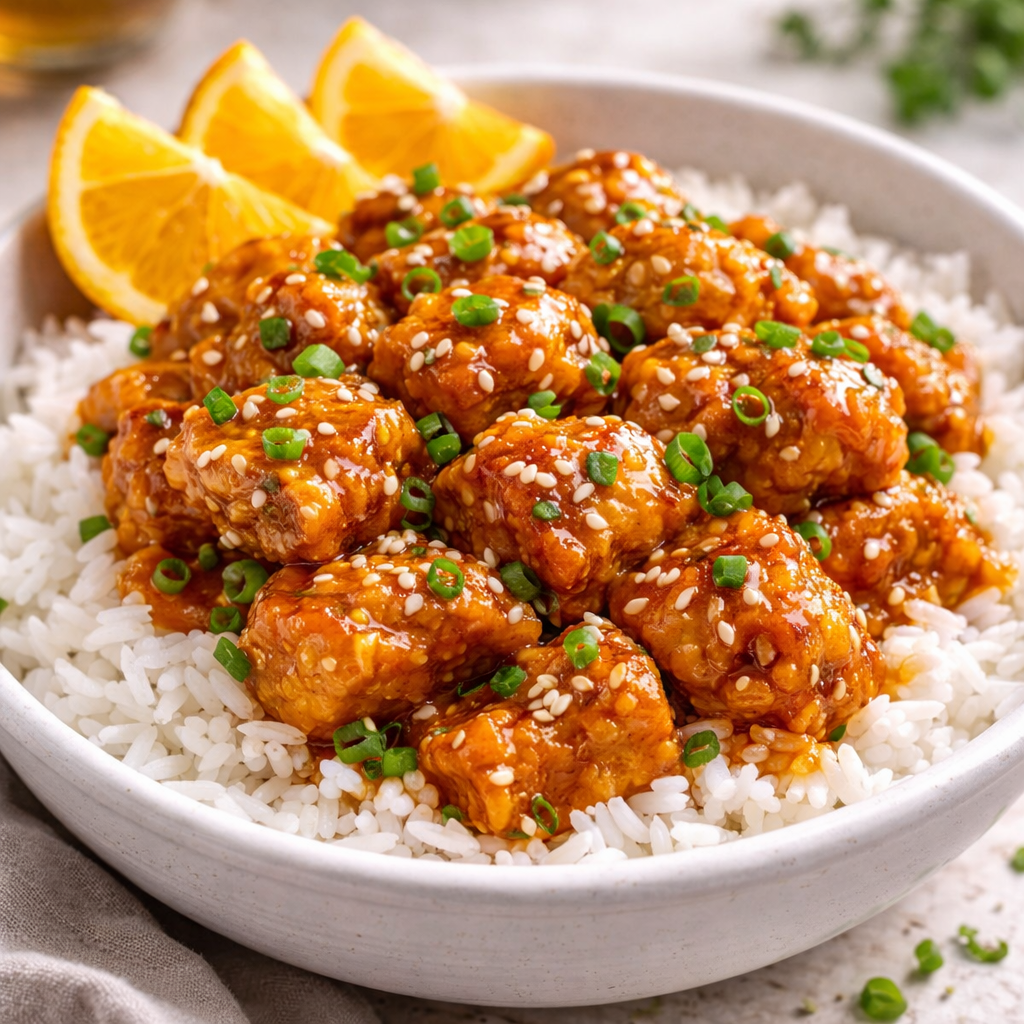
- Texture: When you bite in, you should hear a distinct crunch, followed immediately by the yield of juicy thigh meat. The sauce should be “tacky”—it should stick to your fingers, not run down your chin.
- Flavor: The first note should be a bright, citrus zing, followed by the warmth of the ginger and the savory salt of the soy. The sweetness should be a background note, not a primary driver. If it tastes like candy, it needs more vinegar.
- Appearance: The chicken should look “jeweled.” The sauce should be translucent enough to see the golden crust underneath, with flecks of orange zest and chili flakes visible throughout.
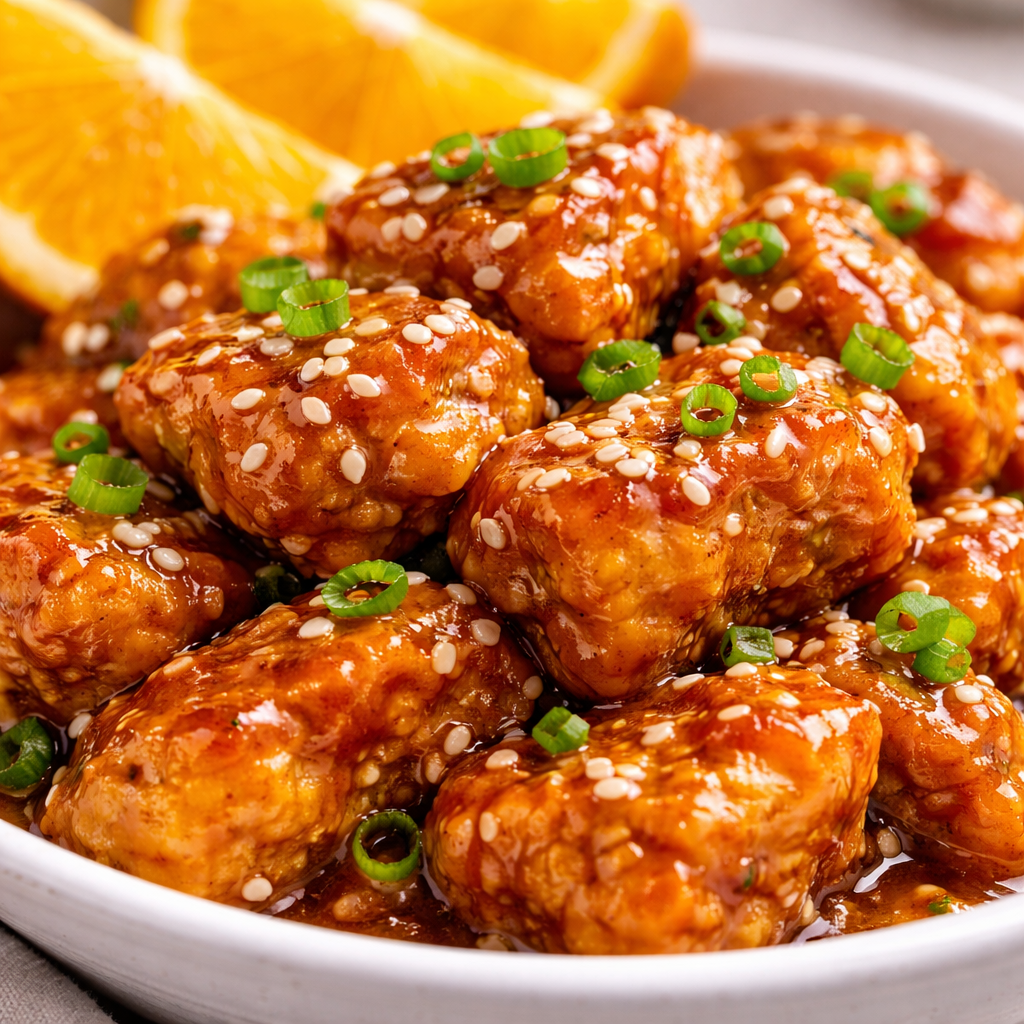
Adjustments for Different Skill Levels
- The Novice: Use a “Shall-Fry” method. Instead of 2 inches of oil, use 3 tablespoons in a non-stick skillet. You won’t get the same 360-degree crunch, but it’s much safer and easier for those uncomfortable with hot oil.
- The Intermediate: Focus on the Air Fryer. Toss the breaded chicken with a light spray of oil and air fry at 400°F for 12–15 minutes, flipping halfway. The result is surprisingly close to deep-frying with significantly less mess.
- The Advanced: Incorporate Dried Tangerine Peel (Chen Pi). Soak dried peels in water, mince them, and add them to the aromatics. This provides a deep, fermented citrus musk that is the hallmark of authentic Chinese regional cooking.
Storage & Shelf Life
Orange chicken is notoriously difficult to store because the sauce eventually migrates into the breading, making it soft. However, you can manage this:
- Fridge: Store for up to 2 days in an airtight container.
- The Reheat: Never use the microwave; it will turn your chicken into a rubbery sponge. Instead, use an oven or air fryer at 375°F. Heat for 5–7 minutes. The dry heat will re-crisp the edges of the breading while warming the center.
- Pro Tip for Meal Prep: If you want to make this ahead of time, store the fried chicken and the sauce in separate containers. Re-crisp the chicken in the oven, then toss with the warmed sauce right before serving.
Best Thin Sliced Chicken Breast Recipes
Homemade Peri Peri Chicken Recipe
Chicken and Yellow Rice Recipe
Quick Chicken and Orzo Recipes
Reader Questions
“Can I use orange marmalade instead of fresh oranges?” In a pinch, yes. However, marmalade is very high in pectin and sugar. You will need to increase the vinegar and soy sauce significantly to balance the sugar, and you may want to skip the honey entirely to avoid an oversweet result.
“Why is my sauce so cloudy?” This usually happens if you used too much cornstarch in the slurry or if the sauce didn’t reach a full boil. Cornstarch must hit the boiling point to “clear” and become translucent.
“Is there a substitute for Rice Vinegar?” Apple Cider Vinegar is the best substitute. It has a fruitiness that works with the orange. Avoid plain White Vinegar if possible, as it is too aggressive for this delicate sauce.