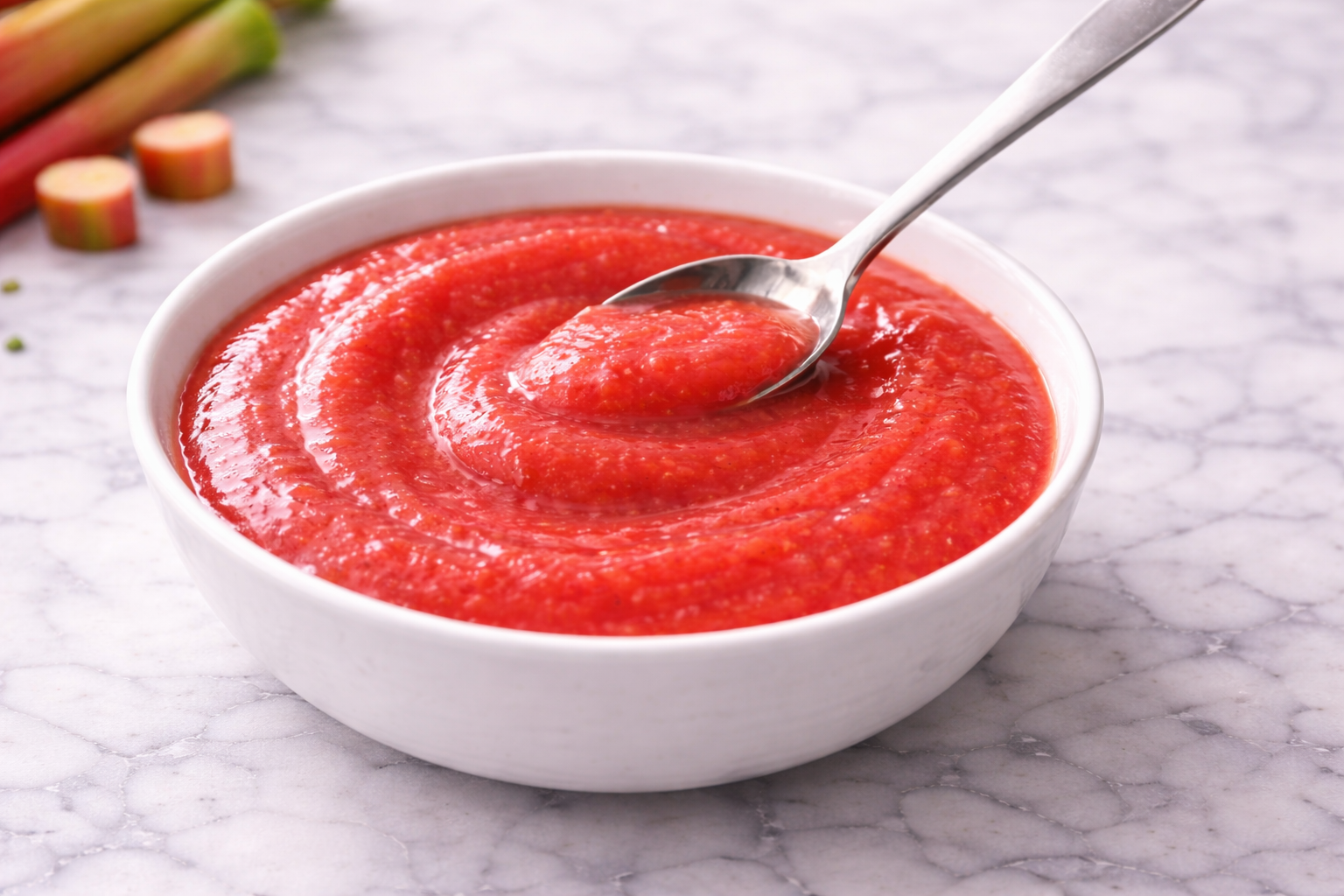
For many home cooks, rhubarb is a bit of a seasonal enigma. It arrives in a flash of brilliant crimson stalks, promising the tart, electric flavor of spring, yet it often ends up as a watery, stringy mess in the saucepan. The most common frustration? A sauce that is either cloyingly sweet—masking that signature brightness—or so acidic it sets your teeth on edge.
Mastering a Rhubarb Sauce recipe isn’t just about boiling fruit and sugar; it’s about managing pectin, balancing pH, and knowing exactly when to pull the pan off the heat to preserve that beautiful, jewel-toned color.
The Architecture of a Perfect Rhubarb Sauce
Most recipes treat rhubarb like a berry, but biologically, it’s a vegetable. It behaves more like celery than a strawberry. It is fibrous and loaded with oxalic acid. If you treat it too aggressively, the cells collapse entirely, leaving you with a brownish sludge.
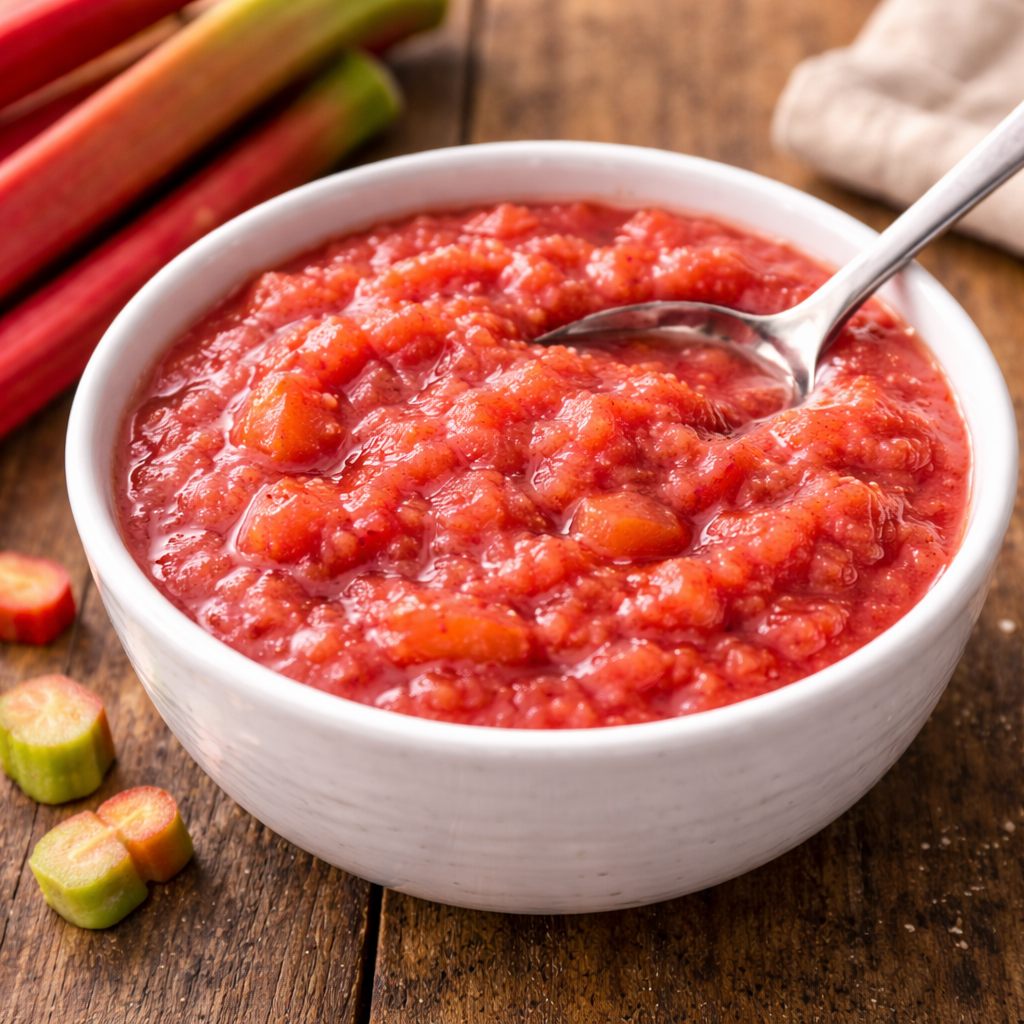
This recipe solves the “mush factor” by utilizing a two-stage maceration and simmer technique. By allowing the sugar to draw out the juices before heating, we create a syrup that protects the integrity of the fruit pieces. The result is a sauce with a “jammy” consistency—thick enough to coat a spoon, but with enough texture to remind you that you’re eating fresh produce.
Why This Recipe Works
- Osmotic Extraction: By tossing the rhubarb in sugar and letting it sit for 15 minutes, we use osmosis to draw moisture out of the stalks. This creates a concentrated syrup without needing to add water, which would only dilute the flavor.
- Acid Balancing: We use a tiny pinch of salt and a hint of orange zest. The salt suppresses the perception of bitterness, while the citrus oils provide a floral bridge between the sharp acidity of the rhubarb and the sweetness of the sugar.
- Controlled Breakdown: Rhubarb contains a high amount of water. We cook it uncovered to allow for evaporation, which naturally thickens the sauce via its own pectins rather than relying on cornstarch, which can turn the sauce cloudy.
Ingredients & Measurements
Yields approximately 2.5 cups
Step-by-Step Cooking Guide
1. Preparation and Maceration
Begin by trimming the ends of the rhubarb. Important: If there are any leaves attached, discard them immediately; they contain high levels of oxalic acid and are toxic. Wash the stalks thoroughly.
Slice the rhubarb into uniform ½-inch pieces. Uniformity is key here—if the pieces vary too much in size, the small ones will disintegrate into mush before the larger ones have softened. Place the pieces in a heavy-bottomed stainless steel saucepan. Add the sugar and salt. Toss well and let it sit at room temperature for at least 15 to 20 minutes. You will notice a pool of pink liquid forming at the bottom; this is exactly what you want.
2. The Slow Simmer
Place the saucepan over medium-low heat. Do not add water. As the sugar dissolves into the rhubarb juice, it will create a syrup. Stir gently but frequently to ensure the sugar doesn’t scorch at the bottom.
Once the liquid begins to bubble, add the orange zest and grated ginger. Reduce the heat to low. You want a “lazy” bubble—gentle agitation that breaks down the tough fibers without pulverizing the fruit.
3. Monitoring Texture
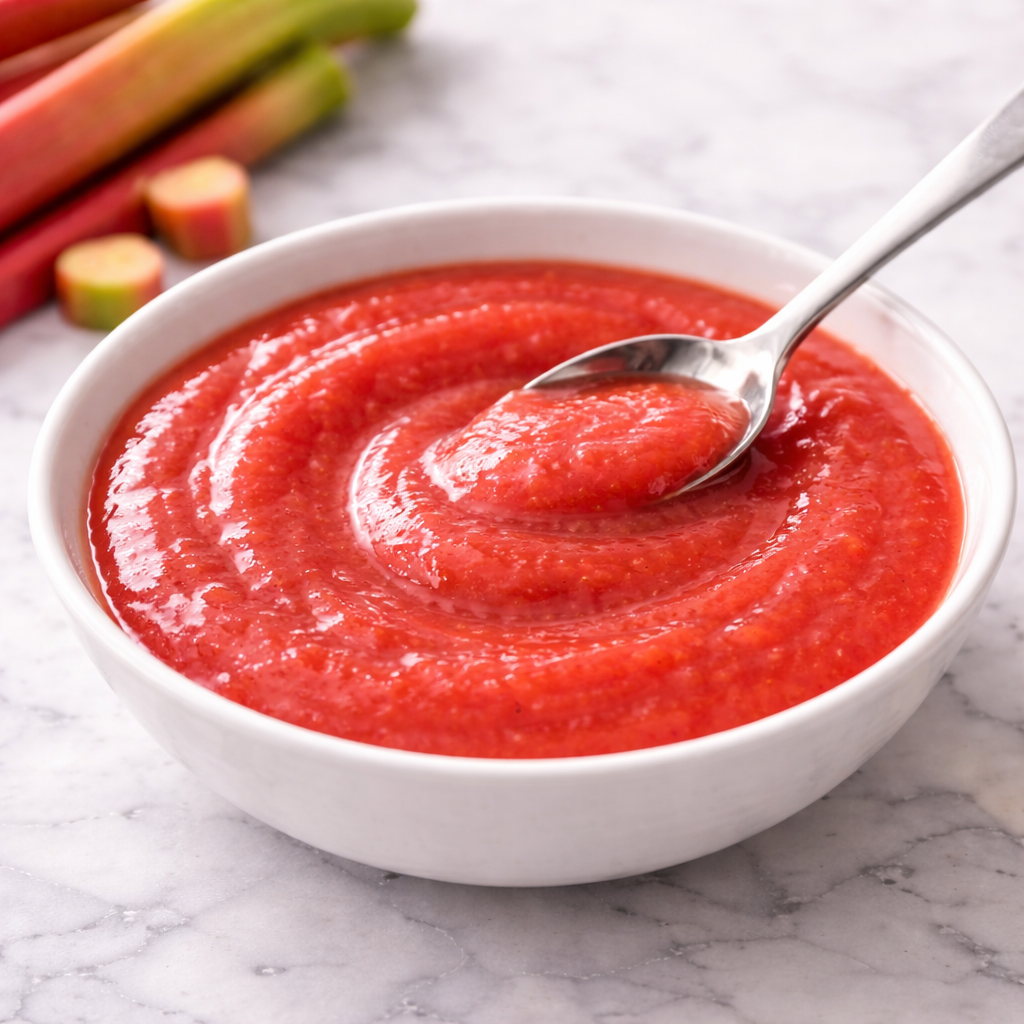
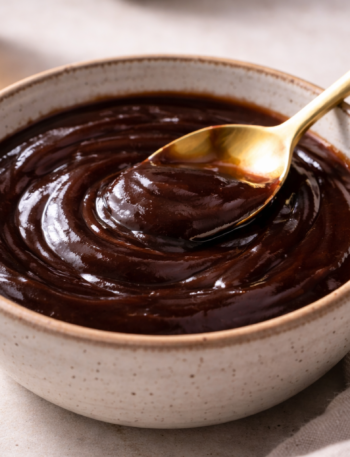
Cook for 10–12 minutes. Watch the rhubarb closely. It will transition from opaque and matte to translucent and glossy. Resist the urge to over-stir; let the heat do the work. The sauce is finished when about half of the rhubarb has broken down into a thick base, while the other half retains its shape but yields easily to a fork.
4. The Finish
Remove the pan from the heat. Only now should you stir in the vanilla extract. Adding vanilla at the end preserves its volatile aromatics, which would otherwise evaporate during the boiling process.
Common Mistakes to Avoid
- Adding Water: This is the most frequent error. Rhubarb is roughly 95% water. Adding even a splash of water results in a thin, soupy sauce that lacks flavor concentration. Trust the maceration process.
- Using Aluminum Cookware: Rhubarb is highly acidic. It will react with aluminum or unlined copper, potentially giving the sauce a metallic tang and turning the vibrant pink into a dull grey. Stick to stainless steel, enamel, or non-stick.
- High Heat: High heat causes the pectin to break down too quickly and can caramelize the sugar into a “burnt” flavor profile that clashes with the rhubarb’s brightness.
Timing & Doneness Indicators
- The “Spoon Path”: Drag a wooden spoon through the center of the pot. If the sauce takes a second or two to flow back and fill the gap, it has reached the ideal thickness.
- The Translucency Test: Scoop up a piece of rhubarb. It should look like a stained-glass window—bright and clear, not solid or “woody” in the center.
- Cooling Thickening: Keep in mind that the sauce will thicken significantly as it cools. If it looks a little loose in the pan, it will likely be perfect once it reaches room temperature.
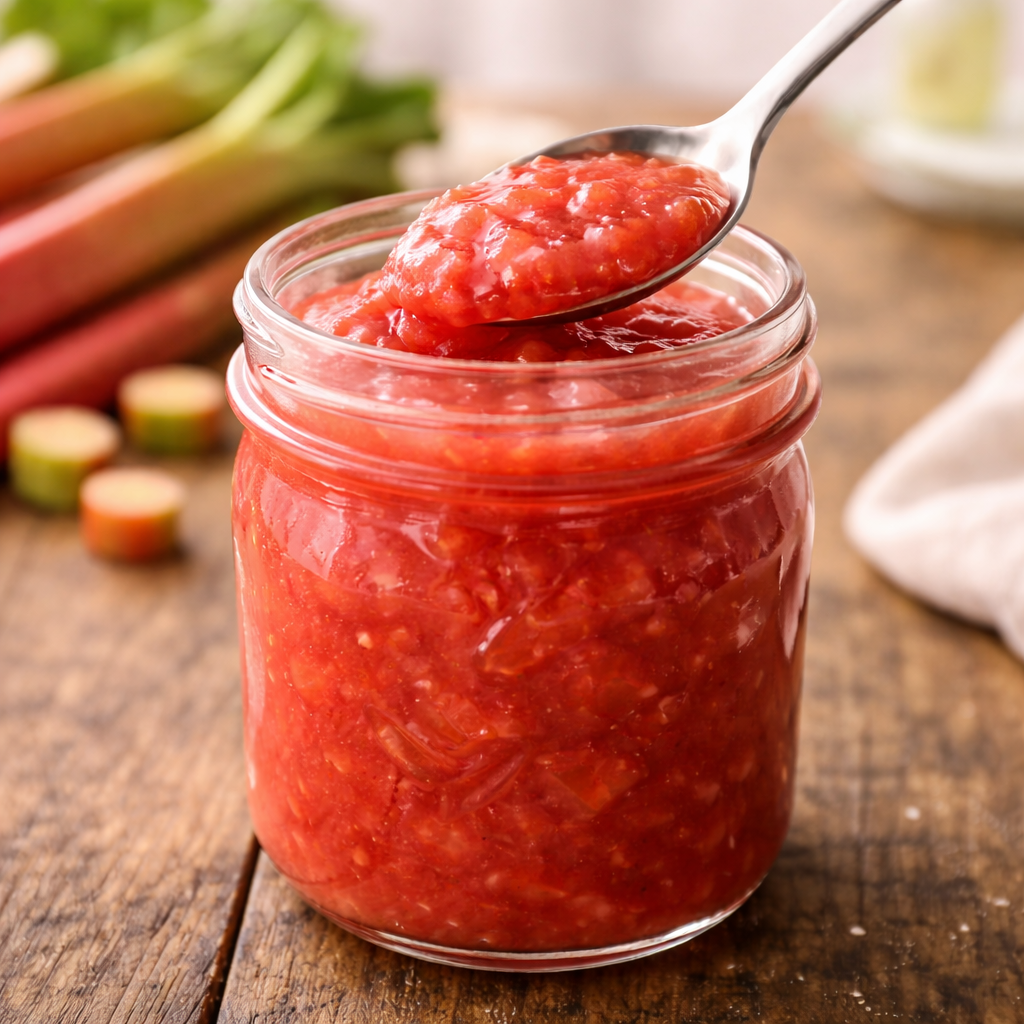
Serving Suggestions
Rhubarb sauce is incredibly versatile, acting as a bright counterpoint to rich, fatty foods.
- Breakfast: Swirl it into full-fat Greek yogurt or ladle it over sourdough pancakes.
- Dessert: Serve it warm over high-quality vanilla bean ice cream. The temperature contrast is spectacular.
- Savory Pairing: Surprisingly, this sauce works beautifully with roasted pork tenderloin or grilled duck breast. The acidity cuts through the fat of the meat much like a cranberry sauce does for turkey.
- The Parfait: Layer the chilled sauce with whipped mascarpone and crushed ginger snap cookies for a sophisticated, no-bake dessert.
FAQ: Troubleshooting Your Sauce
Why is my rhubarb sauce stringy? This usually happens with older, larger stalks harvested late in the season. To fix this, you can pulse the finished sauce briefly in a blender for a smooth puree, or simply ensure you slice the stalks into smaller, ½-inch pieces across the grain to “shorten” the fibers.
Is my sauce too tart? Can I add sugar at the end? Yes, you can adjust the sweetness at the end, but do it while the sauce is still warm so the crystals dissolve. However, if it’s just “sharp,” try adding a tiny pat of unsalted butter. The fat coats the tongue and mellows the perception of acid.
How do I keep the sauce bright pink? Color depends largely on the variety of rhubarb you bought. “Victoria” rhubarb is often greener, while “Crimson Cherry” is deep red. To “cheat” a better color, you can add a few crushed raspberries during the simmer; they will provide a natural dye without significantly altering the flavor.