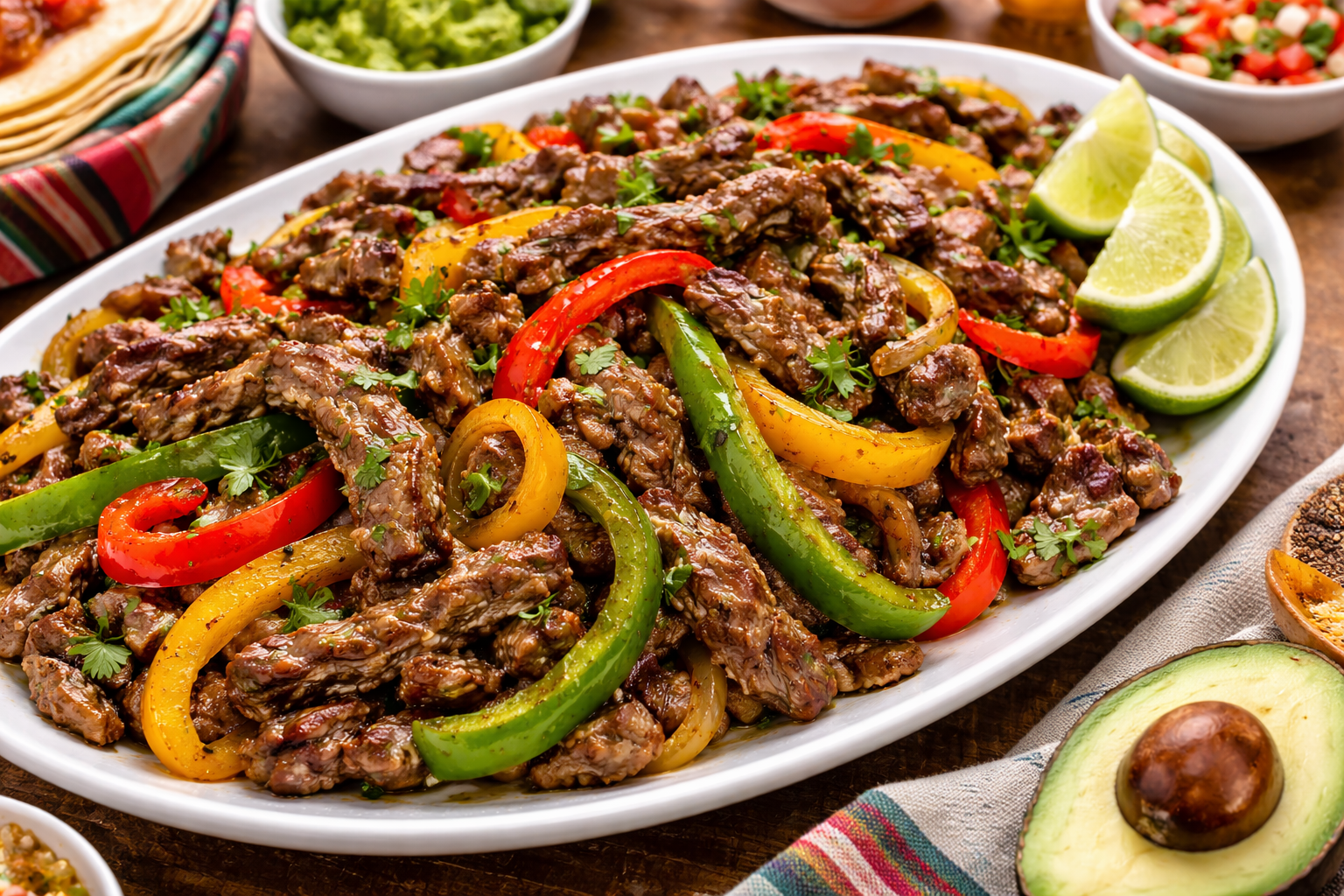
Shaved Beef Recipes We’ve all been there: staring at a tray of beautiful, paper-thin shaved beef in the butcher’s case, lured in by its promise of quick cooking and versatility. Then you get it home, toss it in a pan, and—within seconds—you’re left with a grey, tangled, watery mess that’s somehow both overcooked and flavorless.
The struggle with shaved beef usually boils down to moisture management and heat. Because the surface area is so vast relative to the thickness, it loses its juices the moment it hits a lukewarm pan. Instead of searing, it steams.
But when handled correctly, shaved beef is the ultimate “weeknight warrior” protein. It’s the secret to 15-minute Philly cheesesteaks, restaurant-quality Mongolian beef, and the kind of steak sandwiches that make people ask for your secret. Today, we’re going to master the Garlic-Butter Bistro Shaved Beef, a foundational recipe that teaches you the mechanics of the “Flash-Sear” method.
Why This Recipe Works
To get shaved beef right, you have to treat it more like a stir-fry and less like a traditional steak. Here is why this specific method yields superior results:
- Surface Area Maximization: By “fluffing” the beef before it hits the pan, we ensure that every ribbon of meat makes contact with the cooking surface, leading to instant Maillard reaction (browning) rather than grey clumping.
- The High-Smoke Point Start: We begin with a neutral oil at high heat to sear, finishing with butter only at the end. This gives you the crust of a high-heat sear without the bitter taste of burnt butter solids.
- The Acid Component: A splash of Worcestershire or soy sauce provides more than flavor; the sugars in these liquids caramelize instantly on the thin meat, creating a faux-aged crust in seconds.
- Carryover Cooking Management: Shaved beef cooks in under three minutes. This recipe accounts for the heat the meat retains once it leaves the pan, ensuring it stays tender rather than turning into leather.
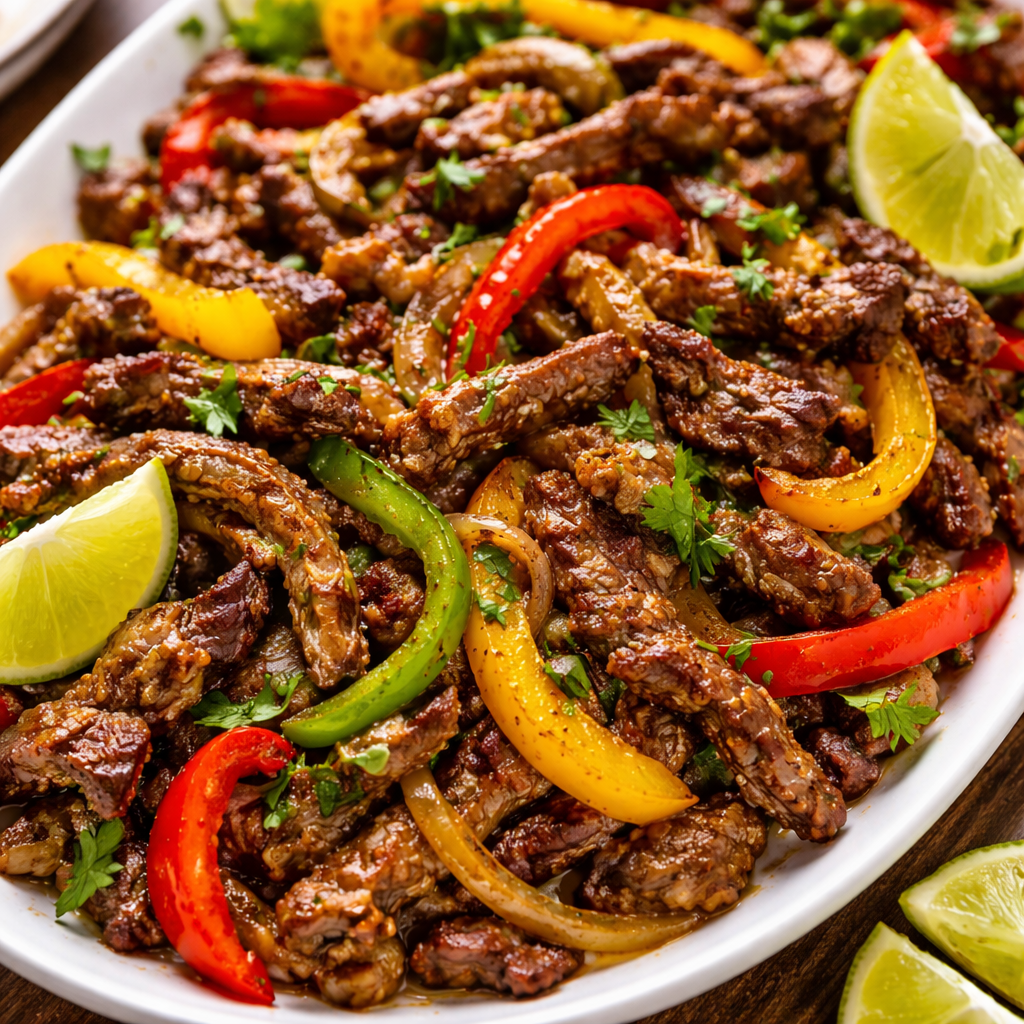
Ingredients & Measurements
Yields: 4 Servings | Prep time: 10 mins | Cook time: 5 mins
The Meat
- 1.5 lbs Shaved Beef: Look for Ribeye or Top Sirloin. If buying pre-packaged, ensure it isn’t “ground” but actually sliced.
- 1 tsp Kosher Salt: The coarse grains help create friction during the “fluffing” process.
- ½ tsp Coarse Black Pepper: Freshly cracked is non-negotiable here.
The Aromatics & Fats
- 2 tbsp Neutral Oil: Grapeseed, avocado, or canola. You need a high smoke point.
- 3 tbsp Unsalted Butter: Cold, cut into small cubes.
- 4 cloves Garlic: Smashed and finely minced.
- 1 medium Shallot: Thinly sliced into rings (shallots provide a delicate sweetness that won’t overpower the beef).
The “Glaze”
- 1 tbsp Worcestershire Sauce: For deep umami and acidity.
- 1 tsp Fresh Thyme: Stripped from the woody stems.
Step-by-Step Cooking Guide
1. The “Fluff” and Prep
Remove the beef from the refrigerator 15 minutes before cooking. Do not cook it ice-cold. Take the meat out of the packaging and place it on a clean cutting board. Using your fingers, gently pull the ribbons apart. You want a loose pile of beef, not a dense brick. Sprinkle the salt and pepper evenly over the pile.
2. Get the Pan Screaming Hot
Place a large cast-iron skillet or heavy stainless steel pan over high heat. Add the neutral oil. You are looking for the “shimmer”—the oil should move like water across the pan. When you see the first tiny wisp of smoke, you are ready.
3. The Two-Batch Rule
Do not crowd the pan. If you put 1.5 lbs of shaved beef in at once, the temperature will plummet, the meat will release its liquid, and you will be boiling your steak.
Add half the beef. Spread it out quickly with tongs. Let it sit undisturbed for 60 seconds. You want to see dark brown edges peeking up.
4. The Flip and Aromatics
Flip the beef. It doesn’t have to be perfect—just get the un-seared side down. Add half of your shallots. Toss for another 30–45 seconds. The meat should still have a hint of pink in the center. Remove this batch to a warm plate and repeat with the second half of the meat and shallots.
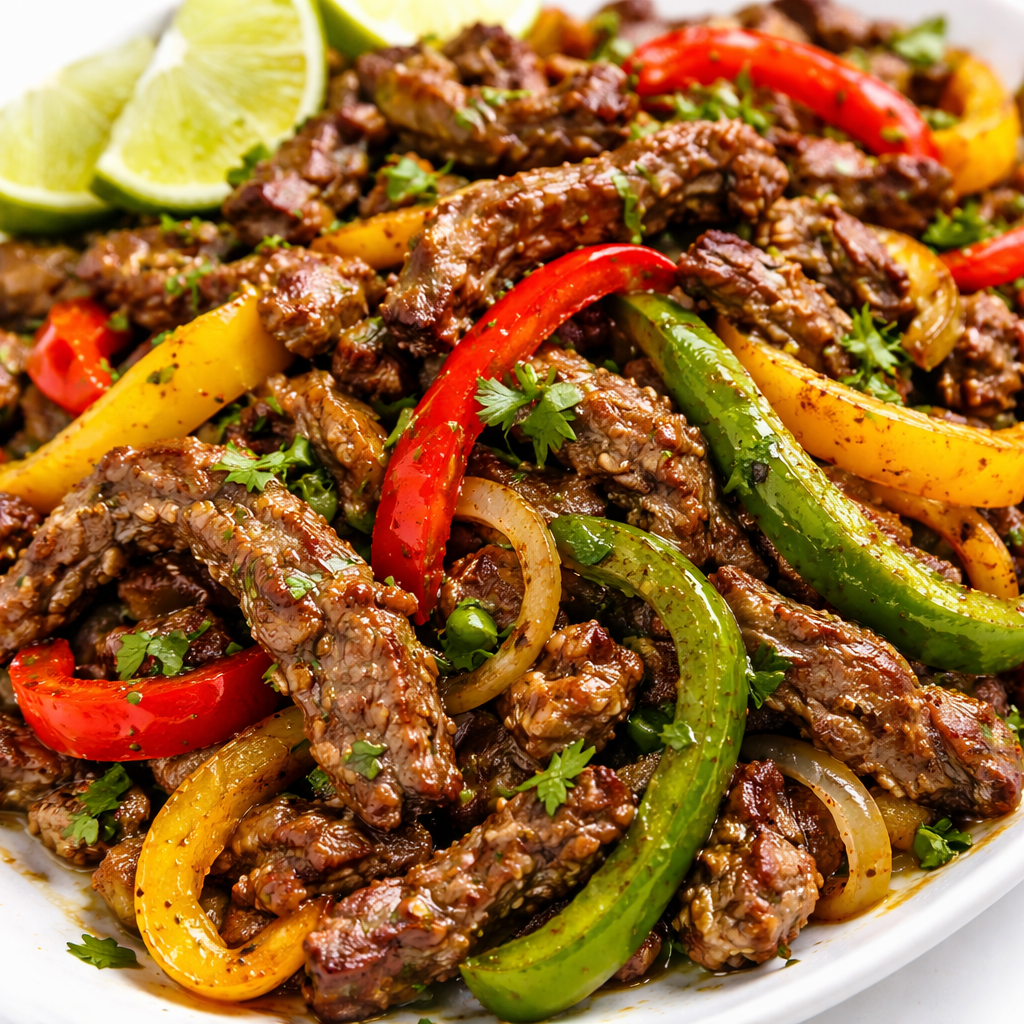
5. The Butter-Baste Finish
Once all the meat is cooked and removed, turn the heat down to medium. Add the butter cubes to the empty pan. As the butter foams, add the minced garlic and thyme. Swirl for 30 seconds until the garlic is fragrant and the butter begins to turn a light nut-brown.
6. The Reunion
Kill the heat entirely. Add all the beef back into the pan along with the Worcestershire sauce. Toss everything together so the garlic butter coats every ribbon of meat. The residual heat of the pan will finish the cooking process perfectly.
Common Mistakes to Avoid
- Washing the Meat: Never rinse beef. Moisture is the enemy of the sear. If the meat seems particularly “wet” out of the package, pat it gently with a paper towel.
- The “Grey Ghost”: This happens when the pan isn’t hot enough or you’ve put too much meat in. If you see liquid pooling in the pan, remove the meat immediately, drain the liquid, wipe the pan, get it hot again, and finish in smaller batches.
- Over-stirring: It’s tempting to move the meat constantly. Resist. Shaved beef needs “contact time” to develop flavor. If you’re constantly tossing it, the heat never has a chance to build up that crust.
- Using Garlic Too Early: Because the pan is so hot for the sear, adding garlic at the start will turn it into bitter, black charcoal. Always add aromatics toward the end or in the butter-basting phase.
Timing & Doneness Indicators
Since you can’t exactly stick a meat thermometer into a ribbon of beef that is 1/16th of an inch thick, you have to rely on visual and tactile cues:
- Rare: The meat is still mostly red/pink and very limp. It will feel soft when pressed with tongs. (Total cook time: ~45 seconds).
- Medium-Rare to Medium: This is the “sweet spot.” The meat has deep brown charred edges but retains a rosy hue in the folds. It should feel springy. (Total cook time: ~90 seconds).
- Well Done: The meat is uniform brown and starts to curl and shrink significantly. It will feel stiff or “snappy.” Avoid this if possible, as the high fat content in shaved ribeye can become greasy and the lean muscle becomes tough.
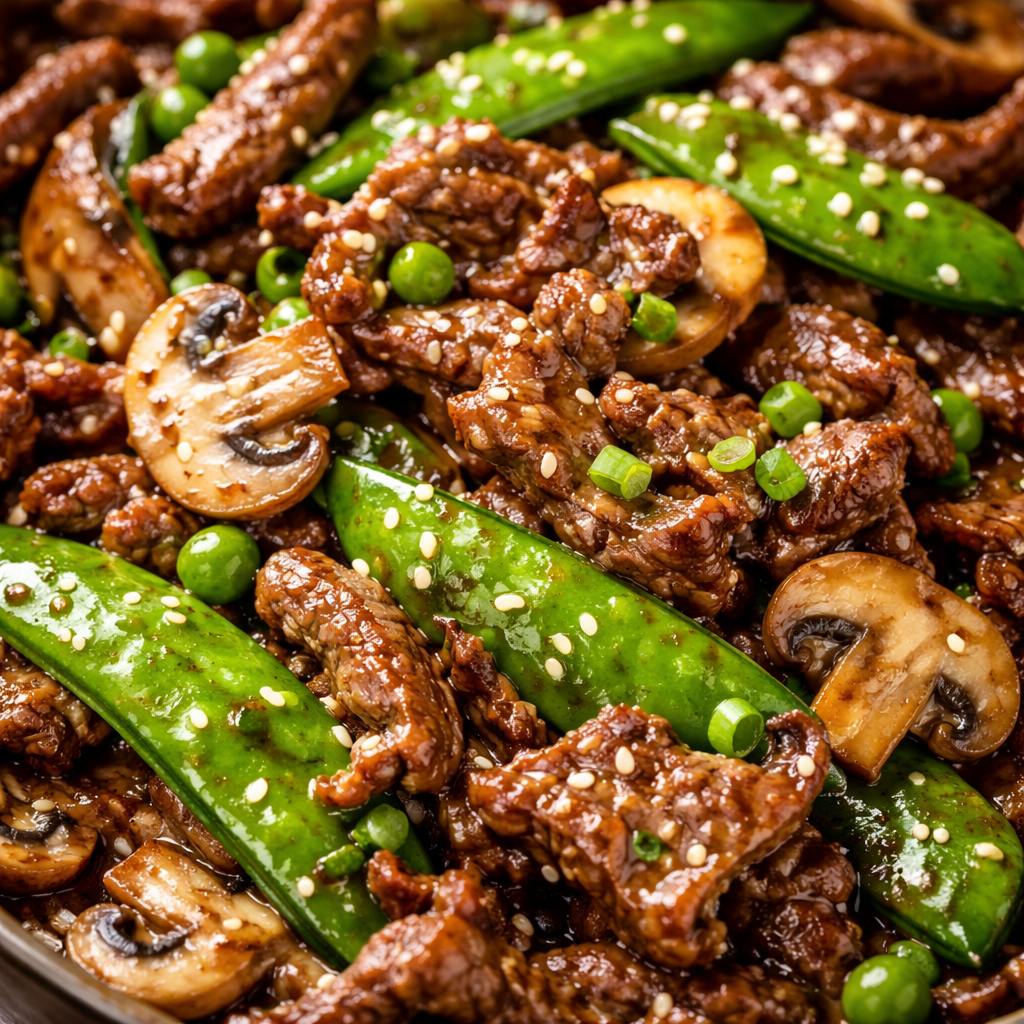
Serving Suggestions
The beauty of this bistro-style shaved beef is its adaptability. Here are three ways to serve it:
- The Modern Steak Frites: Pile the beef over a bed of crispy, salted shoestring fries. Drizzle any remaining garlic butter from the pan over the top and garnish with fresh parsley.
- The Artisan Melt: Toast a high-quality ciabatta roll. Swipe with a bit of horseradish aioli, add the beef, and top with a slice of sharp provolone. Melt under the broiler for 30 seconds.
- The Low-Carb Bowl: Serve the beef over a bed of sautéed spinach and mushrooms. The garlic butter acts as a built-in dressing for the greens.
FAQ
Q: Can I use frozen shaved beef? A: Yes, but with a caveat. Frozen shaved beef (like the kind found in the freezer aisle for Philly cheesesteaks) often has a higher water content. Thaw it completely in the fridge and pat it extremely dry before cooking.
Q: My meat is tough and chewy. What happened? A: This is usually a result of buying the wrong cut. If the package just says “Sandwich Steaks,” it might be shaved round or eye of round, which are very lean. For tender results, look for “Shaved Ribeye” or “Shaved Sirloin.” If you’re stuck with a lean cut, try marinating it for 30 minutes in a teaspoon of baking soda mixed with a tablespoon of water (a technique called “velveting”) to tenderize the fibers.
Q: Why does my beef look grey instead of brown? A: Your pan wasn’t hot enough or was overcrowded. The steam escaping the meat had nowhere to go, so it “boiled” the beef. Next time, use a larger pan and wait until the oil is shimmering-hot.