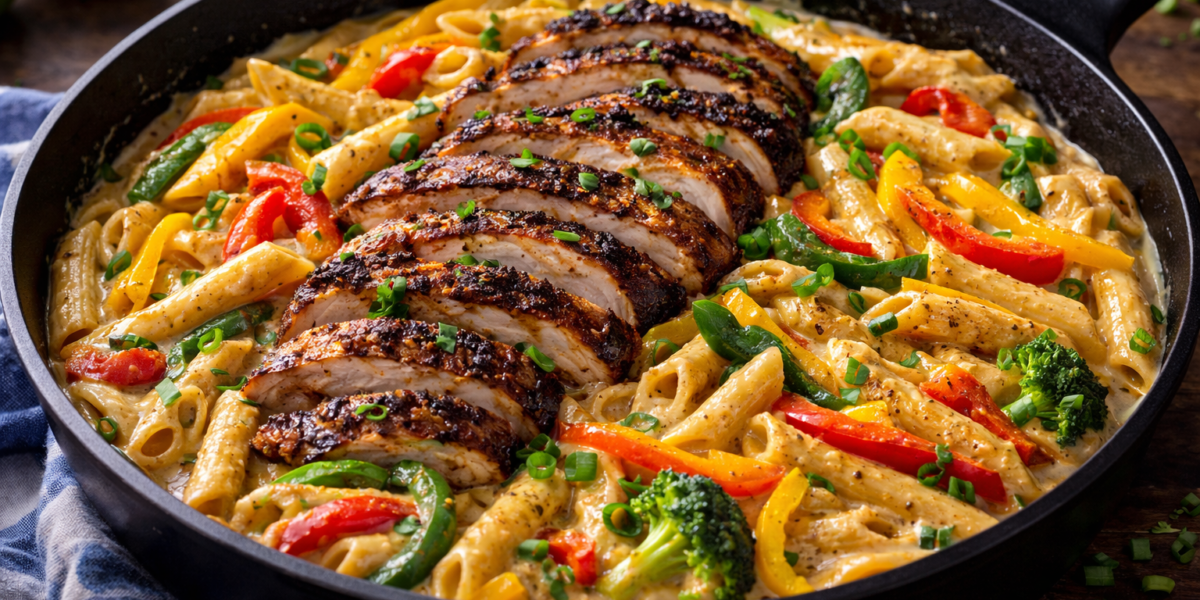
Rasta Pasta Recipe The first encounter with Rasta Pasta is often a sensory revelation. Emerging from the vibrant culinary intersections of the Caribbean, this dish represents a sophisticated dialogue between Italian pasta traditions and the assertive, aromatic heat of Jamaican spice profiles. It is not merely a “jerk alfredo”; it is a complex emulsion where the creaminess of a dairy or coconut base acts as a canvas for the piquant, citrusy, and deeply herbaceous notes of jerk seasoning.
To prepare it correctly is to understand the balance of volatile oils in spices and the precise management of cream reduction. When executed with professional rigor, the result is a dish that possesses an extraordinary depth of flavor—a harmony of heat, fat, and acidity that lingers on the palate long after the final bite.
Why This Method Works
Many home-style interpretations of Rasta Pasta suffer from two primary defects: a broken sauce that appears oily or a flavor profile that feels one-dimensional. This professional method prioritizes structural integrity and layering.
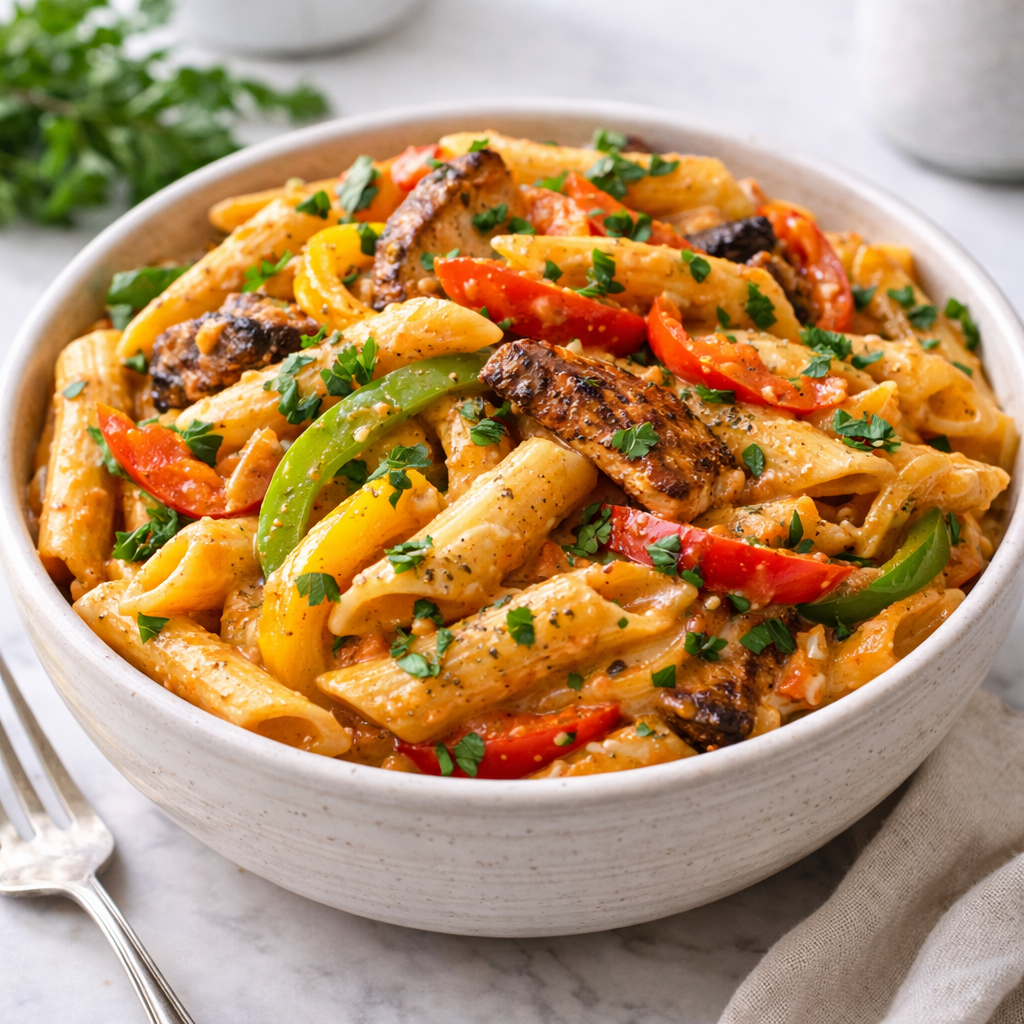
- The Emulsion Strategy: By incorporating the jerk seasoning into the aromatics during the sauté phase, we allow the fat-soluble compounds in the spices to “bloom.” This ensures the heat is distributed evenly throughout the sauce rather than sitting on top of the tongue.
- Starch Management: We utilize the mechanical properties of pasta water—liquid gold in the professional kitchen—to bind the heavy cream and Parmesan. This creates a cohesive coating that clings to the pasta without becoming heavy or clumping.
- Color Preservation: The quintessential aesthetic of Rasta Pasta relies on the vibrant red, gold, and green of bell peppers. By utilizing a specific flash-sear technique, we maintain the structural “crunch” and vivid hues of the vegetables, preventing the muted, overcooked appearance common in one-pot versions.
Ingredients: The Flavor Profile
The Base
- 1 lb (450g) Penne Rigate: The ridges (rigate) are essential for catching the viscous cream sauce.
- 2 cups Heavy Cream: For a traditional profile. For a vegan or strictly Caribbean interpretation, high-fat coconut milk (canned) provides a luxurious, nutty alternative.
- 1 cup Freshly Grated Parmesan: This provides the salty, umami backbone. Avoid pre-shredded varieties, as the cellulose anti-clumping agents will prevent a smooth melt.
The Aromatics & Produce
- 3 Bell Peppers (Red, Green, Yellow): Sliced into uniform julienne strips to ensure even cooking.
- 2 Large Shallots: Finely minced. Shallots provide a more delicate, sulfuric sweetness than standard onions.
- 4 Cloves Garlic: Thinly sliced rather than crushed to prevent bitterness during the sear.
- 3 Green Onions: Biased-cut, using both the white and green parts.
The Seasoning
- 2 tbsp Jerk Seasoning (Paste or Dry Rub): A high-quality blend containing pimento (allspice), scotch bonnet, nutmeg, and thyme.
- 1 tsp Smoked Paprika: To enhance the “charred” notes of the peppers.
- Kosher Salt and Fresh Cracked Black Pepper: To taste.
Step-by-Step Cooking Guide
1. The Pasta Foundation
Bring a large pot of heavily salted water to a rolling boil. Cook the penne until it is approximately 2 minutes shy of al dente. The pasta must finish its cooking process inside the sauce to absorb the flavor. Reserve 1 cup of pasta water before draining.
2. The Vegetable Flash-Sear
Heat 2 tablespoons of neutral oil (such as grapeseed) in a wide, heavy-bottomed skillet or braiser over medium-high heat. Add the bell peppers. The goal is a high-heat sear that blisters the skin slightly while leaving the interior crisp. Remove the peppers from the pan after 3 minutes and set aside. This preserves their “snap.”
3. The Aromatic Base
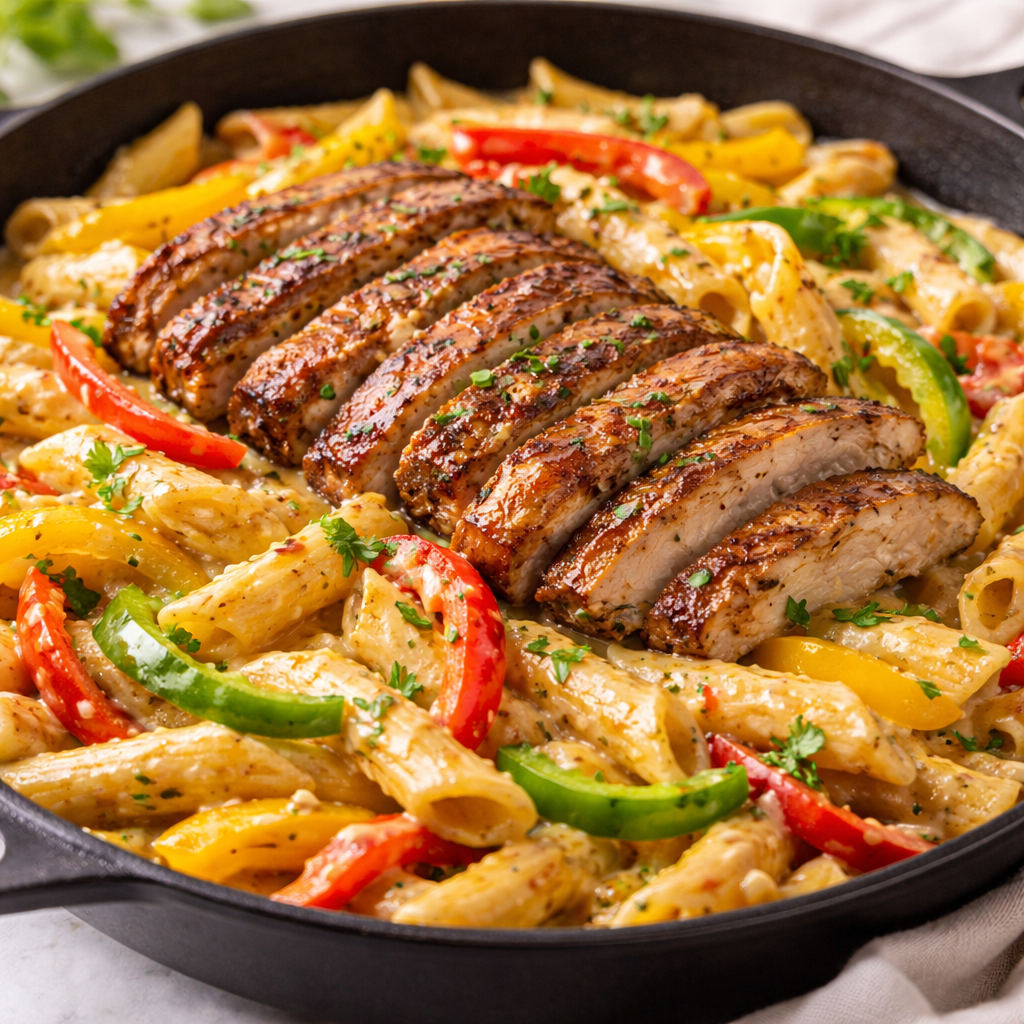
Reduce the heat to medium. Add a small knob of butter or oil and sauté the shallots and the white parts of the green onions. Once softened, add the garlic and the jerk seasoning. Stir constantly for 60 seconds. You will smell the spices becoming toasted and fragrant; this is the “bloom.”
4. The Cream Reduction
Pour in the heavy cream. Use a wooden spoon to scrape the bottom of the pan, incorporating all the toasted spices into the liquid. Bring to a gentle simmer. Allow the cream to reduce by about one-third until it is thick enough to coat the back of a spoon.
5. The Emulsion
Lower the heat to minimum. Gradually whisk in the Parmesan cheese in small handfuls, ensuring each batch is fully melted before adding the next. If the sauce appears too thick or begins to “break” (separate), whisk in a tablespoon of the reserved pasta water to re-emulsify the fats.
6. The Final Marriage
Add the undercooked pasta and the seared bell peppers back into the skillet. Toss continuously over low heat for 2 minutes. The pasta will drink up the excess moisture in the cream, and the starch will tighten the sauce into a velvet-like glaze. Fold in the green parts of the green onions at the very end.
Texture & Flavor Indicators
Success in a Rasta Pasta dish is measured by specific sensory benchmarks:
- Viscosity: The sauce should have a “nappe” consistency—thick enough to coat the pasta thoroughly without pooling at the bottom of the plate like a soup.
- The “Slow Burn”: The flavor should begin with the cooling richness of the cream and end with a distinctive, warm tingle on the back of the throat from the scotch bonnet and allspice.
- Vegetable Integrity: The bell peppers should be flexible but still offer a distinct “crunch” when bitten, providing a textural counterpoint to the soft pasta.
Common Errors to Avoid
1. The “Broken” Sauce
If the heat is too high when adding the cheese, the dairy solids will separate from the fats, resulting in a grainy texture and a pool of oil. Always reduce the heat before introducing the Parmesan.
2. Over-Seasoning Early
Jerk seasoning often contains a high salt content. If you salt the cream reduction too heavily at the start, it will become inedibly salty as it concentrates. Always perform your final salt adjustment only after the cheese and pasta have been integrated.
3. Using Cold Cream
Adding ice-cold cream to a hot pan of aromatics can cause the cream to scorch or curdle. Temper the cream by letting it sit at room temperature for 15 minutes prior to use, or pour it in very slowly.
Serving Ideas: Elevating the Presentation
While Rasta Pasta is a formidable vegetarian entrée, it serves as an excellent foundation for proteins.
- Grilled Jerk Shrimp: Skewer jumbo shrimp seasoned with a dry jerk rub and grill over high heat until charred. Place them atop the pasta to add a smoky, oceanic note.
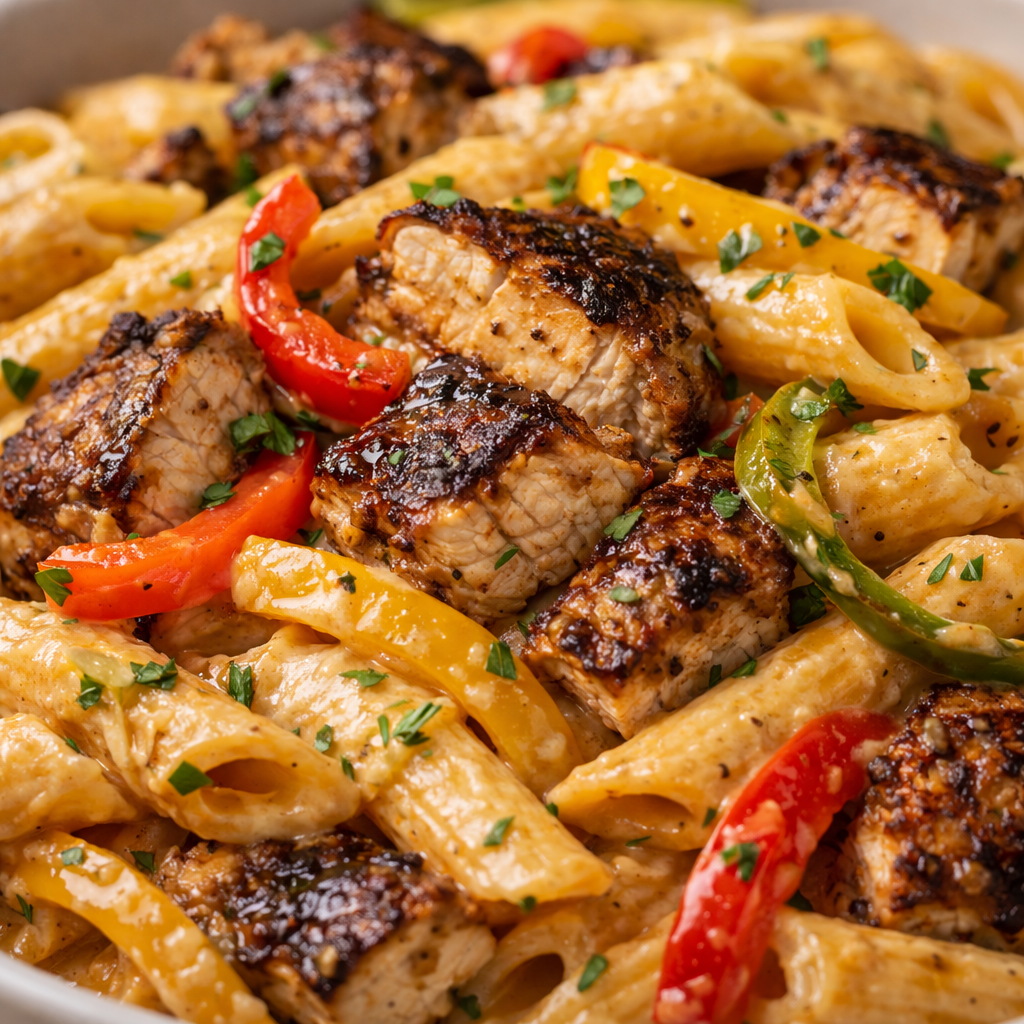
- Sliced Chicken Breast: For a classic approach, pan-sear a chicken breast marinated in jerk paste, slice it on the bias, and fan it over the center of the dish.
- The Fresh Finish: A final micro-planed dusting of lime zest over the plated pasta can cut through the heavy fats of the cream and highlight the citrus notes within the jerk spice.
FAQ
Q: Can I make this dish ahead of time for a dinner party? A: Cream-based pastas are notoriously difficult to reheat as the sauce is absorbed by the starch over time. If you must prepare it in advance, undercook the pasta even further and store the sauce and pasta separately. Reheat the sauce with a splash of milk before combining.
Q: My jerk seasoning is a wet paste, not a powder. Does the measurement change? A: Pastes are generally more concentrated and contain more salt and oil than dry rubs. Start with 1 tablespoon of paste, taste the sauce once the cream has simmered, and adjust upward according to your heat tolerance.
Q: Is there a substitute for Scotch Bonnet heat? A: If you find the heat too intense, look for a “mild” jerk blend, which usually emphasizes the pimento and nutmeg while reducing the pepper count. Alternatively, you can add a teaspoon of honey to the sauce to bridge the gap between the heat and the cream.
Q: What type of Parmesan is best? A: Parmigiano-Reggiano is the gold standard for its crystalline texture and nutty flavor. For a more budget-friendly but professional result, a high-quality domestic Grana Padano also works exceptionally well for emulsifying sauces.