In the vast, aromatic world of Southeast Asian cuisine, one ingredient stands above all others as the undisputed soul of the kitchen: fish sauce. Known as nuoc mam in Vietnam or nam pla in Thailand, this liquid gold is a powerhouse of umami that transforms ordinary ingredients into extraordinary meals. However, for many home cooks, the idea of a Fish Sauce Recipe conjures up images of complex, multi-year fermentation vats.
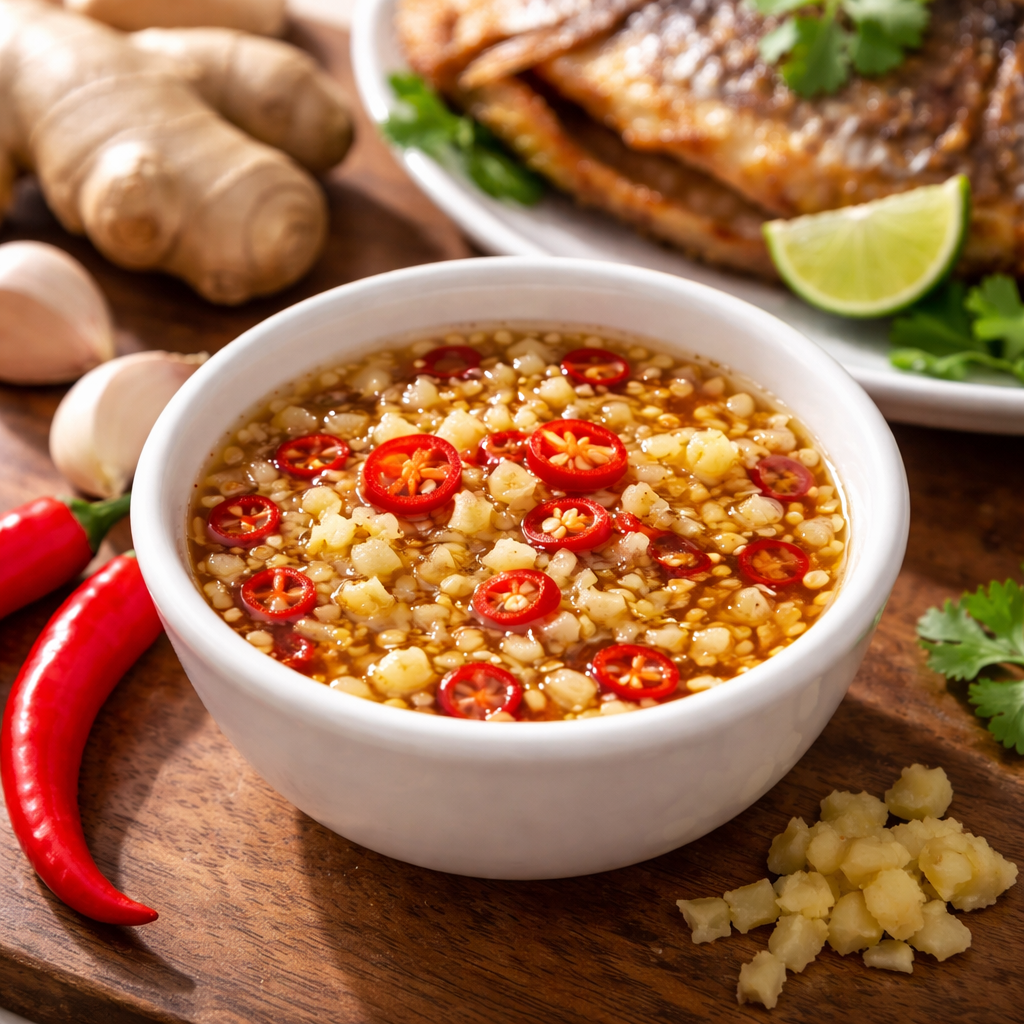
Today, we are going to explore the world of this pungent, savory staple from two perspectives: how to craft a “quick” kitchen-version of a seasoned dipping sauce (the kind that makes spring rolls sing) and how the traditional fermentation process works. Whether you are looking to brighten up a stir-fry or create the perfect Nuoc Cham for your dinner party, mastering the balance of this ancient condiment is a vital skill for any adventurous cook.
Authentic fish sauce is more than just a seasoning; it is an experience. It hits the palate with an initial punch of salt, followed by a deep, earthy funk, and finishes with a surprising, subtle sweetness. It is the secret behind that “missing something” in your favorite takeout dishes. Let’s dive into how you can bring this professional-grade flavor into your own home.
Why You’ll Love This Recipe
The beauty of a homemade Fish Sauce Recipe—specifically a seasoned dipping variety—is the absolute control you have over the flavor profile. Store-bought versions can often be one-note, leaning too heavily on salt or sugar. When you make it yourself, you can dial in the exact level of heat, acidity, and funk that suits your palate.
You will also love the versatility of this sauce. While it obviously pairs beautifully with Asian dishes, a well-balanced fish sauce is a “secret weapon” in Western cooking as well. A splash in a Bolognese sauce or a beef stew adds a layer of complexity that salt alone cannot achieve. It acts as a flavor enhancer, amplifying the savoriness of meats and vegetables alike.+1
Furthermore, this recipe is incredibly fast to assemble. If you are making a seasoned dipping sauce, it takes less than ten minutes to whisk together. It’s a low-effort, high-impact addition to your culinary repertoire that will make your guests wonder if you’ve been taking secret cooking classes.
What You Need to Get Started
To create a balanced, seasoned Fish Sauce Recipe (specifically the classic Vietnamese-style dipping sauce), you need to gather high-quality ingredients that represent the four pillars of flavor: salty, sweet, sour, and spicy.
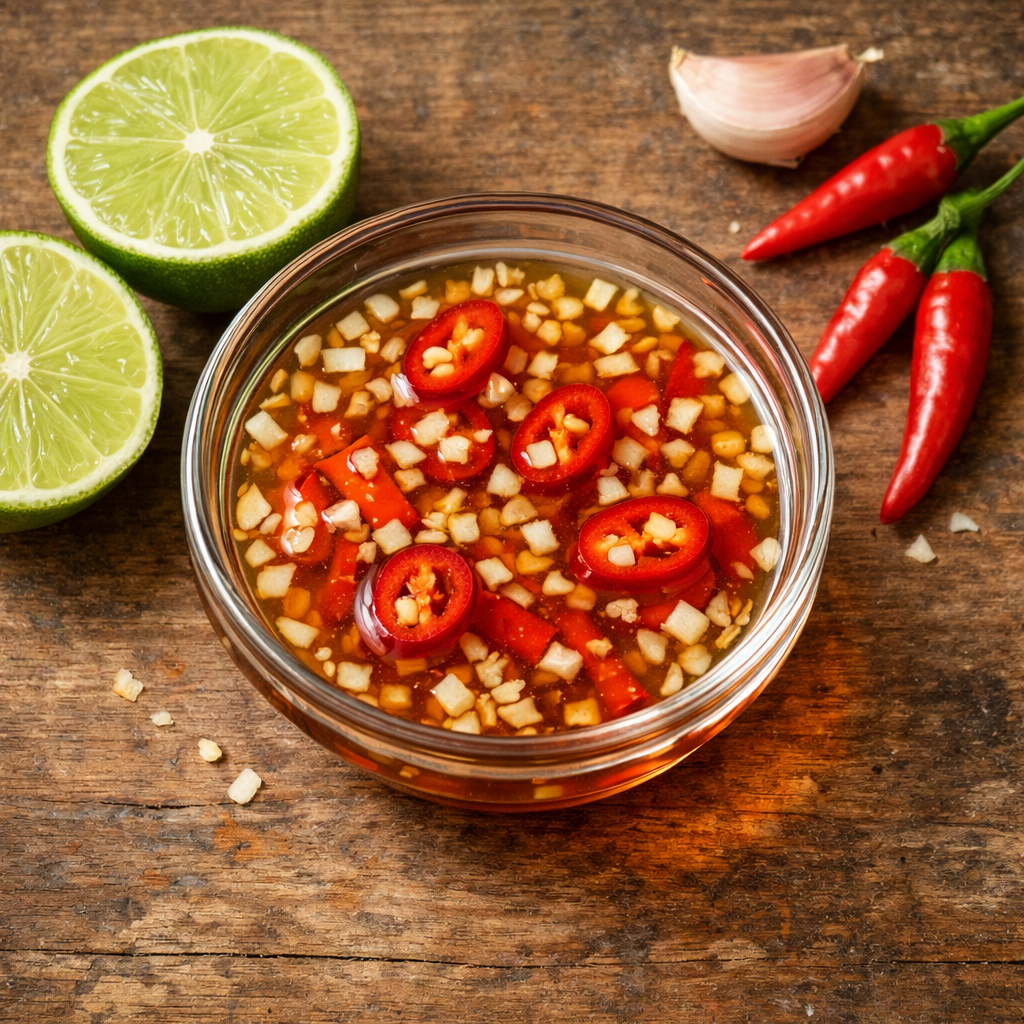
- The Base: A high-quality bottled fish sauce. Look for “First Press” or “Extra Virgin” labels (like Red Boat or Three Crabs). These are made from just anchovies and salt, without added water or preservatives.
- The Sweetener: Granulated sugar or palm sugar. Palm sugar adds a lovely, smoky depth, but regular white sugar works perfectly for a clean finish.
- The Acid: Fresh lime juice is non-negotiable. Avoid the bottled stuff; the bright, citrusy oils from fresh limes are essential to balance the fermented funk of the sauce.
- The Liquid: Warm filtered water. This dilutes the intensity of the sauce so you can use it as a dip without being overwhelmed by salt.
- The Aromatics: Fresh garlic cloves and Thai bird’s eye chilies. If you prefer less heat, you can use serrano peppers or remove the seeds from the chilies.
- The Bonus (Optional): A splash of rice vinegar can add a different dimension of acidity that lingers longer than lime juice.
How to Prepare the Ingredients
Success with any Fish Sauce Recipe depends on how you handle the aromatics. Because this sauce is often served raw, the texture of the garlic and chili matters immensely.
Start by finely mincing the garlic. Some chefs prefer to use a mortar and pestle to pound the garlic and sugar into a paste. This releases the oils and creates a more “cloudy” but intensely flavorful sauce. If you prefer a clearer sauce with floating bits, simply mince the garlic as finely as possible with a sharp knife.
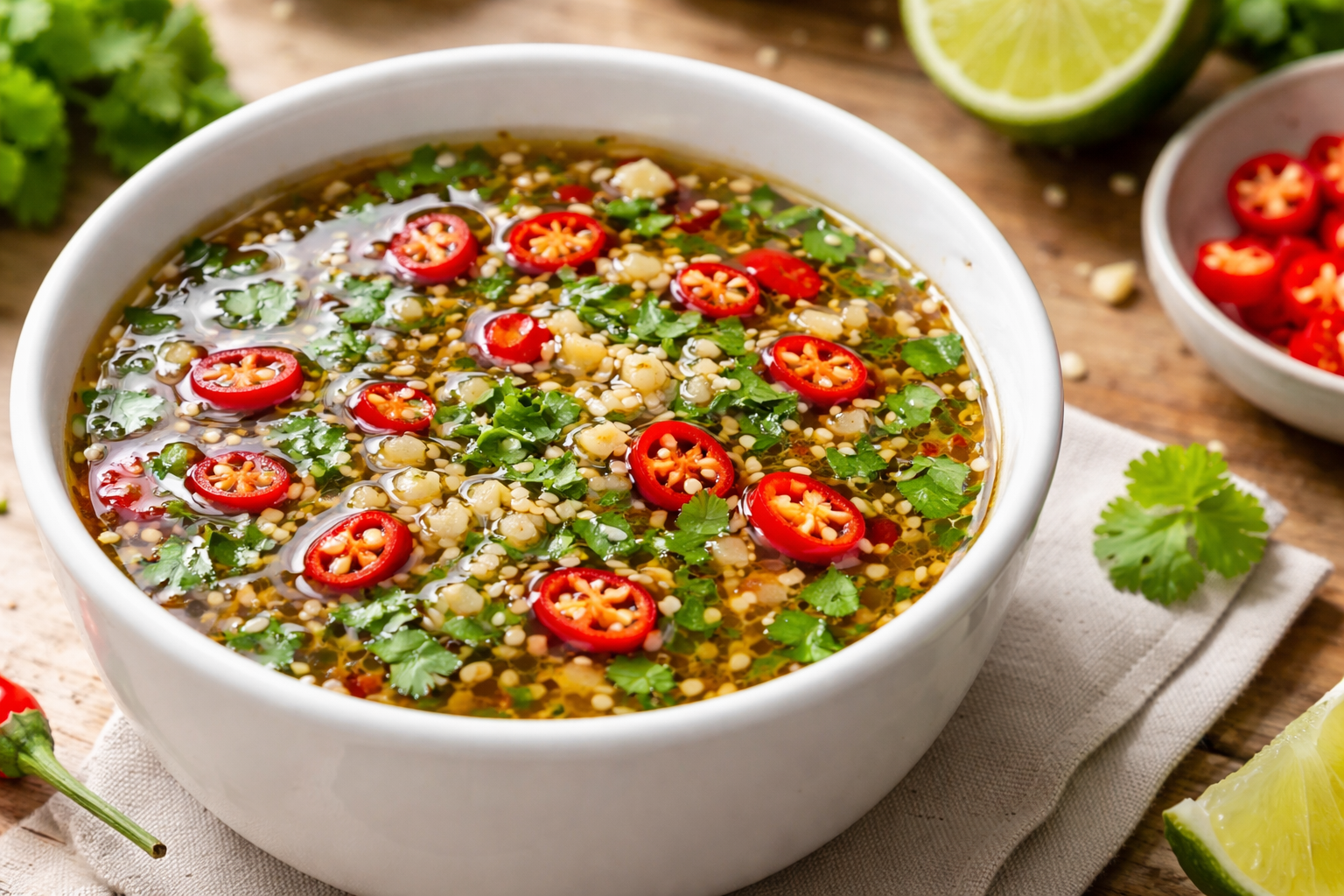
For the chilies, slice them into thin rounds. If you are sensitive to heat, handle them with gloves or wash your hands immediately after. Pro tip: To make the garlic and chili float beautifully on top of the sauce, mix the sugar, water, and lime juice first until the sugar is fully dissolved, then add the aromatics last.
Finally, ensure your water is warm, not boiling. Warm water helps dissolve the sugar quickly without cooking the fresh lime juice, which can turn bitter if it gets too hot.
Step-by-Step Cooking Instructions
Follow these steps to create a perfectly balanced Nuoc Cham style seasoned Fish Sauce Recipe.
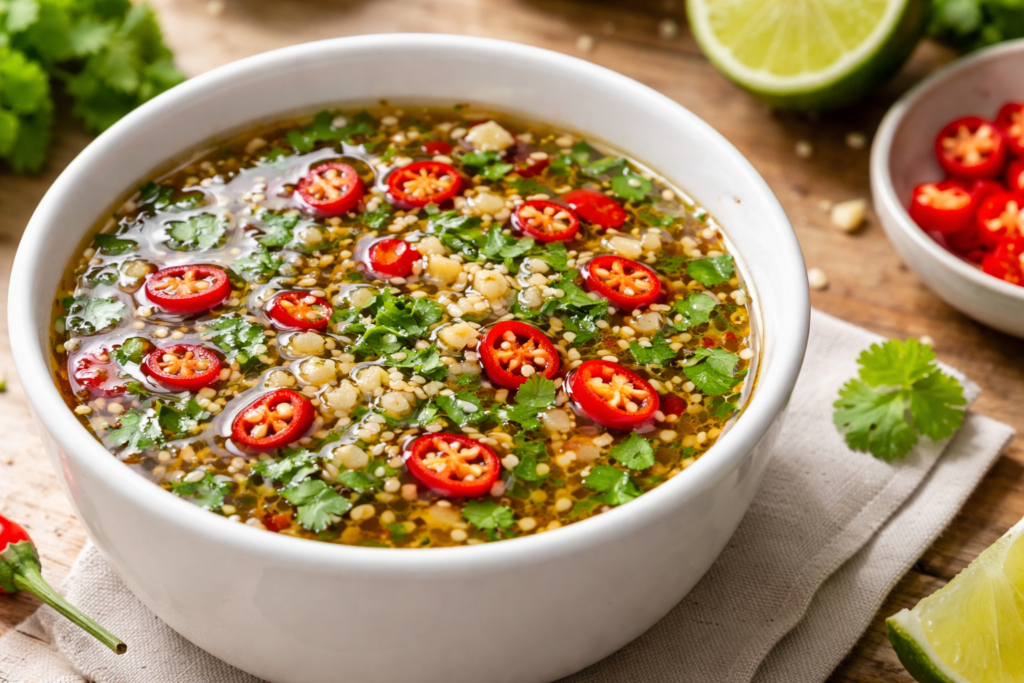
- The Sweet Foundation: In a medium bowl, combine 1/2 cup of warm water and 1/4 cup of sugar. Whisk vigorously until you can no longer see any sugar crystals at the bottom of the bowl.
- The Salty Core: Add 1/4 cup of high-quality fish sauce to the sugar water. The mixture should turn a light amber color.
- The Sour Balance: Stir in 3 tablespoons of fresh lime juice. Taste the mixture. At this point, it should be a pleasant balance of sweet, salty, and tart.
- The Aromatics: Stir in 2 cloves of minced garlic and 1 to 2 sliced Thai chilies.
- The Mellowing Period: Let the sauce sit at room temperature for at least 15 minutes. This allows the garlic and chili to infuse the liquid, creating a cohesive flavor profile.
- The Final Adjustment: Give it one last taste. Does it need more lime? Another teaspoon of sugar? This is the “chef’s moment” where you tailor the sauce to your specific meal.
Best Time to Serve This Dish
The best time to serve this Fish Sauce Recipe is whenever you are looking to add a “bright” element to a meal. It is the classic accompaniment to Vietnamese Pho, Spring Rolls, or Bun Cha (Grilled Pork over Vermicelli). However, don’t limit yourself to traditional pairings. This sauce is an incredible dressing for a summer crunch salad or a marinade for grilled chicken wings. Because of its high acidity and salt content, it excels as a palate cleanser for rich, fatty meats.
It is also a fantastic addition to a Seafood Boil. Drizzling a seasoned fish sauce over steamed crabs or shrimp brings out the natural sweetness of the shellfish in a way that butter alone cannot.
Flavor Tips for Better Results
To truly master your Fish Sauce Recipe, keep these professional tips in mind:
- The Water Quality: Use filtered water if possible. Chlorine or mineral-heavy tap water can sometimes clash with the delicate fermented notes of the fish.
- The Sugar Melt: Ensure the sugar is completely dissolved. If you have grainy sugar in your dip, it will throw off the balance of every bite.
- The Aging Process: While this sauce is great after 15 minutes, it is even better after two hours. The garlic loses its “bite” and becomes part of the sweet-savory landscape of the liquid.
- The “Funk” Factor: If you find the smell of pure fish sauce too intense, don’t worry. Once it is diluted with water and lime juice, the aroma mellows significantly, leaving behind only the savory goodness.
Optional Add-Ins and Variations
The basic Fish Sauce Recipe is just the beginning. You can adapt it to suit a variety of different cuisines and preferences.
- The Ginger Twist: Add a tablespoon of finely grated ginger. This makes the sauce lean more toward a Japanese or Chinese flavor profile, perfect for dipping dumplings.
- The Carrot Garnish: Many Vietnamese restaurants add finely shredded carrots to the sauce. It doesn’t change the flavor much, but it adds a lovely crunch and a pop of orange color.
- The Vegan Version: You can create a “No-Fish” sauce by using a combination of soy sauce, pineapple juice, and seaweed (kombu) broth. It provides the same umami hit without the animal products.
- The Peanut Power: Stir in a tablespoon of creamy peanut butter and a dash of hoisin sauce for a thick, savory satay-style dip.
How to Store and Reheat Properly
One of the great things about a seasoned Fish Sauce Recipe is its shelf life. Because it contains high amounts of salt (the fish sauce) and acid (the lime juice), it is naturally preserved.
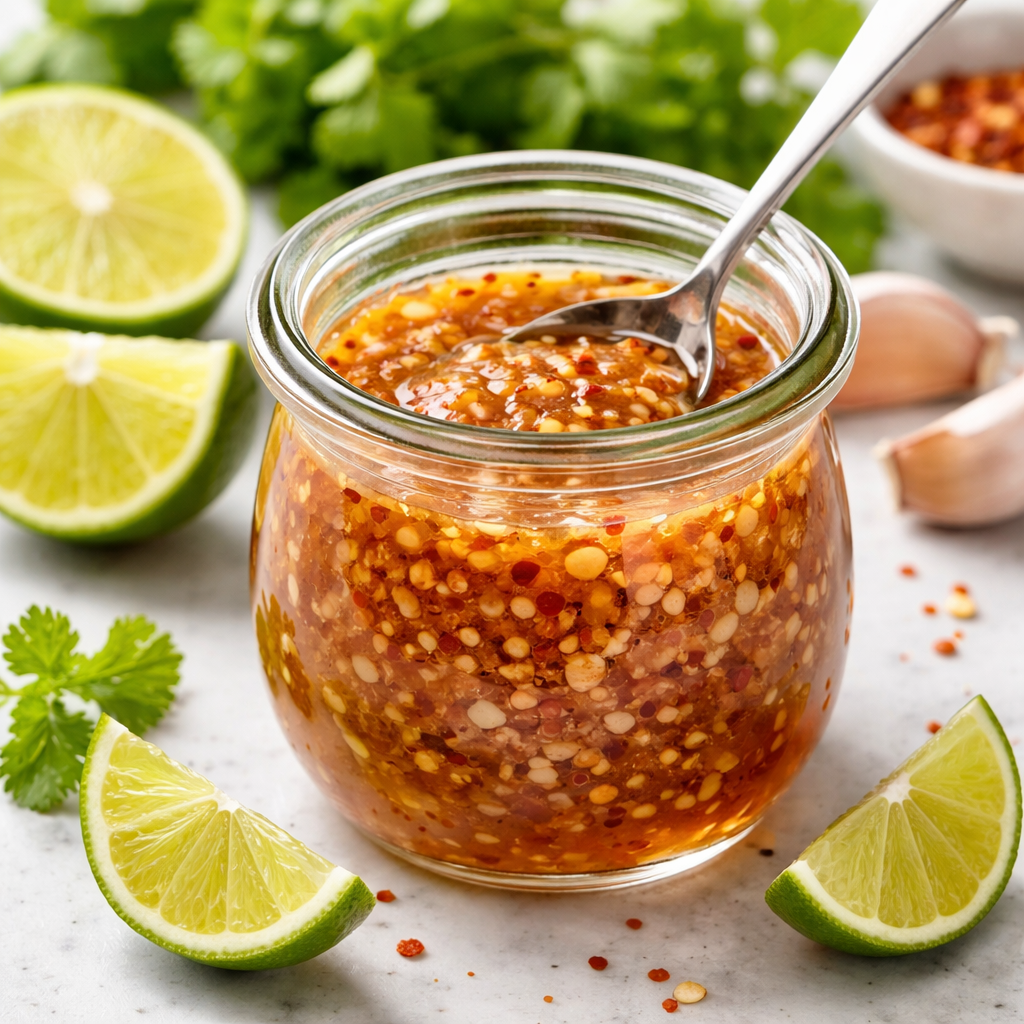
Storage: Store the sauce in a glass jar with a tight-fitting lid in the refrigerator. It will stay fresh and vibrant for up to two weeks. Note that the garlic will become more potent the longer it sits, so you may want to strain out the solids after a few days if you prefer a milder flavor.
Reheating: This sauce should never be reheated. It is meant to be served cold or at room temperature to preserve the brightness of the fresh lime juice. If it has been in the fridge, let it sit on the counter for 20 minutes before serving so the flavors can “wake up.”
Serving Ideas for a Beautiful Presentation
Presentation is what makes a simple condiment feel like a centerpiece.
- Individual Ramekins: Instead of one large communal bowl, serve the fish sauce in small, individual ceramic ramekins for each guest. This encourages dipping and prevents a mess.
- Floating Aromatics: As mentioned before, adding the garlic and chili last ensures they float on the surface, making the sauce look like a work of art.
- Citrus Garnish: Add a very thin wheel of lime to the top of the dipping bowl for a professional, “food-styled” look.
- The Drip: If you are serving a noodle bowl, drizzle the sauce in a circular motion over the noodles just before bringing the dish to the table. The amber liquid against white rice noodles is visually stunning.
Helpful Tips and Common Mistakes
To ensure your Fish Sauce Recipe is a success every time, watch out for these common pitfalls:
- Using Old Lime Juice: Bottled lime juice will ruin this recipe. It lacks the aromatic oils and “sparkle” of fresh citrus. Always squeeze your limes right before mixing.
- Overwhelming Heat: Thai chilies are small but mighty. Start with half a chili and taste before adding more. You can always add heat, but you can’t take it away!
- The Salt Trap: Not all brands of fish sauce are created equal. Some are much saltier than others. Always taste your base sauce first; if it’s exceptionally salty, you may need to add an extra tablespoon of water or sugar.
- Storing in Plastic: Fish sauce has a very strong aroma that can permanently stain or “scent” plastic containers. Always use glass for storage.