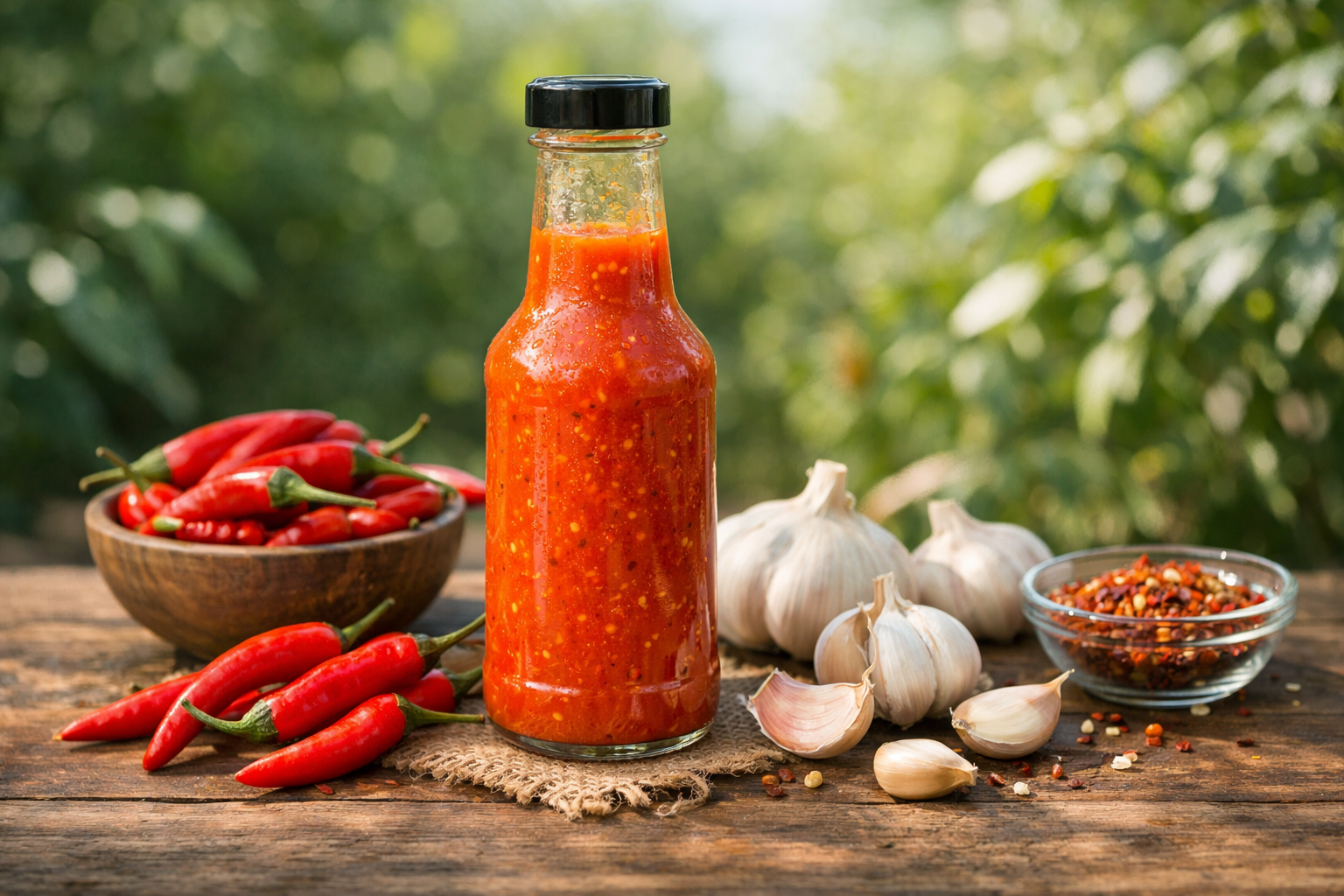
There is something incredibly satisfying about the slow, rhythmic bubble of a pot on the stove, especially when that pot is filled with vibrant, sun-ripened peppers. For any heat-seeker or culinary enthusiast, mastering a Hot Pepper Sauce Recipe is a rite of passage. It is the difference between a meal that is simply “fed” and a meal that is truly “experienced.”
While store-bought condiments are convenient, they often lean too heavily on salt and artificial preservatives. By making your own sauce, you become the master of your own heat profile, balancing the fiery kick of capsaicin with the bright acidity of vinegar and the deep, earthy undertones of garlic and onion. Whether you are looking to preserve a summer harvest or simply want to elevate your morning eggs, this guide will walk you through the art of the perfect artisan hot sauce.
Why You’ll Love This Recipe
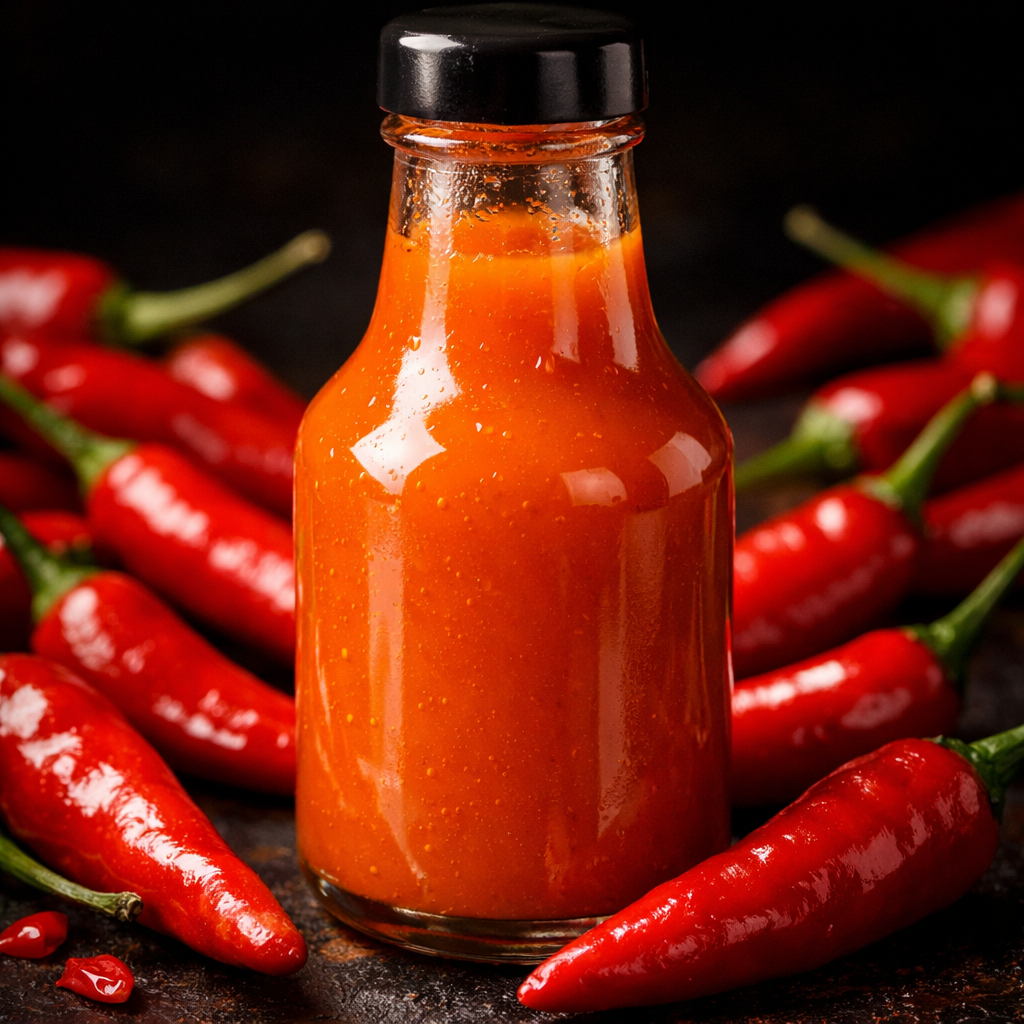
The primary reason you will fall in love with this Hot Pepper Sauce Recipe is its remarkable versatility. This isn’t just a “burn your tongue” liquid; it is a complex condiment designed to enhance flavor. Because we focus on the fermentation-style depth without the weeks of waiting, you get a sauce that tastes aged and sophisticated in a fraction of the time.
Furthermore, this recipe is a celebration of customization. Do you prefer a stinging, vinegar-forward North Carolina style? Or perhaps a thick, fruity Caribbean mash? This foundational method allows you to adjust the “volume” on every ingredient. It is also naturally vegan, gluten-free, and low in calories, making it a guilt-free way to add a massive punch of personality to almost any dish in your repertoire.
What You Need to Get Started
To create a professional-grade Hot Pepper Sauce Recipe, the quality of your peppers is the most important factor. Here is what you will need to gather:
- The Peppers: 1 lb of fresh hot peppers. For a classic heat, use Jalapeños or Fresnos. For a serious kick, reach for Habaneros or Scotch Bonnets. If you want a smoky profile, add a few dried Chipotle peppers.
- The Acid: 1.5 cups of high-quality vinegar. White distilled vinegar provides a sharp, clean bite, while Apple Cider Vinegar adds a subtle fruitiness.
- Aromatics: 1 small white onion and at least 4-6 cloves of fresh garlic.
- Sweetness & Salt: 1 tablespoon of Kosher salt and 1 teaspoon of honey or brown sugar to balance the acidity.
- Liquid Base: ½ cup of filtered water (this helps thin the sauce to the perfect consistency).
- Equipment: A high-speed blender, a stainless steel saucepan, and sterilized glass bottles or jars for storage. Pro tip: Wear gloves when handling the peppers!
How to Prepare the Ingredients
Preparation is the stage where you decide the “personality” of your sauce. Start by washing your peppers thoroughly. For this Hot Pepper Sauce Recipe, you must decide if you want to keep the seeds. The “ribs” and seeds carry the majority of the heat. If you want a milder sauce with pure pepper flavor, remove the seeds. If you want a fire-breather, keep them in.
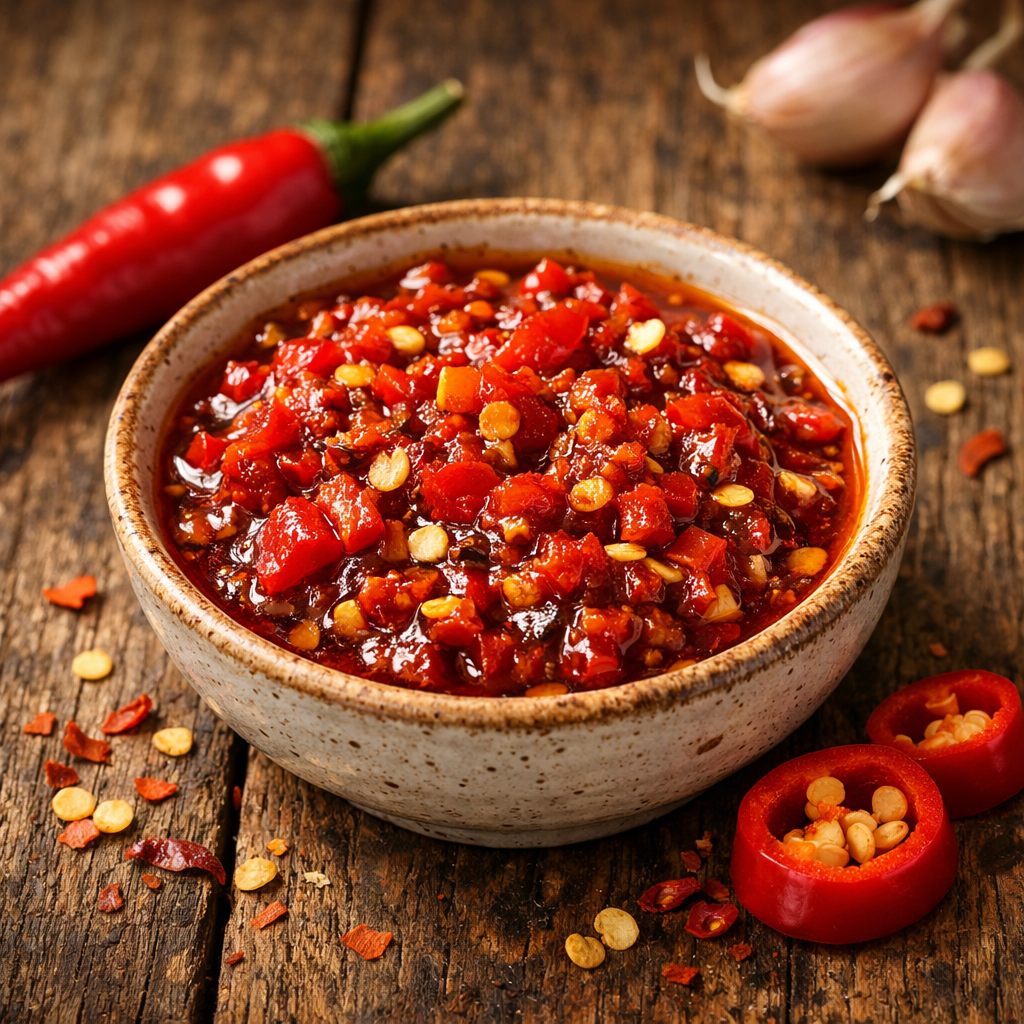
Roughly chop the onions and garlic. You don’t need to be precise here, as everything will eventually be pulverized in the blender. If you are using dried peppers (like arbol or chipotle), soak them in warm water for 15 minutes before starting to rehydrate them.
A safety warning: When working with high-Scoville peppers, ensure your kitchen is well-ventilated. Turn on the exhaust fan and open a window. The fumes from simmering peppers can be quite intense, essentially creating a mild “pepper spray” effect in a closed room.
Step-by-Step Cooking Instructions
- Sauté the Aromatics: In your saucepan, heat a tiny drop of oil over medium heat. Add the onions and garlic, cooking until they are translucent and fragrant. This removes the “raw” bite and adds a cooked sweetness to the base.
- Add the Peppers: Toss in your chopped peppers and cook for about 2-3 minutes. You want them to soften slightly and release their oils, but don’t let them brown or char unless you are going for a roasted flavor.
- The Simmer: Pour in the vinegar, water, salt, and sugar. Bring the mixture to a boil, then immediately reduce the heat to low. Let it simmer uncovered for 15–20 minutes. The peppers should be very soft, and the liquid should be infused with a vibrant color.
- The Blend: Let the mixture cool slightly (blending boiling liquids can be dangerous!). Pour everything into your blender. Start on low speed and gradually increase to high. Blend for at least 60-90 seconds until the sauce is completely smooth.
- The Strain (Optional): If you prefer a thin, Tabasco-style sauce, pour the mixture through a fine-mesh sieve to remove the pulp. If you like a thicker, sriracha-style consistency, keep it as is.
- The Final Seasoning: Taste the sauce (carefully!). If it’s too tart, add a pinch more sugar. If it’s flat, add another pinch of salt.
Best Time to Serve This Dish
The best time to enjoy your Hot Pepper Sauce Recipe is actually about 24 to 48 hours after you make it. While it is delicious straight from the blender, the flavors need time to “marry.” The vinegar needs to mellow, and the garlic needs to infuse into the pepper solids.
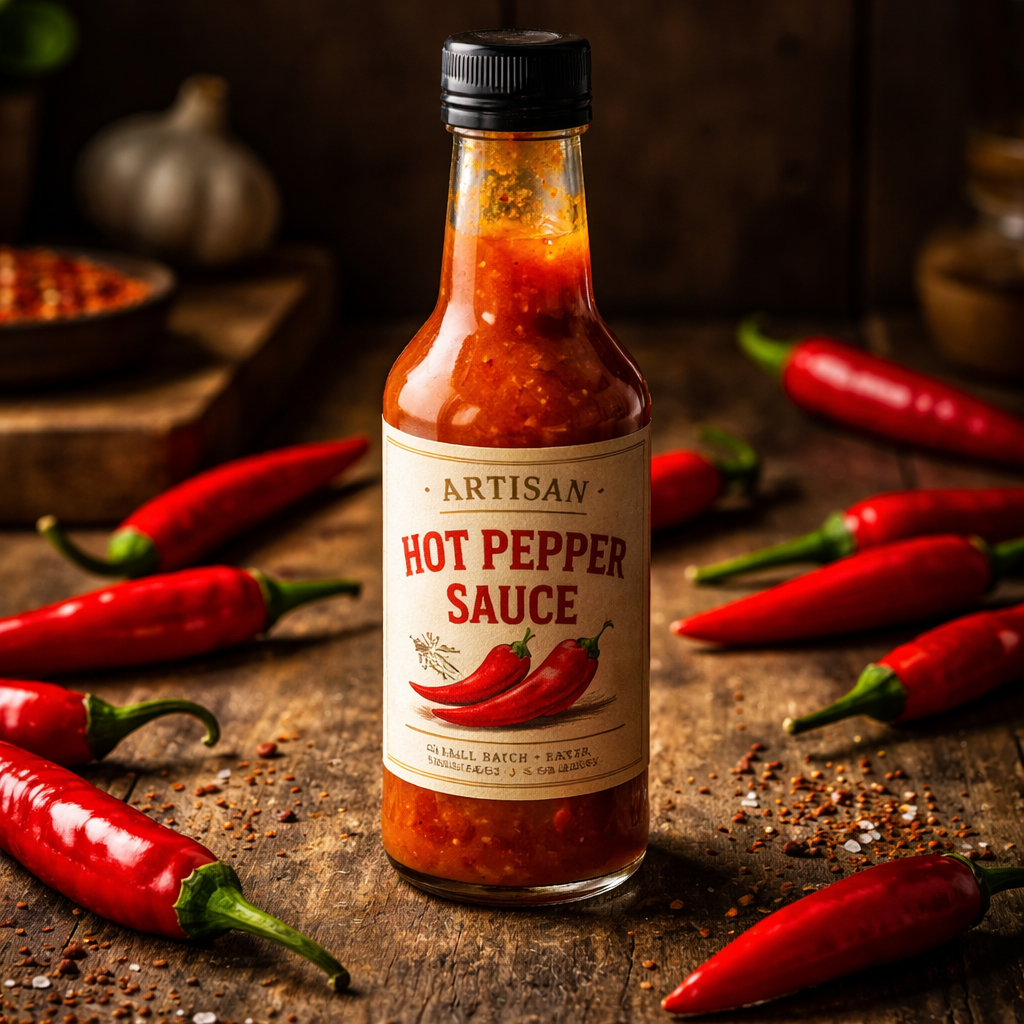
In terms of occasions, this sauce is the life of the party at any summer cookout. It is the perfect companion for grilled meats, tacos, and seafood. It also makes an incredible handmade gift. Bottling your own sauce in a beautiful glass jar with a custom label is a gesture that any food-loving friend will appreciate far more than a store-bought item.
Flavor Tips for Better Results
- Roast the Veggies: For a deeper, more complex flavor, roast the peppers, garlic, and onions under the broiler until charred before simmering them in vinegar. This adds a “fire-roasted” quality that is incredible.
- The Fruit Factor: Many world-class Hot Pepper Sauce Recipes include fruit. Try adding a half-cup of mango, pineapple, or even peaches to the simmer. The sweetness perfectly offsets the heat of Habanero peppers.
- Use High-Quality Salt: Avoid table salt with iodine, which can add a metallic taste. Kosher salt or sea salt provides a much cleaner flavor profile.
- Filter Your Water: If your tap water has a heavy chlorine scent, it can interfere with the delicate aromatics of the peppers. Use filtered or bottled water for the best result.
Optional Add-Ins and Variations
- The Smoky Sauce: Add 1-2 teaspoons of liquid smoke or a tablespoon of smoked paprika to the blender.
- The Herbaceous Kick: Fresh cilantro or lime zest added at the very end of the blending process provides a bright, Mexican-inspired finish.
- The Mustard Base: In the style of many Barbadian sauces, add two tablespoons of yellow mustard to the blender. This creates a tangy, savory, and thick yellow sauce.
- The Garlic Bomb: Double the amount of garlic and roast the cloves in their skins until soft and sweet before squeezing the paste into the blender.
How to Store and Reheat Properly
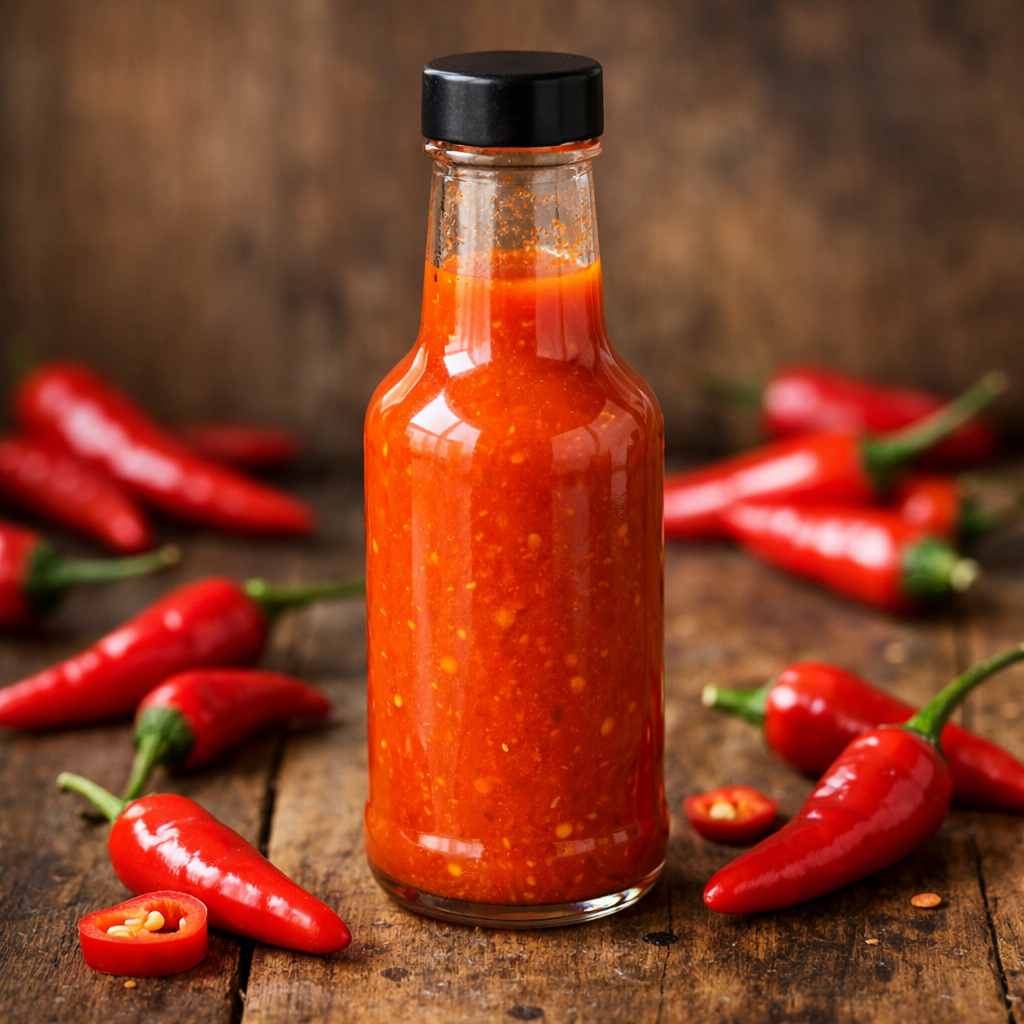
Because this Hot Pepper Sauce Recipe has a high vinegar and salt content, it is naturally shelf-stable for a short period, but for long-term safety and flavor retention, you should treat it with care.
Storage: Keep the sauce in sterilized glass bottles in the refrigerator. It will easily stay fresh and potent for up to 6 months. Over time, the sauce may separate; this is natural! Just give the bottle a vigorous shake before using.
Reheating: Generally, hot sauce is served cold or at room temperature. However, if you are incorporating it into a wing sauce, you can melt some butter in a pan and whisk in the hot sauce over low heat. Avoid boiling the finished sauce again, as this can dull the bright acidity of the vinegar.
Serving Ideas for a Beautiful Presentation
If you are serving this sauce as part of a meal, don’t just leave the bottle on the table. Pour a small amount into a vibrant ceramic ramekin with a tiny wooden spoon.
For a “Taco Night” spread, arrange your homemade sauce alongside fresh lime wedges, crumbled cotija cheese, and pickled radishes. The vibrant red or green color of the sauce serves as a beautiful visual focal point. If you have made several varieties (a mild green and a hot red), serve them in a flight of small glasses to encourage guests to do a “tasting.”
Helpful Tips and Common Mistakes
- Mistake: Not Sterilizing Bottles. If you plan on keeping the sauce for months, boil your glass bottles for 10 minutes before filling them to prevent any mold growth.
- Mistake: Too Much Vinegar. If the sauce tastes like pure vinegar, you can “fix” it by adding more sautéed onions or a bit of tomato paste to provide more body and sweetness.
- Tip: The “Venting” Rule. When blending warm liquids, always remove the small center cap from the blender lid and cover it with a folded kitchen towel. This allows steam to escape so the lid doesn’t blow off.
- Tip: Track the Heat. Not all peppers are created equal. One Jalapeño might be mild, while the next is a scorcher. Always taste a small piece of your pepper before cooking so you know what you’re working with.