There is something timeless about a golden, dense, yet velvety slice of cake sitting on a glass platter. While trends in the baking world come and go—from elaborate multi-layered confections to the latest viral pastry—the classic pound cake remains a staple in the hearts of home bakers everywhere. However, the one complaint often leveled against this traditional dessert is that it can sometimes be a bit dry or heavy.
That is exactly why I am so excited to share this Moist Pound Cake Recipe with you. This isn’t just a cake; it’s the result of perfecting the ratios of fat, sugar, and moisture to ensure a crumb that is tight and tender without ever feeling parched. Whether you’re serving it plain with a cup of coffee or dressing it up with summer berries and cream, this recipe provides a foolproof foundation for a dessert that feels like a warm hug from a loved one’s kitchen.
Why You’ll Love This Recipe
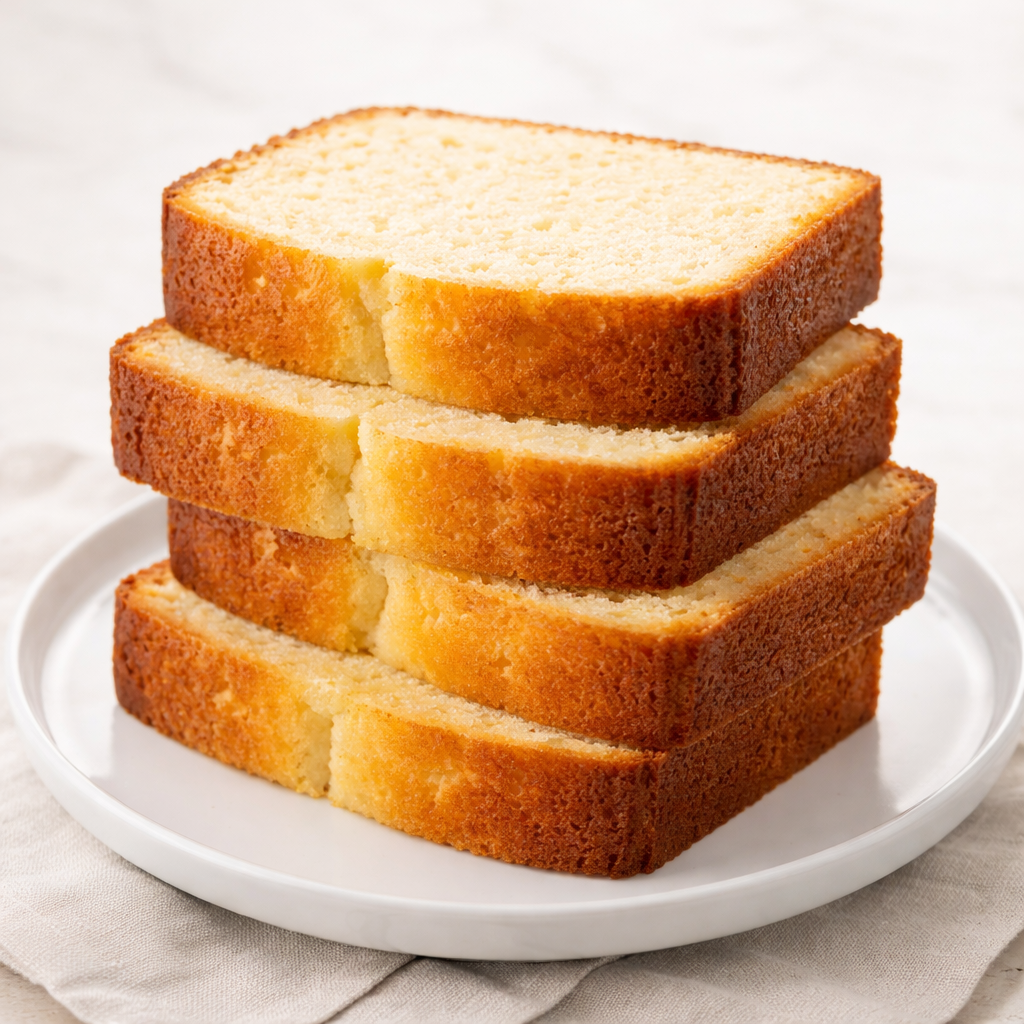
The primary reason you will return to this Moist Pound Cake Recipe again and again is its incredible reliability. In a world of finicky soufflés and temperamental macarons, this cake is a rock. It uses pantry staples you likely already have on hand, transforming humble ingredients like butter, sugar, and flour into something truly elegant.
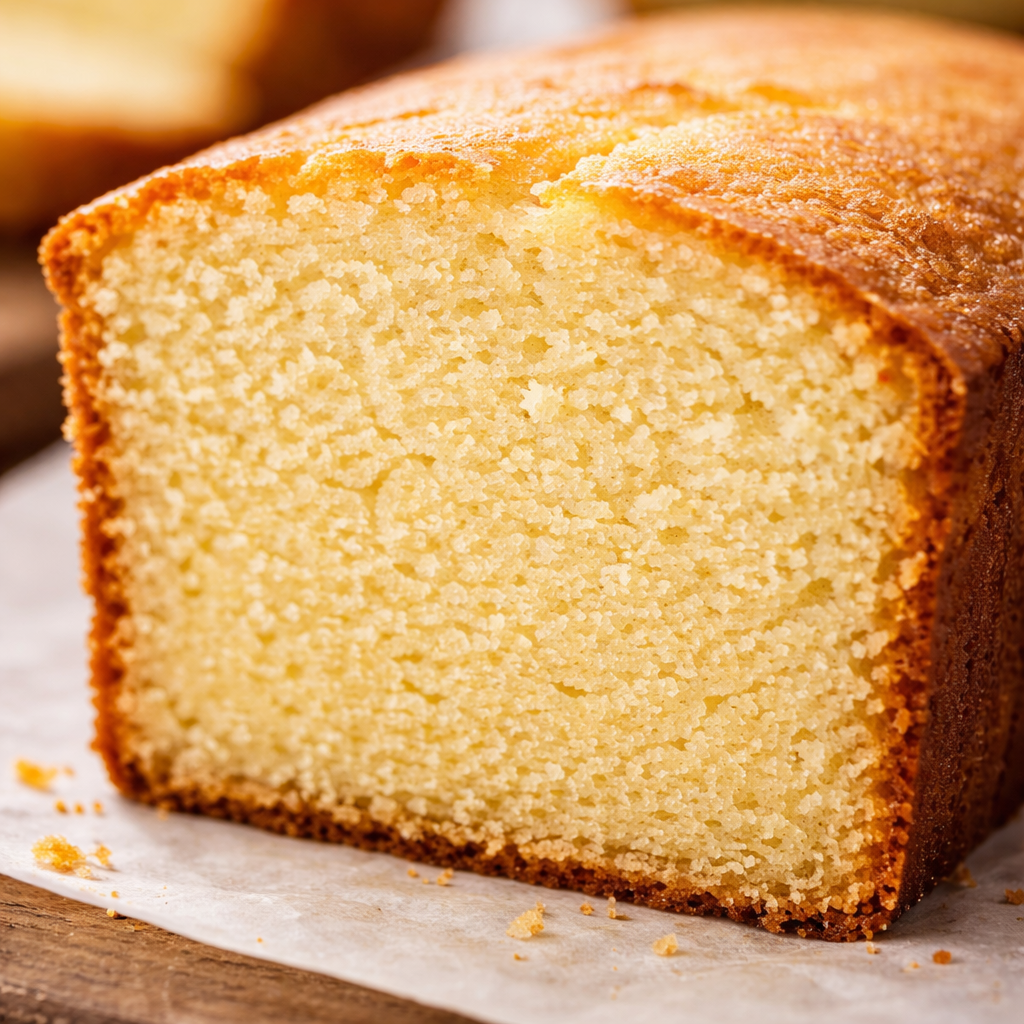
Beyond its simplicity, you’ll love the texture. By introducing specific dairy elements—which we will discuss in the ingredient section—we move away from the “bricks” of the past and toward a slice that is remarkably succulent. It also has an incredible shelf life. While many cakes begin to stale within 24 hours, the structure of this pound cake actually settles and improves by the second day, making it a dream for those who like to bake in advance.
What You Need to Get Started
To achieve the perfect results with this Moist Pound Cake Recipe, quality is everything. Since there are no fancy frostings to hide behind, the flavor of the butter and the quality of the flour are the stars of the show.
- Butter: 1 ½ cups (3 sticks) of unsalted butter. It must be high-quality and softened to room temperature.
- Sugar: 3 cups of granulated white sugar. This seems like a lot, but sugar provides moisture and the signature golden crust.
- Eggs: 6 large eggs, also at room temperature. These provide the lift and the rich, golden hue.
- Flour: 3 cups of all-purpose flour. Make sure to sift it for the finest texture.
- The “Moisture Secret”: 1 cup of full-fat sour cream or heavy cream. This is the key to ensuring it remains a truly Moist Pound Cake Recipe.
- Flavoring: 1 tablespoon of pure vanilla extract and a pinch of salt.
- Leavening: ½ teaspoon of baking powder (just enough to help it rise without becoming too “cakey”).
How to Prepare the Ingredients
Before you even think about turning on the mixer, you must attend to the most important rule of pound cake: Room temperature ingredients are non-negotiable. If you try to cream cold butter, it won’t trap the air bubbles needed for a light rise. If you add cold eggs to warm butter, the mixture will curdle. Take your butter, eggs, and sour cream out of the refrigerator at least two hours before you start. You want the butter to be soft enough that your finger leaves an indentation with a light touch, but not so soft that it’s melting or greasy.
Next, prepare your pan. A 10-inch tube pan or a large Bundt pan is traditional. Generously grease it with shortening or butter, then dust it with flour, tapping out the excess. For an extra layer of protection, some bakers prefer a “cake goop” (an equal mix of oil, flour, and shortening) to ensure the intricate designs of a Bundt pan release perfectly.
Step-by-Step Cooking Instructions
- Creaming the Butter and Sugar: In a stand mixer fitted with the paddle attachment, cream the butter and sugar on medium-high speed. Do not rush this. You want to beat them for at least 5 to 7 minutes until the mixture is pale, almost white, and looks like fluffy clouds. This is where your lift comes from!
- Adding the Eggs: Lower the speed and add the eggs one at a time. Ensure each egg is fully incorporated before adding the next. If the mixture looks like it’s breaking, add a tablespoon of your flour to help it bind.
- The Flavoring: Stir in the vanilla extract and salt.
- Alternating Dry and Wet: Turn the mixer to the lowest setting. Add one-third of the sifted flour, followed by half of the sour cream. Repeat, ending with the final third of the flour. Stop mixing the moment the last streak of flour disappears. Over-mixing at this stage will develop the gluten and make the cake tough.
- The Bake: Pour the thick, luscious batter into your prepared pan and smooth the top. Place it in a preheated 325°F oven. Pound cakes love a low and slow bake.
- The Patience Test: Bake for 75 to 90 minutes. Start checking at the 70-minute mark with a long wooden skewer. It should come out with just a few moist crumbs attached.
- The Cooling Process: Let the cake sit in the pan on a wire rack for exactly 15 minutes. Any longer and the sugar might stick to the sides; any shorter and the cake’s structure won’t be set enough to survive the flip.
Best Time to Serve This Dish
The versatility of this Moist Pound Cake Recipe makes it appropriate for nearly any time of day. In the morning, a thick, toasted slice with a bit of salted butter is a breakfast revelation. In the afternoon, it is the classic accompaniment to a cup of Earl Grey or a bold espresso.
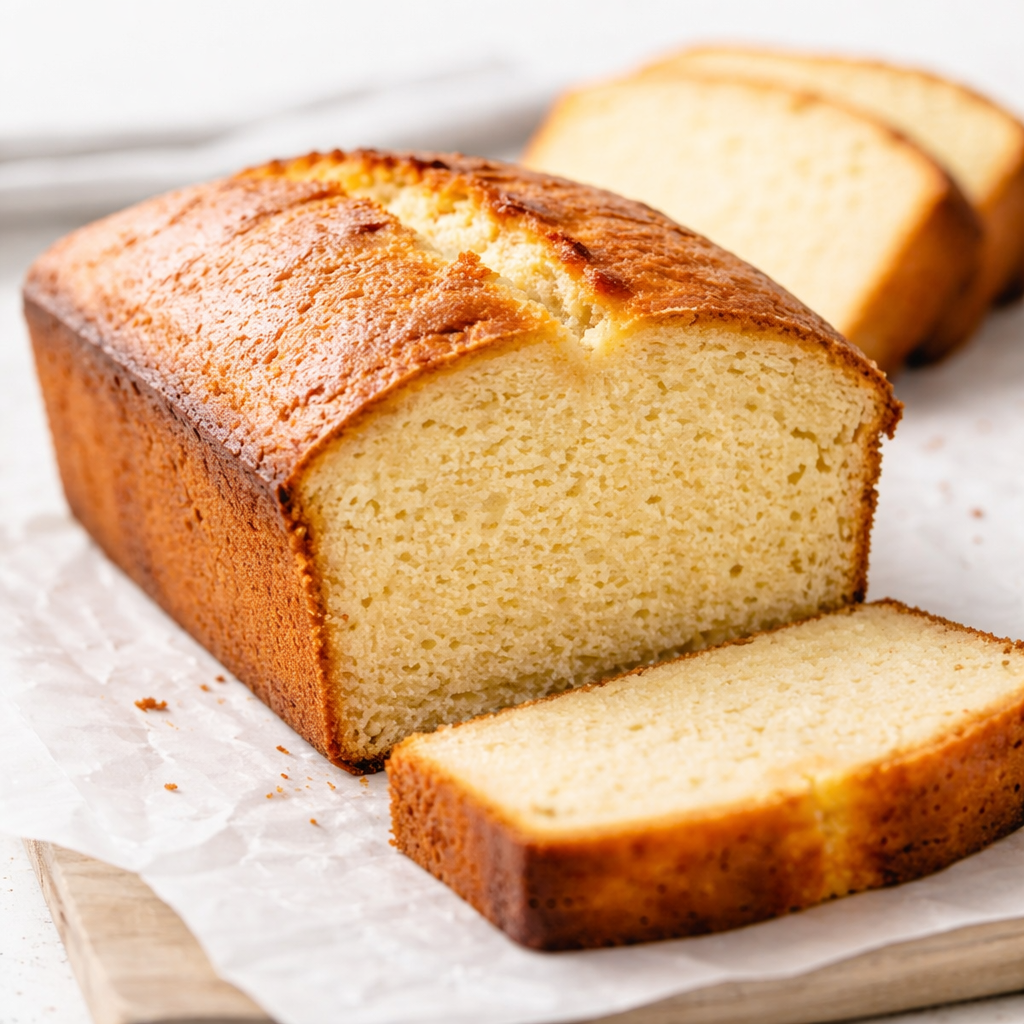
However, many people find it is at its best as a “Next Day” cake. Allowing the cake to sit overnight wrapped in parchment and foil lets the moisture distribute evenly from the center to the edges. It is a fantastic option for Sunday dinners, baby showers, or as a reliable holiday dessert that won’t stress you out at the last minute.
Flavor Tips for Better Results
- Scrape the Bowl: Every time you add an ingredient, stop the mixer and scrape the bottom and sides of the bowl. This prevents “butter streaks” in your final bake.
- The Extract Quality: Since vanilla is the primary flavor profile, avoid “imitation” vanilla. Use a high-quality pure extract or even vanilla bean paste for those beautiful little black specks.
- The Sift: Don’t skip sifting the flour. It aerates the powder and ensures you don’t end up with pockets of dry flour in your dense batter.
- The Oven Thermometer: Many ovens run hot or cold. A $10 oven thermometer can save your cake from being burnt on the outside and raw in the middle.+1
Optional Add-Ins and Variations
Once you have mastered the foundational Moist Pound Cake Recipe, you can start experimenting with these delicious twists:
- Citrus Zest: Add the zest of two lemons or oranges to the sugar before creaming. Rubbing the zest into the sugar releases the citrus oils and perfumes the whole cake.
- Marble Effect: Take a cup of the finished batter, stir in ¼ cup of cocoa powder, and swirl it through the plain batter for a chocolate-vanilla masterpiece.
- Almond Touch: Replace one teaspoon of the vanilla with half a teaspoon of almond extract for a professional, bakery-style aroma.
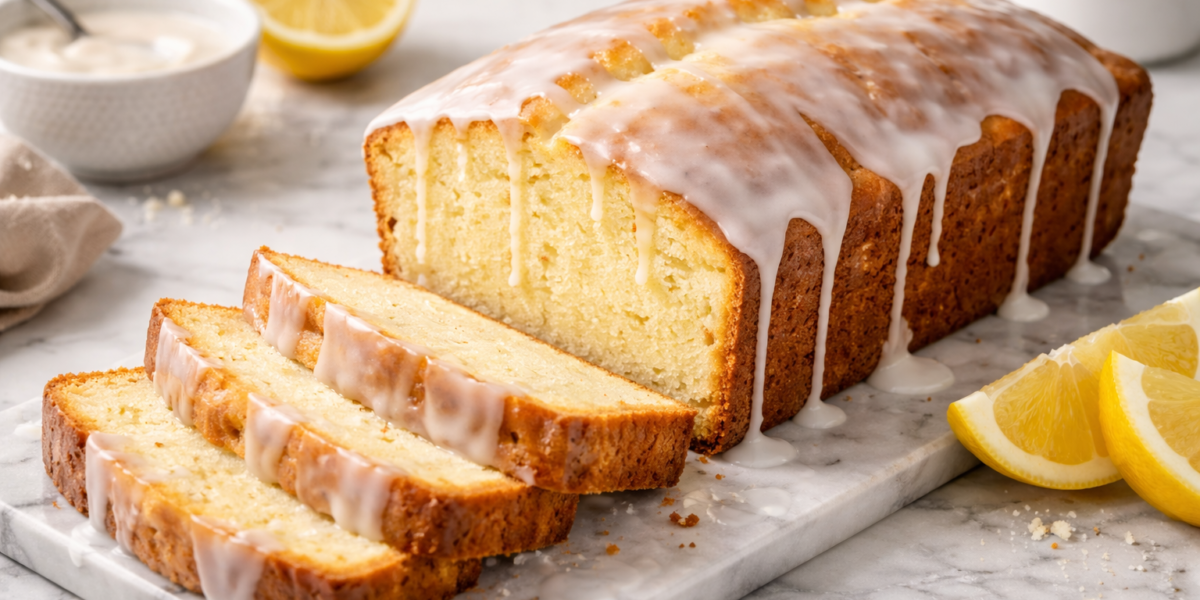
- The Glaze: A simple glaze of powdered sugar and lemon juice (or milk) drizzled over the cooled cake can add an extra layer of sweetness and visual appeal.
How to Store and Reheat Properly
Storage: This cake is best kept at room temperature. Wrap it tightly in plastic wrap and then in a layer of foil to keep the air out. It will stay moist and delicious for 4 to 5 days. You can refrigerate it, but be aware that the cold can sometimes make the butter-heavy crumb feel firmer.
Freezing: This is a freezer hero. Wrap the whole cake (or individual slices) in plastic and then a freezer bag. It will stay perfect for up to 3 months. Thaw individual slices on the counter for 30 minutes for an “instant” treat.
Reheating: If you like your cake warm, a quick 10-second zap in the microwave will revive the buttery oils. Alternatively, try “griddling” a slice in a pan with a tiny bit of butter until the edges are crispy—it’s a game-changer.
Serving Ideas for a Beautiful Presentation
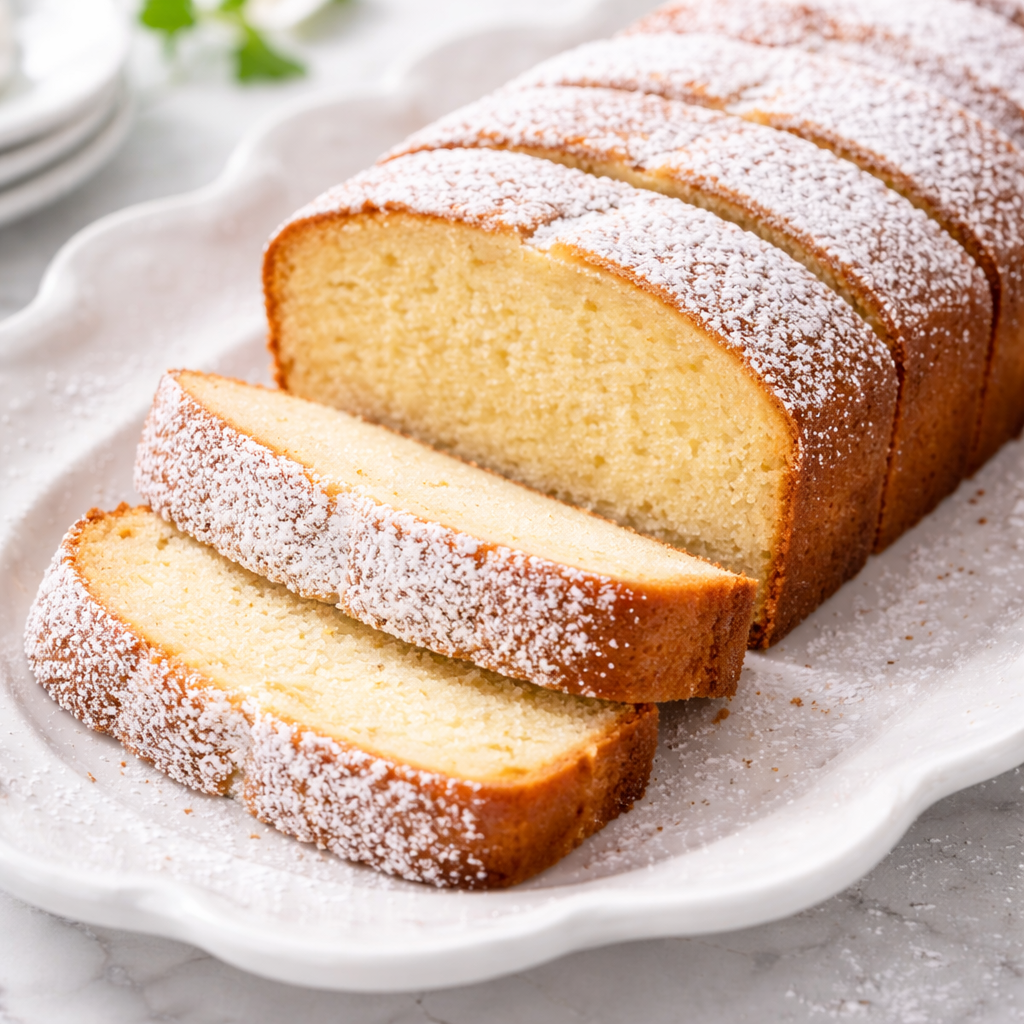
To make your Moist Pound Cake Recipe the star of the table, focus on the accompaniments. A classic presentation involves a light dusting of powdered sugar over the top just before serving.
For a more decadent approach, serve a slice with a generous dollop of homemade whipped cream and a spoonful of macerated strawberries (strawberries soaked in a little sugar and lemon juice). The juices from the berries will soak into the crumb, creating a “deconstructed shortcake” vibe. For a winter look, serve with a warm chocolate ganache or a salted caramel drizzle.
Helpful Tips and Common Mistakes
- Mistake: Opening the Oven Too Soon. Do not open the oven door for at least the first hour. A sudden drop in temperature can cause the heavy batter to collapse in the center.
- Mistake: Over-mixing. As mentioned before, only mix the flour until just combined. If you over-mix, your cake will have large “tunnels” and a rubbery texture.
- Tip: Measure Accurately. If possible, use a kitchen scale. If using cups, “spoon and level” your flour rather than scooping directly from the bag, which packs the flour down and leads to a dry cake.
- Tip: The Cooling Rule. 15 minutes in the pan is the sweet spot. If the cake feels stuck, gently run a thin plastic knife around the edges before inverting.
Homemade Coca Cola Cake Recipe
Homemade Coca Cola Cake Recipe