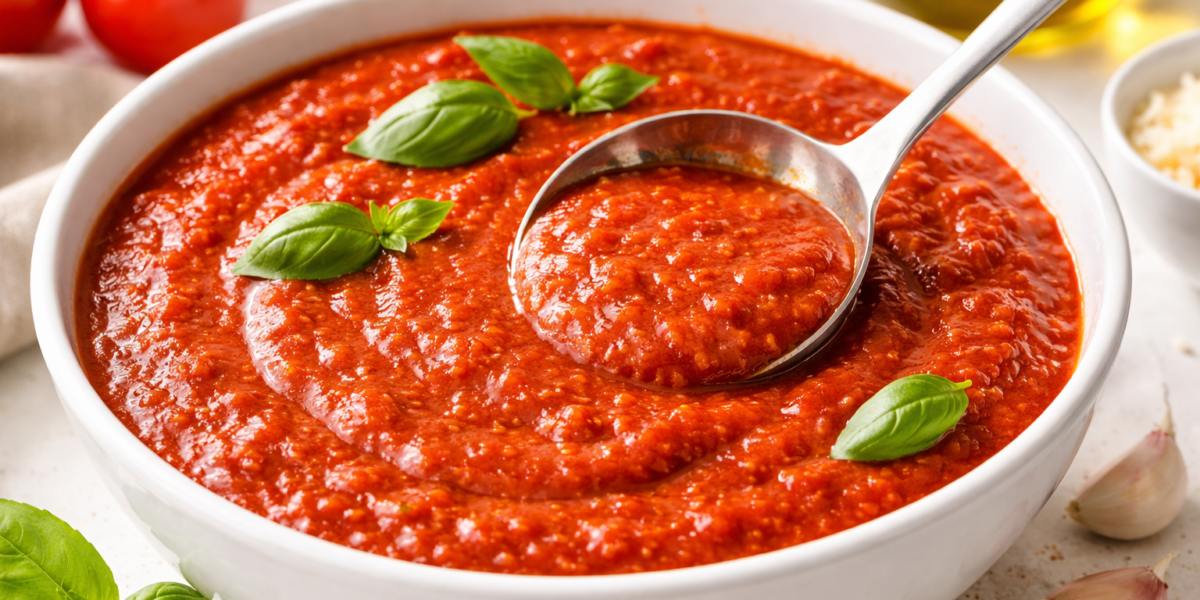
In the pantheon of Italian cuisine, there is perhaps no dish more foundational, more debated, and more beloved than a perfect Pomodoro. While it may seem like a simple tomato sauce on the surface, a truly great Pomodoro Sauce Recipe is an exercise in restraint and quality. It is the culinary equivalent of a white silk shirt: simple, elegant, and entirely dependent on the quality of the material.
Unlike its cousin, the slow-cooked marinara or the meat-heavy bolognese, Pomodoro is all about freshness and speed. It is meant to taste like the sun. When executed correctly, the sauce is thick enough to coat a strand of spaghetti but light enough that the vibrant acidity of the tomatoes still sings. Whether you are a novice looking to move away from the jarred stuff or a seasoned home cook searching for that elusive “restaurant-quality” finish, this guide will help you master the art of the tomato.
Why This Dish Is Worth Making
The primary reason to master this Pomodoro Sauce Recipe is its sheer utility. Once you have a reliable tomato sauce in your repertoire, the doors to a hundred other meals swing open. It is the base for Amatriciana, the soul of a Chicken Parmigiana, and the essential topping for a homemade Margherita pizza.
Beyond its versatility, making Pomodoro from scratch allows you to bypass the hidden sugars and excessive sodium found in commercial jars. You are in control of the balance. There is also a certain meditative joy in the process—the smell of garlic hitting warm olive oil and the sound of tomatoes bursting—that turns a Tuesday night dinner into a genuine kitchen experience. In less than thirty minutes, you can produce a sauce that tastes like it came straight from a Tuscan grandmother’s stove.
What to Gather Before You Begin
Because this recipe relies on so few ingredients, there is nowhere for low-quality items to hide. For the best Pomodoro Sauce Recipe, you should focus on sourcing these specific staples:
- The Tomatoes: For an authentic taste, seek out San Marzano canned tomatoes. Grown in the volcanic soil of Mount Vesuvius, they are famously sweet and low in acidity. If using fresh, ensure they are vine-ripened and incredibly soft.
- The Fat: Extra virgin olive oil. This isn’t just for sautéing; it is a primary flavor component. Use the “good stuff” here.
- The Aromatics: Fresh garlic (avoid the jarred pre-minced version at all costs) and a small yellow onion or shallot.
- The Herb: Fresh basil. Dried basil simply does not work for a Pomodoro; you need the bright, peppery finish of fresh leaves.
- The Seasoning: Fine sea salt and a pinch of red pepper flakes (peperoncino) for a very subtle back-of-the-throat warmth.
- The Secret Weapon: A small rind of Parmesan cheese (optional, but highly recommended for depth).
Getting Ready to Cook
Preparation for a Pomodoro Sauce Recipe is less about chopping and more about “handling.” If you are using whole canned San Marzano tomatoes, do not reach for the blender. Blending the tomatoes introduces too much air, which can turn the sauce orange and ruin the rustic texture. Instead, pour the tomatoes into a bowl and crush them by hand or with a potato masher. This ensures you have those lovely, irregular chunks that cling to the pasta.
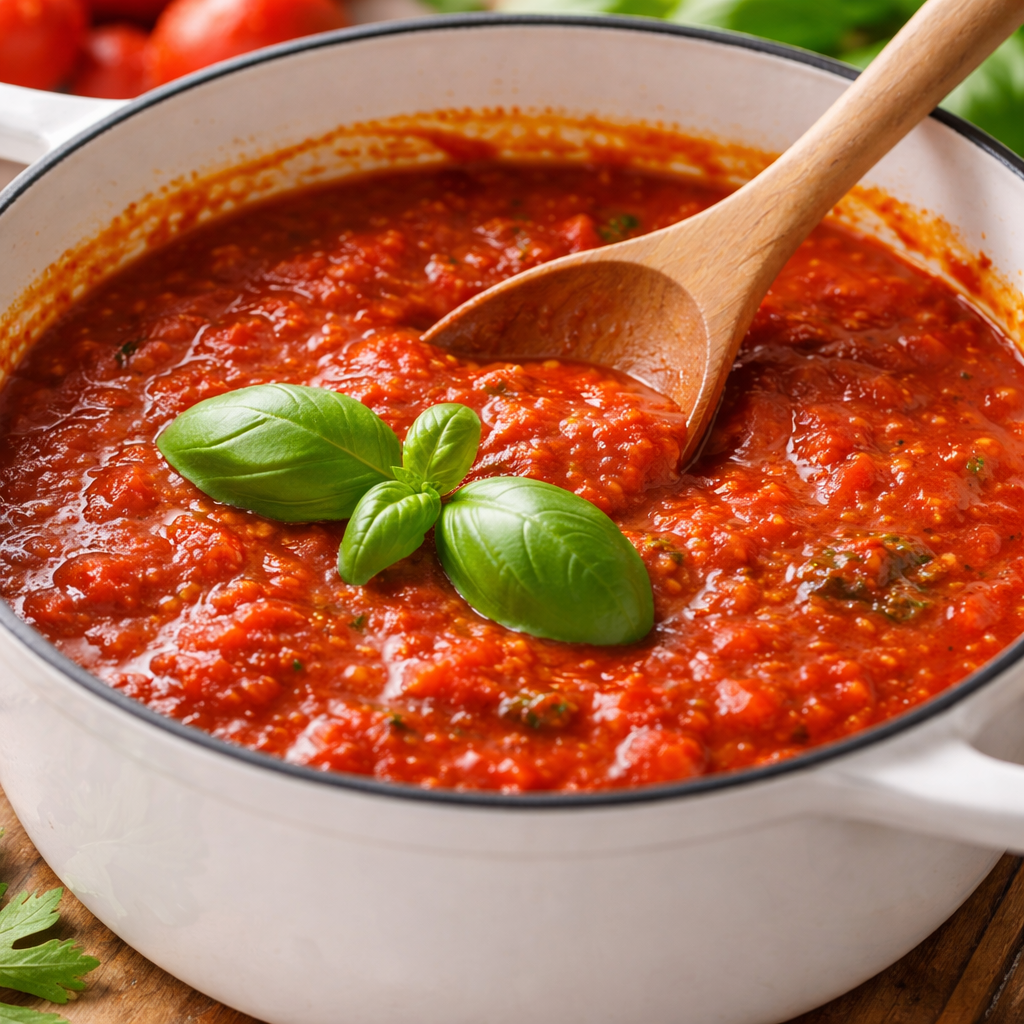
Peel and thinly slice your garlic. I prefer slices over a fine mince because they are less likely to burn and provide a more mellow, sweet garlic flavor. If you are using onion, dice it as finely as possible; it should melt into the sauce until it is nearly invisible. Finally, wash your basil but do not chop it yet. Tearing basil by hand at the very last second prevents the leaves from bruising and keeps the oils in the sauce rather than on the cutting board.
Easy Cooking Instructions
- Infuse the Oil: Cold-start your pan. Place the olive oil, sliced garlic, and red pepper flakes in a wide skillet before turning on the heat to medium-low. This allows the garlic to gently perfume the oil as it heats up, rather than searing the outside immediately.
- Sauté the Aromatics: Once the garlic begins to sizzle and turns a pale golden color (do not let it turn brown!), add your finely diced onion. Cook until the onion is translucent and soft.
- The Tomato Drop: Pour in your hand-crushed tomatoes. Increase the heat to medium until the sauce reaches a gentle simmer.
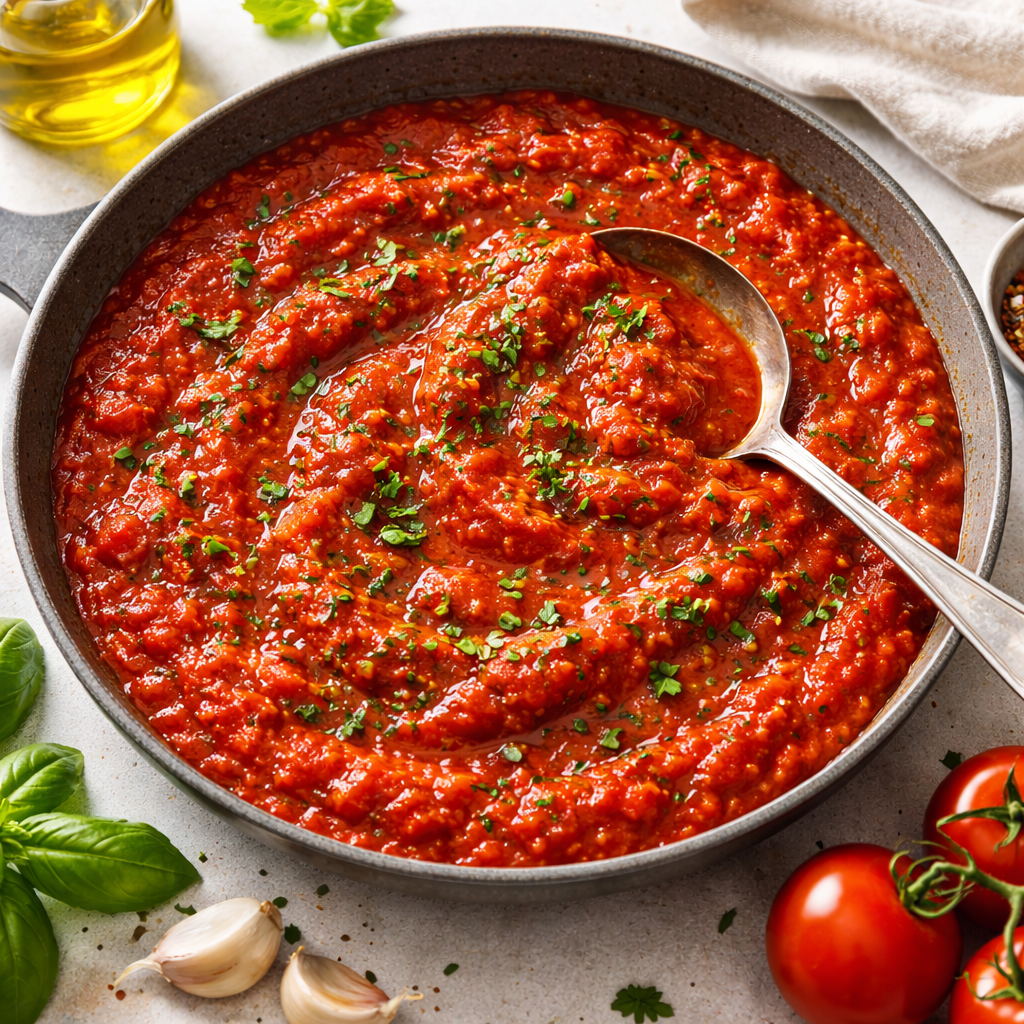
- The Simmer: Add a generous pinch of sea salt and, if you have it, the Parmesan rind. Let the sauce simmer uncovered for 15 to 20 minutes. The goal is for the water to evaporate slightly, concentrating the sugars in the tomato.
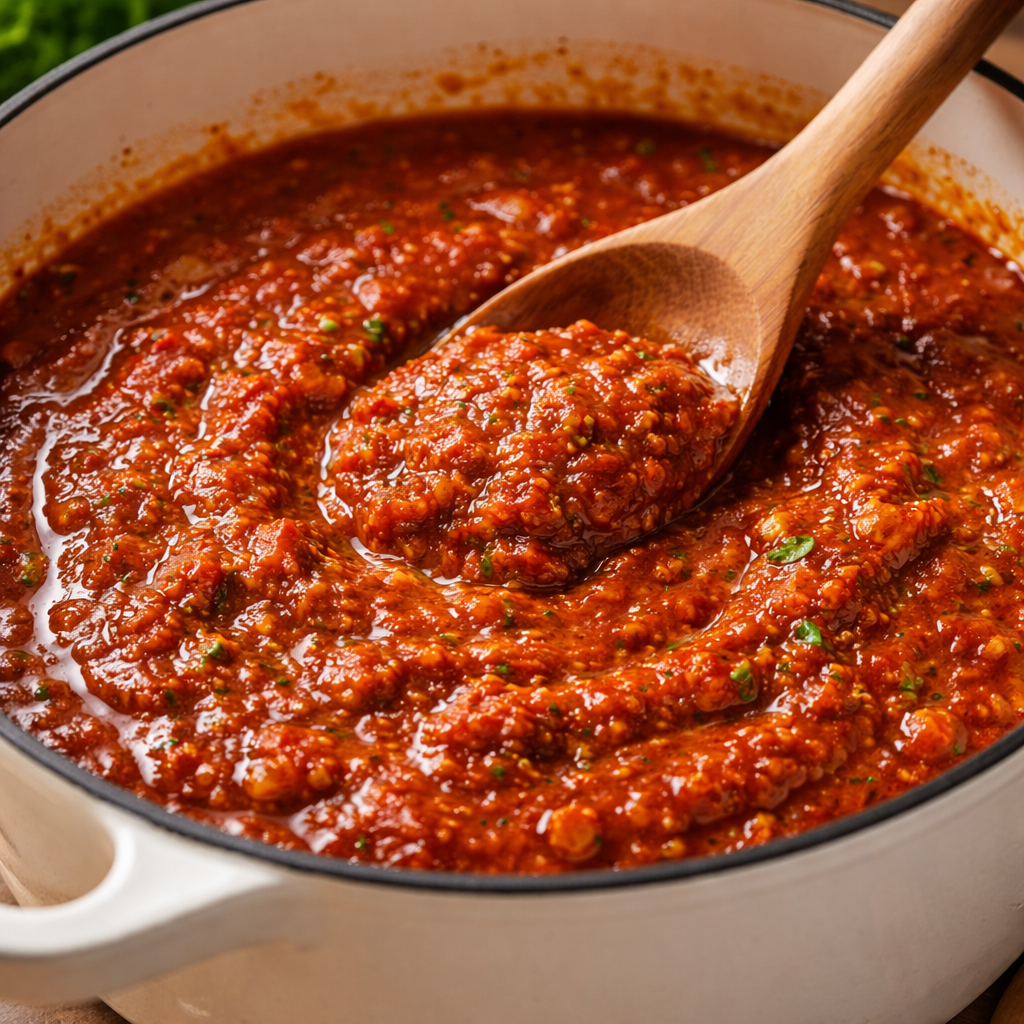
- The Emulsion: Stir the sauce occasionally. You will see the red oil begin to separate and then re-incorporate into the tomatoes. This is the sauce “tightening” up.
- The Finish: Turn off the heat. Toss in a handful of hand-torn basil leaves and one final swirl of fresh olive oil. The residual heat is enough to wilt the basil and release its aroma without turning it bitter.
Perfect Time to Enjoy This Meal
This Pomodoro Sauce Recipe is a true all-weather friend. In the heat of summer, it feels light and refreshing when tossed with angel hair pasta and extra fresh tomatoes. In the winter, it provides a vibrant, acidic contrast to heavier, roasted side dishes.
It is specifically the perfect meal for a “Date Night at Home.” It is sophisticated but requires very little “active” cooking time, meaning you can actually sit and talk while the sauce simmers. It is also an excellent “first meal” to teach children or beginner cooks because it demonstrates the importance of heat control and ingredient quality.
Ways to Improve the Flavor
- The Butter Trick: Many famous chefs, including Marcella Hazan, swear by adding a few tablespoons of unsalted butter at the end. It rounds out the acidity and gives the sauce a velvet-like finish.
- Pasta Water is Liquid Gold: Never serve your sauce on top of plain pasta. Instead, undercook your pasta by two minutes, toss it directly into the sauce skillet, and add a splash of starchy pasta water. The starch binds the sauce to the noodle.
- A Pinch of Sugar: If your tomatoes are out of season or particularly tart, a tiny pinch (less than ¼ teaspoon) of sugar can balance the pH and mimic the sweetness of a summer harvest.
- Longer is Not Better: Unlike a meat ragu, Pomodoro loses its fresh, “bright” character if cooked for hours. Keep it to under 30 minutes to preserve that fresh-picked flavor.
Simple Twists to Try
Once you have mastered the basic Pomodoro Sauce Recipe, try these variations:
- The Arrabbiata: Double the red pepper flakes and add a teaspoon of chili paste for a “spicy” (angry) version.
- The Creamy Rose: Stir in a half-cup of heavy cream at the end for a silky, pink sauce that children adore.
- The Vodka Twist: Add a splash of vodka before the tomatoes to unlock alcohol-soluble flavor compounds that tomatoes usually keep hidden.
- The Roasted Version: Roast your tomatoes and garlic in the oven before mashing them into the oil for a deep, caramelized flavor.
Storing and Reheating Made Easy
Storage: This sauce keeps beautifully. Store it in a glass jar in the refrigerator for up to 5 days. It actually tastes even more cohesive on day two as the garlic and basil have more time to mingle.
Freezing: This is the ultimate sauce for your freezer stash. Freeze in flat freezer bags to save space; it will stay fresh for up to 6 months.
Reheating: Reheat on the stovetop over low heat. If the sauce has thickened too much in the fridge, add a tablespoon of water to bring back that glossy consistency. Avoid the microwave if possible, as it can cause the oil to separate from the tomato solids.
How to Present It Beautifully
To serve this Pomodoro Sauce Recipe like a professional, focus on the “twirl.” Use a carving fork or long tongs to swirl the pasta into a tight nest in the center of a wide, shallow bowl.
Ladle a bit of extra sauce over the top of the nest, then garnish with a sprig of fresh basil and a snowfall of freshly grated Pecorino Romano or Parmesan-Reggiano. A final, thin drizzle of high-quality olive oil over the finished plate will give it that professional sheen found in high-end Italian trattorias.
Mistakes to Watch Out For
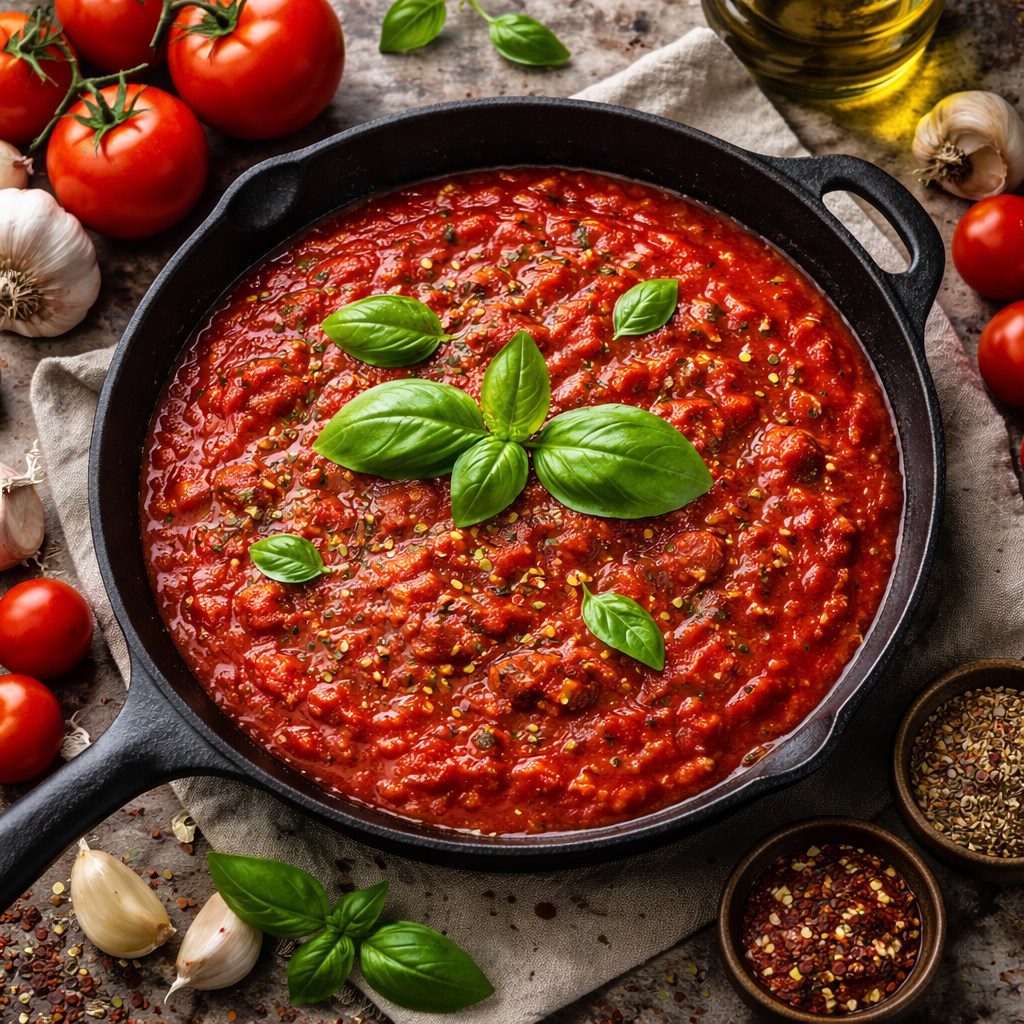
- Burnt Garlic: This is the most common sin. If your garlic turns dark brown or black, it will make the entire sauce bitter. If you burn it, throw it out and start over—it’s not fixable.
- Over-Blending: Using a food processor makes the sauce too smooth and aerated. Stick to the hand-crushed method for a better “mouthfeel.”
- Using Dried Herbs: Dried basil tastes like hay compared to fresh. If you don’t have fresh basil, use fresh oregano or even parsley instead.
- Too Much Water: If your sauce is watery, you likely didn’t simmer it long enough. The sauce is ready when a wooden spoon leaves a trail on the bottom of the pan.
Mastering a Pomodoro Sauce Recipe is a landmark moment for any home cook. It teaches you that you don’t need a long list of ingredients to make a world-class meal—you just need the right ones, treated with respect.