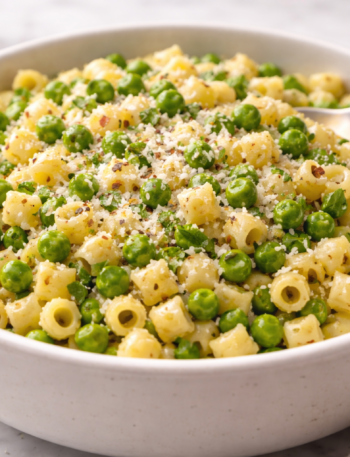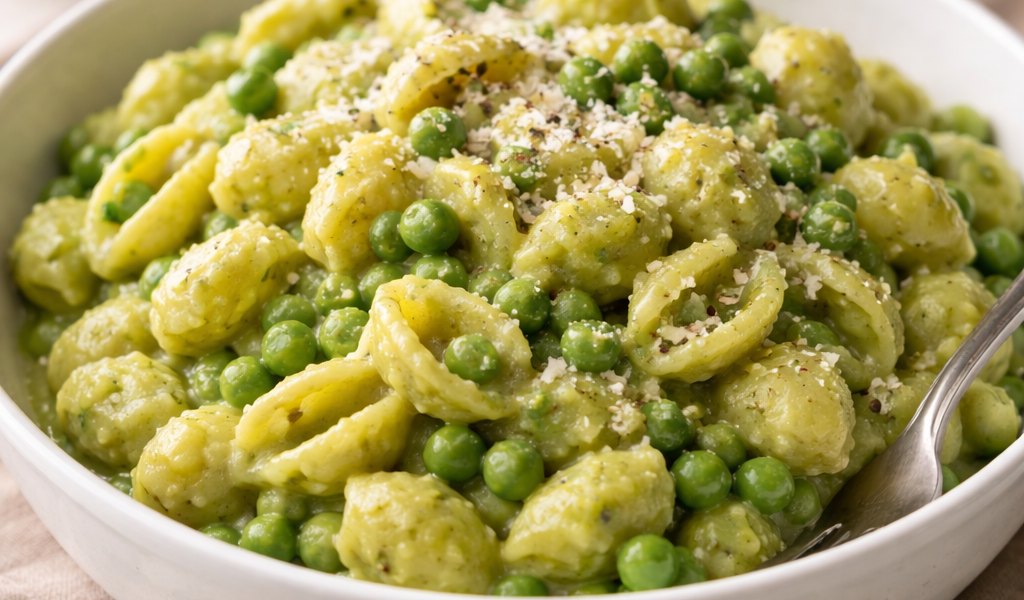
In the pantheon of Italian home cooking, there is a humble, soul-warming dish that stands as a testament to the beauty of simplicity. Known in Italy as Pasta e Piselli, a classic Pasta and Peas Recipe is more than just a quick meal; it is a culinary hug. It is the kind of dish that nonnas across the Mediterranean have relied on for generations to feed a hungry family on a budget, using little more than pantry staples and a handful of bright, sweet pearls from the garden.
What makes this recipe so enduring is its duality. On one hand, it is incredibly straightforward—a “cucina povera” (poor kitchen) staple. On the other, it possesses a sophisticated balance of sweetness from the peas and savory depth from aromatics and cheese. Whether you are a seasoned chef or a kitchen novice, mastering a Pasta and Peas Recipe is an essential rite of passage. It teaches you how to coax maximum flavor out of minimal ingredients, resulting in a velvety, comforting bowl that feels far more luxurious than the sum of its parts.
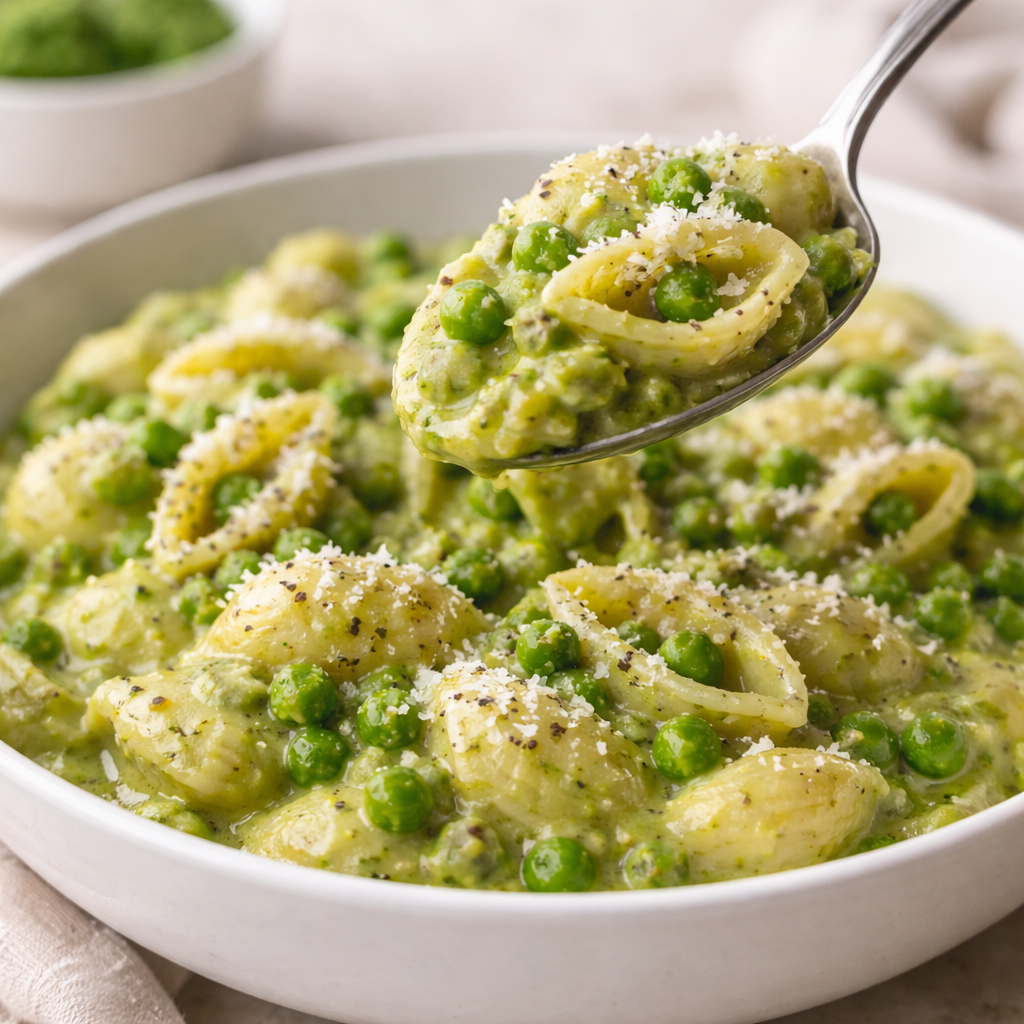
Why This Dish Is Worth Making
If you are looking for a reason to add a Pasta and Peas Recipe to your weekly rotation, look no further than its sheer efficiency. In a world where gourmet meals often require hours of prep, this dish is a miracle of timing.
- Speed and Convenience: From the moment you put the water on to boil to the moment you sit down to eat, you are looking at less than 20 minutes.
- Pantry-Friendly: It relies on ingredients most of us already have: dried pasta, frozen peas, onions, and olive oil. It is the ultimate “emergency dinner.”
- Kid-Approved: The natural sweetness of the peas and the familiar comfort of pasta make this a rare win for the whole family, even the pickiest eaters.
- Economical: It is one of the most cost-effective ways to serve a nutritious, filling meal without sacrificing an ounce of flavor.
What to Gather Before You Begin
The secret to a great Pasta and Peas Recipe is the quality of your base components. Since there are so few ingredients, each one must pull its weight.
The Foundation
- The Pasta: Traditionally, small shapes are best. Look for Ditalini, Tubetti, or even Conchiglie (small shells). The goal is for the pasta to be roughly the same size as the peas so they can be eaten together in every spoonful.+1
- The Peas: While fresh peas are lovely in the spring, frozen petite peas are actually the gold standard here. They are frozen at the peak of ripeness and maintain their sweetness better than fresh peas that have sat on a shelf.
The Flavor Base
- Aromatics: One medium yellow onion or two large shallots, finely diced.
- The Fat: High-quality extra virgin olive oil. For a richer version, a tablespoon of unsalted butter at the end adds a beautiful gloss.
- Broth or Water: You can use vegetable or chicken broth for more depth, but many traditionalists swear by using the starchy pasta cooking water.
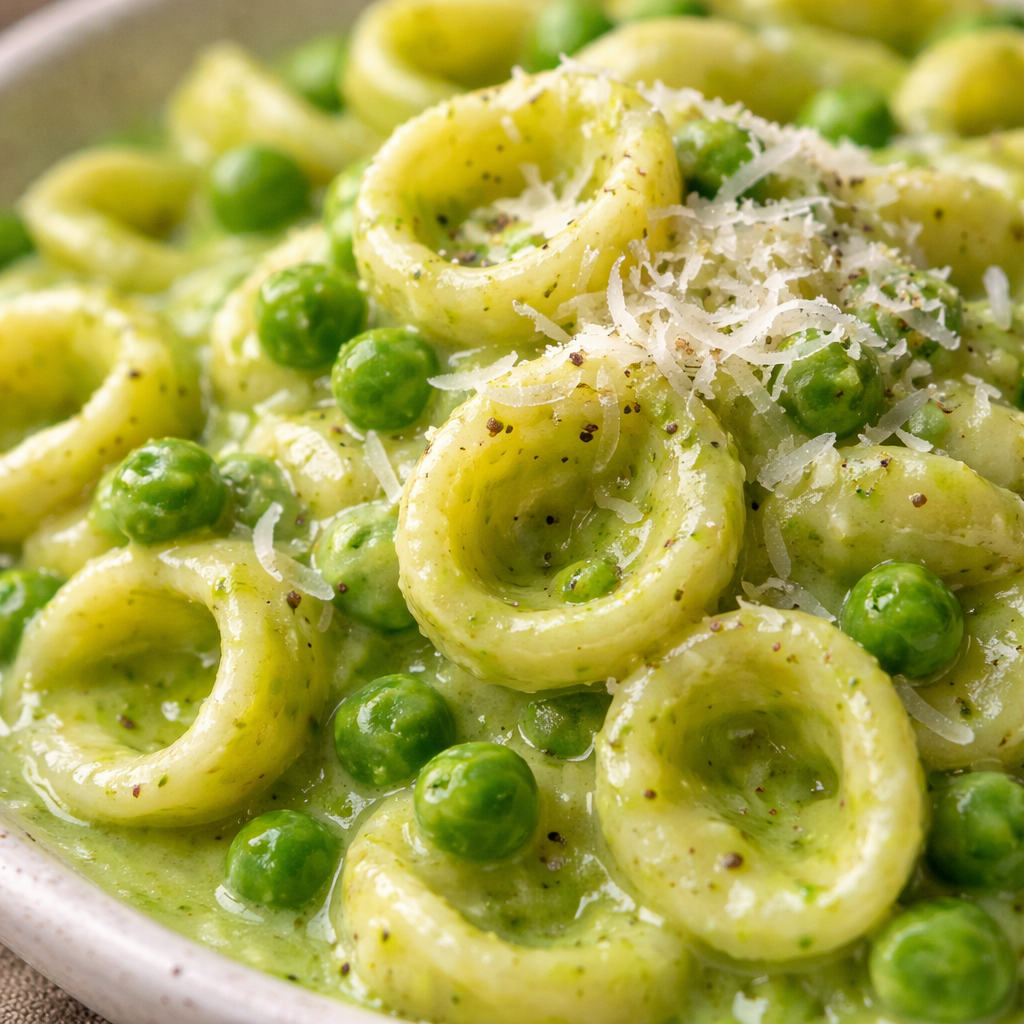
The Finishes
- Cheese: Freshly grated Pecorino Romano or Parmigiano-Reggiano.
- Herbs: Fresh mint or flat-leaf parsley. Mint might sound surprising, but it is the classic Italian pairing for peas.
Getting Ready to Cook
Before you turn on the stove, remember that a Pasta and Peas Recipe is all about “one-pot” harmony. While you can boil the pasta separately, the most authentic way to make this dish is to cook the pasta directly with the peas.
1. Prep the Onion: Spend an extra minute mincing your onion very finely. You want it to almost melt into the sauce so you get the flavor without a crunchy texture.
2. The Liquid Ratio: If you prefer a “soupy” consistency (traditional Pasta e Piselli), you will need more liquid. If you prefer a “dry” pasta, you will use less. Have your broth or water measured out and ready to go.
3. Thaw or Not? You do not need to thaw frozen peas. In fact, adding them frozen helps keep them from overcooking and losing that bright green color.
Easy Cooking Instructions
1. Sauté the Aromatics
In a large pot or deep skillet, heat two tablespoons of olive oil over medium heat. Add your finely diced onions. Sauté them slowly until they are translucent and soft—about 5 to 7 minutes. Do not brown them; we want sweetness, not toasted notes.
2. The Toasting Phase (Optional)
Add your dry pasta directly to the onions and oil. Stir it for about 60 seconds. This “toasts” the starch on the outside of the pasta, which will result in a creamier sauce later.
3. Simmer with Liquid
Add your broth or water to the pot. Use just enough to cover the pasta by about an inch. Bring it to a gentle simmer. Cook the pasta in the liquid, stirring frequently. As the pasta absorbs the water, it will release starch, creating a natural “sauce.”
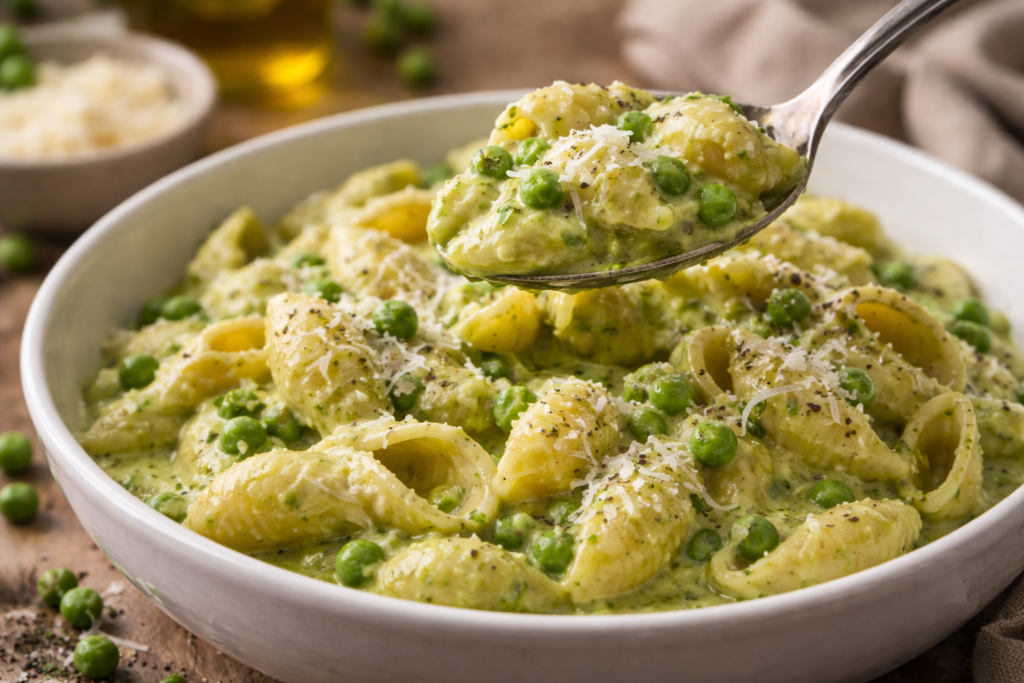
4. Add the Peas
When the pasta is about three minutes away from being al dente, stir in the frozen peas. The temperature will drop slightly, but keep it at a simmer.
5. Emulsify and Season
Once the pasta is perfectly tender and most of the liquid has been absorbed into a creamy glaze, remove the pot from the heat. Stir in a generous handful of grated cheese and a knob of butter. Season with salt and plenty of freshly cracked black pepper.
Perfect Time to Enjoy This Meal
A Pasta and Peas Recipe is a true all-season champion.
- Spring: Celebrate the arrival of warmer weather by using fresh English peas and lots of fresh mint.
- Winter: It serves as a light but comforting “pantry pull” when it’s too cold to go to the grocery store.
- Mid-Week: When you have a 30-minute window between work and evening commitments, this dish is your best friend.
- Late-Night: It is the ultimate “midnight pasta”—quick to make, easy to digest, and incredibly satisfying.
Ways to Improve the Flavor
To turn your Pasta and Peas Recipe from a simple side into a restaurant-quality main, try these experience-based tips:
- The Pancetta Punch: Sauté a bit of diced pancetta or bacon with the onions at the beginning. The smoky, salty fat elevates the sweetness of the peas perfectly.
- The Parmesan Rind: If you have a leftover rind of Parmigiano-Reggiano, throw it into the pot while the pasta simmers. It adds an incredible savory depth that you can’t get from grated cheese alone.
- Lemon Zest: Right before serving, grate a bit of fresh lemon zest over the bowl. The acidity brightens the dish and makes the green of the peas “pop.”
- Red Pepper Flakes: A tiny pinch of peperoncino added to the oil with the onions adds a subtle warmth that balances the sugar in the peas.
Simple Twists to Try
Once you’ve mastered the basic Pasta and Peas Recipe, you can start experimenting with these variations:
- The Creamy Green: Blend one cup of the cooked peas with a splash of cream or pasta water, then stir that puree back into the pot. This makes the dish incredibly vibrant and velvety.
- Ricotta Finish: Dollop a spoonful of fresh ricotta cheese on top of each bowl before serving. It adds a cool, creamy contrast to the hot pasta.
- Garlic and Breadcrumbs: If you want some crunch, toast some panko breadcrumbs in garlic butter and sprinkle them over the top.
- The Pesto Hybrid: Stir in a tablespoon of basil pesto at the very end for a double-green flavor explosion.
Storing and Reheating Made Easy
Like many pasta dishes, this recipe will absorb more liquid as it sits.
- Storage: Keep leftovers in an airtight container in the fridge for up to 3 days.
- Reheating: Do not just pop it in the microwave as-is, or it will be dry. Add a splash of water or broth and reheat on the stovetop over low heat. Stirring gently will bring the “sauce” back to life.
- Note: The peas may lose their bright green color after reheating, but the flavor will actually deepen as the onions and pasta meld.
How to Present It Beautifully
Because this dish is monochromatic, it benefits from a few visual flourishes:
- The Drizzle: Always finish with a “crudo” drizzle of your best extra virgin olive oil.
- Fresh Herbs: Save a few whole mint leaves or a sprig of parsley to place right in the center.
- The Cheese Dust: Use a Microplane to create a light, snowy layer of cheese over the top.
- Contrast: Serve in a dark-colored or vibrant bowl to make the bright green peas stand out.
Mistakes to Watch Out For
- Overcooking the Peas: Peas only need a few minutes of heat. If you add them at the beginning with the pasta, they will turn brown and mushy.
- Rinsing the Pasta: If you cook the pasta separately, never rinse it! You need that starch to create the creamy emulsion that binds the peas to the noodles.
- Under-Salting: Peas and pasta are both naturally bland. Make sure to salt the cooking liquid generously so the flavor is baked into the grain.
- Too Much Liquid: If you end up with a soup when you wanted a pasta, simply simmer it uncovered for another minute or two, stirring constantly to help the liquid evaporate and thicken.
A Pasta and Peas Recipe proves that you don’t need expensive ingredients to create a memorable meal. It is a dish that honors the ingredients, the tradition, and the joy of a simple, well-cooked bowl of food.