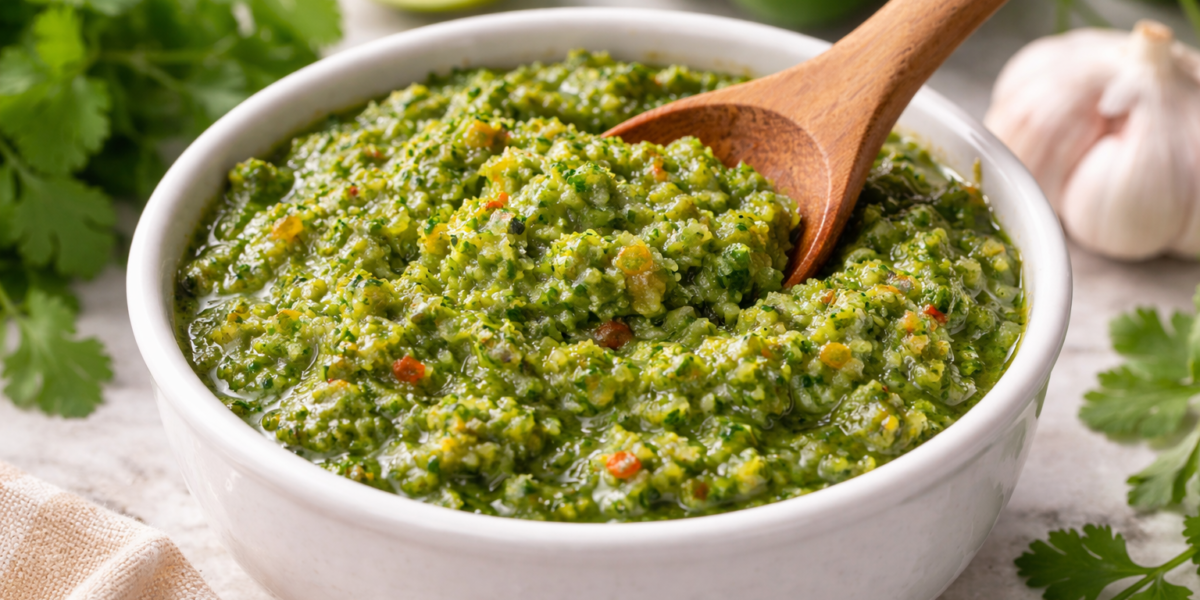
If you have ever stepped into a Puerto Rican kitchen while a meal is being prepared, you’ve smelled it—that unmistakable, heady aroma of garlic, peppers, and herbs hitting a hot pan of oil. That scent is the soul of the island’s cuisine, and it starts with a single, vibrant green paste: Puerto Rican Sofrito.
Sofrito is not just an ingredient; it is a culinary foundation. It is the secret weapon behind every legendary pot of arroz con habichuelas (rice and beans), every hearty sancocho (stew), and every savory empanadilla. While you can find bottled versions in the international aisle of most grocery stores, they pale in comparison to the fresh, zesty, and aromatic power of a homemade batch. Making your own Puerto Rican Sofrito Recipe is a rite of passage for anyone wanting to master Caribbean flavors. It is the difference between a meal that is “good” and a meal that tastes like an island grandmother made it just for you.+1
Why This Dish Is Worth Making
The most compelling reason to master a Puerto Rican Sofrito Recipe is the instant elevation it brings to your cooking. Think of it as a concentrated flavor bomb. By blending fresh aromatics into a uniform paste, you ensure that every bite of your final dish is infused with a complex, balanced savory profile that chopped vegetables alone can’t achieve.
Secondly, it is the ultimate time-saver. By spending twenty minutes on a Sunday making a large batch, you are essentially “pre-prepping” the base for ten different meals. When Tuesday night rolls around and you’re exhausted, you don’t need to chop onions or peel garlic; you simply scoop two tablespoons of sofrito into your pan, and you’re halfway to a gourmet dinner.
Finally, it is a healthy, all-natural way to season food. It is packed with vitamin-rich peppers, antioxidant-heavy garlic, and fresh herbs. There are no preservatives, no excessive sodium, and no artificial colors—just the pure, vibrant essence of the garden.
What to Gather Before You Begin
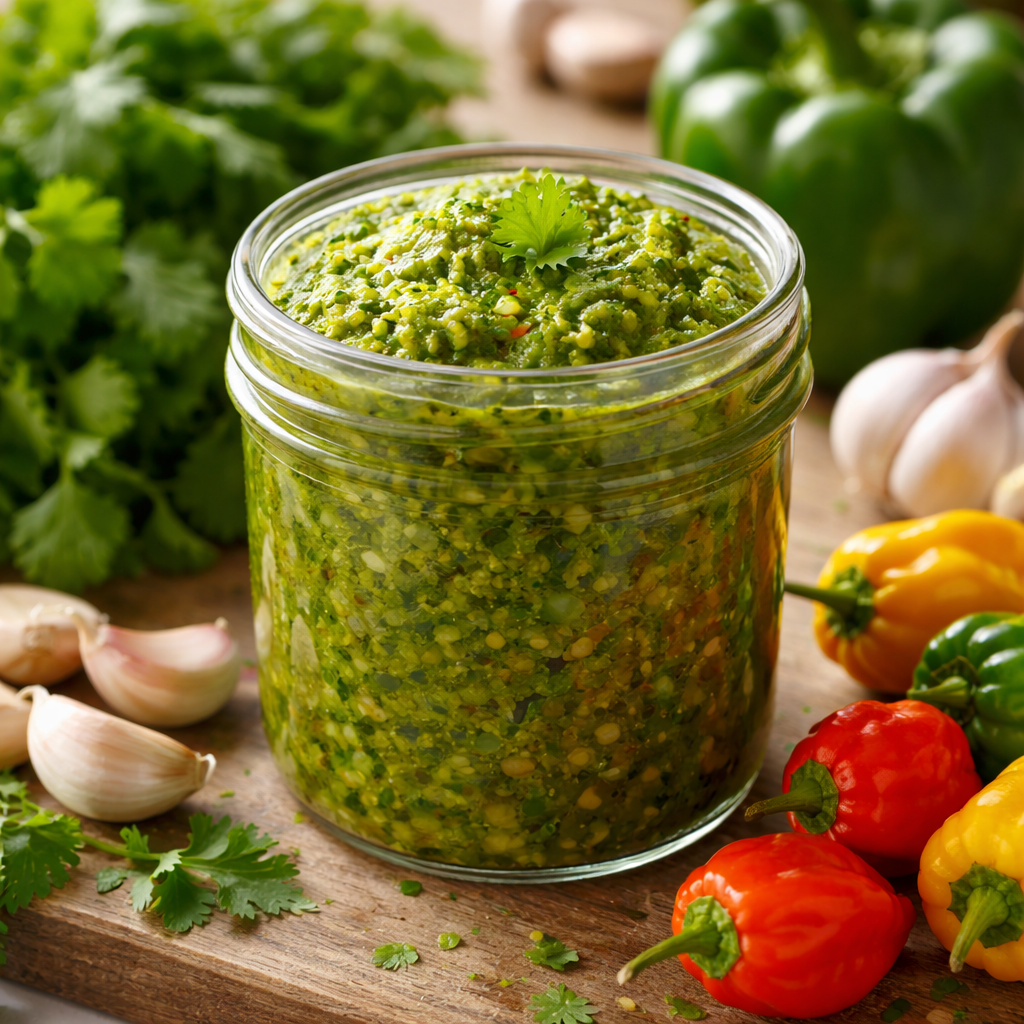
An authentic Puerto Rican Sofrito Recipe relies on a specific set of ingredients. While some can be substituted, the traditional “trinity” of peppers is what creates that iconic island profile.
- Aji Dulce Peppers: These are small, colorful peppers that look like habaneros but are sweet and mild. They provide the “heart” of the sofrito flavor.
- Recao (Culantro): This is the long-leafed, jagged-edged cousin of cilantro. It has a much more intense, earthy flavor. If you can’t find it, you can use extra cilantro, but it is worth the hunt at a Latin market.
- Cubanelle Peppers: Long, light-green peppers that are mild and sweet.
- Yellow Onions: For a sharp, savory base.
- Garlic: At least two whole heads. Puerto Rican cooking is not shy about garlic.
- Fresh Cilantro: To add a bright, herbaceous lift.
- Red Bell Pepper: For a touch of sweetness and a hint of color.
Getting Ready to Cook
Preparation for sofrito is all about the “wash and chop.” Since we are blending everything, you don’t need to worry about perfect knife skills, but you do need to ensure your vegetables are clean and properly trimmed.
Start by washing all your peppers and herbs thoroughly. Remove the stems and seeds from the Cubanelle and bell peppers. For the aji dulces, simply pop the stems off; the seeds are so small and mild that they can stay in.
Peel your garlic cloves. A quick tip: smash the cloves with the flat of your knife to make the skins slip right off. Roughly chop your onions into chunks that your blender or food processor can handle. Having everything pre-chopped and organized into bowls makes the blending process smooth and prevents you from over-processing certain ingredients.
Easy Cooking Instructions
Technically, you aren’t “cooking” the sofrito yet—you are creating the raw base that will be cooked into your future meals. Follow these steps for the perfect consistency.
- The Liquid Base: Start by placing the onions and the peppers with the highest water content (like the bell peppers) into the food processor first. This creates a liquid base that helps the blades catch the drier ingredients.
- Add the Aromatics: Toss in the peeled garlic cloves and the aji dulce peppers. Pulse until the mixture is chunky but combined.
- The Greens: Add the recao (culantro) and the cilantro last. These herbs are delicate; you want to pulse them until they are finely minced but not pulverized into a liquid juice.
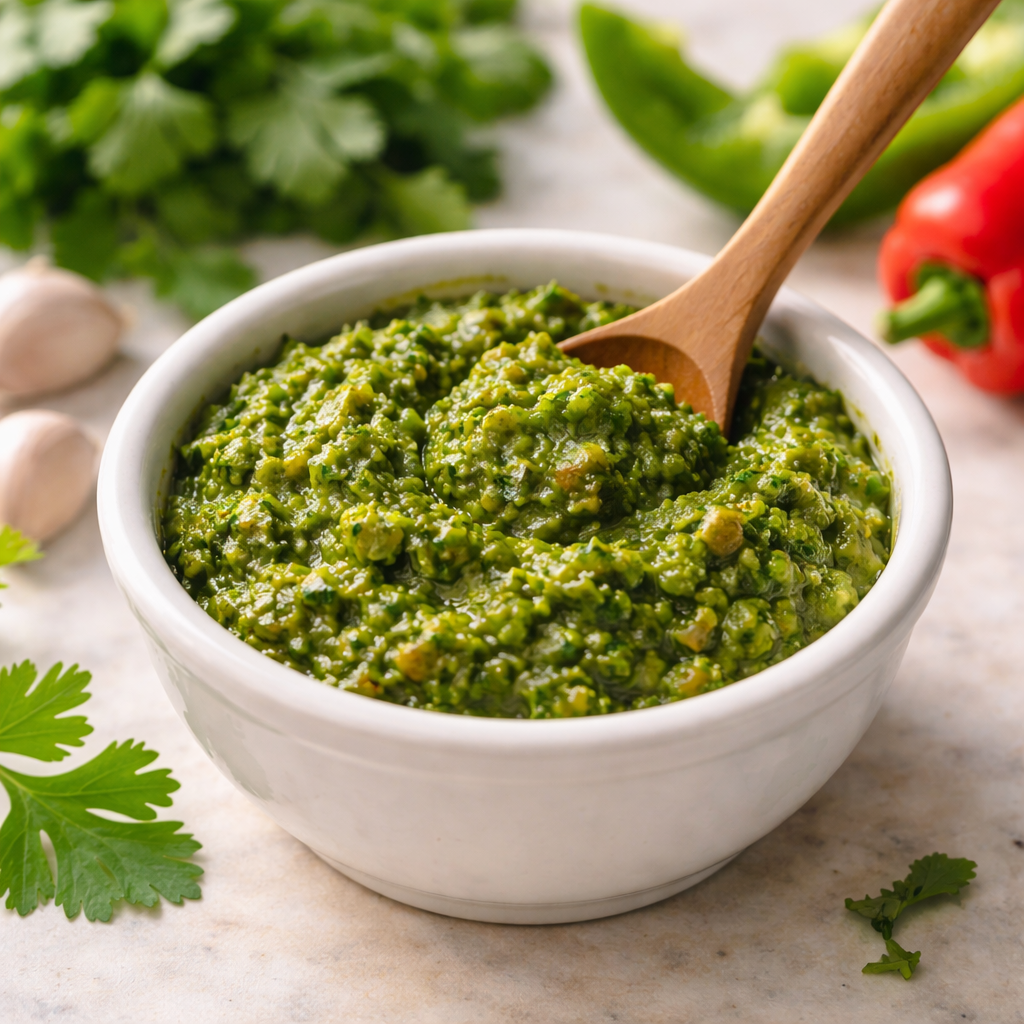
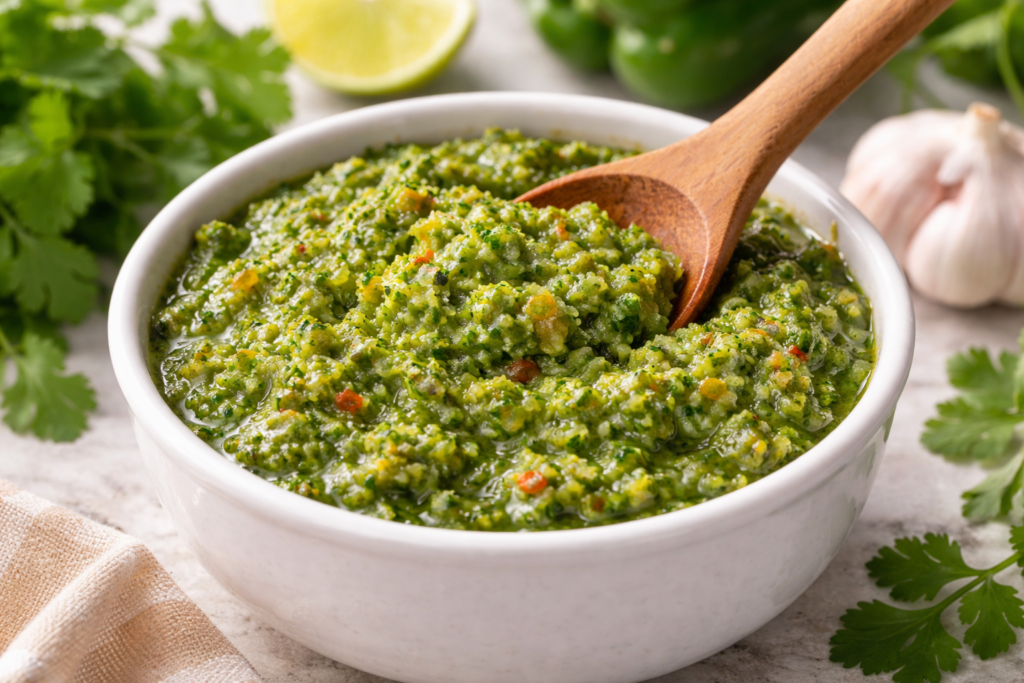
- Consistency Check: Your Puerto Rican Sofrito Recipe should result in a thick, textured paste—similar to a pesto.
- The Jarring: Pour the mixture into clean glass jars. The smell will be intense and incredible!
Perfect Time to Enjoy This Meal
Since sofrito is a base, the “perfect time” to enjoy it is every time you want to add depth to a savory dish. It is particularly essential for Holiday Cooking. During Christmas in Puerto Rico, sofrito is used in massive quantities for pernil (roasted pork) and arroz con gandules (rice with pigeon peas).
It is also the perfect Meal Prep Companion. On a rainy Sunday, make a double batch. Use some for a big pot of soup that night, and freeze the rest for the busy weeks ahead. It turns a simple can of beans into a restaurant-quality side dish in under ten minutes.
Ways to Improve the Flavor
To make your Puerto Rican Sofrito Recipe truly stand out, consider these expert tips:
- Don’t Add Water: It is tempting to add water to help the blender move, but this dilutes the flavor and shortens the shelf life. If you need a liquid, add a tablespoon of olive oil instead.
- The Salt Factor: Traditional sofrito is usually made without salt. This allows you to control the salt levels of the final dish you are cooking later.
- Char the Peppers: For a smoky variation, quickly char the skins of your Cubanelle peppers under a broiler before blending.
- The Ratio: If you find the cilantro flavor too dominant, increase the garlic. In Puerto Rican cooking, you can almost never have too much garlic.
Simple Twists to Try
While the classic green sofrito is king, there are a few variations you might enjoy:
- Sofrito Rojo (Red Sofrito): Add more red bell peppers and a small can of tomato paste or roasted red peppers. This is excellent for meat-heavy stews.
- Spicy Sofrito: Puerto Rican food is rarely “spicy-hot,” but if you like heat, add one or two habanero peppers (seeds removed) to the blend.
- The Citrus Twist: Some families add a splash of naranja agria (sour orange juice) to the blend to act as a natural preservative and add a bright tang.
Storing and Reheating Made Easy
Storage: Fresh sofrito will last in an airtight glass jar in the refrigerator for about 7 to 10 days. Because it contains fresh onions and garlic, it will begin to ferment if left longer.
The Pro Freezing Method: This is the most popular way to store it. Pour the sofrito into ice cube trays. Once frozen, pop the “sofrito cubes” into a freezer bag. One cube is typically equal to one tablespoon. When you’re ready to cook, just drop a frozen cube directly into your hot oil—no thawing required! They stay fresh in the freezer for up to 6 months.+1
How to Present It Beautifully
While sofrito is usually “hidden” inside a dish, you can present it beautifully if you are giving it as a gift or using it as a fresh topping.
- The Mason Jar: Use a small, quilted mason jar with a piece of twine and a handwritten label. It makes a wonderful, fragrant gift for a fellow food lover.
- The Fresh Topping: While usually cooked, a spoonful of fresh sofrito on top of a finished steak or a bowl of chicken soup adds a vibrant “chimichurri-style” finish.
- The Layered Look: If storing in a jar, pour a thin layer of olive oil over the top. This creates a seal that prevents the top of the sofrito from oxidizing (turning brown) and looks professional.
Mistakes to Watch Out For
- Using a Blender instead of a Food Processor: A blender often turns sofrito into a “smoothie.” You want texture! If using a blender, keep it on the lowest pulse setting.
- Substituting Italian Parsley for Cilantro: It’s not the same flavor profile. If you can’t find cilantro or recao, it’s better to wait until you can.
- Over-processing the Herbs: If you blend too long, the herbs can turn bitter. Add them at the very end of the process.
- Not Drying the Veggies: If your peppers are dripping with water from the wash, your sofrito will be watery and will spoil faster. Pat everything dry!