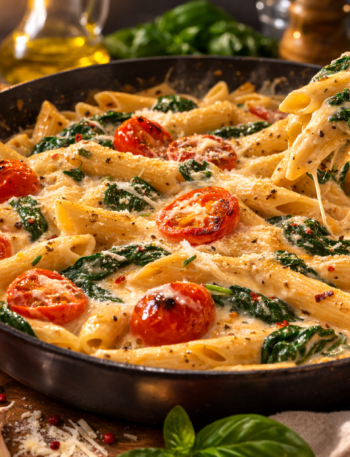
Keto Soup Recipes In the world of therapeutic nutrition, the challenge of the “Keto Soup” is often a battle against thinness. Traditional soups rely on the starch of potatoes, the gluten of roux, or the viscosity of blended legumes to provide body. To create a professional-grade Keto Soup Recipe, we must pivot away from carbohydrate-based thickeners and embrace the science of lipid emulsification and collagen reduction.
A truly successful ketogenic soup is not merely a “lite” version of a classic; it is a nutrient-dense powerhouse designed to stabilize blood sugar while providing the velvety mouthfeel typically reserved for high-carb bisques. This guide focuses on a foundational Creamy Tuscan Chicken and Spinach Soup, a recipe that serves as a blueprint for mastering the balance of healthy fats, bioavailable proteins, and fibrous greens.
Ingredient Breakdown: The Functional Roles
In a ketogenic framework, every ingredient is selected for its “Macro-Efficiency”—the ability to provide satiety without triggering an insulin response.
1. The Lipid Base: Heavy Cream and Cream Cheese
Traditional soups use flour to thicken; we use a dual-dairy approach. Cream cheese acts as a stabilizer (due to its guar gum or carob bean gum content), preventing the broth from separating, while heavy cream provides the high-fat “slip” on the palate.
2. The Protein: Chicken Thighs (Bone-in, Skin-on)
While breasts are popular, thighs are the superior keto choice. They contain higher amounts of connective tissue. As they simmer, the collagen breaks down into gelatin, which adds a natural “tackiness” and body to the broth that lean proteins cannot achieve.
3. The Flavor Catalyst: Sun-Dried Tomatoes in Oil
Sun-dried tomatoes are high in natural glutamates (umami). By using the variety packed in oil, we harness those fat-soluble flavor compounds and integrate them directly into the sautéing phase.
4. The Micronutrient Anchor: Fresh Baby Spinach
Spinach provides volume and essential minerals (magnesium and potassium) which are vital for those maintaining a state of ketosis. Because it is added at the end, it retains its cellular integrity, providing a textural contrast to the soft meat.
5. The Aromatic Foundations: Garlic, Shallots, and Red Pepper Flakes
Shallots offer a more refined, less sugary sweetness than white onions. Garlic provides the sulfuric depth required to cut through the richness of the heavy dairy.
Preparation Strategy: The “Mise en Place” of Fat Management
Because ketogenic cooking involves high concentrations of fats, your preparation must focus on preventing “greasiness.”
- The Pat-Dry Method: Before the chicken thighs hit the pan, they must be bone-dry. Any surface moisture will create steam, preventing the skin from rendering its fat and becoming crispy.
- Degreasing the Aromatics: If your sun-dried tomatoes are heavily oiled, drain them, but save that oil. Use that specific oil to sauté your shallots; it is already infused with tomato essence, which deepens the flavor profile from the very first step.
- Tempering the Dairy: Remove your cream cheese and heavy cream from the refrigerator 30 minutes before cooking. Cold dairy introduced to a boiling broth can “shock” the proteins, leading to a grainy or curdled appearance.
Cooking Instructions
Step 1: The Rendering and the Maillard Reaction
In a large Dutch oven over medium heat, place the chicken thighs skin-side down. Do not add extra oil yet; let the natural fat under the skin render out. Sauté until the skin is golden-brown and releases easily from the pan (approx. 8 minutes). Flip and sear the other side for 2 minutes. Remove the chicken and set aside; it will not be fully cooked yet.
Step 2: Sautéing the Flavor Base
In the rendered chicken fat, add your diced shallots. Cook until translucent. Add the minced garlic and sun-dried tomatoes. Stir for 60 seconds until the garlic is fragrant but not browned.
Step 3: Deglazing and Simmering
Pour in 4 cups of high-quality chicken bone broth. Use a wooden spoon to scrape the bottom of the pot, releasing the fond (the browned chicken bits). Return the chicken thighs to the pot. Bring to a gentle boil, then immediately reduce to a low simmer. Cover and cook for 20 minutes.
Step 4: The Shred and The Emulsion
Remove the chicken. Discard the bones and skin, and shred the meat into bite-sized pieces. While the chicken is out, whisk the room-temperature cream cheese into the hot broth until completely melted. Slowly pour in the heavy cream while whisking constantly. This creates a stable, creamy emulsion.
Step 5: The Final Assembly
Return the shredded chicken to the pot. Stir in a generous 3 cups of fresh baby spinach and 1/2 cup of freshly grated Parmesan cheese. The heat from the soup will wilt the spinach in approximately 60 seconds. Season with salt, black pepper, and a pinch of red pepper flakes.
Flavor & Texture Indicators
A professional-grade Keto Soup should be evaluated by the following sensory cues:
- The Spoon Coating: Dip a metal spoon into the soup. The liquid should coat the back of the spoon without immediately running off, indicating a successful dairy-gelatin emulsion.
- The Color Profile: The soup should be a pale, creamy ivory with streaks of orange-red from the tomato oil and vibrant, dark green from the spinach.
- The “Clean” Finish: Despite the high fat content, the soup should not feel oily on the lips. The acidity from the sun-dried tomatoes should balance the lipids, leaving a clean, savory finish.
Adjustments for Different Skill Levels
The Beginner: The “One-Pot” Approach
If the idea of rendering chicken skin is intimidating, use a pre-cooked rotisserie chicken. Skip Step 1 and start by sautéing the aromatics in 2 tablespoons of butter. Add the shredded rotisserie chicken at the very end to prevent it from becoming overcooked and stringy.
The Intermediate: The Herb Infusion
During the simmering phase (Step 3), add a “sachet” of fresh herbs (thyme, rosemary, and a bay leaf) tied with butcher’s twine. This adds a woody, sophisticated aromatic layer that balances the heavy cream.
The Advanced: The Acid Balance
To elevate the dish to restaurant standards, add a teaspoon of fresh lemon juice or white wine vinegar just before serving. This acidity acts as a “high-frequency” flavor note that brightens the entire dish, making the fats taste lighter and more nuanced.
Storage & Shelf Life
High-fat, dairy-based soups require specific care during storage to prevent “breaking.”
- The Cooling Phase: Never put a steaming hot pot of soup directly into the refrigerator. This creates a “warm zone” that can breed bacteria. Cool the soup in an ice bath or at room temperature for no more than 60 minutes before refrigerating.
- Refrigeration: This soup stays excellent for up to 3 days. In fact, the flavor often improves on day two as the garlic and sun-dried tomatoes continue to infuse the fats.
- The Reheating Protocol: Do not boil this soup to reheat it. High heat will cause the cream cheese and heavy cream to separate into oil and curds. Reheat slowly over medium-low heat, stirring constantly until it reaches a simmer.
- Freezing: Due to the high dairy content, this soup does not freeze well. The freezing and thawing process disrupts the emulsion, resulting in a grainy texture. It is best enjoyed fresh.
Reader Questions: Solving Real-World Frustrations
“Why did my soup turn out thin even though I used heavy cream?” This usually happens if the chicken wasn’t simmered long enough to release its gelatin, or if the cream cheese wasn’t fully whisked in. If your soup is too thin, try “tempering” in an egg yolk. Whisk a yolk in a small bowl, add a ladle of hot soup to it, then pour the mixture back into the pot. The yolk acts as a natural emulsifier and thickener.
“Can I make this dairy-free and still keep it Keto?” Absolutely. Swap the heavy cream for full-fat canned coconut milk and the cream cheese for an extra half-avocado blended into the broth. You will still achieve the high-fat macro profile, though the flavor will have a distinct tropical undertone.
“My spinach turned brown and slimy. What happened?” You likely added the spinach too early or kept the soup at a boil. Spinach is very delicate; it only needs the residual heat of the soup to wilt. Always add it in the final 60 seconds of cooking and serve immediately.
“Is bone broth really necessary, or can I use a bouillon cube?” While a cube provides salt and basic flavor, it lacks the gelatin and minerals of true bone broth. For a ketogenic diet, where electrolyte balance and satiety are paramount, the collagen in bone broth is a functional necessity, not just a flavor choice.