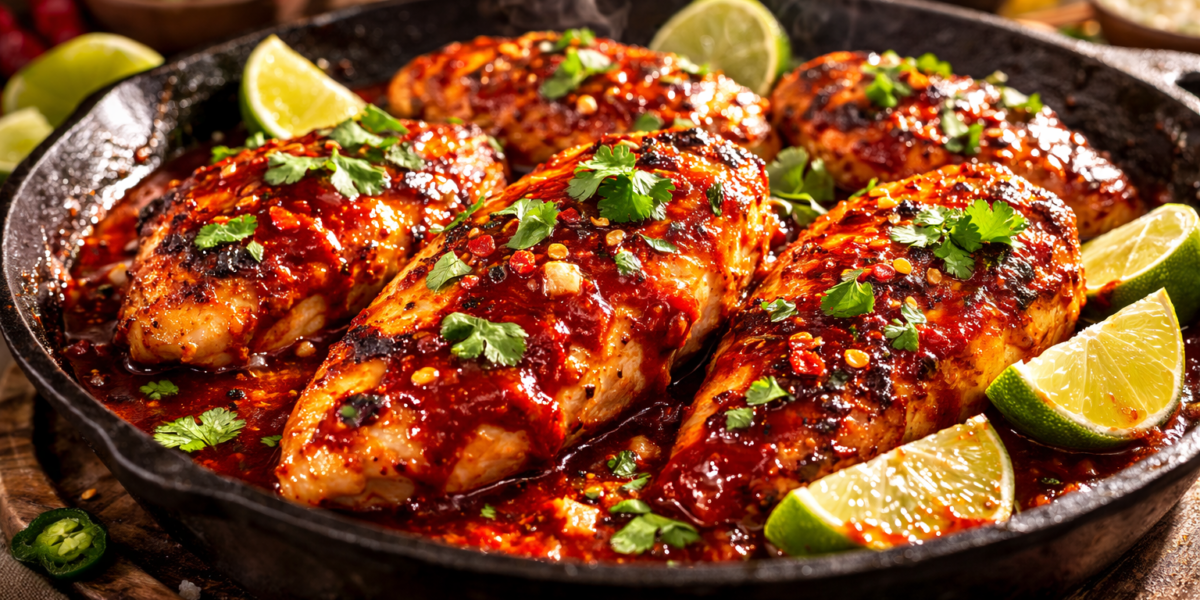
Mexican Chicken Recipes One of the most persistent frustrations in the home kitchen is the “bland poultry syndrome.” When browsing through various Mexican chicken recipes, many home cooks find themselves disappointed by results that are either unpleasantly dry or lack the vibrant, deep-red char characteristic of authentic roadside Pollo Asado. The problem usually stems from a lack of acidity in the marinade or a failure to properly “bloom” the spices before they hit the heat.
The following guide focuses on a definitive Mexican chicken recipe—specifically, a citrus-marinated, achiote-rubbed grilled chicken. By moving beyond simple “taco seasoning” and embracing the technical balance of citric acid, annatto, and smoke, you can transform a standard bird into a masterpiece of Yucatan-inspired culinary art. Whether you are prepping for a family feast or looking for a high-protein meal prep solution, this approach ensures every bite is infused with the soul of Mexican street food.
Why This Recipe Works
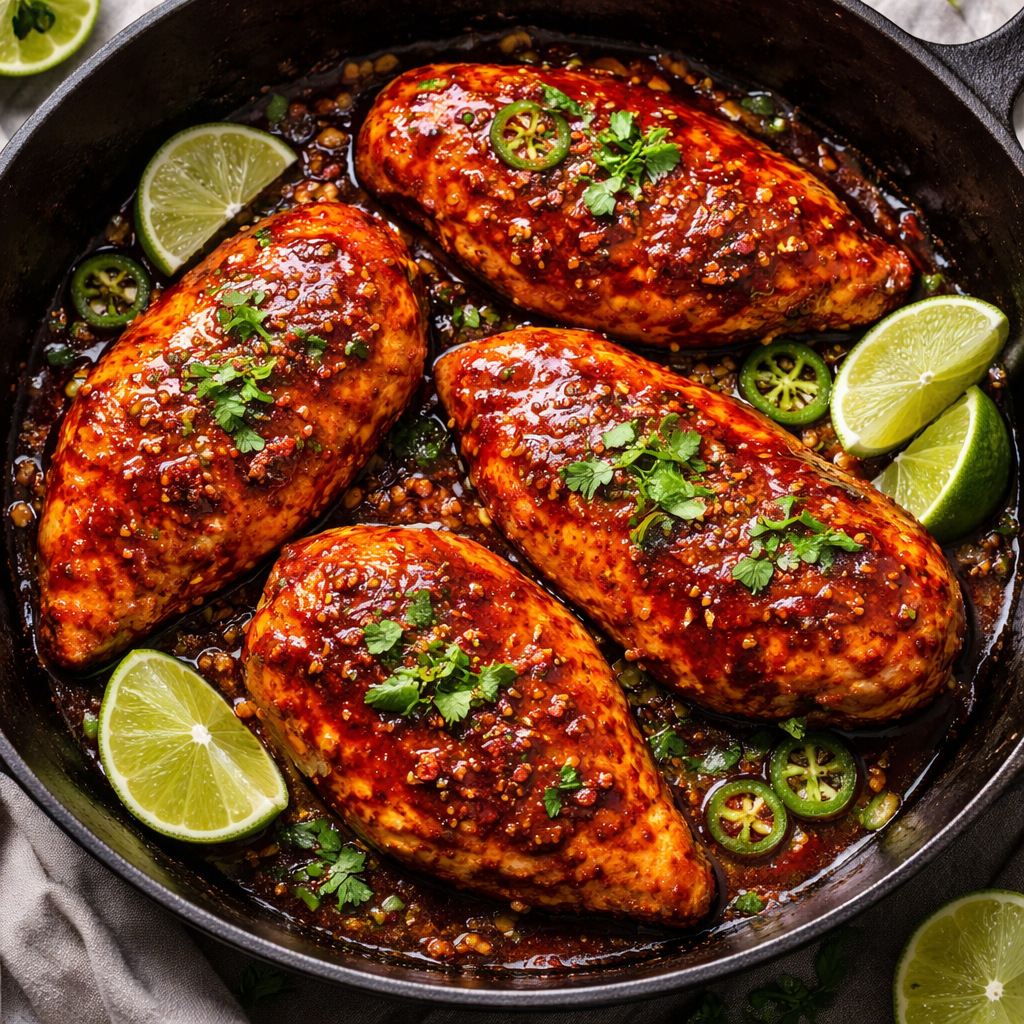
This specific iteration of Mexican chicken recipes is engineered to solve the three main hurdles of poultry: texture, color, and flavor penetration.
- Enzymatic Tenderization: We utilize a dual-citrus base (orange and lime). The citric acid breaks down the tough protein fibers on the surface of the chicken, allowing the marinade to penetrate deep into the muscle rather than just sitting on top.
- The Achiote Factor: Achiote (annatto) is the secret to that iconic orange-red hue. Beyond color, it provides a mild, earthy, and slightly peppery flavor that defines authentic Mexican grilled chicken.
- High-Heat Caramelization: By including a small amount of natural sugar (from the orange juice) and a high-smoke-point oil, we encourage the Maillard reaction. This creates the crispy, charred skin that provides a textural contrast to the succulent meat.
Ingredients & Measurements
To achieve professional results, accuracy in your marinade ratios is vital. This recipe is scaled for approximately 3.5 to 4 lbs of chicken (either a whole butterflied chicken or a mix of thighs and drumsticks).
The Marinade Base
- ¼ cup Achiote Paste: Look for high-quality annatto paste in the international aisle.
- ½ cup Fresh Orange Juice: Preferably bitter orange (Seville), but a 50/50 mix of navel orange and lime juice is a perfect substitute.
- ¼ cup Fresh Lime Juice: Provides the necessary sharp acidity.
- 3 tbsp Extra Virgin Olive Oil: To carry the fat-soluble spice flavors.
The Aromatic Blend
- 6 cloves Garlic: Smashed and minced into a paste.
- 1 tbsp Dried Mexican Oregano: More citrusy and earthy than the Mediterranean variety.
- 1 tsp Ground Cumin: For a warm, smoky undertone.
- 1 tsp Smoked Paprika: To enhance the “grilled” flavor profile.
- 1½ tsp Kosher Salt: To season the meat deeply.
- ½ tsp Coarse Black Pepper: For a subtle back-end heat.
The Protein
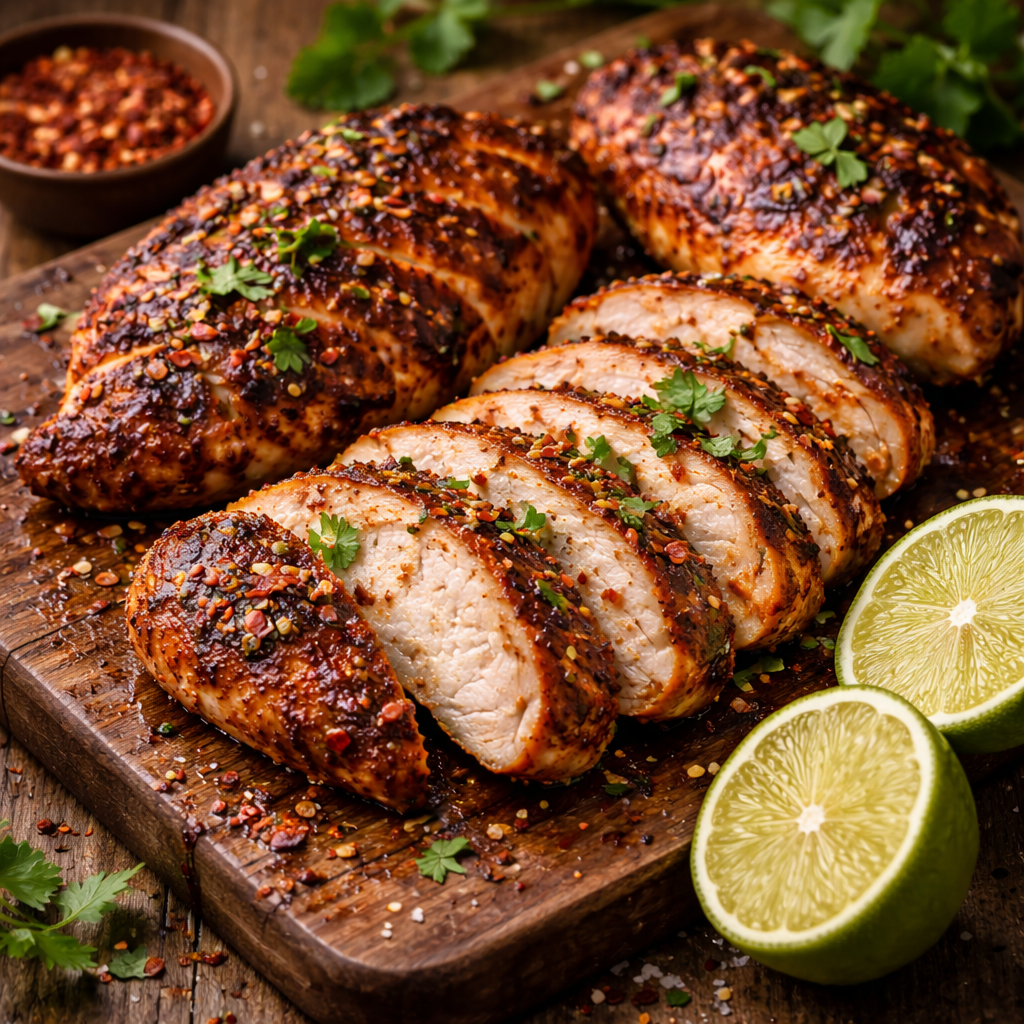
- 4 lbs Chicken Thighs (Bone-in, Skin-on): Bone-in cuts are essential for Mexican chicken recipes intended for the grill, as the bone protects the meat from drying out during the high-heat sear.
Step-by-Step Cooking Guide
1. Preparing the Marinade (The Flavor Infusion)
In a medium glass bowl, combine the achiote paste and the citrus juices. Use a whisk or a fork to break down the paste until it is completely dissolved and no lumps remain. Stir in the garlic, oregano, cumin, paprika, salt, pepper, and olive oil.
2. Trimming and Prepping the Poultry
Pat the chicken pieces completely dry with paper towels. If using thighs, trim away any excessive overhanging skin, but keep the skin over the meat intact. Using a sharp knife, make 2 or 3 shallow slashes into the thickest part of the meat. This allows the marinade to bypass the skin barrier.
3. The Marination Window
Place the chicken in a large glass dish or a heavy-duty gallon bag. Pour the marinade over the chicken, ensuring every crevice is coated.
- The Timing: Marinate for at least 4 hours. For the most profound flavor, let it sit for 12 to 24 hours. Do not exceed 24 hours, or the acid will begin to “cook” the chicken, resulting in a mealy texture.
4. Setting the Heat
Prepare your grill for two-zone cooking. If using charcoal, pile the coals on one side. If using gas, turn one set of burners to medium-high and leave the other off.
5. The Initial Sear
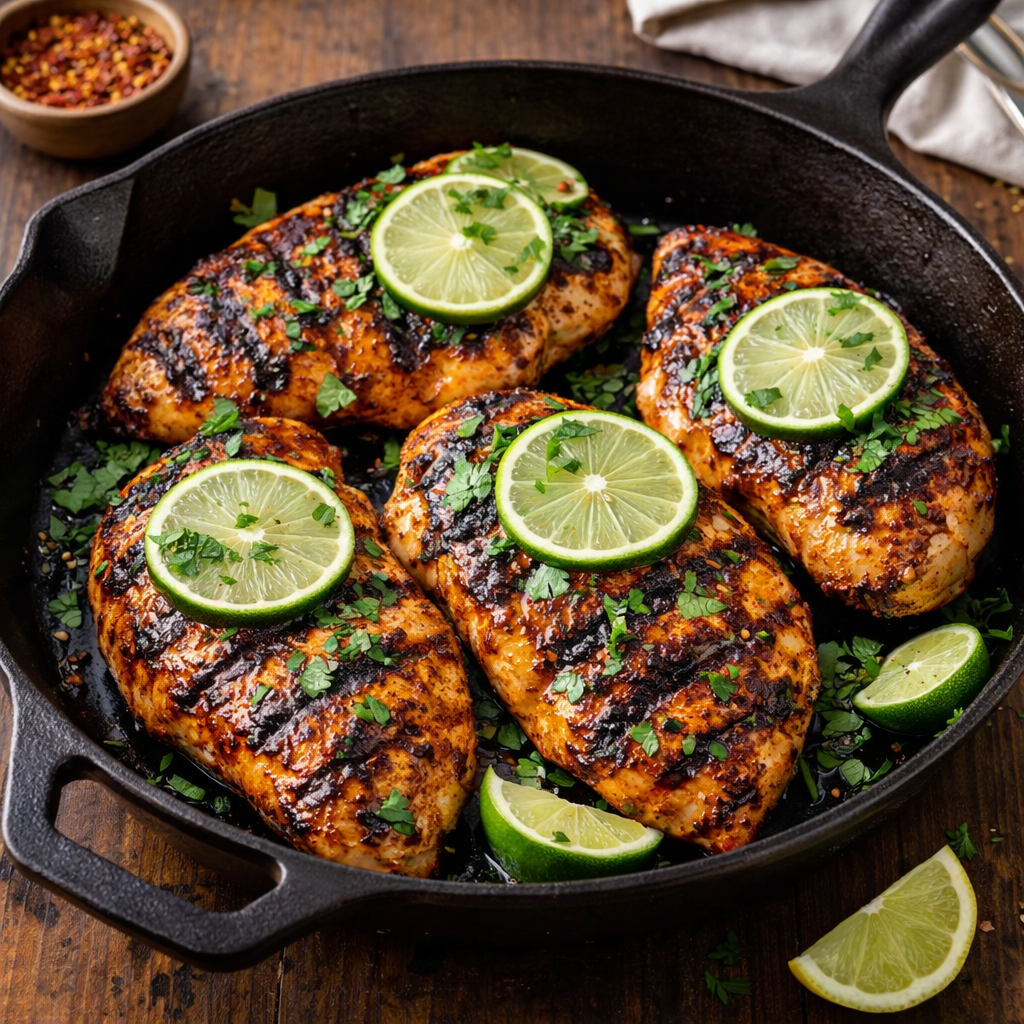
Place the chicken, skin-side down, over the direct heat (the hot zone). Sear for 4–6 minutes. Do not move the chicken until the skin naturally releases from the grates. This creates the essential char that makes Mexican chicken recipes so distinctive.
6. The Indirect Finish
Once seared, move the chicken to the “cool zone” (indirect heat). Close the grill lid. This allows the chicken to roast evenly without burning the achiote rub, which can become bitter if exposed to direct flame for too long.
7. The Rest
Remove the chicken from the grill and place it on a warm platter. Cover loosely with foil and let it rest for 10 minutes. This allows the internal juices to redistribute, ensuring a moist result.
Common Mistakes to Avoid
- Using Boneless, Skinless Breasts: While common in “quick” Mexican chicken recipes, breasts often dry out before the marinade flavors can develop on the grill. If you must use breasts, reduce the cooking time significantly.
- Crowding the Grill: If the chicken pieces are touching, they will steam rather than sear. Give them space to ensure a crispy exterior.
- Skipping the Achiote: Annatto is not just a food coloring. It provides a unique, earthy flavor that cannot be replicated by paprika alone.
- Flipping Too Frequently: Authentic Pollo Asado requires a steady sear. Flip only once during the direct heat phase and once during the indirect phase.
Timing & Doneness Indicators
Poultry safety is paramount, but overcooking is the enemy of flavor. Use these indicators for your Mexican chicken recipe:
Serving Suggestions
A great Mexican chicken recipe is only half the battle; the presentation and accompaniments define the meal.
- The Traditional Platter: Serve the chicken whole or chopped with a side of Mexican red rice and frijoles de la olla (pot-cooked beans).
- The Taco Route: De-bone the chicken and chop it into bite-sized pieces. Serve with warm corn tortillas, pickled red onions, and a vibrant Salsa Verde.
- The Brightness Factor: Always serve with plenty of fresh lime wedges. The hit of fresh acid just before eating wakes up the earthy cumin and achiote notes.
- Garnish: A heavy sprinkle of fresh cilantro and sliced radishes adds the necessary crunch and herbal lift to the rich, charred meat.
FAQ: Solving Your Cooking Frustrations
Q: Why does my chicken skin turn out rubbery instead of crispy? A: This usually happens because the grill wasn’t hot enough during the initial sear, or the chicken was too wet when it went into the marinade. Ensure the grill is preheated for at least 15 minutes and always pat the chicken dry before marinating.
Q: Can I make this Mexican chicken recipe in the oven? A: Absolutely. Preheat your oven to 425°F (220°C). Place the marinated chicken on a wire rack set over a baking sheet. Roast for 35–45 minutes. For the final 3 minutes, turn on the broiler to achieve the charred effect.
Q: Is achiote paste spicy? A: No. Achiote is earthy and mild. The “heat” in Mexican chicken recipes usually comes from added chili powders or hot salsas served on the side. This recipe is family-friendly and mild.
Q: My marinade is very thick. Should I water it down? A: Never use water. If the paste is too thick to whisk, add a tablespoon more of orange juice or oil. Water will dilute the flavor and prevent the meat from searing properly.
Q: How do I store leftovers without the chicken becoming “rubbery”? A: Shred the leftover meat while it is still slightly warm and store it in its own juices in an airtight container. When reheating, use a skillet with a splash of chicken broth rather than the microwave.