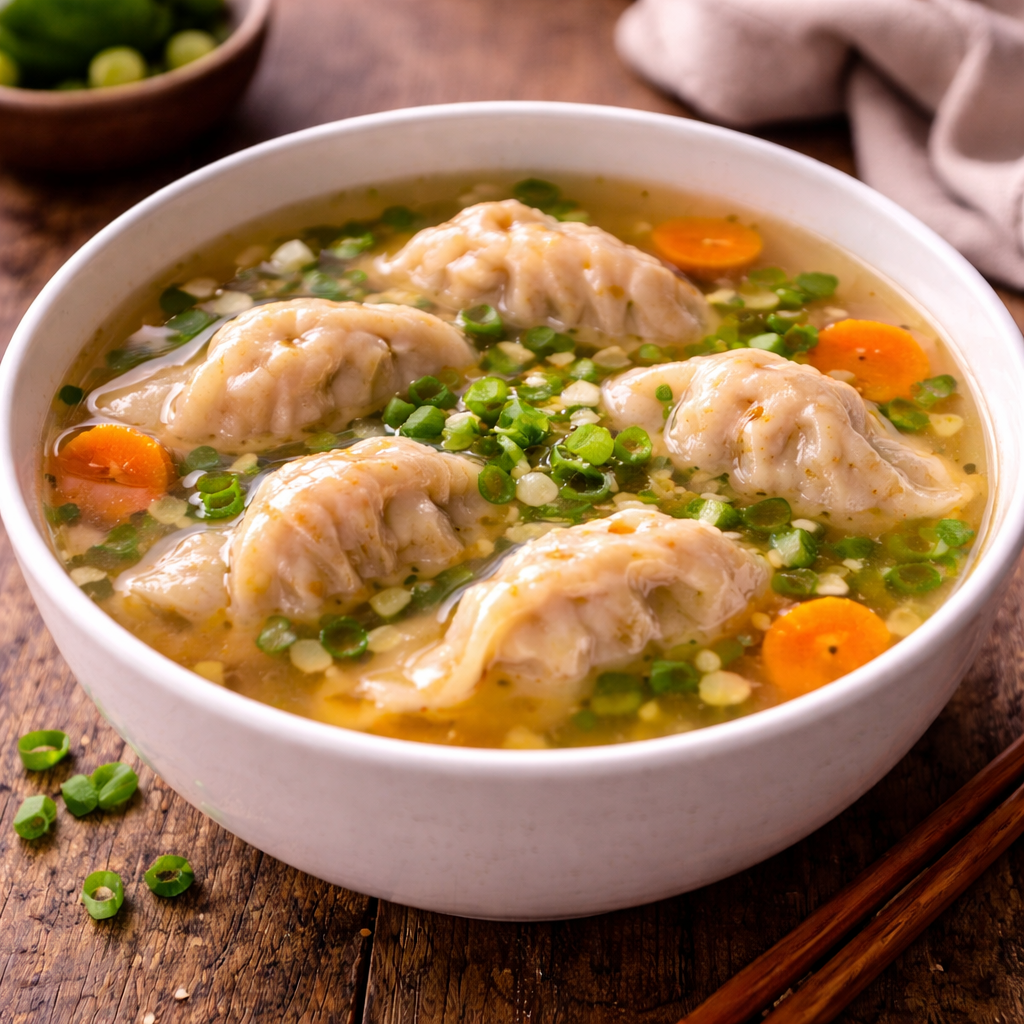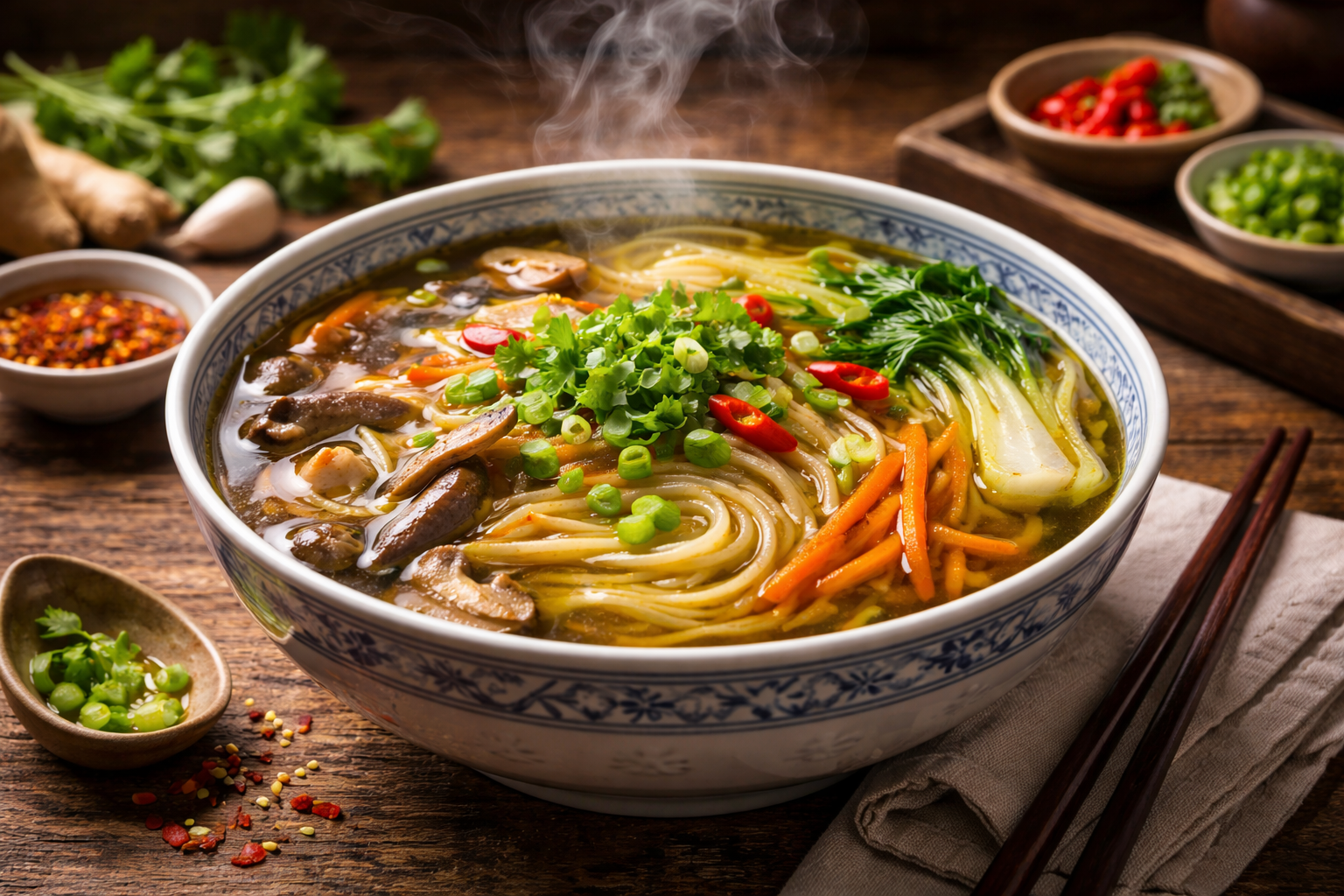
There’s something deeply restorative about a steaming bowl of soup. Whether it’s the bite of ginger on a cold afternoon or the savory depth of a slow-simmered dashi, Asian soup recipes have a way of nourishing both the body and the soul.
In my kitchen, soup isn’t just a starter; it’s the main event. Over the years, I’ve found that the secret to the best Asian soup recipes lies in the balance of the “big four”: sweet, sour, salty, and spicy. When you hit that harmony, you don’t just have a meal—you have an experience.
Today, I’m sharing a versatile, soul-warming Sesame Ginger Chicken & Rice Soup. It’s inspired by the classic flavors of East Asia but designed for the home cook who wants maximum flavor with minimum fuss.
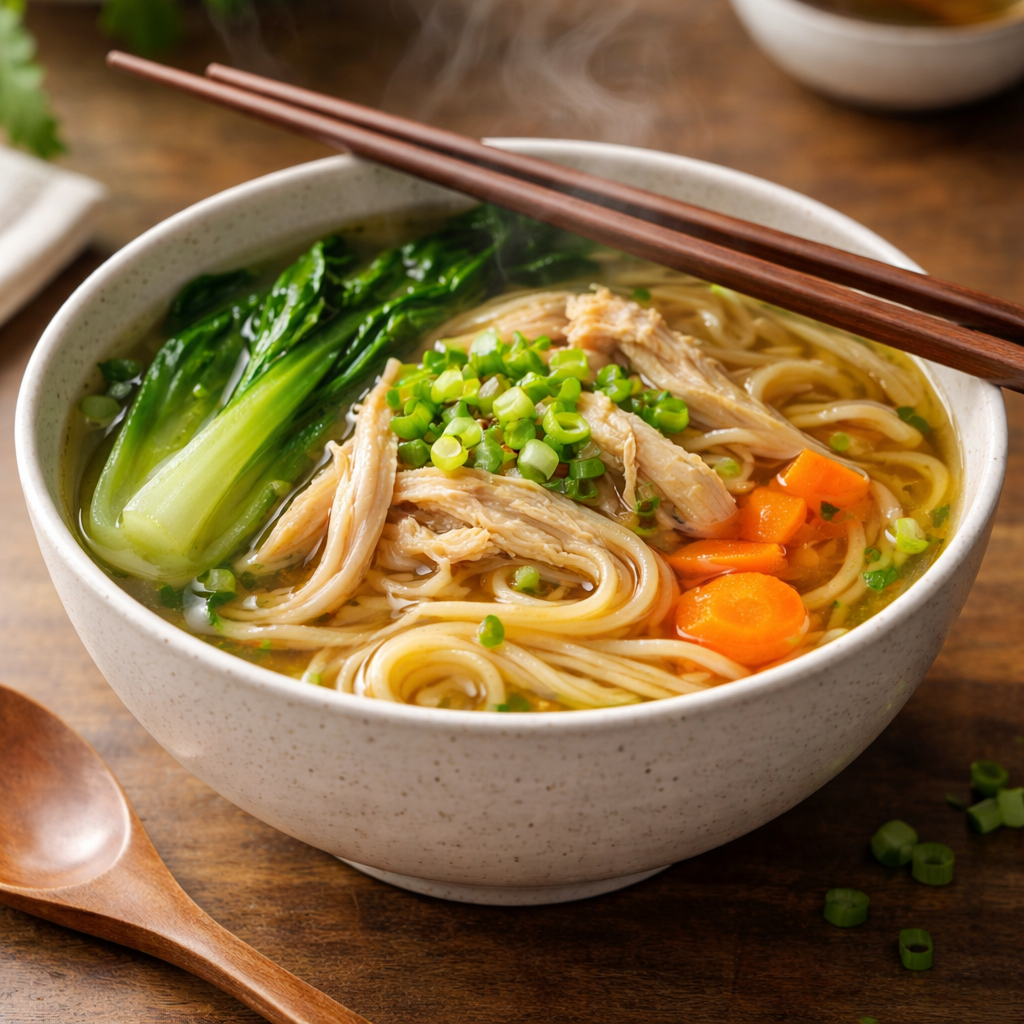
What You Need
To master Asian soup recipes, your pantry is your best friend. For this specific recipe, we are focusing on aromatics and high-quality liquids to build a complex base.
The Fresh Aromatics
- Ginger: About a 3-inch knob, peeled and sliced into matchsticks.
- Garlic: 4–6 cloves, smashed and minced.
- Green Onions: Separated into white parts (for the broth) and green parts (for garnish).
- Shiitake Mushrooms: Fresh or dried (rehydrated). They add a vital “umami” punch.
The Protein & Grain
- Chicken Thighs: 1 lb, boneless and skinless. Thighs stay tender in the broth compared to breasts.
- Jasmine Rice: 1 cup, rinsed thoroughly.
The Flavor Makers
- Chicken Bone Broth: 6 cups. Using bone broth adds a silky mouthfeel.
- Soy Sauce: Use Tamari for a gluten-free option.
- Toasted Sesame Oil: For that nutty, irresistible aroma.
- Rice Vinegar: Just a splash for acidity.
- Star Anise: 1 whole pod (optional, but highly recommended for depth).
How to Make This Recipe
1. Sear the Aromatics
Start by heating a splash of neutral oil in a large pot over medium heat. Add your ginger, garlic, and the white parts of the green onions. Sauté until fragrant—about 2 minutes. You want them soft, not browned.
2. Brown the Protein
Add your chicken (see the marinade section below for an extra flavor boost!). Sear the chicken pieces until they are golden on the outside. They don’t need to be cooked through yet.
3. Build the Broth
Pour in the chicken bone broth and soy sauce. Drop in the star anise and the sliced mushrooms. Bring the mixture to a gentle boil, then reduce the heat to low.
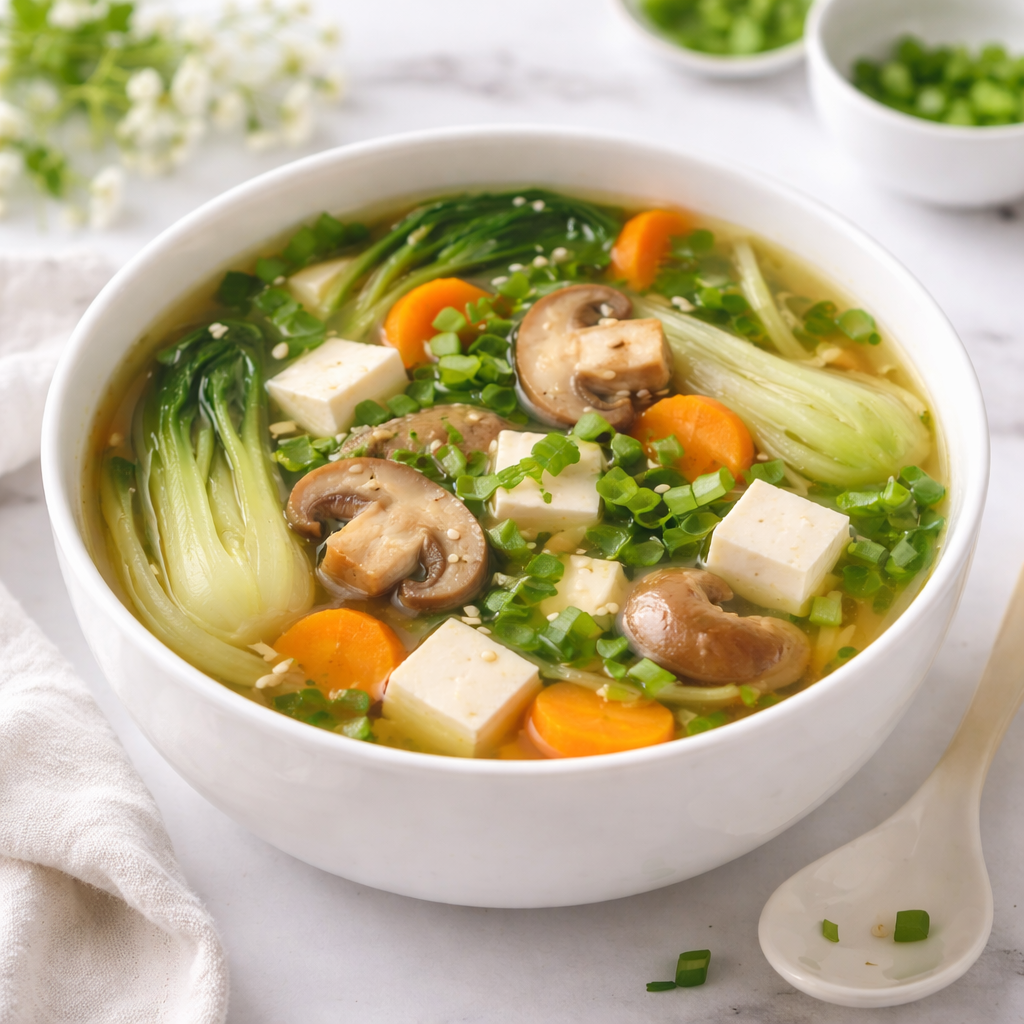
4. Simmer the Rice
Add the rinsed jasmine rice directly into the broth. Cover the pot and let it simmer for about 15–20 minutes. The rice will absorb the flavors of the ginger and chicken as it softens.
5. The Finishing Touch
Once the rice is tender and the chicken is fully cooked, remove the star anise. Stir in the toasted sesame oil and rice vinegar right before serving to keep the flavors bright.
Why This Recipe Works
The reason this stands out among other Asian soup recipes is the technique of one-pot infusion.
By cooking the rice directly in the broth, the grains release starches that naturally thicken the soup, creating a velvety texture without needing heavy creams or cornstarch. Additionally, using fresh ginger matchsticks rather than ground ginger provides “pockets” of heat that cut through the richness of the sesame oil.
Quick Marinade Tips
If you have an extra 15 minutes, marinating your protein is the single best way to elevate Asian soup recipes.
- The “Velveting” Trick: Mix your raw chicken with 1 teaspoon of cornstarch, 1 teaspoon of soy sauce, and a dash of white pepper. This creates a protective barrier that keeps the meat incredibly tender even in boiling broth.
- Acid Alert: Avoid putting vinegar in your marinade if you plan to let it sit for hours, as it can break down the meat fibers too much. Save the acid for the pot!
Making Creamy Brothy Rice
In many Asian soup recipes, the rice is served on the side. However, for a “comfort food” feel, we want a consistency similar to Congee or Juk, but lighter.
To achieve the perfect creamy-yet-defined grain:
- Rinse well: Remove excess surface starch so the soup doesn’t become a “glue.”
- Agitate: Give the soup a good stir every 5 minutes. This encourages the rice to release just enough starch to give the broth body.
- Liquid Ratio: If you prefer a thinner soup, keep extra broth on hand. Rice continues to absorb liquid as it sits!
Best Toppings to Try
Toppings are where you can get creative and add much-needed texture. A great bowl of soup should have something crunchy, something fresh, and something spicy.
- Chili Crunch: A spoonful of spicy chili crisp is non-negotiable for heat lovers.
- Soft-Boiled Egg: A 6-minute egg with a jammy yolk adds incredible richness.
- Fresh Herbs: Cilantro and Thai basil bring a floral freshness.
- Radish: Thinly sliced radishes add a peppery crunch.
- Fried Shallots: You can buy these at Asian markets; they add a savory, toasted flavor.
Smart Ingredient Swaps
Don’t have everything in the pantry? Many Asian soup recipes are incredibly forgiving.
| Original Ingredient | Best Substitute |
| Shiitake Mushrooms | Cremini or Portobello (sliced thin) |
| Jasmine Rice | Brown rice (increase cook time by 20 mins) or Rice Vermicelli |
| Soy Sauce | Liquid Aminos or Coconut Aminos |
| Chicken Thighs | Firm Tofu cubes or peeled Shrimp |
| Rice Vinegar | Lime juice or Apple Cider Vinegar |
Perfect for Meal Prep
If you love efficiency, Asian soup recipes are a dream for meal prepping.
Pro Tip: If you plan on eating this throughout the week, store the rice and broth separately. If you store them together, the rice will continue to drink the broth until you’re left with a thick porridge. To serve, simply place a scoop of cooked rice in a bowl and pour the piping hot broth over it. It will taste as fresh as the day you made it.
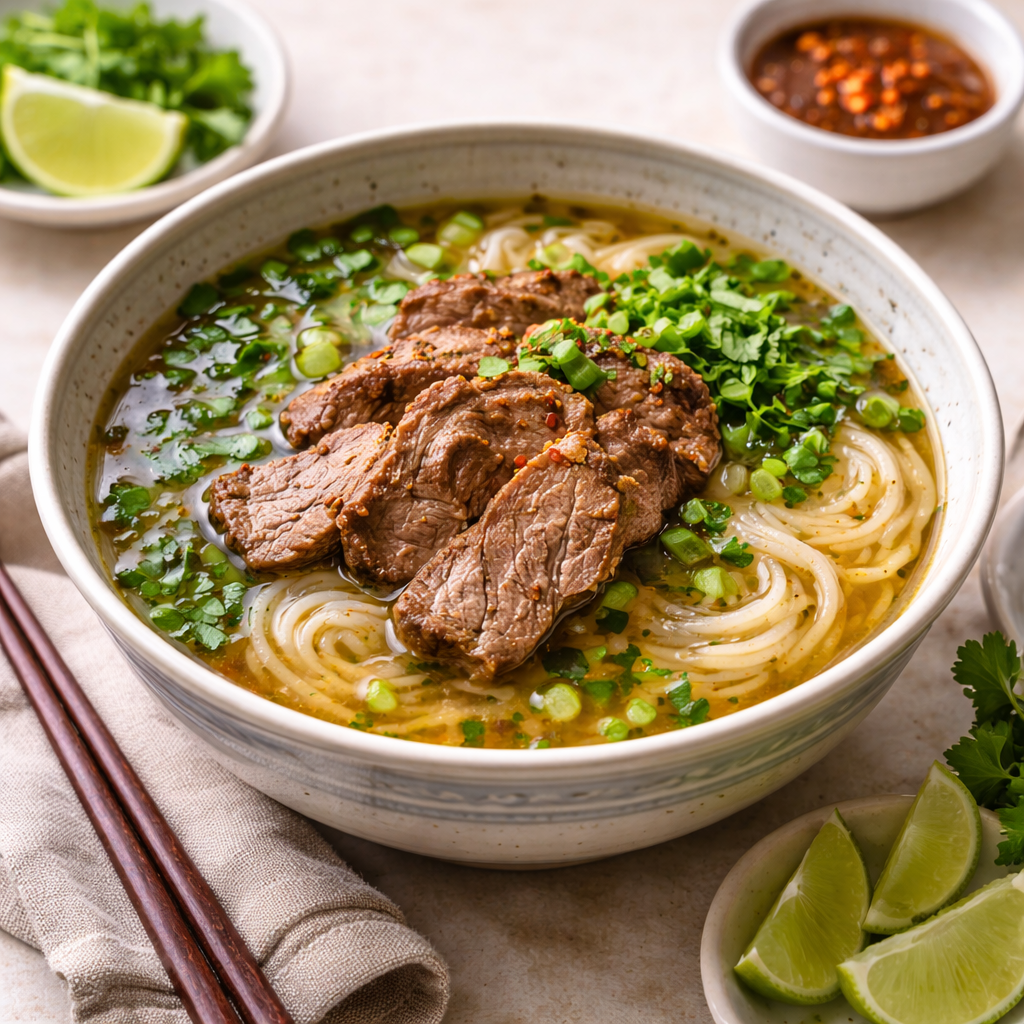
How to Serve It
Presentation matters! To serve this like a pro:
- Ladle the rice and chicken into the center of a deep bowl first.
- Pour the broth around the edges so the rice stays mounded.
- Arrange your toppings in small clusters rather than scattering them everywhere.
- Finish with a final drizzle of sesame oil and a sprinkle of toasted sesame seeds.
Serve it alongside a light smashed cucumber salad or some steamed bok choy to round out the meal.
Common Mistakes to Avoid
Even the simplest Asian soup recipes can go wrong if you rush the process.
- Overcooking the Aromatics: If you burn the garlic or ginger at the start, the entire broth will taste bitter. Keep the heat at medium-low.
- Using Cold Broth: Always try to use room temperature or warm broth when adding it to the pot to keep the cooking temperature consistent.
- Skipping the Salt: Even with soy sauce, you might need a pinch of sea salt. Taste the broth after the rice has cooked, as the rice absorbs salt.
- Neglecting the Finish: Never skip the “bright” ingredient at the end (lime or vinegar). It “wakes up” the heavy savory flavors.
Lipton Onion Soup Meatloaf Recipe