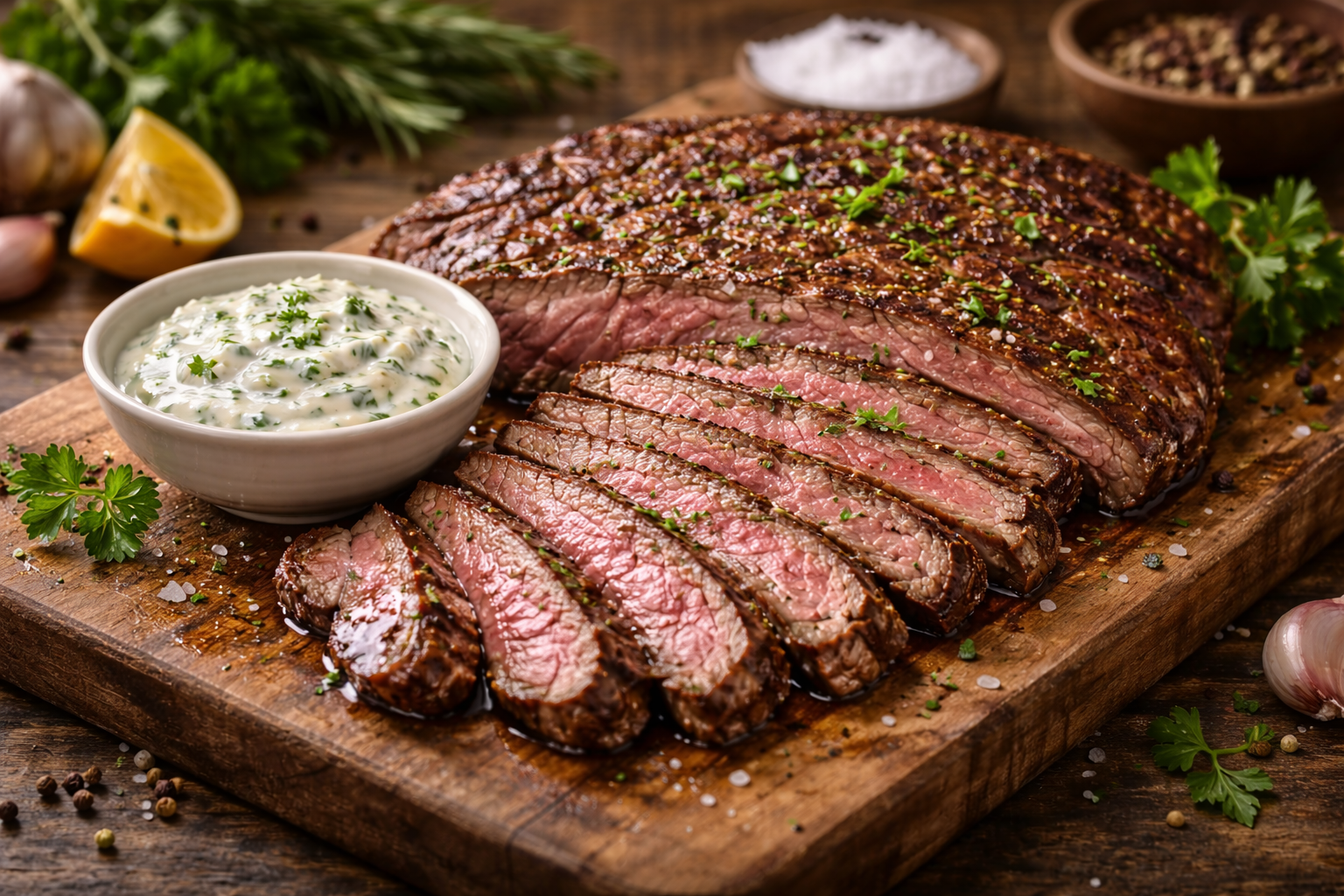
There is something incredibly rewarding about mastering a cut of meat that is as versatile as it is flavorful. If you have ever stared at the meat counter wondering how to bridge the gap between a casual weeknight dinner and a gourmet-style feast, look no further than the flank steak. This long, flat cut is a favorite among chefs and home cooks alike for its deep, beefy flavor and its ability to absorb marinades like a sponge.
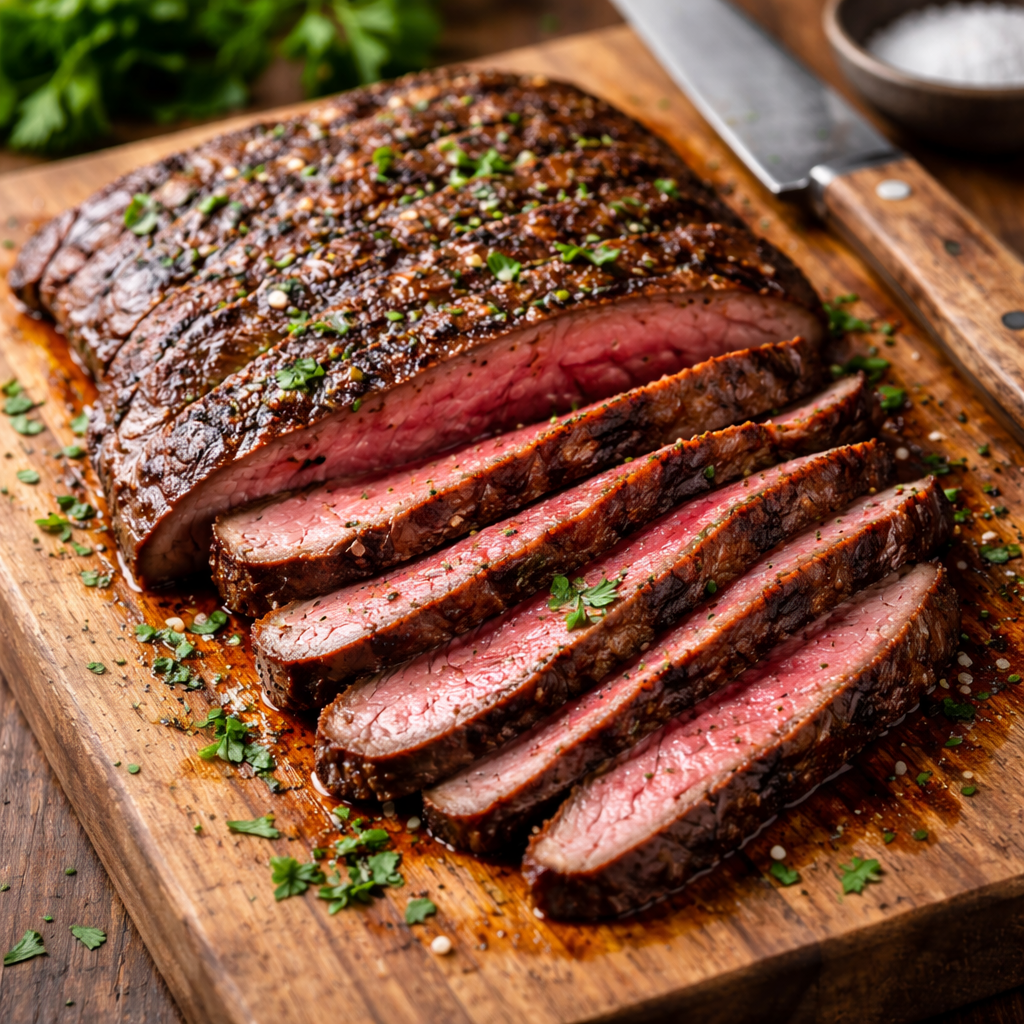
In this guide, we are diving deep into one of the most reliable Beef Flank Steak Recipes you will ever encounter. Whether you are planning to fire up the backyard grill or use a heavy cast-iron skillet on your stovetop, the secret to success lies in understanding the anatomy of the meat. Flank steak is lean and muscular, meaning it requires just a bit of finesse to transform it into buttery, melt-in-your-mouth slices. Let’s explore how to turn this hardworking cut into the star of your dinner table.
Why You’ll Love This Recipe
The primary reason this Beef Flank Steak Recipes approach stands out is the incredible efficiency it offers. Flank steak is relatively thin compared to a ribeye or a roast, which means it cooks in a fraction of the time. If you have twenty minutes and a hot pan, you have a high-end protein ready to go.
Furthermore, you will love the sheer “flavor-to-effort” ratio. Because flank steak has a coarse grain, it provides a larger surface area for marinades to cling to. This recipe focuses on a balanced marinade that hits salty, sweet, and acidic notes, ensuring that every bite is seasoned from the inside out. It is also an excellent choice for those looking for a leaner red meat option that doesn’t sacrifice the “beefy” intensity we all crave.
What You Need to Get Started
To create a masterpiece, you need to start with the right tools and ingredients. For the best Beef Flank Steak Recipes, quality is paramount.
- The Steak: 1.5 to 2 lbs of Beef Flank Steak. Look for a piece that is uniform in thickness so it cooks evenly.
- The Acid: Balsamic vinegar or freshly squeezed lime juice. This breaks down the tough muscle fibers.
- The Salt/Umami: Low-sodium soy sauce or Worcestershire sauce.
- The Sweetener: Honey or brown sugar. This aids in caramelization (the Maillard reaction) for a beautiful crust.
- The Aromatics: Fresh garlic (minced) and ginger.
- The Fat: Extra virgin olive oil to keep the meat moist.
- Spices: Black pepper, red pepper flakes, and a touch of dried oregano.
How to Prepare the Ingredients
Preparation is the most critical phase when dealing with flank steak. Because this cut is lean and fibrous, the way you treat it before it hits the heat determines the final texture.
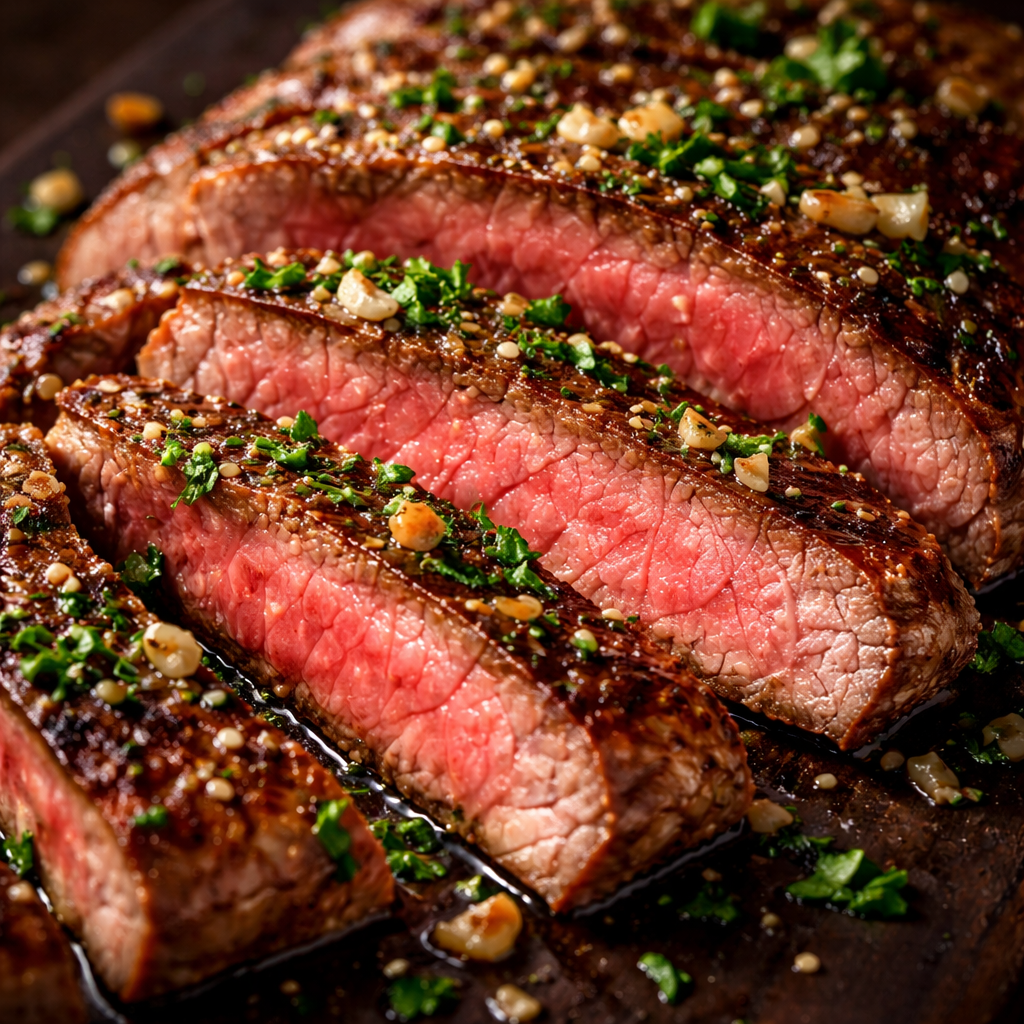
First, let’s talk about the marinade. Whisk your liquid ingredients, spices, and aromatics in a small bowl. Place your steak in a large gallon-sized freezer bag and pour the marinade over it. Massage the liquid into the meat to ensure every crevice is covered. For the best results, let it marinate for at least 4 hours, though overnight is the “chef’s choice” for maximum tenderness.
Before cooking, remove the steak from the fridge and let it sit on the counter for 30 minutes. Never cook a steak cold. If the center is chilled when it hits the pan, the outside will overcook and become rubbery before the middle reaches the correct temperature. Finally, pat the surface of the meat dry with paper towels. A wet steak will steam; a dry steak will sear.
Step-by-Step Cooking Instructions
- High Heat is Key: Whether using a grill or a skillet, get your cooking surface screaming hot. If using a pan, add a tablespoon of high-smoke-point oil (like avocado or grapeseed oil).
- The Sear: Lay the steak into the pan or onto the grill grates. You should hear a loud sizzle immediately. Sear for 4–5 minutes on the first side without moving it. We want a deep, mahogany crust.
- The Flip: Turn the steak over. It should release easily from the surface. Cook for another 3–4 minutes for medium-rare (an internal temperature of 130°F to 135°F).
- The Butter Baste (Optional): In the final minute of skillet cooking, toss in a knob of butter and a sprig of rosemary. Spoon the foaming butter over the meat to add a luxurious finish.
- The Rest: This is the most important step in all Beef Flank Steak Recipes. Move the steak to a cutting board and let it rest for at least 10 minutes. If you cut it too soon, the juices will run out, and the meat will be dry.
- The Slice: Look at the steak and identify the “grain” (the long muscle fibers). Always slice across the grain at a slight diagonal. This shortens the fibers, making each slice tender rather than chewy.
Best Time to Serve This Dish
Flank steak is a social meat. Because it is naturally large and meant to be sliced, it is the perfect “centerpiece” for a family-style dinner or a summer barbecue. It feels festive and generous without the high price tag of individual filets.
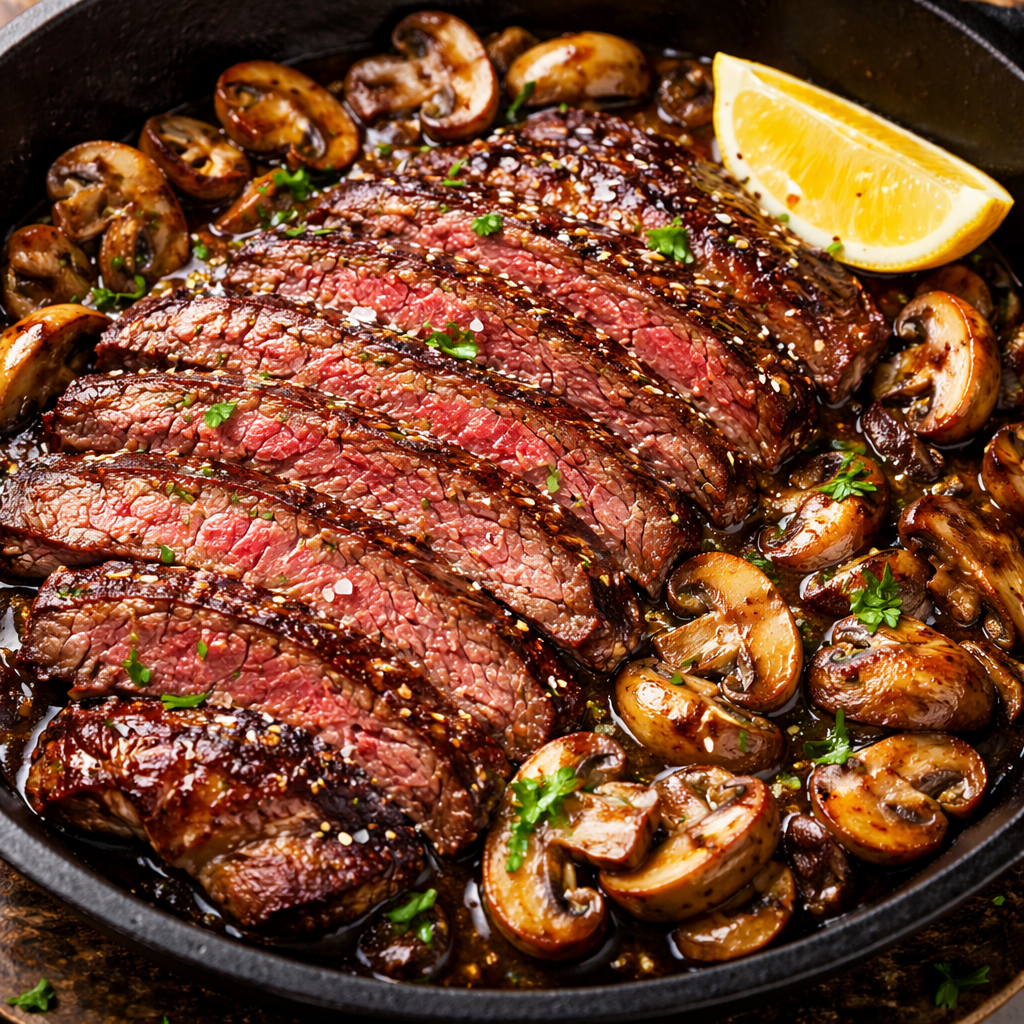
It is also an incredible option for Sunday meal prep. A single flank steak can provide the protein for several different meals throughout the week. Because it is delicious both hot and cold, it works just as well in a Tuesday night stir-fry as it does in a Monday afternoon steak salad.
Flavor Tips for Better Results
- Don’t Overcook: Flank steak is best served medium-rare. Once it passes medium, it can become quite tough. Use a digital meat thermometer to take the guesswork out of the process.
- Acid is Your Friend: If your steak still feels a bit tough, increase the vinegar or citrus in your marinade next time. The acid acts as a natural tenderizer.
- The Power of Umami: Adding a teaspoon of fish sauce or finely minced anchovy to your marinade won’t make it taste like fish, but it will make the beef taste “beefier.”
- The Sugar Balance: If your steak is burning before it’s cooked through, reduce the honey or sugar in your marinade. Sugar burns quickly, so keep a close eye on the crust.
Optional Add-Ins and Variations
One of the reasons we love Beef Flank Steak Recipes is the ability to travel the world with different flavor profiles:
- Carne Asada Style: Use lime juice, cilantro, cumin, and jalapeños in your marinade. Serve with warm tortillas and salsa verde.
- Asian Fusion: Use sesame oil, soy sauce, honey, and plenty of fresh ginger. Serve over a bed of jasmine rice with steamed bok choy.
- Chimichurri Topping: Keep the steak simple with salt and pepper, then smother the finished slices in a bright, garlicky parsley and vinegar sauce.
- Stuffed Flank Steak: Butterfly the steak, lay it flat, stuff it with spinach, feta, and sundried tomatoes, roll it up, and secure with twine before roasting.
How to Store and Reheat Properly
Storage: Leftover flank steak should be stored in an airtight container in the refrigerator for up to 3–4 days. Keep it as whole as possible to prevent the edges from drying out.
Reheating: To maintain that perfect medium-rare pink center, avoid the microwave. Instead, heat a skillet over medium-low heat with a splash of beef broth. Place the steak slices in the pan just long enough to warm through (about 1–2 minutes). Alternatively, eat it cold! Cold flank steak sliced thin is arguably the best sandwich meat in existence.
Serving Ideas for a Beautiful Presentation
To make your Beef Flank Steak Recipes look as good as they taste, focus on the “fan.” Arrange the slices on a large platter in an overlapping fan shape. This shows off the beautiful pink interior and the dark, caramelized crust.
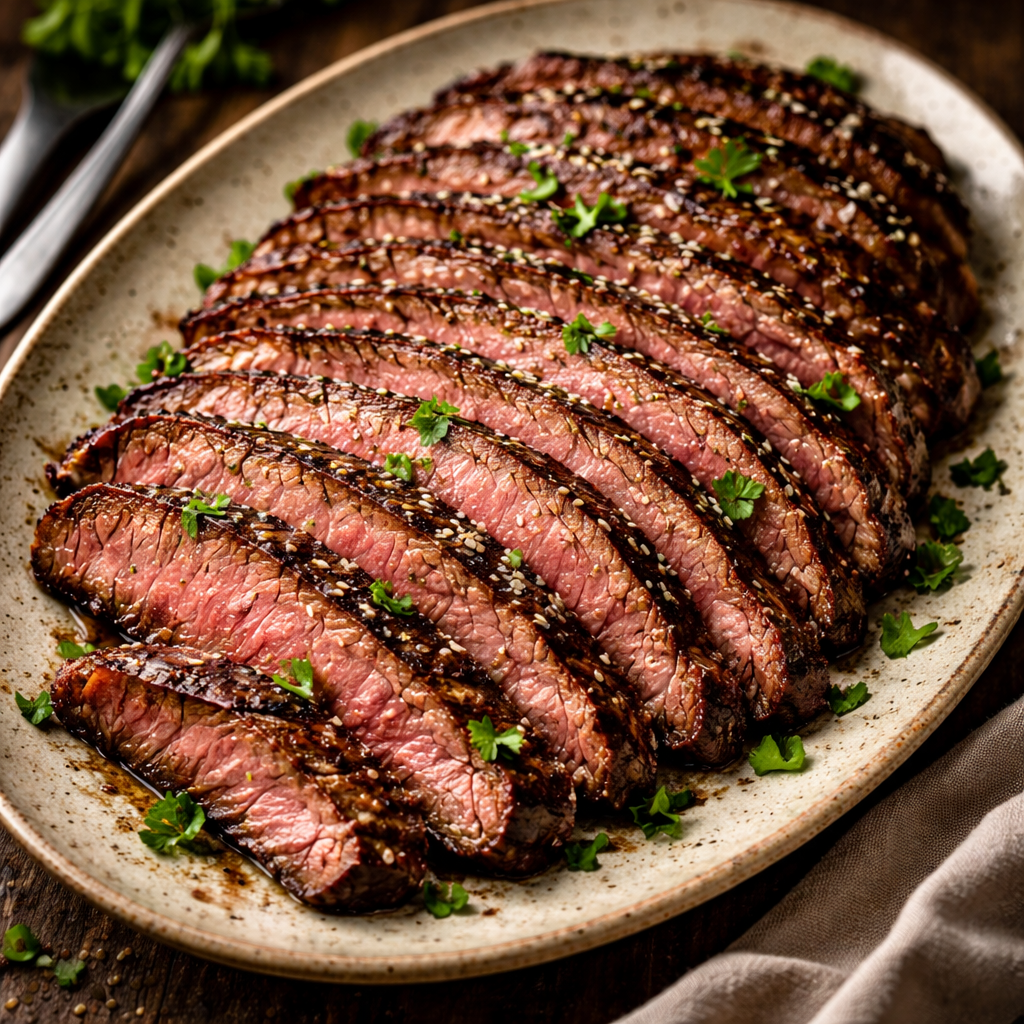
Garnish the platter with fresh herbs like parsley or cilantro and a few grilled scallions. If you used a marinade with citrus, place a few charred lime or lemon halves on the plate for a pop of color and an extra hit of fresh juice. Serving it alongside vibrant sides like a roasted corn salad (elote) or a bright kale and quinoa bowl creates a professional, balanced look.
Helpful Tips and Common Mistakes
- Mistake: Slicing with the Grain. If you slice in the same direction as the muscle fibers, the meat will be incredibly chewy and difficult to eat. Always cut perpendicular to the grain.
- Mistake: Skipping the Rest. Resting allows the muscle fibers to relax and reabsorb the juices. Skipping this step results in a messy cutting board and dry meat.
- Tip: Use a Sharp Knife. Because you want very thin slices, a dull knife will tear the meat. Use your sharpest carving or chef’s knife.
- Tip: The Marinade “Safety” Rule. If you want to use your marinade as a sauce, you must boil it in a small saucepan for at least 5 minutes first to kill any bacteria from the raw meat. Better yet, set aside a small portion of “clean” marinade before adding the steak.
Classic Beef Quesadilla Recipe