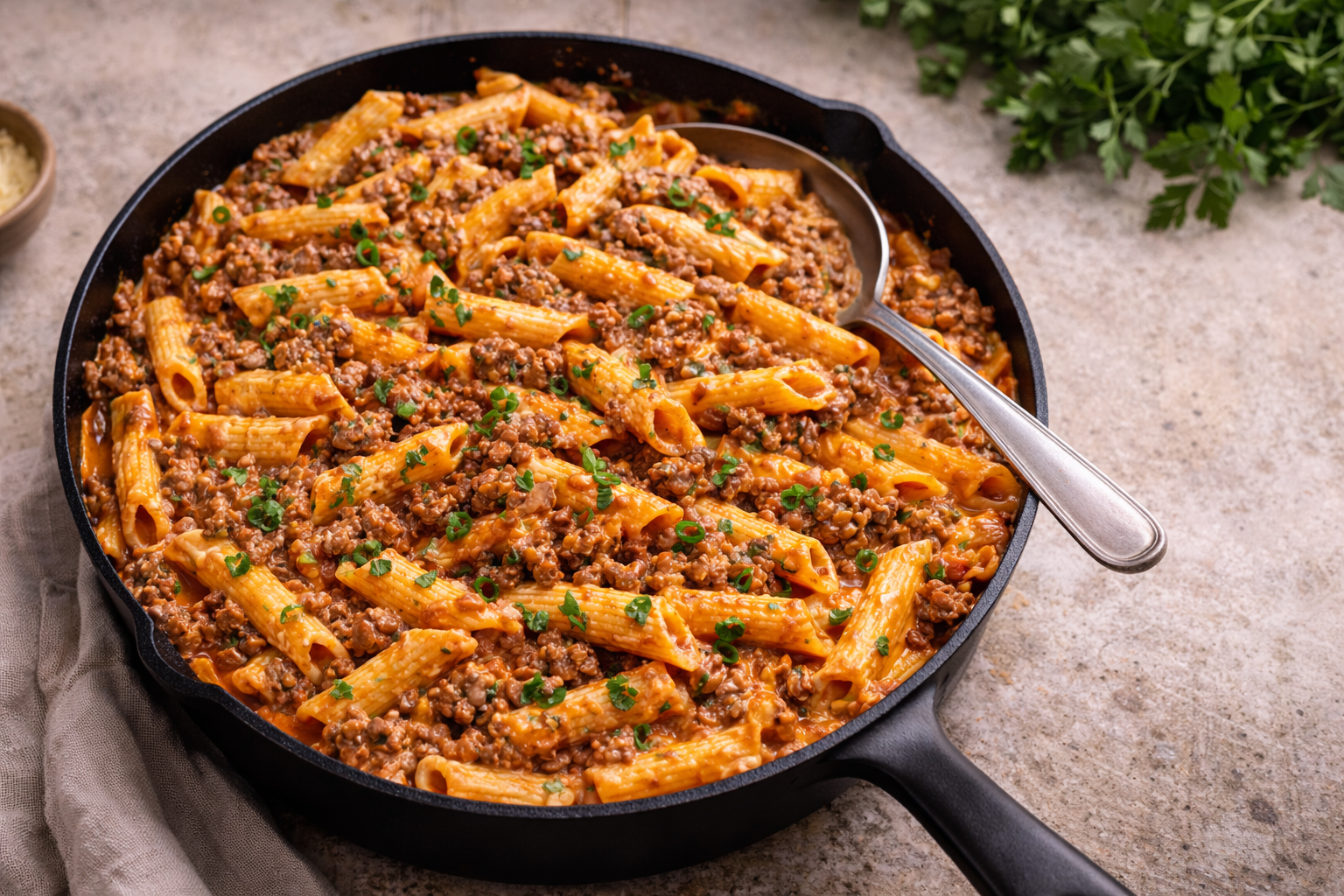
Beef Pasta RecipesThe marriage of beef and pasta is often reduced to a simple “meat sauce,” but in the repertoire of a serious cook, it represents one of the most versatile intersections of culinary technique. We aren’t just talking about a midweek bolognese. We are talking about the careful extraction of collagen from short ribs, the precise sear of a flank steak paired with pappardelle, or the emulsification of ground chuck into a silky, pan-finished ragu.
The secret to professional-grade beef pasta lies in the “marriage”—the final two minutes where the pasta and the beef sauce become a single, cohesive unit. To achieve this, you have to move beyond treating pasta as a bed of starch and start seeing it as a structural component that absorbs the beef’s rendered fats and savory juices.
Ingredient Breakdown: The Logic of the Pan
When selecting ingredients for beef pasta, you are balancing fat, acid, and starch. Each element must earn its place.
- The Beef (The Foundation): * Ground Chuck (80/20): If you are going for a classic ragu or a “cowboy” pasta, you need the fat. 80/20 provides enough rendered tallow to toast your aromatics and emulsify the sauce.
- Short Rib or Chuck Roast: For slow-braised applications. These cuts are high in connective tissue (collagen). Under low and slow heat, collagen transforms into gelatin, giving the sauce a lip-smacking richness that lean cuts simply cannot mimic.
- The Pasta (The Vessel): Choose a shape that matches the “weight” of the beef.
- Wide Ribbons (Pappardelle/Tagliateli): Ideal for heavy, chunky braises. The surface area allows the sauce to cling.
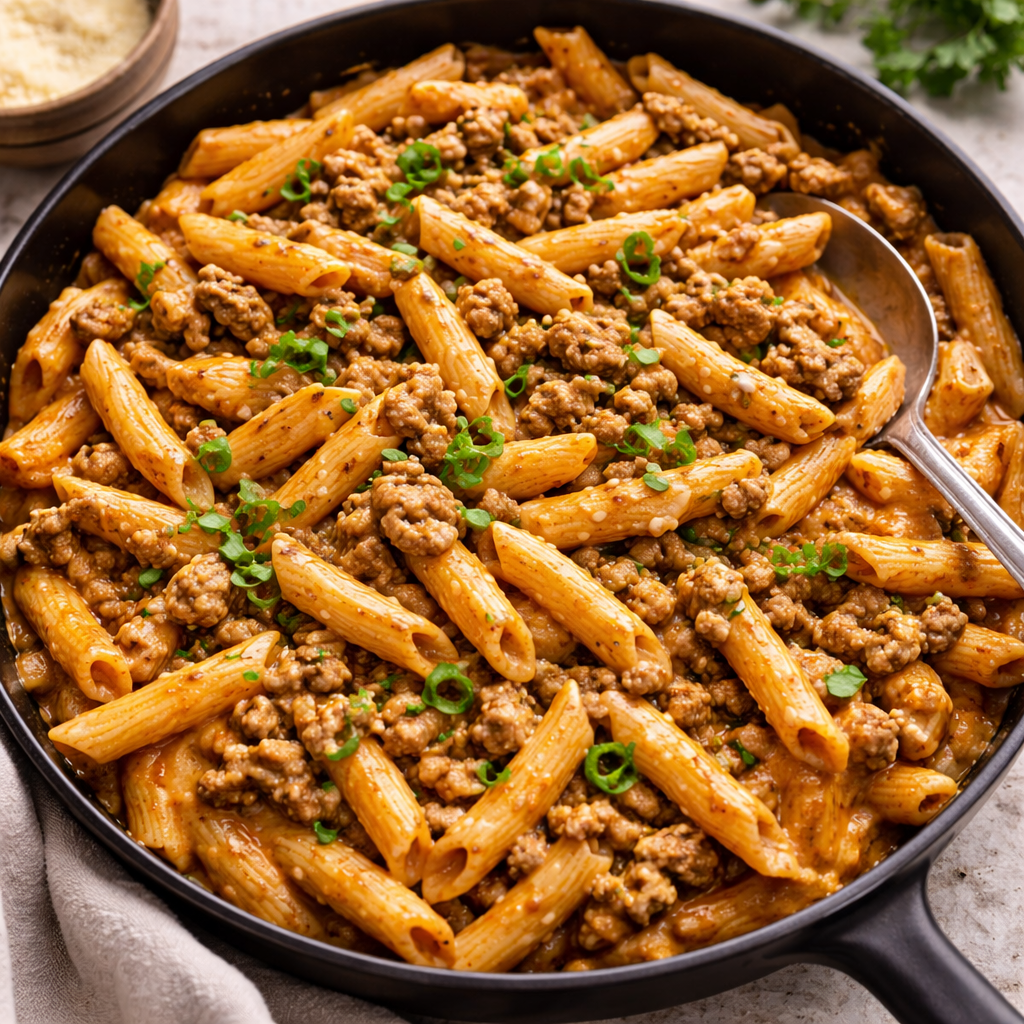
- Tubular Shapes (Rigatoni/Penne): Perfect for ground beef sauces where the meat can “hide” inside the tube, ensuring a balanced bite.
- Bronze-Die Cut: Look for pasta with a rough, dusty surface. This texture is essential for catching the sauce; smooth, cheap pasta allows the beef and oil to slide right off to the bottom of the bowl.
- The Liquid Gold (Pasta Water): Never throw this away. The cloudy, starchy water is a natural thickener. When combined with the fat from the beef and a bit of cheese, it creates a creamy emulsion without the need for actual cream.
- The Acid (Wine and Tomato): Beef is heavy. You need a “high-bright” note to cut through the richness. A dry red wine (like Chianti or Syrah) provides tannins that break down the palate’s perception of fat.
- The Umami Boosters (Anchovies, Parmigiano-Reggiano, or Tomato Paste): Even if you don’t like fish, a single anchovy melted into the beef fat adds a depth that salt alone cannot achieve. It provides a background “bass note” to the dish.
Preparation Strategy: Building the Base
A great beef pasta is built in layers. You cannot simply boil and toss; you must develop flavor through browning.
The Maillard Reaction
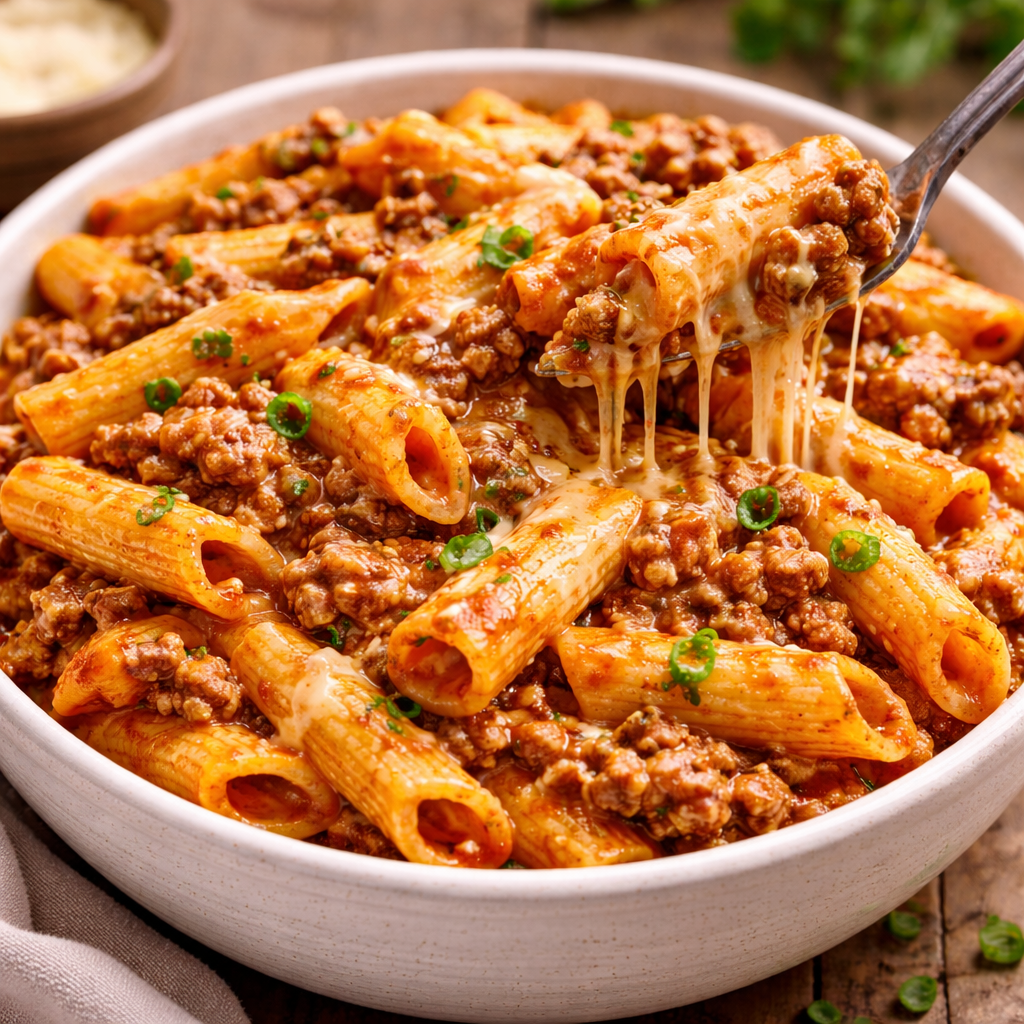
Before adding any liquid, your beef must be seared. If you are using ground beef, don’t just gray it in the pan. Let it sit undisturbed until a deep, dark brown crust forms on the bottom. This is the Maillard reaction—a chemical reaction between amino acids and reducing sugars that creates hundreds of different flavor compounds. If you skip this, your sauce will taste “boiled” rather than “braised.”
The “Soffritto”
Every legendary beef pasta starts with the holy trinity: onions, carrots, and celery. Dice them finely—smaller than the pieces of beef. They should melt into the background, providing sweetness and body without adding chunks to the final texture. Sauté them in the beef fat until the onions are translucent and the carrots have softened.
Cooking Instructions: The Signature Beef Ragu
This method focuses on a versatile, deeply flavorful ragu that works for everything from a Tuesday night dinner to a formal Sunday feast.
- The Sear: In a heavy Dutch oven, heat a splash of olive oil over medium-high. Add 1.5 lbs of ground beef (or 2 lbs of cubed chuck). Season aggressively with salt. Brown the meat thoroughly, breaking it into small bits. Remove the meat and set aside, but keep the rendered fat in the pan.
- Aromatic Development: Lower the heat to medium. Add 1 finely diced onion, 1 carrot, and 1 celery stalk. Scrape the bottom of the pan to pick up the “fond” (the brown bits). Add 3 cloves of minced garlic and a tablespoon of tomato paste. Cook the paste until it turns from bright red to a dark brick color—this removes the raw, metallic taste.
- The Deglaze: Pour in 1 cup of dry red wine. Let it simmer until it has reduced by half. This burns off the harsh alcohol and leaves behind the fruit and acid.
- The Simmer: Return the beef to the pan. Add 1 can of crushed tomatoes and 1 cup of beef stock. Drop in a bay leaf and a sprig of rosemary. Cover and simmer on the lowest setting for at least 45 minutes (for ground beef) or 3 hours (for cubed chuck).
- The Pasta Finish: Boil your pasta in highly salted water (it should taste like the sea). Drain it 2 minutes before the package says it is “al dente.”
- The Marriage: Transfer the undercooked pasta directly into the beef sauce. Add a half-cup of the starchy pasta water. Toss vigorously over medium heat. As the pasta finishes cooking in the sauce, it will soak up the beef flavor, and the starch will thicken the sauce into a glossy glaze.
- The Final Touch: Turn off the heat. Stir in a handful of grated Parmigiano-Reggiano and a tablespoon of cold butter. The cold butter creates a final emulsion that gives the sauce a professional sheen.
Flavor & Texture Indicators
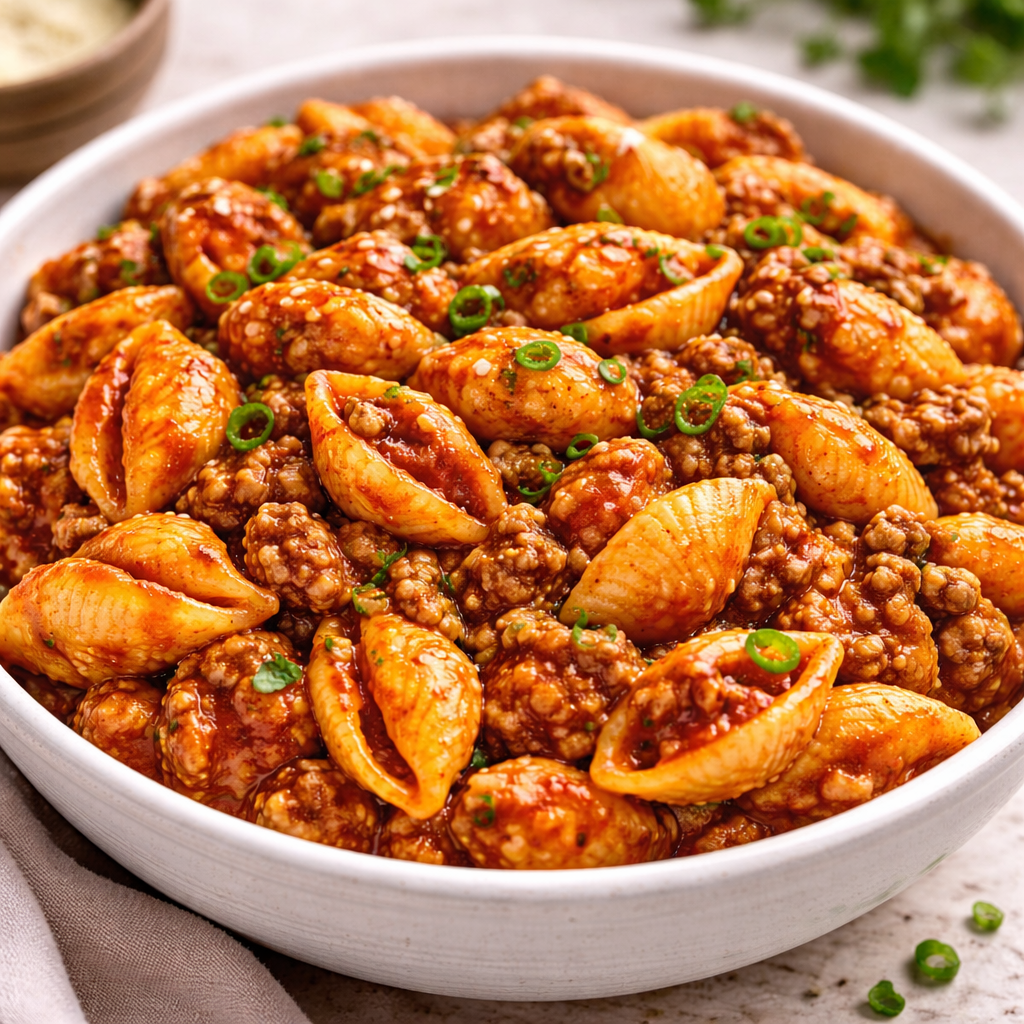
A perfect beef pasta should not be “soupy.” When you pull your fork through the bowl, the sauce should move with the pasta, not pool at the bottom.
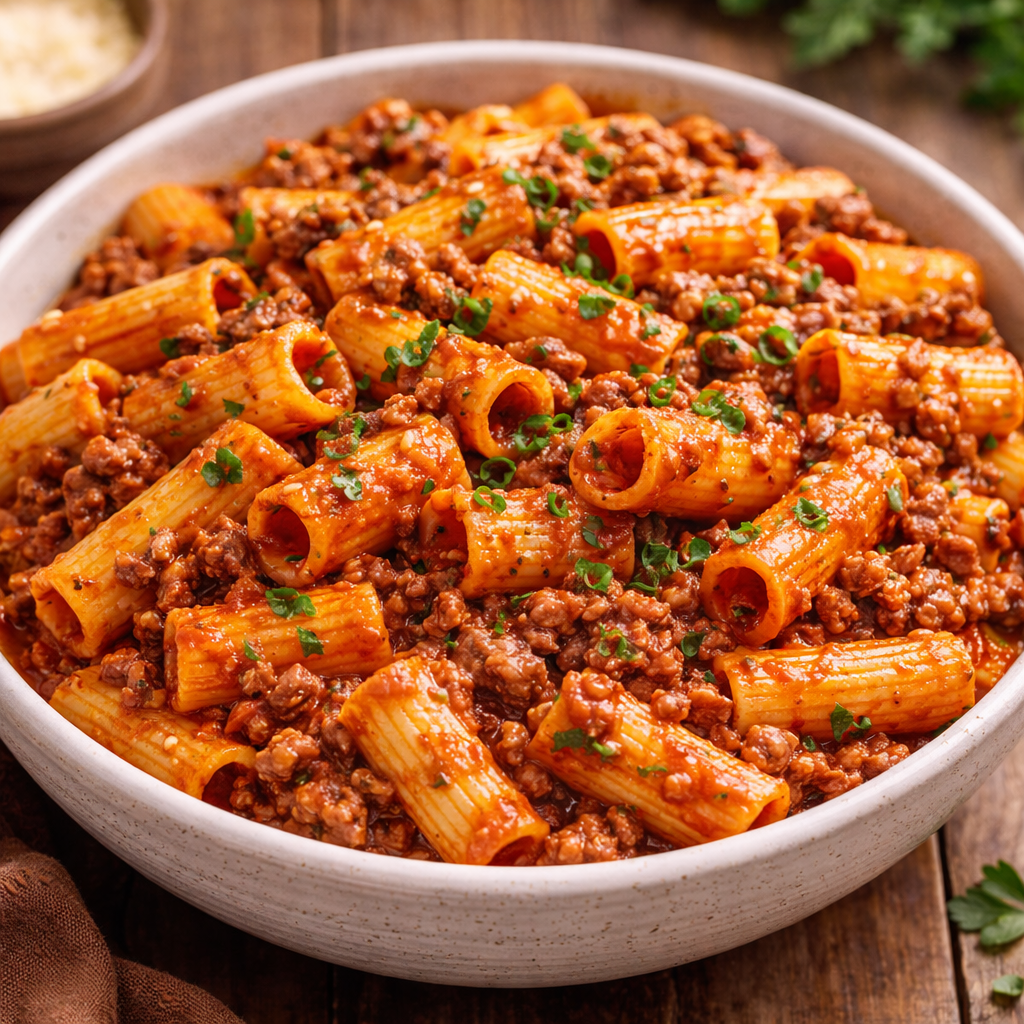
- Texture: The beef should be tender, almost melting. The pasta should have a slight “tug” (al dente).
- Flavor: It should be savory and “round.” If it tastes too acidic, you may need a pinch of sugar or a longer simmer time. If it tastes flat, it almost always needs more salt or a squeeze of fresh lemon juice at the end to “wake up” the fats.
- Visual: The sauce should look glossy and deep mahogany, not pale or watery.
Adjustments for Different Skill Levels
- The Novice: Use ground beef and a high-quality jarred marinara as your base, but “doctor” it by browning the beef with onions and deglazing with a splash of wine. This builds confidence in pan management without the risk of a long braise.
- The Intermediate: Experiment with different cuts. Try a Beef Stroganoff-style pasta using seared sirloin strips, mushrooms, and a finish of sour cream and Dijon mustard. This requires precise timing to ensure the sirloin doesn’t overcook.
- The Advanced: Master the Short Rib Ragu. Roast the bones, make your own stock, and spend the 4 hours required to break down the meat until it can be shredded with two forks. The depth of flavor is incomparable.
Storage & Shelf Life
Beef pasta is one of the few dishes that is arguably better the next day. As it sits, the pasta continues to absorb the sauce, and the flavors of the aromatics deepen.
- Fridge: Store in an airtight container for up to 4 days.
- Reheating: Do not microwave on high power; it will separate the fats and make the beef “poppy” and dry. Instead, put it in a skillet with a splash of water or stock. Cover it and heat over medium-low, tossing occasionally until the sauce becomes creamy again.
- Freezing: You can freeze the beef sauce (ragu) for up to 3 months. However, do not freeze the cooked pasta. Cooked pasta turns to mush when thawed. Freeze the sauce, then boil fresh pasta when you are ready to eat.
Reader Questions
“Can I make this in a slow cooker?” Yes, but you must brown the meat and the aromatics in a skillet first. If you just throw raw beef and vegetables into a slow cooker, you’ll end up with a pale, bland stew rather than a rich pasta sauce.
“Why is my sauce so oily?” This usually happens if the beef wasn’t drained of excess fat or if the sauce didn’t emulsify with the pasta water. Next time, try whisking in a little more starchy pasta water or a knob of butter at the end to bind the oil to the liquid.
“What wine should I use?” Avoid “cooking wine” found in grocery stores—it’s loaded with salt. Use something you’d drink. A dry Cabernet Sauvignon, Merlot, or Sangiovese works best. If you don’t want to use alcohol, a tablespoon of balsamic vinegar mixed with beef stock provides a similar acidic lift.