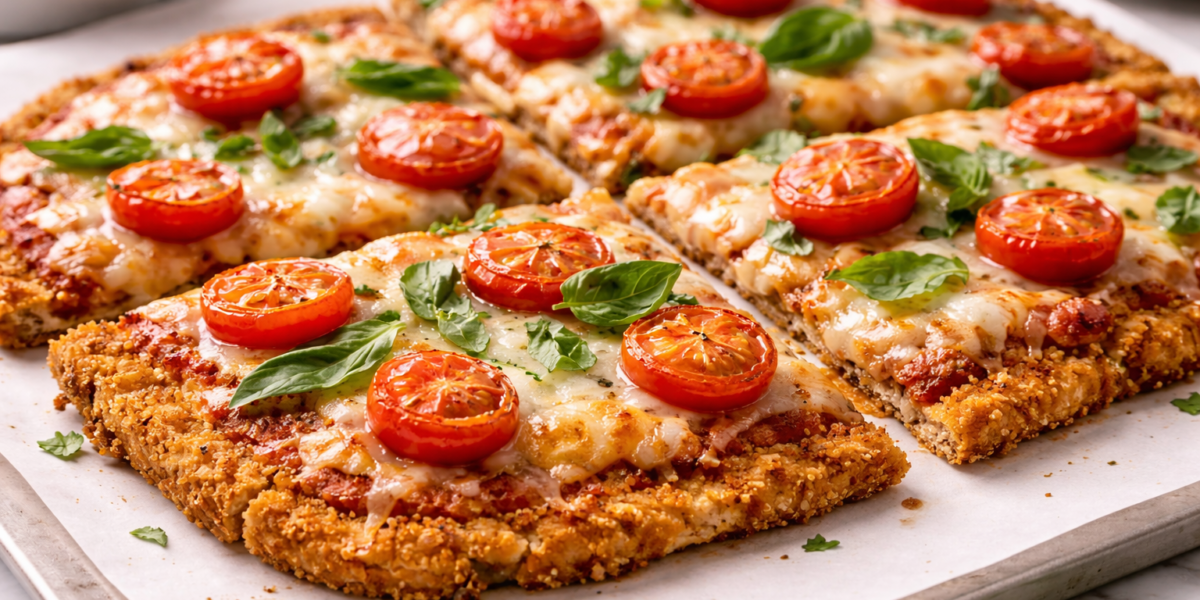
Chicken Crust Pizza Recipe For anyone following a ketogenic diet, managing gluten sensitivities, or simply trying to increase their protein intake, the “pizza craving” is a formidable adversary. Standard gluten-free crusts are often a disappointing mosaic of rice flour and starches that spike blood sugar, while cauliflower crusts—though popular—frequently turn into a soggy, structural nightmare that requires a fork and knife to eat.
The solution to this culinary frustration is the Chicken Crust Pizza. By utilizing lean poultry as the structural foundation, you eliminate the need for traditional grains entirely. The result is a sturdy, “hand-holdable” slice that satisfies the primal urge for pizza without the subsequent carb-heavy lethargy. This guide breaks down the science of the Chicken Crust Pizza Recipe to ensure your crust is crispy, savory, and structurally sound every single time.
Why This Recipe Works
The success of a Chicken Crust Pizza Recipe hinges on moisture management. Most failed attempts at chicken crust pizza result in a texture that is either too “meaty” (like a flattened chicken nugget) or too wet. This recipe works because of three specific technical interventions:
- Protein Dehydration: We utilize a pre-bake cycle that removes excess water from the chicken fibers before the toppings are added. This ensures the crust is firm rather than spongy.
- The Binding Trilogy: A combination of Parmesan cheese, egg, and specific seasonings creates a protein-based “glue” that mimics the elasticity of gluten.
- High-Heat Convection: By using a parchment-lined sheet or a pizza stone, we maximize the surface area exposed to heat, encouraging the edges of the chicken crust pizza to caramelize and crisp up.
Ingredients & Measurements
To create a standard 12-inch Chicken Crust Pizza, you will need high-quality ingredients that prioritize low moisture content.
The Crust Base
- 20 oz (approx. 560g) Ground Chicken: For the best results, use a 93/7 lean-to-fat ratio. If the chicken is too fatty, the crust will be greasy; if it is 99% lean, it may become overly dry.
- ½ cup Freshly Grated Parmesan Cheese: This acts as a savory binder. Avoid the “shaky can” variety; the cellulose in processed Parmesan prevents proper melting.
- 1 Large Egg: Lightly beaten. This provides the structural “lift” and holds the chicken fibers together.
- 1 tsp Garlic Powder: For deep aromatic seasoning.
- 1 tsp Dried Oregano: To establish the classic Italian flavor profile.
- ½ tsp Fine Sea Salt: To enhance the natural savory notes of the poultry.
- ¼ tsp Black Pepper: Freshly cracked for a subtle heat.
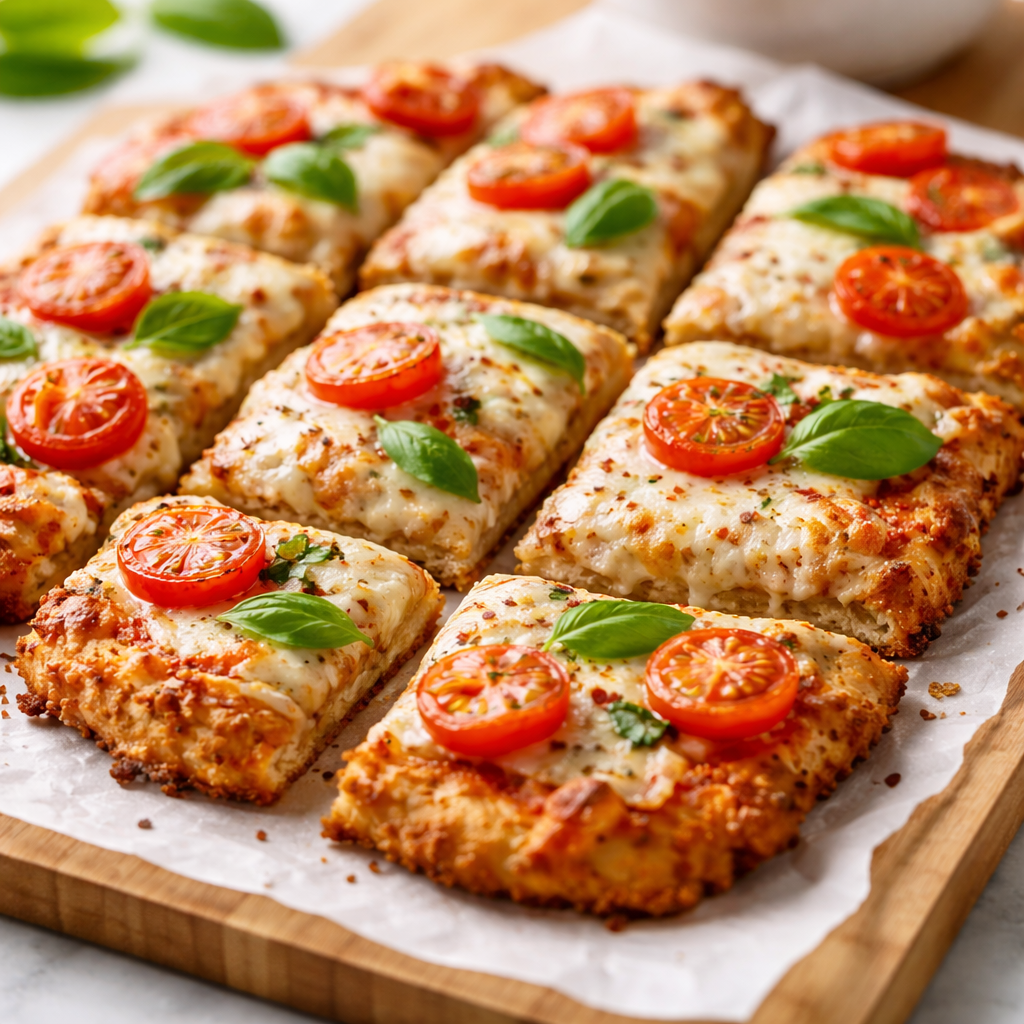
The Toppings (Classic Margherita Style)
- ⅓ cup Low-Moisture Pizza Sauce: Ensure there is no added sugar to keep the chicken crust pizza recipe keto-friendly.
- 1 cup Shredded Mozzarella: Use whole milk mozzarella for a superior melt.
- Fresh Basil Leaves: Added after the final bake.
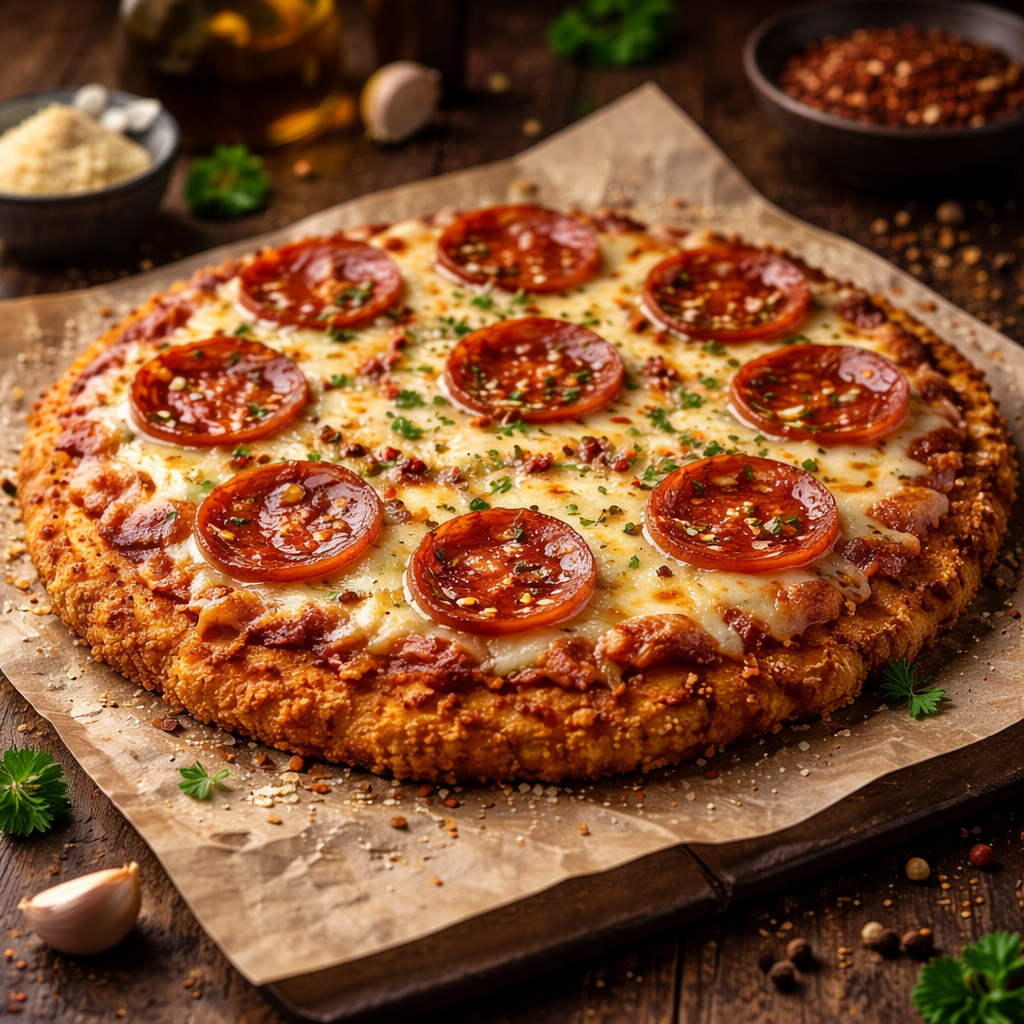
- Optional: Sliced pepperoni or sautéed mushrooms.
Step-by-Step Cooking Guide
Phase 1: Preparation and Pre-Heating
Pre-heat your oven to 400°F (205°C). If you have a pizza stone, place it in the oven now. If using a baking sheet, line it with a piece of high-quality parchment paper. Note: Do not use wax paper, as it will melt and stick to your chicken crust pizza.
Phase 2: Mixing the “Dough”
In a large mixing bowl, combine the ground chicken, grated Parmesan, beaten egg, and all spices. Using your hands is the most effective way to ensure the egg and cheese are fully integrated into the meat. The mixture will feel wetter than traditional dough; this is normal for a chicken crust pizza recipe.
Phase 3: Shaping the Crust
Place the chicken mixture in the center of the parchment paper. Place a second sheet of parchment paper over the top of the meat. Use a rolling pin or your hands to flatten the chicken into a uniform circle or rectangle, about ¼-inch thick.
Pro Tip: Ensure the edges are slightly thicker than the center. This creates a “rim” that mimics a traditional crust and prevents the sauce from running off.
Phase 4: The Initial Bake (The Crisp Cycle)
Remove the top layer of parchment paper. Slide the crust (still on the bottom parchment) into the oven. Bake for 18–22 minutes.
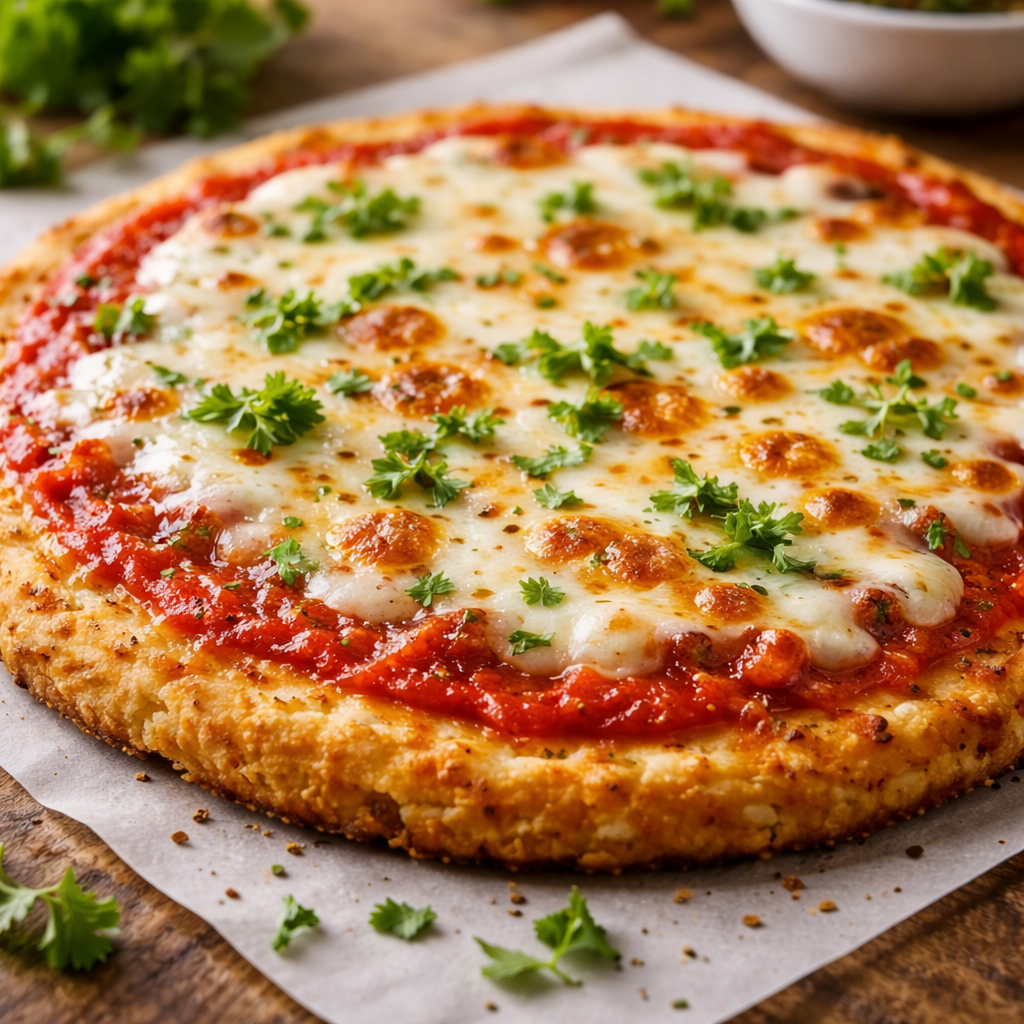
You are looking for the edges to turn a deep golden brown and the surface to look matte and dry. If there is visible moisture on the surface, dab it gently with a paper towel.
Phase 5: Topping and Final Melt
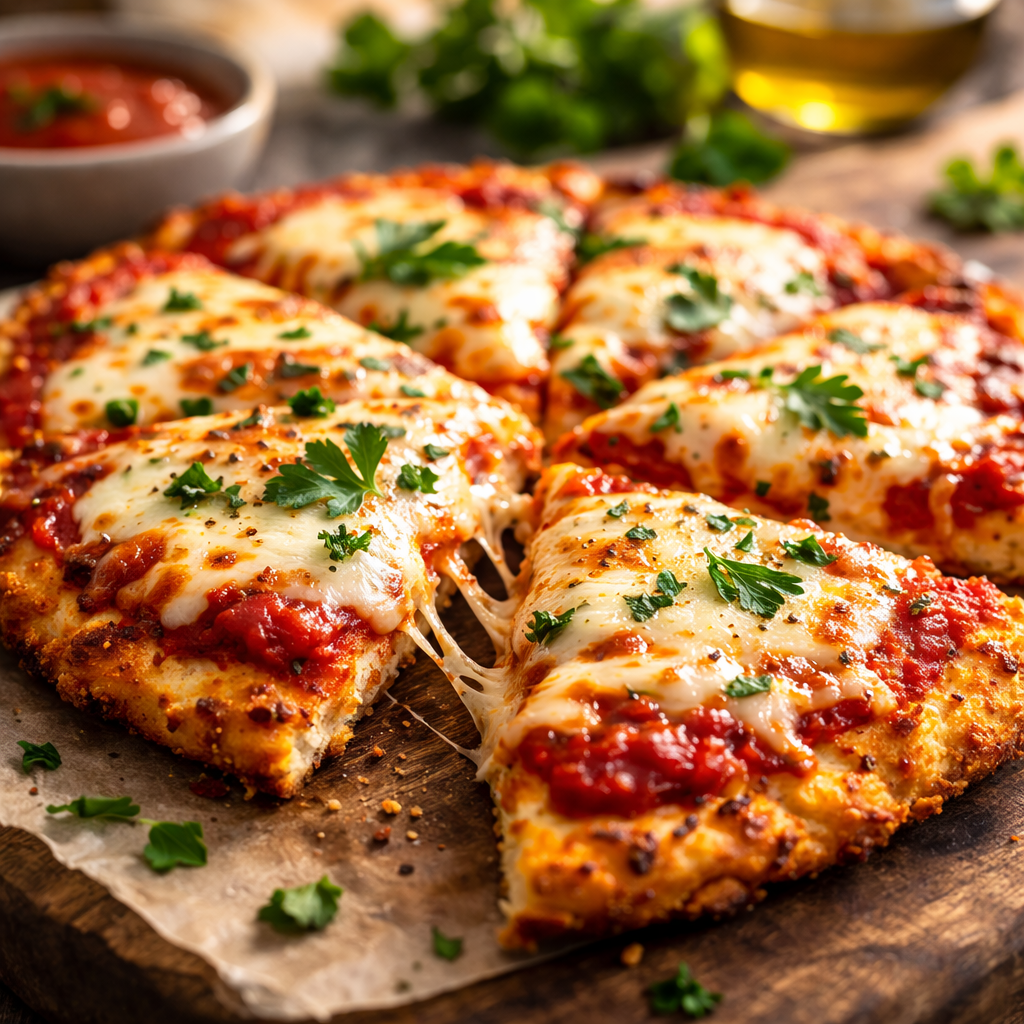
Remove the crust from the oven. Spread the pizza sauce in a thin, even layer, leaving half an inch of space at the edges. Distribute the mozzarella and your chosen toppings. Return the chicken crust pizza to the oven for an additional 8–10 minutes, or until the cheese is bubbling and slightly browned.
Common Mistakes to Avoid
1. Using Canned Chicken without Draining
If you choose to use canned chicken for your chicken crust pizza recipe instead of fresh ground chicken, you must drain it and then sauté it in a dry pan for 3–5 minutes to remove every drop of moisture. Failure to do so will result in a mushy, “wet” pizza.
2. Skipping the Parchment Paper
Chicken crust is extremely high in protein and lacks the oils found in flour-based dough. It will bond to a standard baking sheet like cement. Always use parchment paper or a silicone baking mat.
3. Over-Topping
Because the chicken crust pizza is made of meat, it is more filling than a bread crust. Additionally, adding too many heavy, watery vegetables (like raw tomatoes or un-sautéed onions) can release liquid that softens the crust you worked so hard to crisp. Keep toppings light and pre-cook any high-moisture vegetables.
Timing & Doneness Indicators
Monitoring the internal and external state of the poultry is vital for the perfect chicken crust pizza.
Serving Suggestions
The Chicken Crust Pizza Recipe is a nutritional powerhouse, but it benefits from the right pairings to round out the meal.
- The Fresh Balance: Serve alongside a crisp Arugula salad with a lemon-truffle vinaigrette. The acidity of the greens cuts through the richness of the chicken and cheese.
- The “Wing” Experience: If you make a buffalo-style chicken crust pizza (using buffalo sauce instead of red sauce), serve with celery sticks and a side of homemade blue cheese dressing.
- Dipping Sauces: A side of sugar-free marinara or a garlic-herb butter can enhance the crust edges, which can sometimes be drier than the center.
FAQ: Solving Your Pizza Frustrations
Q: My crust is too “chicken-y” in flavor. How can I make it taste more like real pizza? A: The secret lies in the Parmesan and the spices. Increase the Parmesan to ¾ cup and add a ½ teaspoon of onion powder. This shifts the flavor profile from “cooked meat” to “savory breading.”
Q: Can I make this in an Air Fryer? A: Yes! You can adapt the chicken crust pizza recipe for an air fryer. Reduce the temperature to 375°F. You will likely need to cook the crust in two smaller batches. Pre-bake for 10 minutes, top, and finish for 4 minutes.
Q: Is ground turkey a viable substitute? A: You can use ground turkey, but be aware that turkey has a distinct gamey flavor and tends to be drier than chicken. If using turkey, add an extra tablespoon of olive oil to the “dough” mixture to maintain moisture.
Q: How do I get the bottom of the crust truly crispy? A: For the ultimate crunch, once the initial bake is done, carefully flip the crust over (using a second piece of parchment) and bake for an additional 5 minutes on the “bottom” side before adding your toppings.
Q: Can I freeze the crusts? A: Absolutely. The Chicken Crust Pizza Recipe is perfect for meal prep. Perform the initial 20-minute bake, let the crusts cool completely, and freeze them with parchment paper between them. You can top and bake them directly from the freezer!