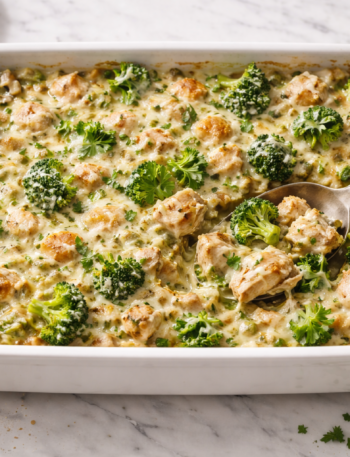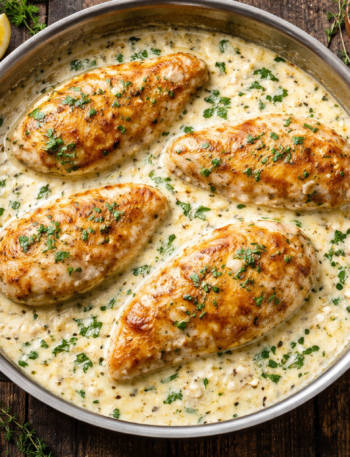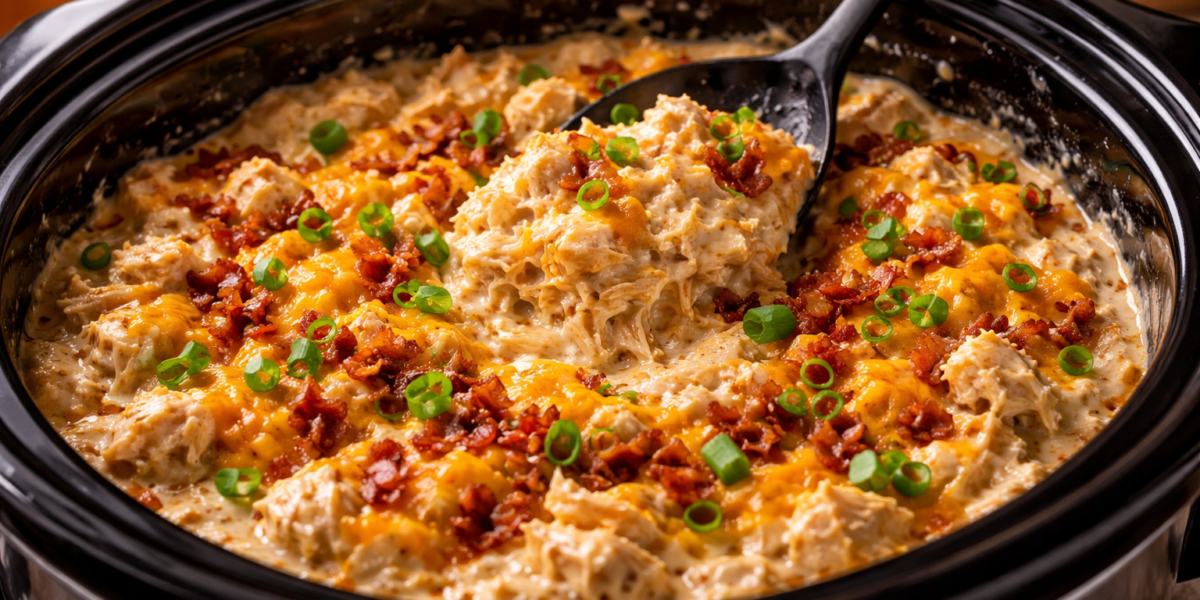
Crack Chicken Recipe In the pantheon of modern comfort food, few dishes have ascended as rapidly or as decisively as the one colloquially known as “Crack Chicken.” The name, while hyperbolic, serves as a testament to the dish’s high-palatability—a specific culinary intersection where salt, fat, and umami collide to create something nearly impossible to stop eating.
At its core, this is a study in emulsion and texture. It is a rich, shredded chicken composition bound by a base of cream cheese and cheddar, punctuated by the smoky crunch of cured pork and the herbaceous, sulfuric tang of ranch seasoning. While it is often dismissed as a simple “dump-and-go” slow cooker meal, achieving a professional-grade version requires an understanding of protein structure and fat stability. When executed correctly, the chicken remains succulent and fibrous, while the sauce maintains a velvety sheen that resists “breaking” or becoming oily.
This guide moves beyond the basics, exploring the technical nuances that elevate this recipe from a standard weeknight meal to a masterclass in savory indulgence.
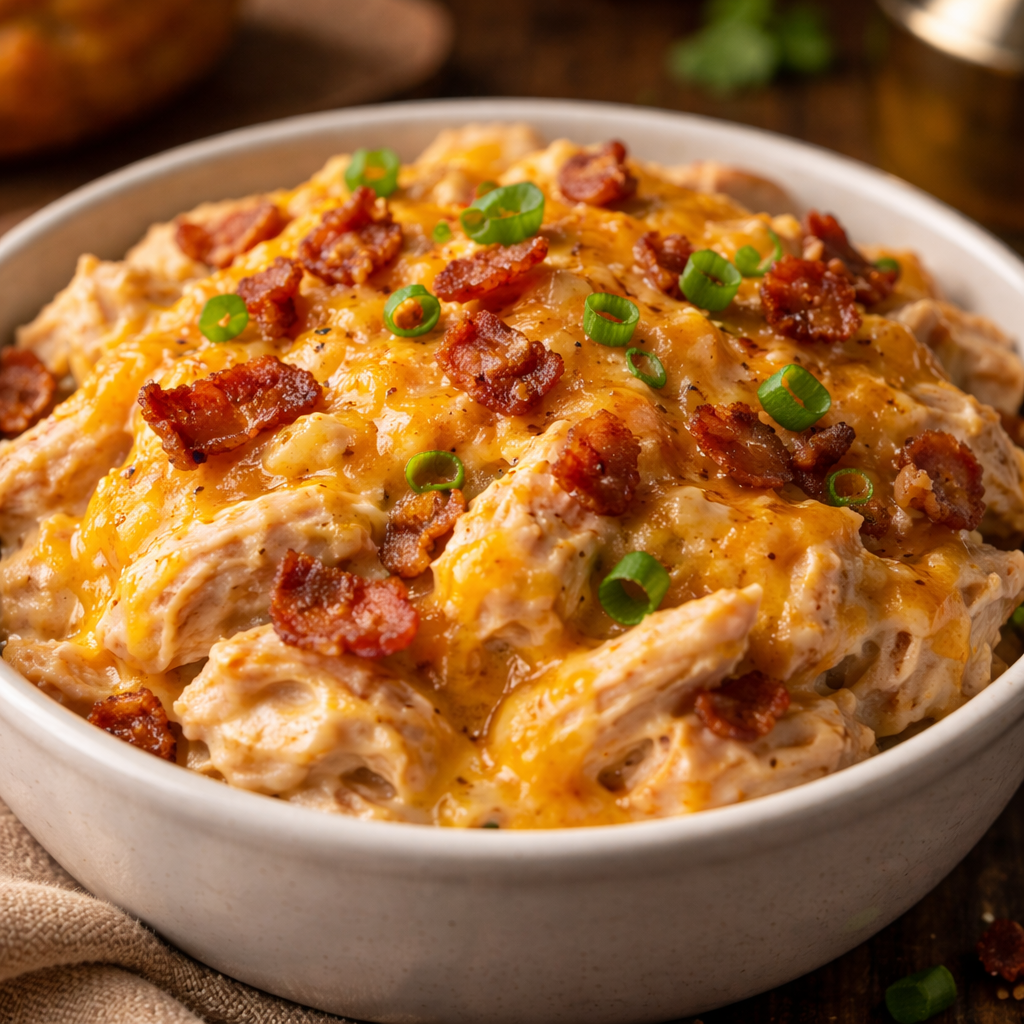
The Ingredient Architecture
To build a dish this rich, every ingredient must serve a structural or flavor-balancing purpose. Cheap substitutes often lead to a watery or overly salty result.
1. The Protein: Boneless, Skinless Chicken Thighs vs. Breasts
While many recipes call for breasts, the professional choice is a 50/50 split or a full commitment to chicken thighs. Thighs contain more connective tissue (collagen), which, when subjected to low and slow heat, transforms into gelatin. This provides a natural “silkiness” to the sauce that breasts simply cannot replicate. If using breasts, ensure they are trimmed of all silver skin to prevent chewy bites.
2. The Emulsifiers: Cream Cheese and Sharp Cheddar
The cream cheese acts as the primary stabilizer. It contains carob bean gum or guar gum (in most commercial brands), which helps keep the fats from the bacon and cheddar in a suspended state. For the best result, use full-fat block cream cheese. For the cheddar, hand-grated sharp cheddar is non-negotiable. Pre-shredded cheeses are coated in potato starch or cellulose to prevent clumping in the bag; these additives will turn your sauce gritty when melted.
3. The Flavor Catalyst: Ranch Seasoning
Whether using a packet or a homemade blend, the key components here are buttermilk powder, dried dill, and onion powder. The buttermilk powder provides a vital lactic acidity that cuts through the heavy fat of the cheese and bacon.
4. The Texture: Thick-Cut Bacon
Thin bacon disappears into the moisture of the chicken. Thick-cut, applewood-smoked bacon provides a sturdy, textural contrast. It should be rendered until “shatter-crisp” before being introduced to the dish.
Preparation Steps: The “Layered” Approach
A common error is tossing all ingredients into a pot simultaneously. This leads to “muted” flavors. Instead, we follow a sequence that respects the chemical properties of each component.
Step 1: The Dry Brine
Pat the chicken completely dry with paper towels. Season the meat directly with half of the ranch seasoning. Allowing the salt and spices to sit on the raw protein for even 15 minutes before cooking initiates a process where the salt dissolves some of the muscle proteins, allowing the meat to hold more moisture during the cooking process.
Step 2: The Bacon Rendering
Do not cook the bacon in the slow cooker. Sauté the diced bacon in a skillet until the fat is fully rendered and the bits are crispy. Remove the bacon with a slotted spoon and set aside. Reserve two tablespoons of the bacon fat. ### Step 3: The Searing (The Flavor Secret) Using that reserved bacon fat, sear the chicken in the skillet over high heat for 2 minutes per side. We are not cooking the chicken through; we are initiating the Maillard reaction. This browning creates complex flavor compounds that a slow cooker cannot produce on its own.
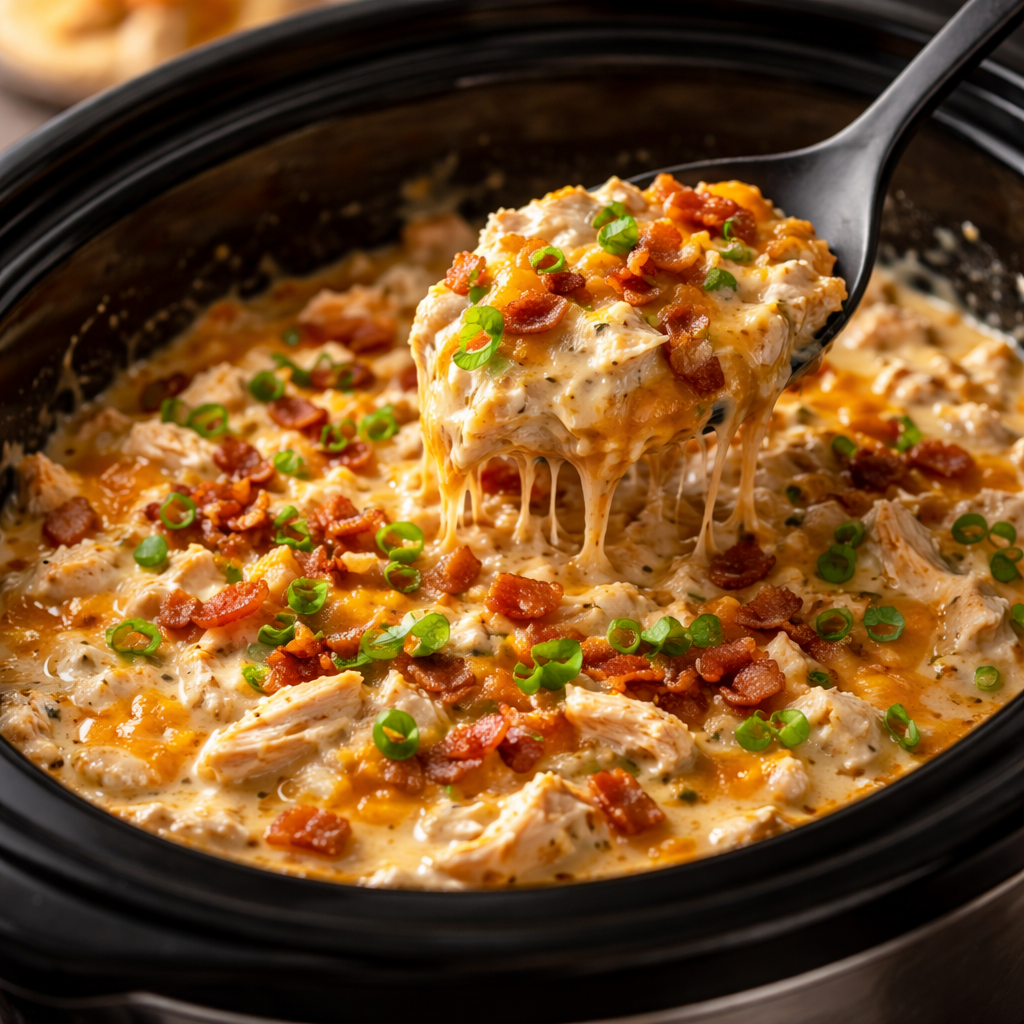
The Cooking Technique: Precision vs. Pressure
There are two primary ways to finalize the dish, and the choice depends on your desired final texture.
Method A: The Low-and-Slow Slow Cooker
This is the preferred method for maximum tenderness.
- Place the seared chicken in the liner.
- Top with the block of cream cheese (cut into cubes to ensure even melting).
- Cover and cook on LOW for 6 to 7 hours.
- The Critical Threshold: Avoid the “High” setting. High heat causes the chicken proteins to contract too quickly, squeezing out their internal moisture and resulting in a “stringy” or dry texture.
Method B: The Modern Pressure Cooker (Instant Pot)
For those short on time, the pressure cooker offers a more efficient route.
- Add the chicken and ½ cup of chicken broth (to prevent the “Burn” notice).
- Place cream cheese on top.
- Set to Manual/High Pressure for 12 minutes, followed by a 10-minute natural release. The natural release is essential; a quick release will “shock” the chicken, toughening the fibers instantly.
Pro Tips for Culinary Excellence
- The “Double Shred” Method: Once the chicken is cooked, remove it from the pot and place it in a separate bowl to shred. This allows you to whisk the remaining liquid and cream cheese into a perfectly smooth sauce before re-introducing the meat. This prevents “clumps” of un-melted cheese.
- The Acid Adjustment: Because this dish is exceptionally rich, it can sometimes taste “heavy.” At the very end of the cooking process, stir in one teaspoon of fresh lemon juice or apple cider vinegar. The acidity brightens the fats and makes the flavor profile pop.
- The Stand Mixer Hack: If you are making a large batch, use a stand mixer with the paddle attachment to shred the hot chicken. It takes 30 seconds and creates a uniform texture that is perfect for sandwiches or dips.
- Manage the Bacon: Never add the bacon at the beginning of the slow-cook cycle. It will become rubbery and lose its smoky essence. Stir in 75% of the bacon at the end, and save the remaining 25% to garnish the top just before serving.
Flavor Variations
While the “Original” is a classic, the base of chicken and cream cheese is a versatile canvas for global flavor profiles.
1. The Buffalo “Kick”
Introduce ½ cup of cayenne-based hot sauce (like Frank’s RedHot) and substitute half of the cheddar for blue cheese crumbles. This variation mimics the flavor of a buffalo wing dip but with enough structural integrity to serve as a main course.
2. The Jalapeño Popper
Fold in 4 ounces of diced, canned jalapeños (for vinegar/acid) or 2 fresh, deseeded jalapeños (for heat). The combination of the cream cheese base and the spicy peppers creates a flavor profile identical to the famous appetizer.
3. The “Tex-Mex” Fusion
Replace the ranch seasoning with a blend of cumin, chili powder, and smoked paprika. Use pepper jack cheese instead of cheddar, and finish with a handful of fresh cilantro and a squeeze of lime.
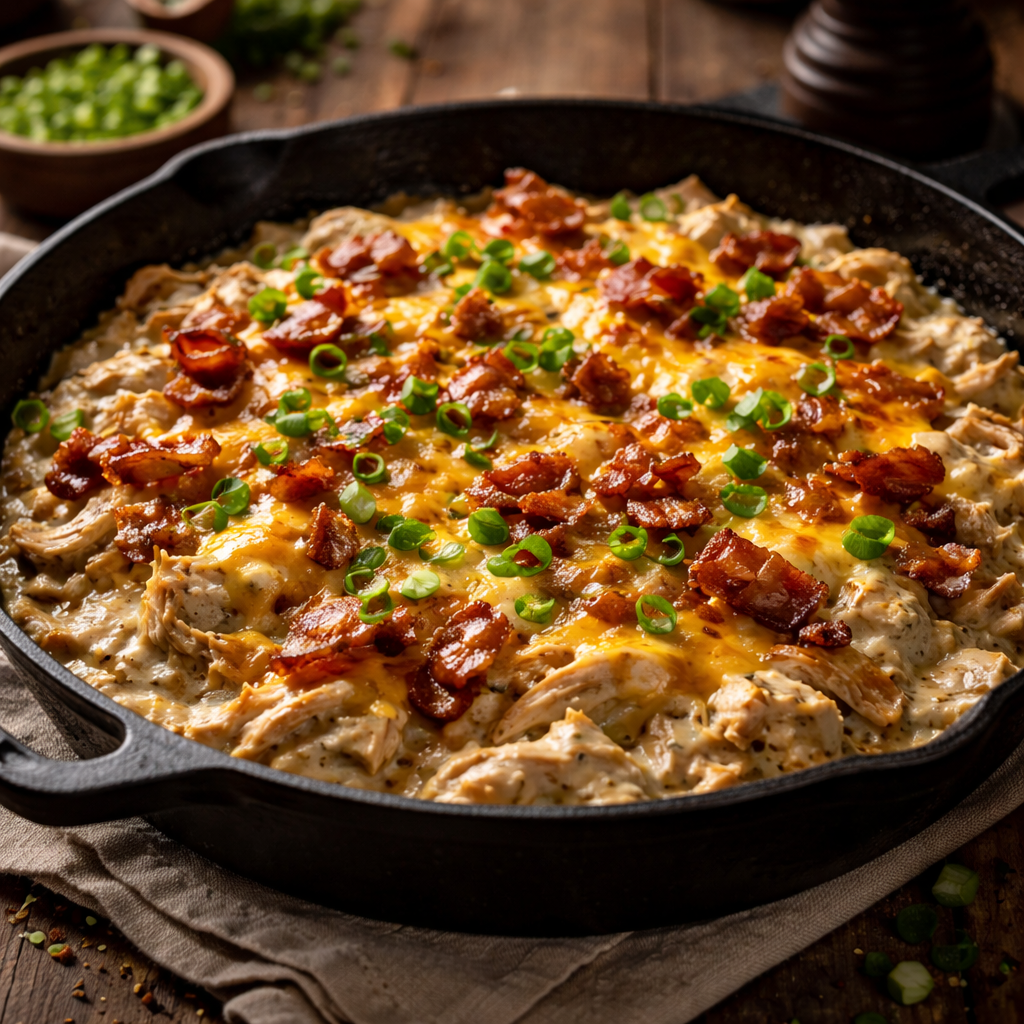
The Make-Ahead Guide
Crack Chicken is an ideal candidate for meal prep because its emulsion actually stabilizes as it cools, making it less likely to fall apart than more delicate dishes.
- For Freezer Cooking: You can assemble the “raw” components (seasoned chicken, bacon, and cubed cream cheese) in a gallon-sized freezer bag. Squeeze out all the air. When ready to cook, thaw in the refrigerator for 24 hours and proceed with the slow cooker method.
- The “Cold Dip” Transition: If you have leftovers, this dish transforms beautifully into a cold appetizer. Simply chill the mixture, and because of the cream cheese base, it will firm up into a spreadable pate. It is excellent served cold on toasted baguette rounds or inside hollowed-out mini bell peppers.
- Pre-Cooking Proteins: You can sear the chicken and render the bacon up to two days in advance. Store them in the fridge, then simply combine them with the cheese and seasoning when you are ready to start the slow cooker.
Storage and Structural Maintenance
Because of the high dairy content, specific care must be taken during storage to prevent the sauce from “splitting” (separating into oil and solids).
Refrigeration
Store in a glass, airtight container for up to 4 days. Glass is preferable to plastic as it does not retain the oils from the bacon and cheese, making cleanup easier and preventing odors from lingering.
Freezing (Cooked)
While you can freeze cooked Crack Chicken, the cream cheese may slightly change texture upon thawing, becoming somewhat grainy. To mitigate this, ensure the dish is completely cooled before freezing. Valid for up to 2 months.
The Reheating Protocol
This is where most people fail. Reheating at high power in a microwave will cause the cheddar cheese to “break,” leaving you with a puddle of oil at the bottom of the bowl.
- Best Method: Reheat in a small saucepan over medium-low heat. Add one tablespoon of milk or chicken broth per cup of chicken. Stir constantly. The added liquid helps re-emulsify the sauce, returning it to its original velvety state.
- Microwave Method: If you must use a microwave, use 50% power in 45-second intervals, stirring between each burst.
By respecting the science of the ingredients—from the collagen in the thighs to the stabilizing properties of the cream cheese—you transform a “viral” recipe into a staple of high-level home cooking. The result is a dish that provides not just sustenance, but a profound sense of culinary satisfaction.
Homemade Buffalo Chicken Pizza Recipe