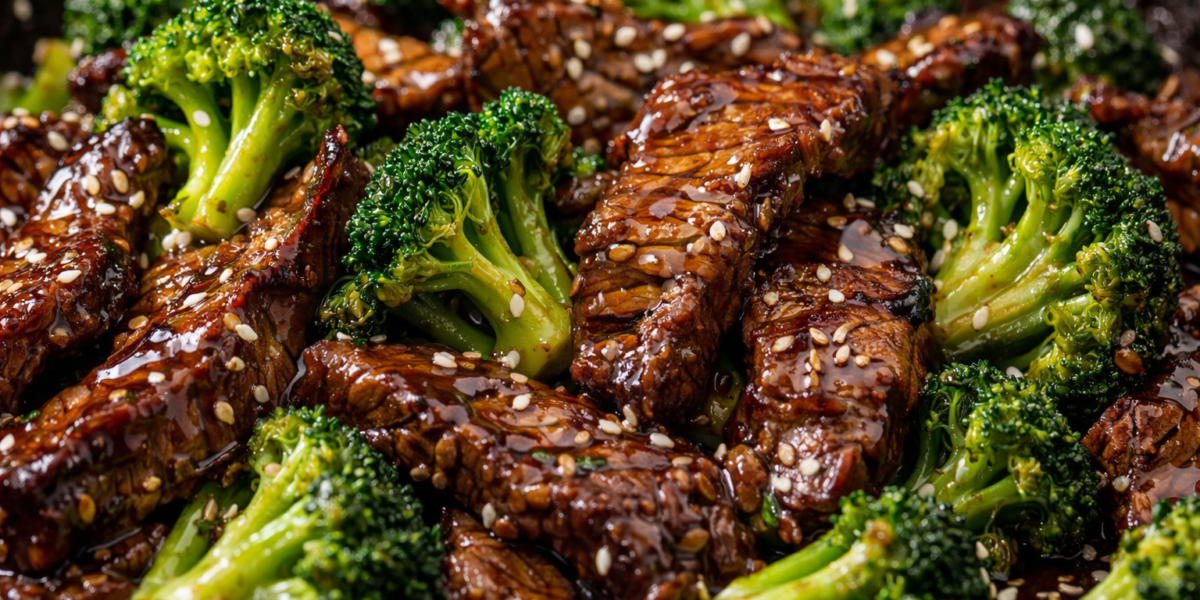
The most persistent frustration when executing an easy beef and broccoli recipe at home is the “gray meat” syndrome. We have all experienced it: you prepare your ingredients with the best intentions, but the moment the beef hits the pan, it releases a flood of moisture, effectively boiling the meat in its own juices instead of searing it. The result is tough, rubbery protein and limp, overcooked vegetables bathed in a thin, watery sauce that refuses to cling to the food.
Achieving a restaurant-quality beef and broccoli stir-fry requires more than just high heat; it requires a specialized understanding of “velveting” and moisture management. To get those tender, silky strips of beef and vibrant, snap-crisp broccoli florets, you must apply specific Chinese culinary techniques adapted for the home kitchen. This guide deconstructs the science of the best beef and broccoli recipe, focusing on the “velveting” method and sauce emulsification to ensure a glossy, savory result every single time.
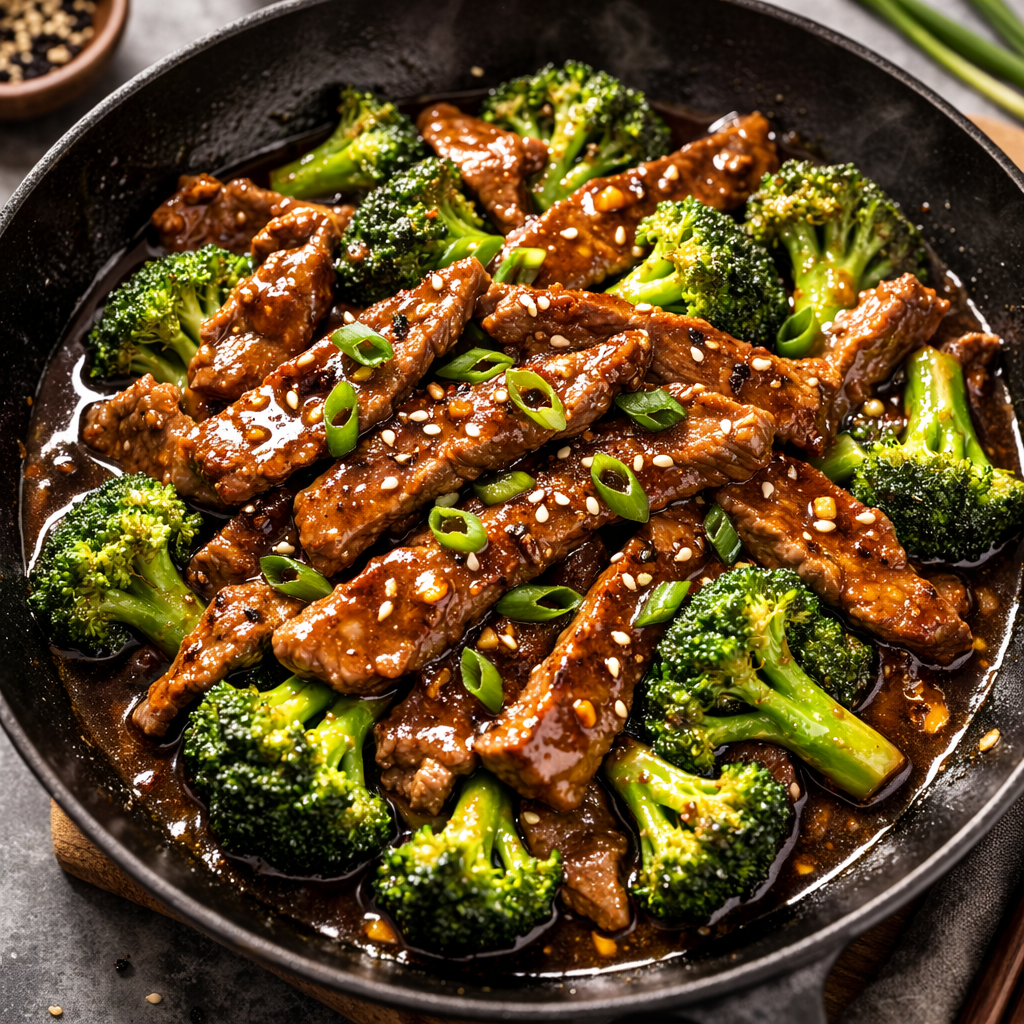
Why This Recipe Works
This homemade beef and broccoli recipe succeeds by utilizing a multi-stage approach to texture and flavor concentration.
- The Velveting Technique: By marinating the beef in a small amount of cornstarch and soy sauce, we create a protective barrier. This starch shield prevents the muscle fibers from seizing up under high heat, resulting in the “velvet” mouthfeel characteristic of high-end takeout.
- Flash-Steaming Broccoli: We don’t boil the broccoli. By adding a splash of water and covering the pan for exactly sixty seconds, we use steam to cook the interior of the florets while the exterior remains bright green and structurally sound.
- Cold-Slurry Emulsification: The sauce is thickened using a cold cornstarch slurry added at the final moment. This creates a “glaze” rather than a “gravy,” ensuring the sauce coats every crevice of the broccoli without becoming gummy.
- Aromatic Toasting: We bloom the ginger and garlic in hot oil after the meat is seared. This prevents the aromatics from burning during the high-heat phase while allowing their essential oils to infuse the entire dish.
Ingredients & Measurements
For a professional-grade easy beef and broccoli, the cut of meat and the size of the vegetable cuts are the most critical variables.
The Protein and Marinade
- 1.5 lbs Flank Steak or Sirloin: Flank is the traditional choice for its bold flavor and long fibers, which are ideal for thin slicing.
- 1 tbsp Cornstarch: The key to the velveting process.
- 1 tbsp Soy Sauce: To begin the savory infusion.
- 1 tsp Toasted Sesame Oil: For an underlying nutty aroma.
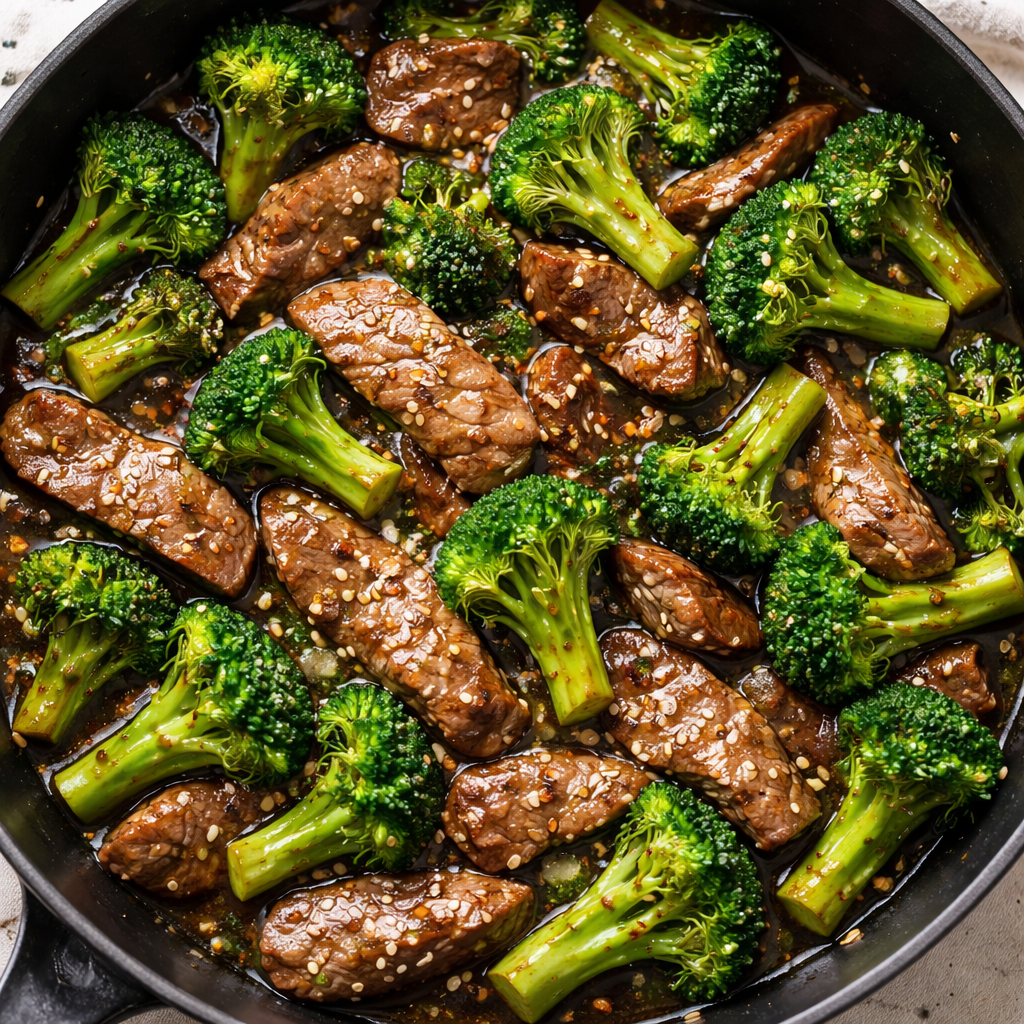
The Stir-Fry Base
- 1 lb Fresh Broccoli Florets: Cut into bite-sized, uniform pieces.
- 2 tbsp Neutral Oil: Grapeseed, peanut, or vegetable oil (avoid olive oil for high-heat stir-frying).
- 3 Cloves Garlic: Minced.
- 1 tbsp Fresh Ginger: Grated or finely minced.
The “Gold Standard” Stir-Fry Sauce
- 1/2 cup Beef Broth: The liquid foundation.
- 1/4 cup Soy Sauce: Use low-sodium to control the salt levels.
- 2 tbsp Brown Sugar: To balance the salt and facilitate caramelization.
- 1 tbsp Oyster Sauce: Provides the essential “takeout” umami and depth.
- 1 tbsp Cornstarch: For the final thickening slurry.
Step-by-Step Cooking Guide
1. The “Against the Grain” Slice
Place your beef in the freezer for 20 minutes before cutting; this firms up the fat and makes thin slicing effortless. Locate the “grain” (the long muscle fibers) and slice the beef across those lines into 1/8-inch thick strips. Slicing against the grain is the only way to ensure an easy beef and broccoli recipe stays tender.
2. The Velveting Marination
In a bowl, toss the sliced beef with the cornstarch, soy sauce, and sesame oil. Let it sit for at least 15 minutes. The cornstarch will form a thin, matte coating on the meat.
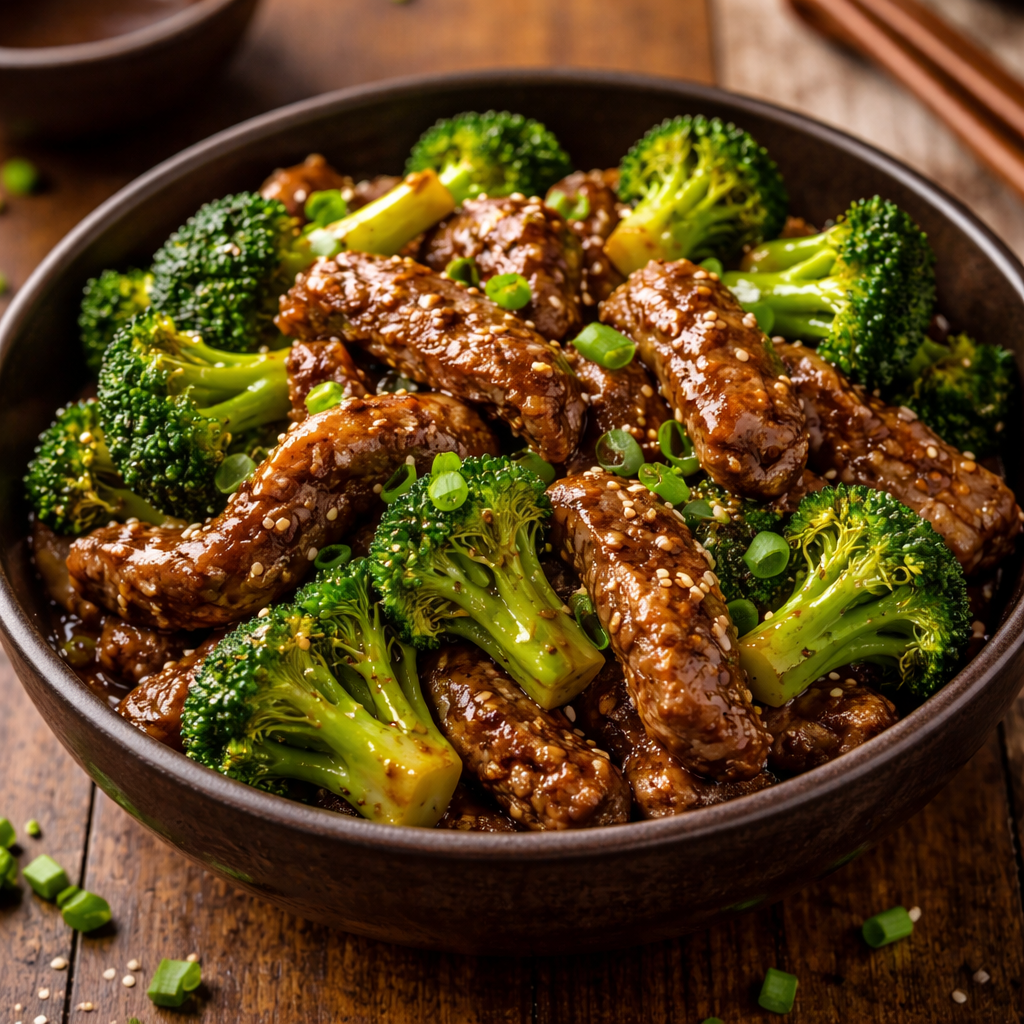
3. The High-Heat Sear
Heat your wok or a large heavy-bottomed skillet over high heat until a drop of water flicked onto the surface dances and evaporates instantly. Add 1 tablespoon of oil. Spread the beef in a single layer. Do not stir for 60 seconds. Allow a dark, savory crust to form, then flip and sear for another minute. Remove the beef from the pan—it should be slightly undercooked in the center.
4. The Broccoli Flash-Steam
Wipe the pan if necessary and add the remaining oil. Toss in the broccoli florets and stir-fry for 30 seconds. Pour in 2 tablespoons of water and immediately cover the pan with a lid. Steam for 60–90 seconds. The broccoli will turn a vibrant, neon green. Remove the lid; the water should be mostly evaporated.
5. The Aromatic Bloom
Push the broccoli to the sides of the pan. Add the garlic and ginger to the center. Stir for 30 seconds until the kitchen smells fragrant.
6. The Glossy Finish
Whisk your sauce ingredients (broth, soy sauce, sugar, oyster sauce, and cornstarch) to ensure no lumps remain. Pour the sauce into the pan. Stir constantly as the sauce bubbles and transitions from a cloudy liquid to a clear, glossy glaze.
7. The Final Toss
Return the seared beef and any accumulated juices to the pan. Toss for 60 seconds to coat everything in the sauce and finish cooking the meat. Remove from heat immediately.
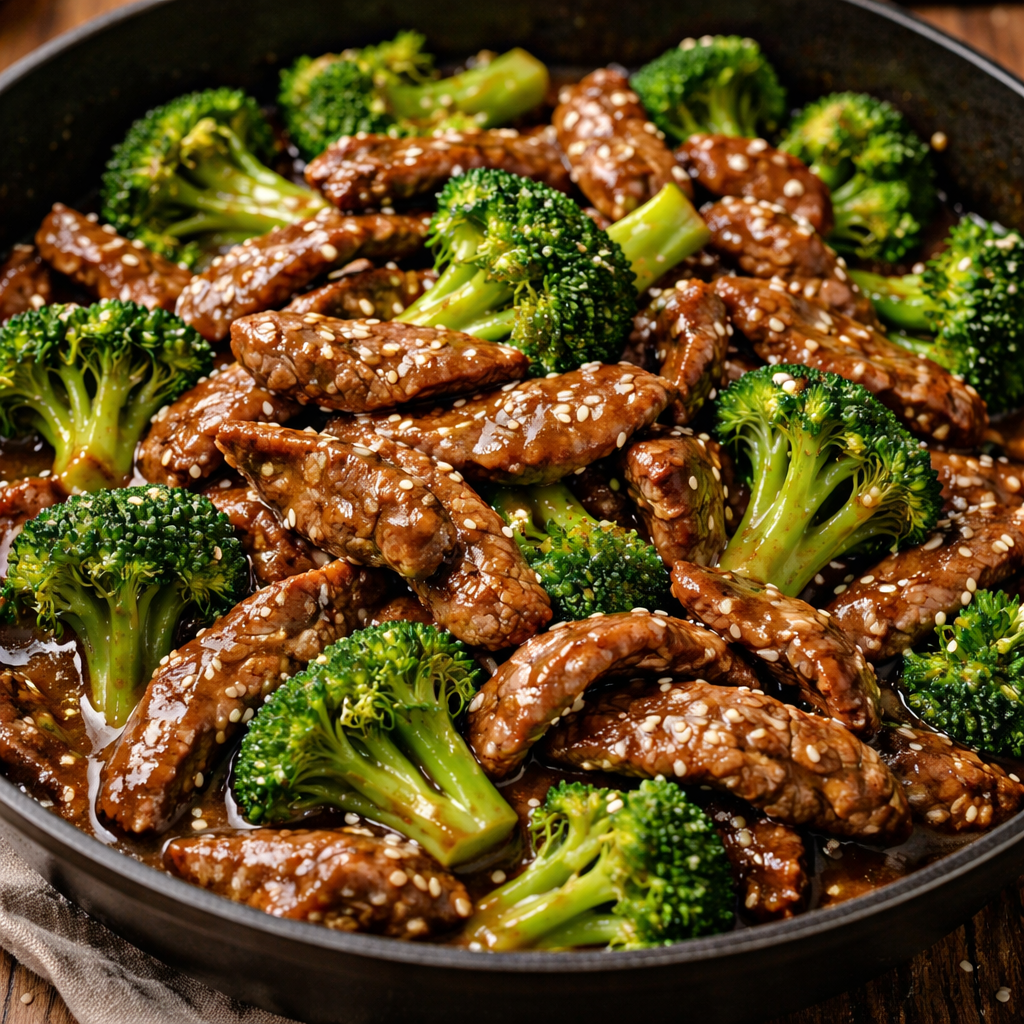
Common Mistakes to Avoid
- Crowding the Pan: If you add too much meat at once, the temperature of the pan drops, and the meat will steam rather than sear. If you are doubling this beef and broccoli recipe, cook the meat in two separate batches.
- Using Large Broccoli Stems: While edible, thick stems take much longer to cook than the florets. Peel the stems and slice them into thin coins, or stick to the florets for even cooking.
- Forgetting the Cornstarch: Without the cornstarch in the marinade, the meat will lose its moisture and become stringy. Without it in the sauce, you won’t get that “sticky” quality that makes the dish authentic.
- Overcooking the Garlic: Garlic burns quickly at high heat. Always add it after the main searing phases to keep the flavor sweet rather than bitter.
Timing & Doneness Indicators
Serving Suggestions
A healthy beef and broccoli recipe is a complete meal, but these additions can elevate the experience:
- The Classic Bed: Serve over steamed Jasmine rice or brown rice to soak up the extra sauce.
- The Low-Carb Option: Pair with cauliflower rice or zucchini noodles for a keto-friendly alternative.
- The Crunch Factor: Garnish with toasted sesame seeds and thinly sliced green onions for a professional look.
- The Spice Kick: Add a teaspoon of red chili flakes or a drizzle of sriracha if you prefer a “spicy beef and broccoli” profile.
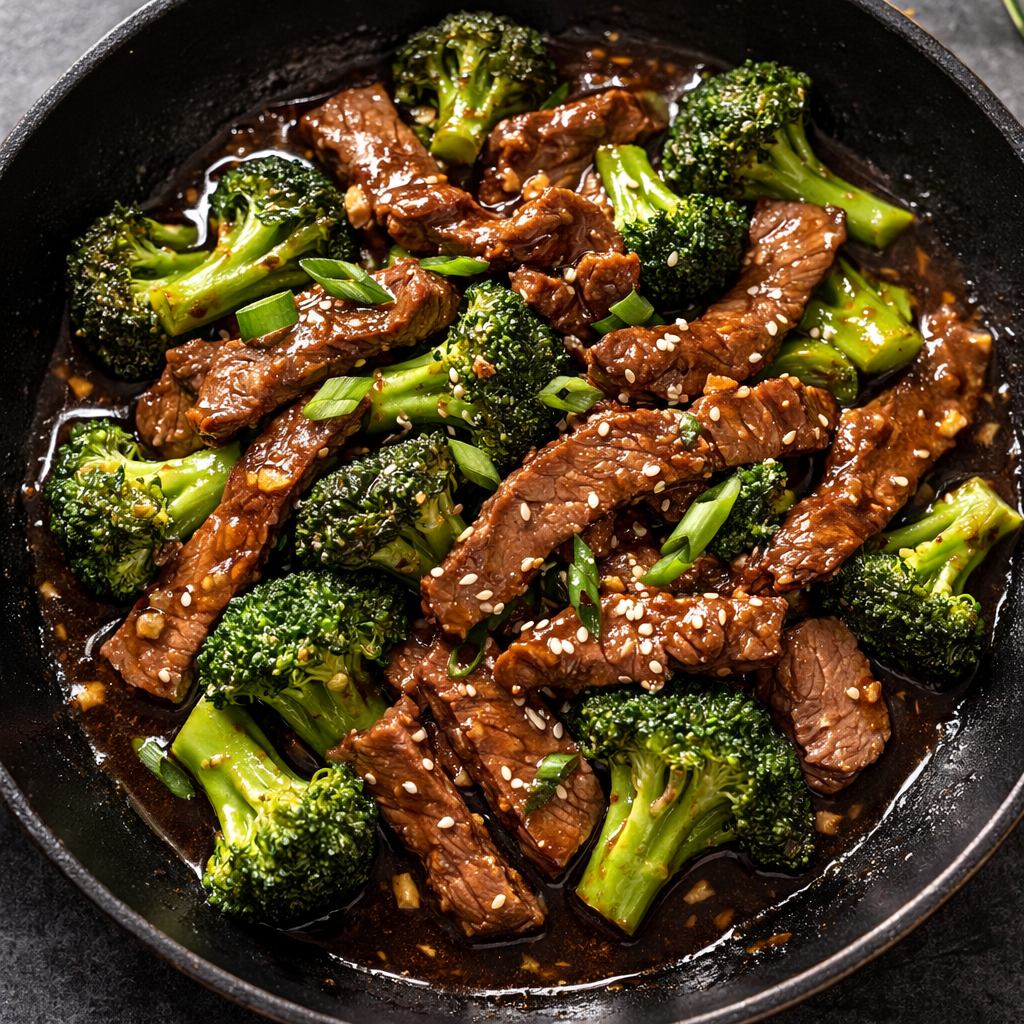
FAQ: Solving Your Stir-Fry Frustrations
Q: Why is my beef still tough despite slicing it thin? A: You likely sliced with the grain. Even thin slices are tough if the long muscle fibers are left intact. Always slice perpendicular to the lines you see in the meat. Also, ensure you didn’t skip the cornstarch in the marinade—this is the “velveting” secret.
Q: Can I make this easy beef and broccoli recipe with frozen broccoli? A: Yes, but with a caveat. Frozen broccoli is already blanched, so it releases more water. Thaw and pat it very dry before using. Skip the “steaming” step (Step 4) and simply stir-fry the thawed broccoli for 2 minutes to prevent it from becoming mushy.
Q: I don’t have oyster sauce. What is a good substitute? A: You can use a “vegetarian stir-fry sauce” (often made from mushrooms) or a mixture of soy sauce and a teaspoon of hoisin sauce. In a pinch, a splash of Worcestershire sauce and an extra pinch of brown sugar will work.
Q: Is this beef and broccoli stir-fry gluten-free? A: Standard soy sauce contains wheat. To make this gluten-free beef and broccoli, use Tamari or liquid aminos. Also, ensure your oyster sauce is a certified gluten-free brand.
Q: How do I reheat leftovers without the broccoli turning brown? A: Stir-fry leftovers are best reheated quickly in a hot skillet with a teaspoon of water. Microwaving often overcooks the broccoli, turning it olive-drab and soft.