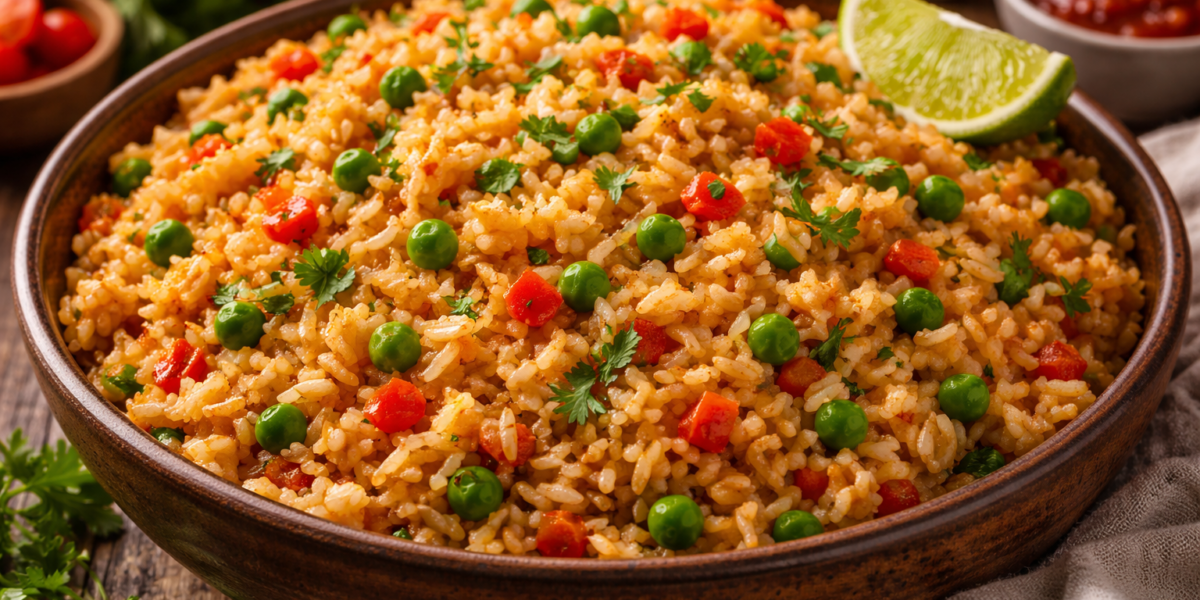
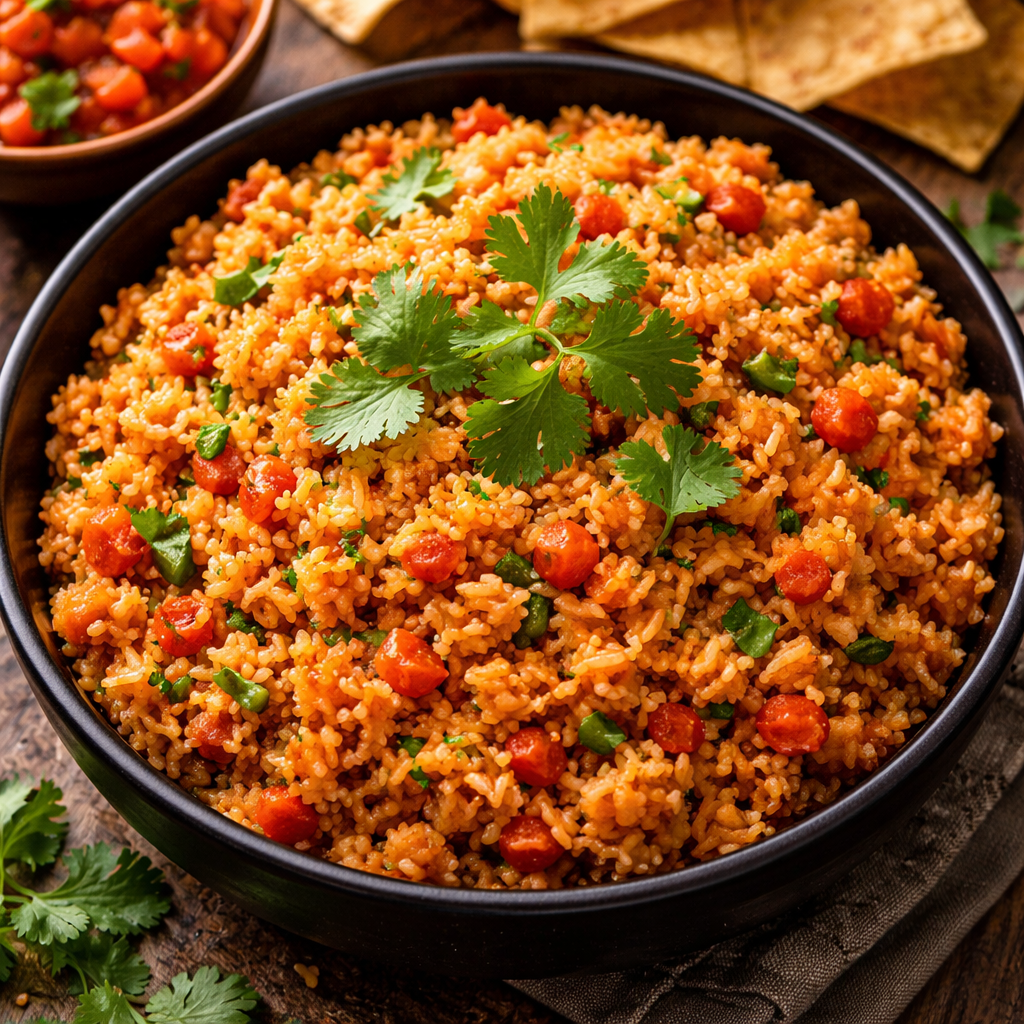
Easy Mexican Rice Recipe The most pervasive frustration when attempting an easy Mexican rice recipe is the “mush factor.” We have all been there: you follow the instructions on a box or a generic blog post, only to end up with a gummy, orange-tinted porridge instead of the fluffy, distinct grains found in high-end cantinas. Most home cooks struggle because they treat rice as a passive ingredient that just needs boiling water. However, to achieve that authentic restaurant-style texture, you must understand the relationship between starch removal and lipid-coating.
This authentic Mexican rice recipe—often called Arroz Rojo—is the professional solution to the “sticky rice” dilemma. By utilizing the “toast-and-absorption” method, you create a thermal barrier around each grain that prevents it from bursting and releasing excess starch. This guide deconstructs the science of browning rice and the precise liquid-to-solid ratios required to ensure a vibrant, savory, and perfectly separated side dish every time.
Why This Recipe Works
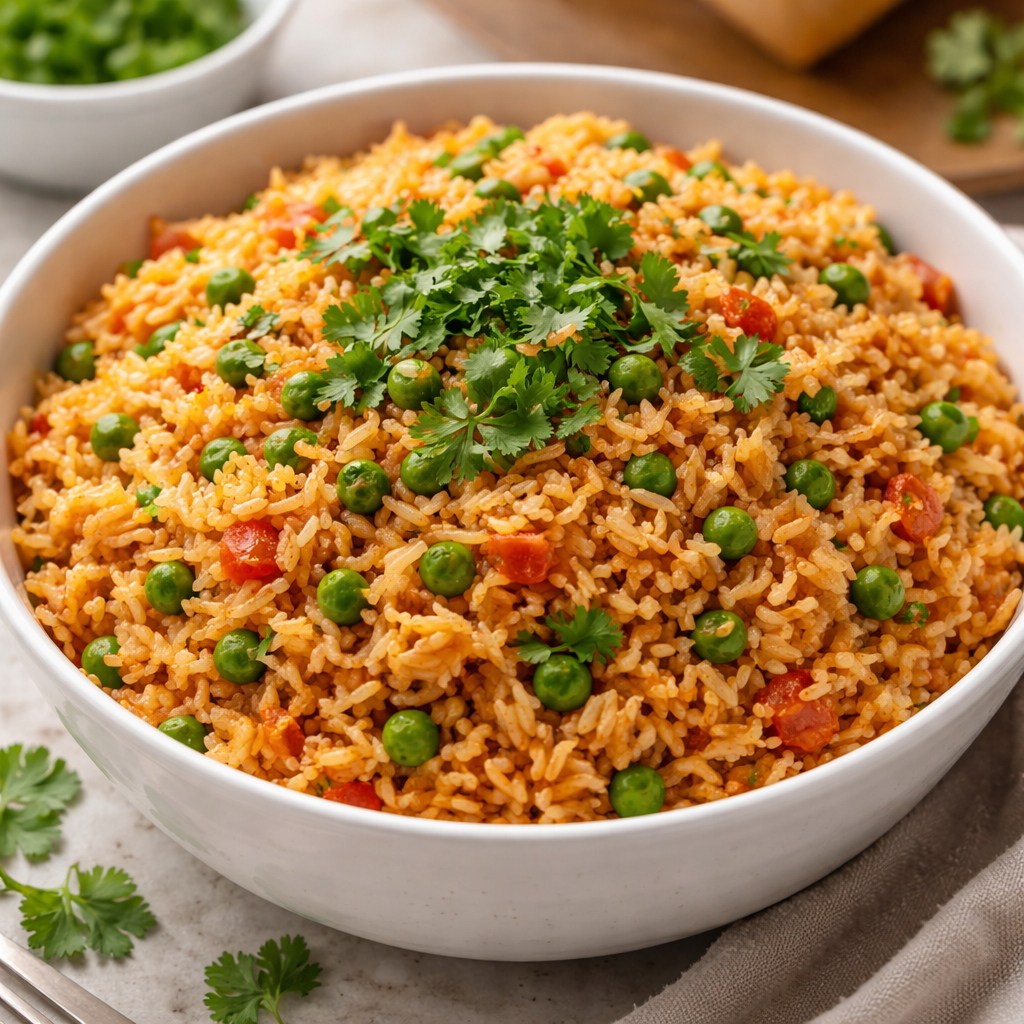
This homemade Mexican rice recipe succeeds by prioritizing the structural integrity of the long-grain rice through three specific culinary pillars.
- The Dextrinization Phase: By sautéing the raw rice in oil before adding any liquid, we undergo a process called dextrinization. This browns the starch and creates a nutty flavor profile while ensuring the grains don’t stick together during the simmer.
- Aromatic Emulsification: Rather than just using plain tomato sauce, we blend fresh aromatics with tomato to create a “sofrito” base. This ensures the flavor is integrated into the cooking liquid rather than just sitting on the surface.
- Absorption Precision: We utilize a strict 2:1 liquid ratio, adjusted for the moisture content of the tomato puree. This solves the “watery rice” problem and ensures the rice is steamed, not boiled.
- The “Lid-Lock” Steam: By allowing the rice to rest undisturbed, we allow the residual steam to finish cooking the centers of the grains, which prevents the common issue of rice that is “crunchy” in the middle.
Ingredients & Measurements
For a professional-grade easy Mexican rice, the type of rice and the quality of the broth are non-negotiable.
The Grain and Oil
- 2 cups Long-Grain White Rice: Avoid short-grain or sushi rice, as they contain too much amylopectin (the “sticky” starch).
- 1/4 cup Neutral Oil: Avocado, grapeseed, or vegetable oil work best. Avoid olive oil as its smoke point is too low for the toasting phase.
The Tomato-Aromatic Base
- 1 cup Tomato Sauce or 2 Medium Ripe Tomatoes: (If using fresh tomatoes, blend them until smooth).
- 1/2 Medium White Onion: Finely diced.
- 3 Cloves Garlic: Minced.
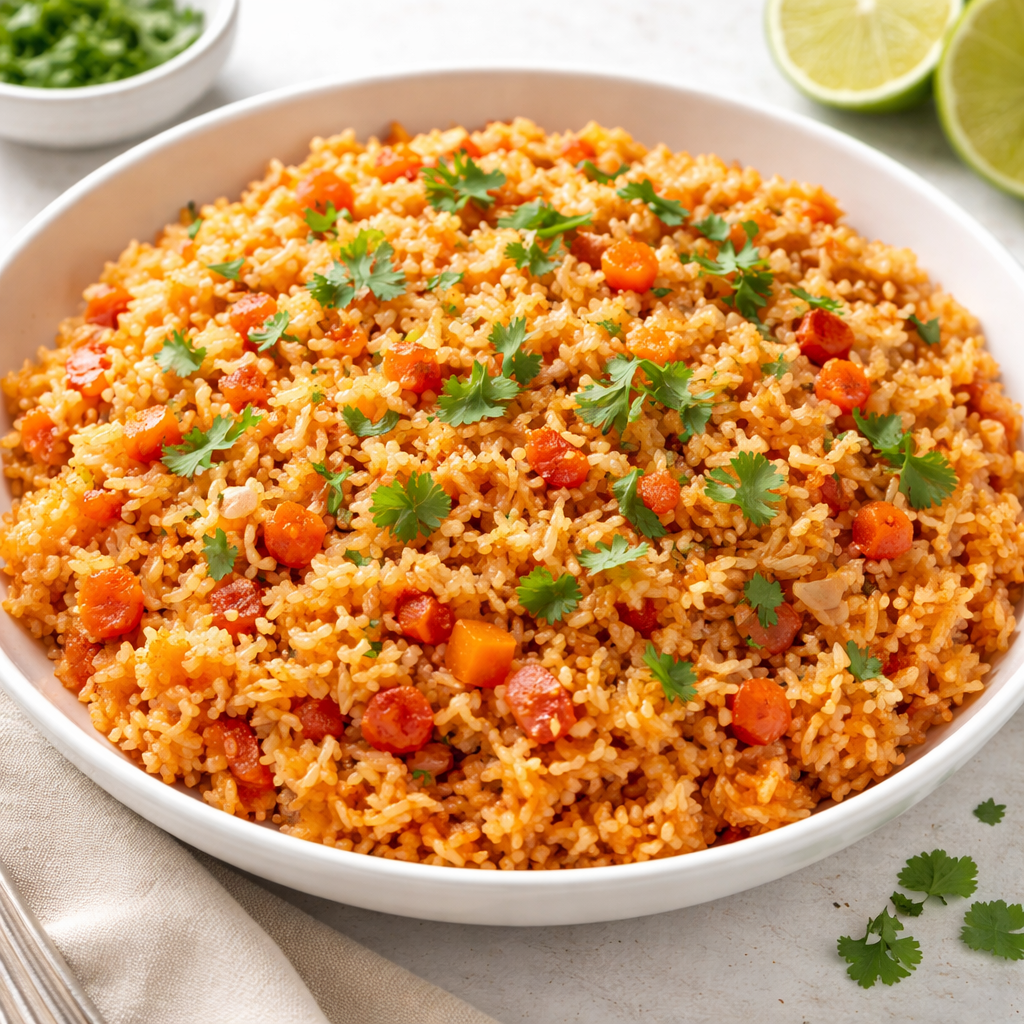
- 1/2 cup Frozen Peas and Carrots: (Optional, for traditional color and texture).
The Savory Liquids and Spices
- 3 cups Low-Sodium Chicken Broth: Or vegetable broth for a vegetarian version.
- 1 tsp Tomato Bouillon (Caldo de Tomate): The “secret ingredient” in many Mexican households for that deep red color and savory kick.
- 1/2 tsp Cumin & 1 tsp Salt: (Adjust salt if using full-sodium broth).
- 1 Whole Jalapeño: (Kept whole, for aroma without intense heat).
- Fresh Cilantro: For garnish.
Step-by-Step Cooking Guide
1. The Rinse and Dry
Place the rice in a fine-mesh sieve and rinse under cold water for 2–3 minutes until the water runs completely clear. This removes the surface starch—the primary culprit of gummy rice. Pro Tip: Let the rice dry for 10 minutes before cooking. Wet rice will steam rather than toast in the oil.
2. The Golden Toast
Heat the oil in a large, deep skillet or Dutch oven over medium-high heat. Add the dried rice. Stir constantly for 8–10 minutes. You are looking for the rice to transition from translucent to an opaque, golden-brown color. It should sound like “sand” or small pebbles hitting the side of the pan. This is the most critical step in any restaurant-style Mexican rice recipe.
3. Sautéing the Aromatics
Lower the heat to medium. Add the onions to the toasted rice and sauté for 2 minutes. Add the garlic and stir for 30 seconds. Do not let the garlic burn, as it will turn the entire batch of rice bitter.
4. The Liquid Marriage
Stir in the tomato sauce (or puree) and the tomato bouillon. Let this cook for 2 minutes to “fry” the tomato paste, which deepens the flavor. Pour in the chicken broth, cumin, and salt. Stir once—and only once—to combine.
5. The Infusion
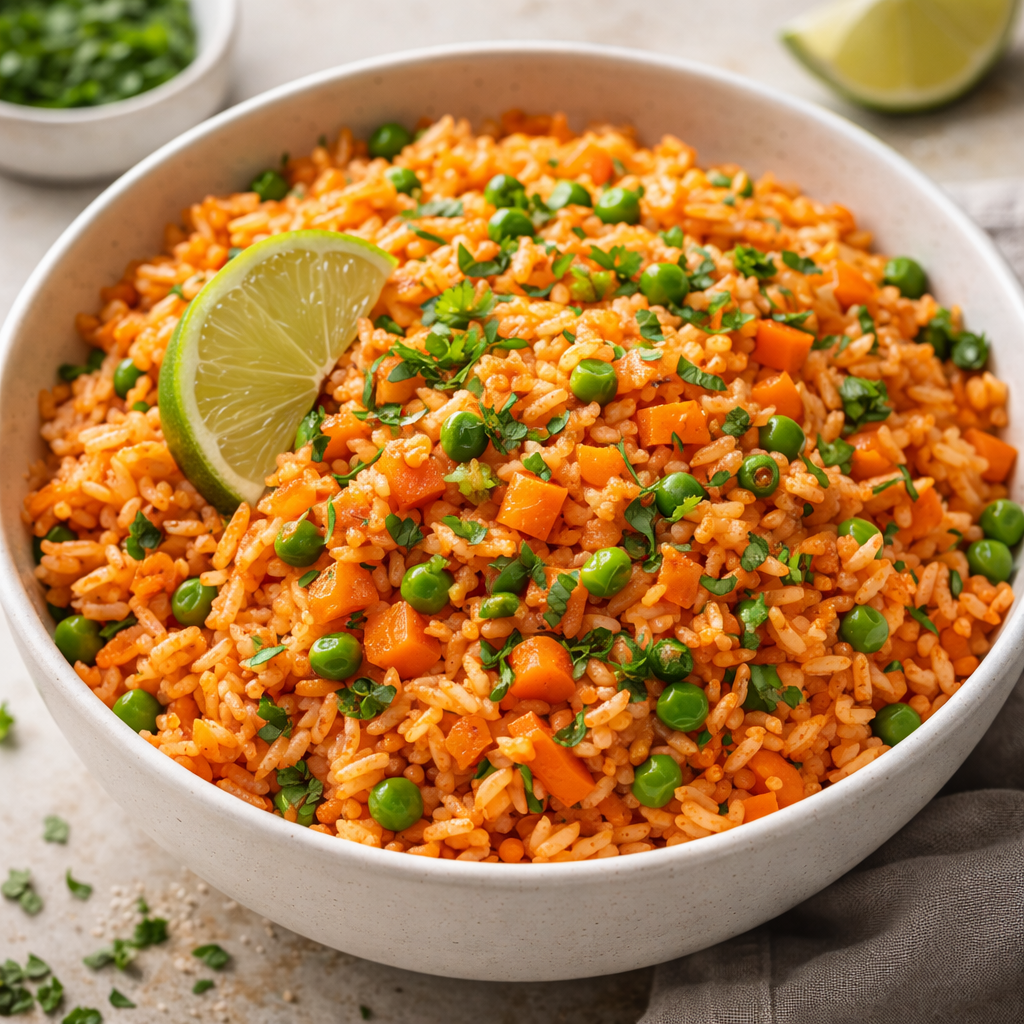
Place the whole jalapeño on top of the liquid and add the peas and carrots. Bring the mixture to a rolling boil.
6. The “Lid-Lock” Simmer
Reduce the heat to the lowest possible setting. Cover the pot with a tight-fitting lid. If your lid is loose, place a piece of aluminum foil over the pot before adding the lid to create a true seal. Simmer for 18–20 minutes. Do not lift the lid.
7. The Resting Period
After 20 minutes, turn off the heat but do not open the lid. Let the rice sit undisturbed for 10 minutes. This allows the moisture to redistribute evenly through the grains. Remove the jalapeño, fluff the rice gently with a fork, and garnish with cilantro.
Common Mistakes to Avoid
- Stirring the Rice While Simmering: Every time you stir the rice while it cooks, you agitate the starch and break the grains, leading to a “mushy” texture. Stir only at the beginning.
- Using Brown Rice with the Same Ratios: Brown rice requires significantly more liquid and a longer cook time. This easy Mexican rice recipe is specifically calibrated for long-grain white rice.
- Skipping the Toasting Step: If you don’t brown the rice, it will lack the characteristic nutty flavor and structural strength found in authentic versions.
- Peeking Under the Lid: Lifting the lid releases the steam pressure required to cook the rice through. If you peek, you’ll likely end up with hard, undercooked grains.
Timing & Doneness Indicators
Serving Suggestions
This simple Mexican rice recipe is the ultimate foundation for a variety of meals:
- The Classic Plate: Serve alongside Cheese Enchiladas or Beef Tacos with a side of refried beans.
- The Burrito Bowl: Use this rice as a base for grilled chicken, black beans, corn salsa, and a dollop of guacamole.
- The “Arroz con Pollo” Shortcut: Top the rice with seared chicken thighs and a squeeze of lime for a fast one-pot feeling.
- Breakfast Twist: Serve leftovers with a fried egg on top and a drizzle of hot sauce for a savory breakfast.
FAQ: Solving Your Mexican Rice Frustrations
Q: Why is my rice still crunchy after 20 minutes? A: This is usually due to an improper lid seal or the heat being too low. If the rice is still hard, drizzle 2 tablespoons of hot water over the top, replace the lid, and cook on low for an additional 5 minutes.
Q: Can I make this easy Mexican rice recipe in a rice cooker? A: Yes! Toast the rice, onions, and garlic in a skillet first (this is essential for flavor). Then, transfer the toasted mixture and all other ingredients to the rice cooker and use the “White Rice” setting.
Q: My rice is orange, not red. How do I get that deep color? A: The deep red color comes from the tomato bouillon or “Caldo de Tomate.” If you don’t have it, you can add a tablespoon of tomato paste during the sautéing phase to darken the hue.
Q: Can I use Jasmine or Basmati rice? A: While these are long-grain rices, they have distinct floral aromas that differ from traditional Mexican rice. They will work in a pinch, but “Standard Long-Grain White Rice” provides the most authentic flavor and texture.
Q: Is this Mexican rice recipe gluten-free? A: Rice is naturally gluten-free. However, check your chicken broth and tomato bouillon labels, as some brands use wheat-based thickeners or yeast extracts that contain gluten.