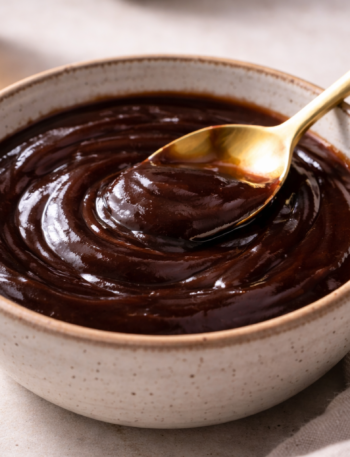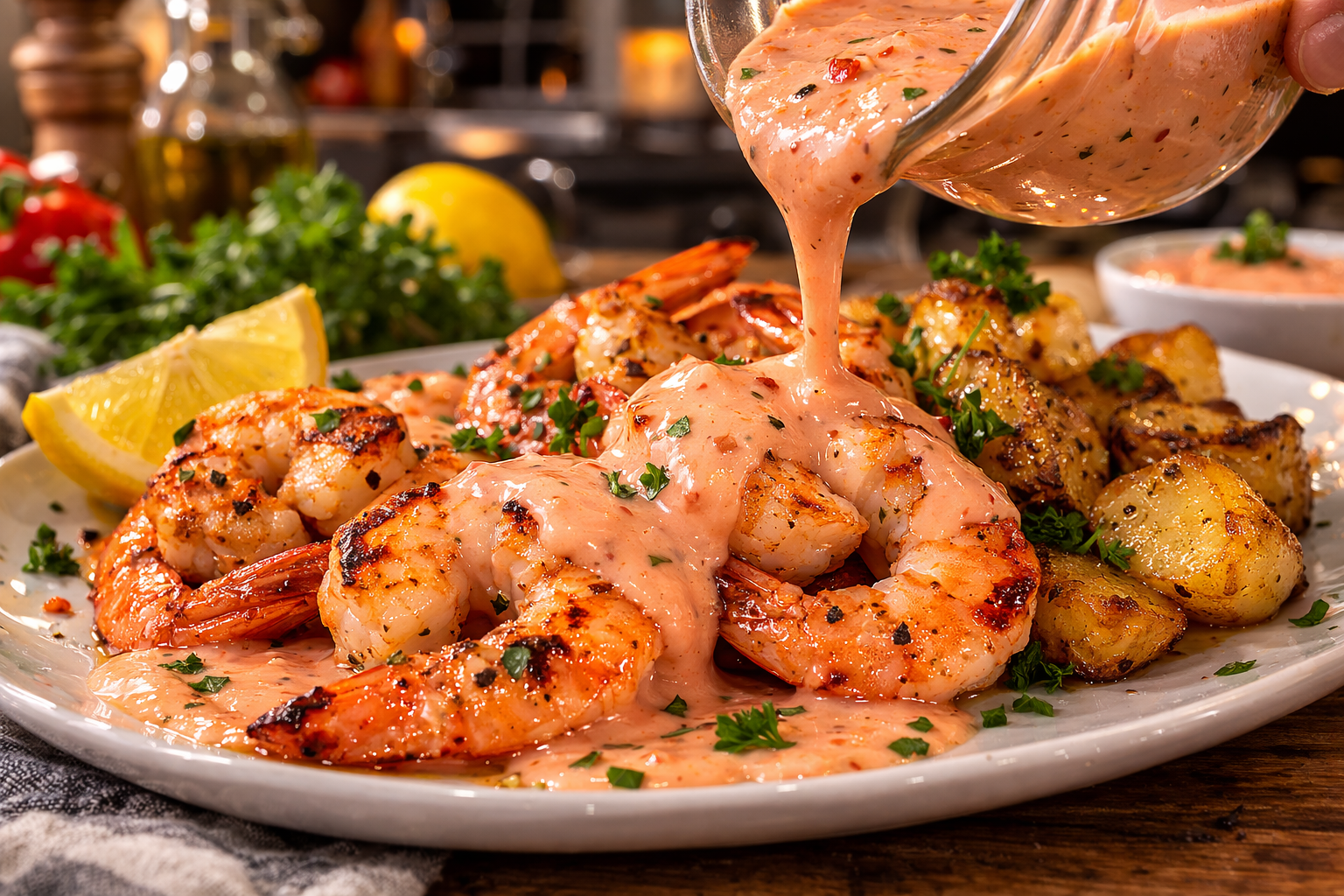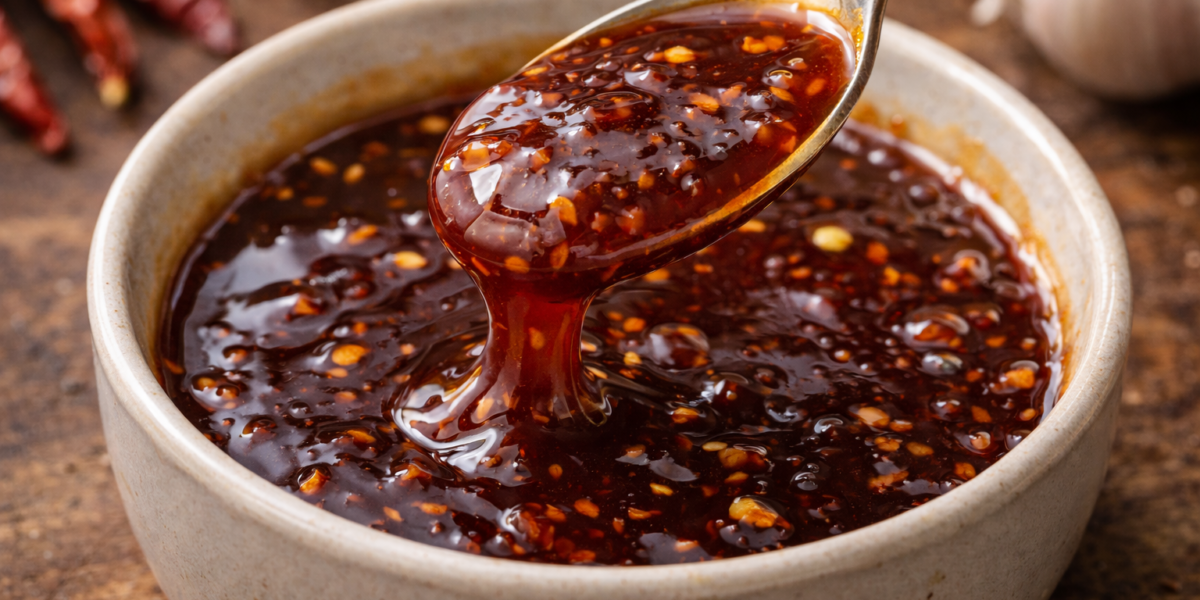
General Tso Sauce Recipe In the landscape of Chinese-American culinary history, the General Tso sauce recipe stands as the ultimate achievement in flavor equilibrium. It is a sauce that must perform a complex “balancing act”: it must be sweet but not cloying, spicy but not overwhelming, and tangy enough to cut through the richness of deep-fried protein.
However, many home cooks struggle with a version that is either too “syrupy” or fails to cling to the chicken, leaving a puddle of liquid at the bottom of the bowl. Achieving that iconic “lacquered” look—where the sauce wraps around the meat like a glass coating—requires more than just mixing ingredients; it requires an understanding of starch suspension and the Maillard reaction. This guide provides a professional-grade deconstruction of the General Tso sauce recipe, shifting it from a simple condiment to a culinary masterpiece.
Ingredient Breakdown: The Anatomy of Umami
To recreate an authentic General Tso sauce, one must recognize that every ingredient serves a chemical function. This isn’t just a list; it is a structural blueprint.
1. Rice Vinegar (The Acidic Spine)
Rice vinegar provides the sharp “top note.” Its acidity is essential for “opening up” the palate, allowing the taster to perceive the layers of sugar and spice. Without a strong acidic spine, the sauce feels heavy and one-dimensional.
2. Soy Sauce (The Salt and Color)
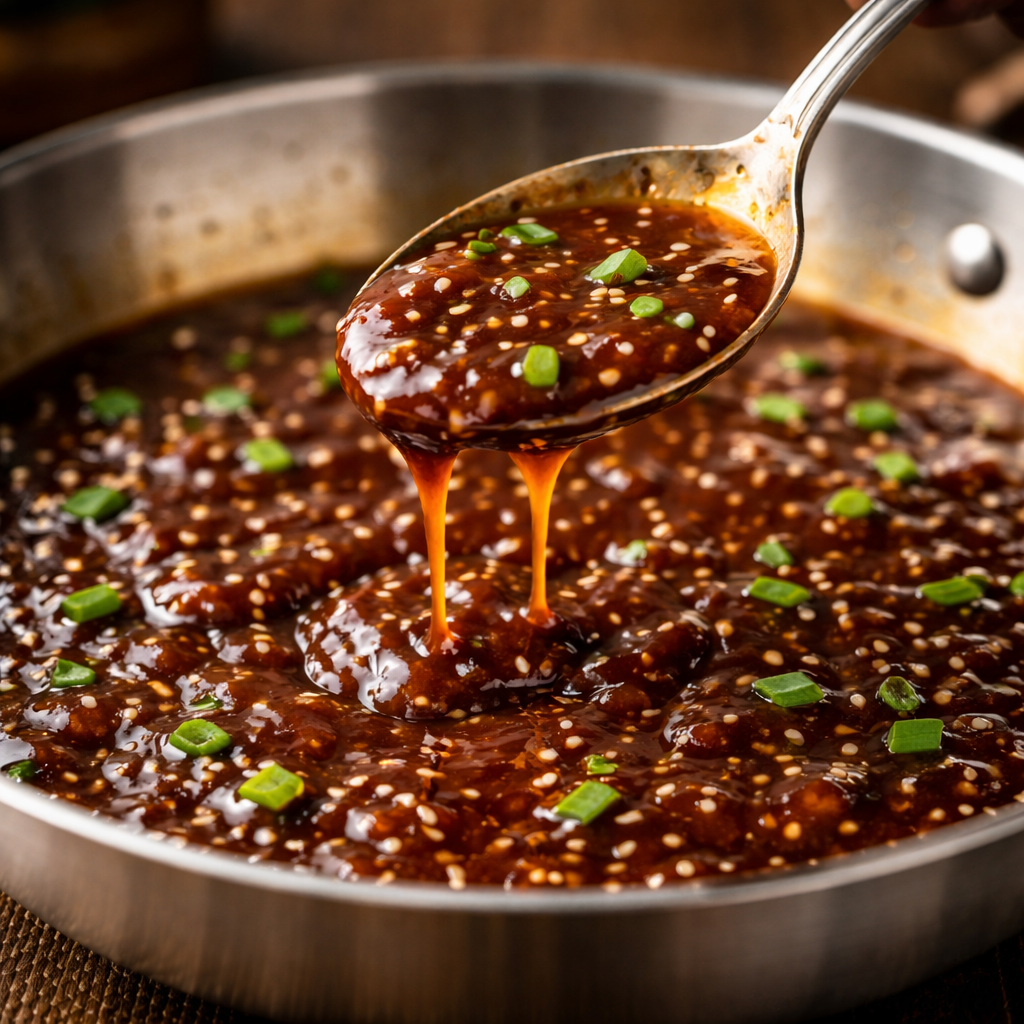
While salt provides seasoning, soy sauce provides umami—the savory “fifth taste.” In this General Tso sauce recipe, soy sauce also acts as the primary darkening agent, providing that deep, mahogany hue that characterizes the dish.
3. Hoisin Sauce (The Body and Complexity)
Many simplified recipes skip hoisin, which is a mistake. Hoisin is fermented soybean paste enriched with garlic, five-spice, and chili. It provides the “middle notes” and adds a thick, jam-like viscosity that helps the sauce adhere to the chicken.
4. Ginger and Garlic (The Aromatics)
These are the foundational aromatics. Garlic provides a pungent base, while ginger provides a “clean” heat. In a professional General Tso sauce, these are sautéed until their raw sulfurous compounds transform into sweet, toasted notes.
5. Dried Red Chilies (The Controlled Burn)
Traditionally, whole dried Tien Tsin peppers are used. Their role is not just to add heat, but to infuse the oil with a smoky, toasted pepper aroma. By keeping them whole, you control the spice level; by snipping them open, you release the seeds and escalate the heat.
6. Cornstarch slurry (The Gloss Agent)
Cornstarch is the magic behind the texture. When heated, cornstarch granules undergo gelatinization, absorbing liquid and swelling to create a clear, glossy suspension. This is what gives the General Tso sauce its characteristic sheen.
Preparation Strategy: The “Cold-Mix, Hot-Flash” Method
The most common failure in making a General Tso sauce recipe is adding starch directly to a hot pan, which creates lumps. The professional strategy involves a two-phase approach.
- The Slurry Pre-Mix: Always whisk your liquids (vinegar, soy, hoisin, sugar, and cornstarch) in a bowl while they are cold. This ensures the starch is perfectly suspended before it ever hits the heat.
- The Aromatic Bloom: You must “bloom” your aromatics (ginger, garlic, and chilies) in hot oil first. This fat-soluble extraction ensures the flavor is carried throughout the entire sauce rather than sitting on top.
- The “Nape” Consistency: A professional chef looks for the nappe—the point where the sauce is thick enough to coat the back of a spoon and hold a line when a finger is drawn through it.
Cooking Instructions
1. The Flavor Base (The Infusion)
Heat 2 tbsp of neutral oil (peanut or vegetable) in a wok or large skillet over medium-high heat. Add 3 cloves of minced garlic, 1 tbsp of grated fresh ginger, and 6-8 whole dried red chilies. Sauté for 30–60 seconds until the garlic turns golden—not brown.
2. The Liquid Integration
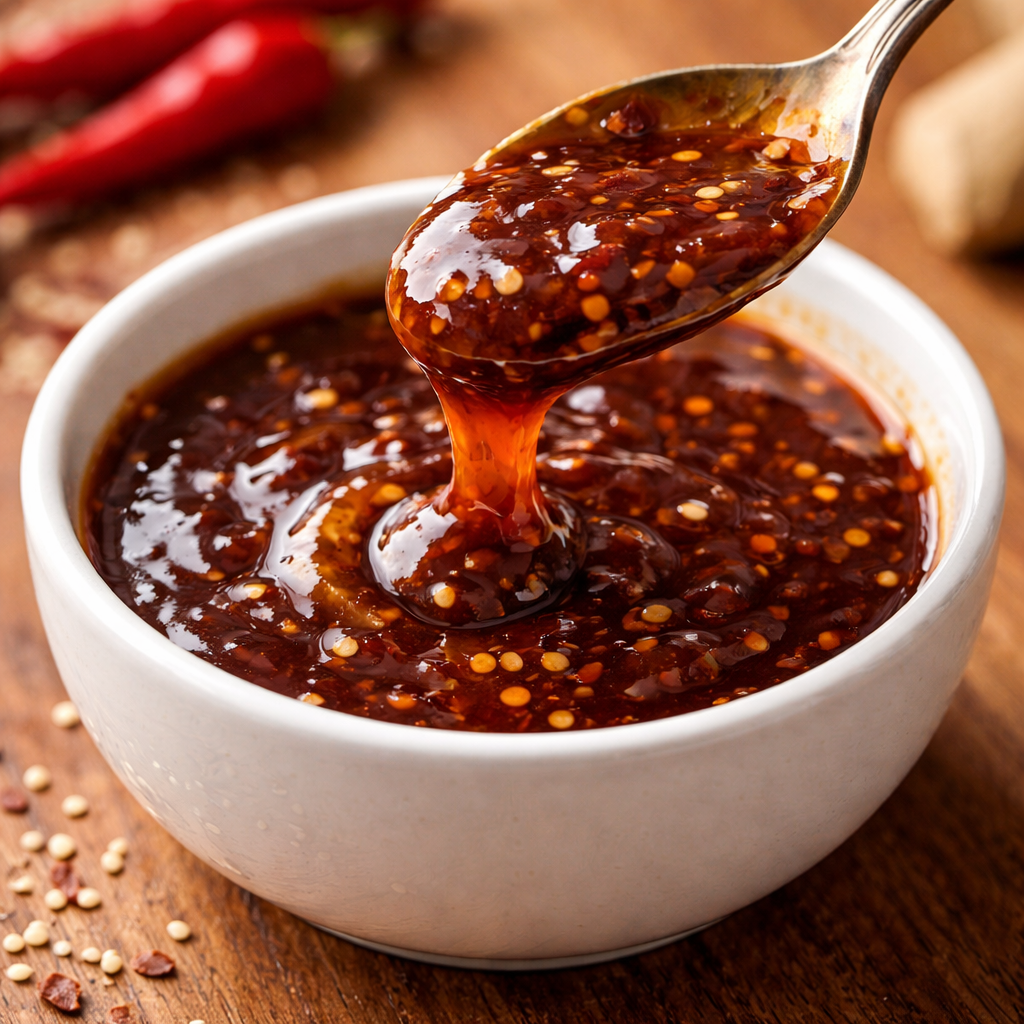
Whisk your cold sauce mixture: ½ cup chicken broth, ¼ cup soy sauce, 3 tbsp rice vinegar, 1 tbsp hoisin sauce, ½ cup granulated sugar, and 1 tbsp cornstarch.
3. The Thickening Phase
Pour the cold mixture into the hot wok with the aromatics. Increase the heat to high. Stir constantly. You will notice the sauce transition from a murky, opaque brown to a clear, shimmering translucent glaze. This transition occurs at approximately 175°F (80°C).
4. The Reduction
Once the sauce begins to bubble, continue to cook for another 60 seconds. This “cooks out” the starchy flavor of the cornstarch and allows the sugars to lightly caramelize, deepening the color.
5. The Toss
Add your crispy fried chicken (or cauliflower/tofu) to the wok. Toss vigorously for 30 seconds. The sauce should vanish from the bottom of the pan and appear entirely on the surface of the protein.
6. The Finish
Remove from heat immediately. Stir in 1 tsp of toasted sesame oil and garnish with sliced green onions. The sesame oil is a finishing oil; its delicate aromatics would be destroyed by the high-heat cooking phase.
Flavor & Texture Indicators
A successful General Tso sauce recipe is defined by the “Three Gs”: Glow, Grip, and Gusto.
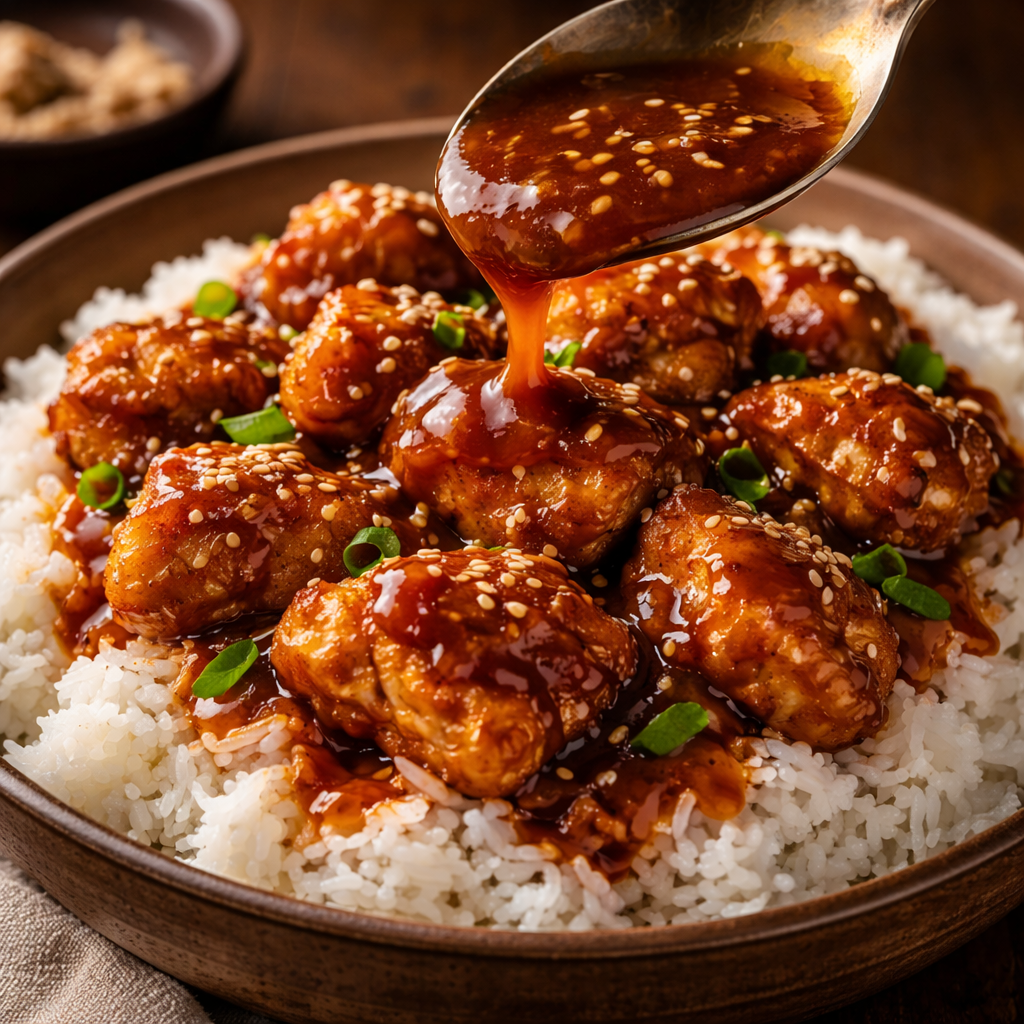
- Glow (The Sheen): When held under a kitchen light, the coated protein should reflect light like a polished stone. If the sauce looks “matte” or dull, you likely used too much flour or not enough sugar/starch.
- Grip (The Adhesion): If you lift a piece of chicken, no sauce should drip off. It should be “gripped” to the breading. This indicates the cornstarch has reached full gelatinization.
- Gusto (The Balance): The first taste should be sweet, followed immediately by the tang of the vinegar, and finished with a lingering, warm tingle from the chilies and ginger.
Adjustments for Different Skill Levels
For the Beginner
Focus on the sugar. If you find the sauce too “vinegary,” don’t add water; add another teaspoon of sugar. Sugar acts as a buffer for acid. Also, use a whisk for the cold mix—forks leave starch clumps that turn into “jelly balls” in the hot pan.
For the Intermediate Cook
Master the “Wok Hei” (Breath of the Wok). If you have a high-BTU burner, allow the sauce to slightly “scorch” at the very edges of the pan before tossing the chicken. This adds a subtle smoky dimension that defines restaurant-quality General Tso sauce.
For the Advanced Artisan
Experiment with “Dark Soy Sauce” vs. “Light Soy Sauce.” Use a 70/30 split. The dark soy sauce is aged longer and contains molasses, which provides an incredible ebony color and a fermented funk that takes this General Tso sauce recipe to an elite level.
Storage & Shelf Life
Because of its high sugar and vinegar content, this sauce is remarkably stable.
- Refrigeration: You can make the “liquid base” (everything except the aromatics and oil) and store it in a jar for up to 2 weeks. When ready to eat, just bloom your garlic and ginger and pour the jar in.
- The Reheating Hack: If you have leftover chicken already coated in sauce, do not microwave it—it will become soggy. Reheat it in an air fryer at 350°F for 4 minutes. The sauce will “re-caramelize” and the chicken will regain its crunch.
- Freezing: You can freeze the prepared sauce (liquid only). However, cornstarch emulsions can sometimes turn “spongy” when thawed. If this happens, simply whisk it vigorously in a hot pan to re-emulsify the starch.
Reader Questions
Q: Can I use honey instead of granulated sugar? A: Yes, but be careful. Honey has a lower burning point than granulated sugar. If you use honey, add it at the end of the thickening phase rather than boiling it from the start to preserve its floral notes and prevent a bitter, burnt taste.
Q: Why is my sauce turning into a solid jelly? A: You likely used too much cornstarch or let the sauce reduce for too long. A General Tso sauce recipe should be a thick liquid, not a solid. If it’s too thick, whisk in a tablespoon of hot chicken broth to loosen it.
Q: I don’t have rice vinegar. Can I use White Vinegar? A: White vinegar is much more aggressive and “acid-forward” than rice vinegar. If you must use white vinegar, cut the amount by half and add a splash of apple juice to mimic the sweetness of the rice grain.
Q: How do I make the sauce spicier without adding more chilies? A: Add a teaspoon of Chili Garlic Sauce (Sambal Oelek) or Sriracha to the liquid base. This introduces “instant” heat that is distributed evenly throughout the glaze.