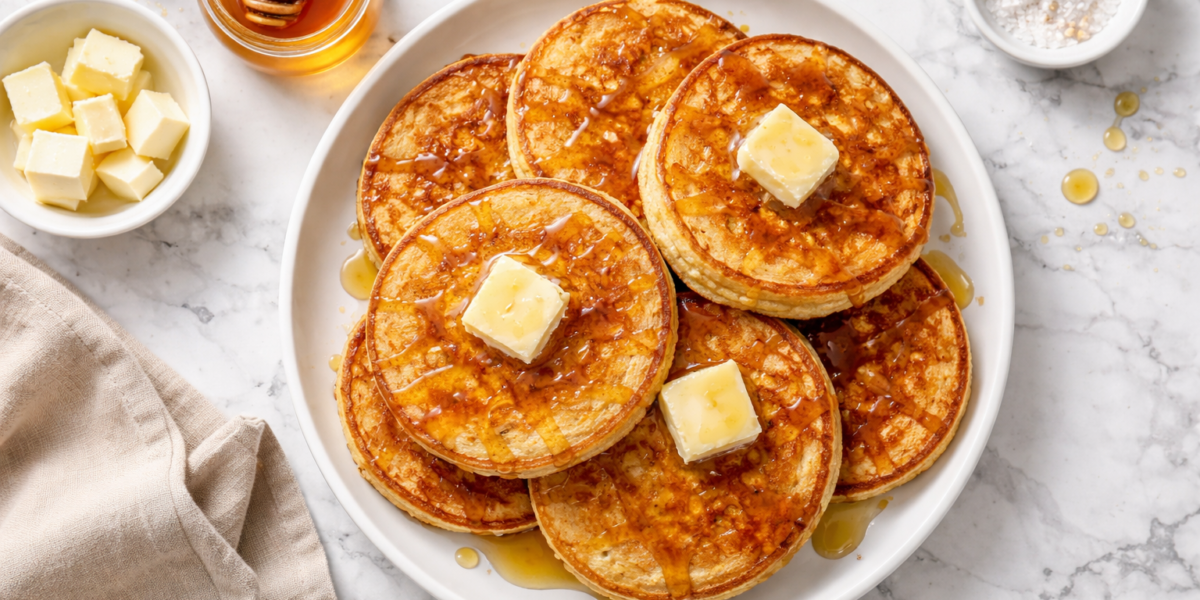
Hoe Cakes Recipe The most persistent frustration for anyone attempting a traditional hoe cakes recipe is the “shatter factor.” You strive for that iconic, lacey, golden-brown edge, only to end up with a center that is unpleasantly gritty or a cake that disintegrates the moment it hits the spatula. Many modern interpretations treat hoe cakes like standard pancakes, leading to a doughy, flavorless texture that lacks the historical soul of Southern cornmeal cooking.
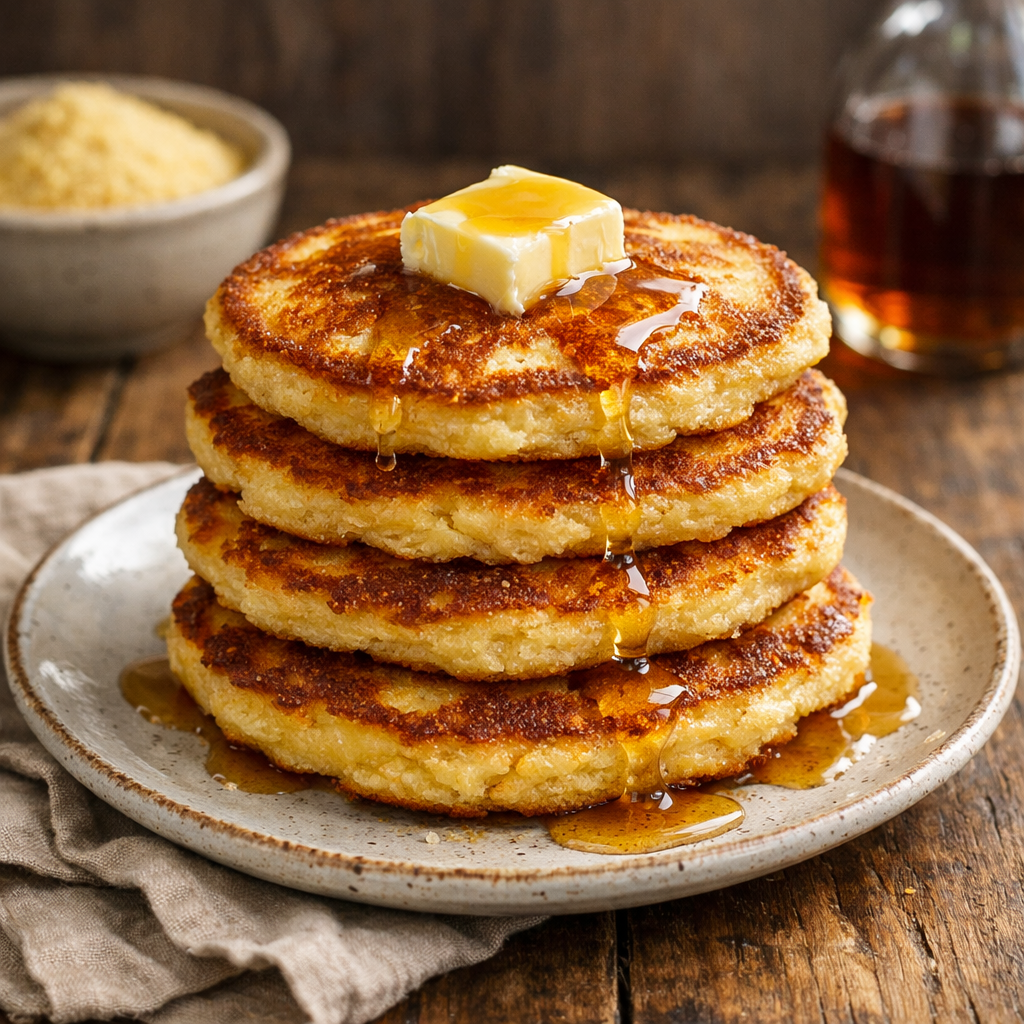
A true hoe cakes recipe—often referred to as water bread, corn pones, or johnnycakes—is a study in minimalism and heat management. It is not a fluffy breakfast cake; it is a savory, crisp-edged staple designed to complement everything from collard greens to blackberry jam. This guide deconstructs the science of cornmeal hydration and fat-based searing to ensure your kitchen produces a hoe cake with a structural snap and a creamy, tender interior.
Why This Recipe Works
This hoe cakes recipe succeeds by focusing on the thermal reaction of the cornmeal rather than relying on heavy leavening agents.
- Boiling Water Hydration: By using boiling water to bloom the cornmeal, we partially gelatinize the starches before they ever touch the pan. This solves the problem of a “gritty” mouthfeel and ensures the batter holds together without the need for excessive flour.
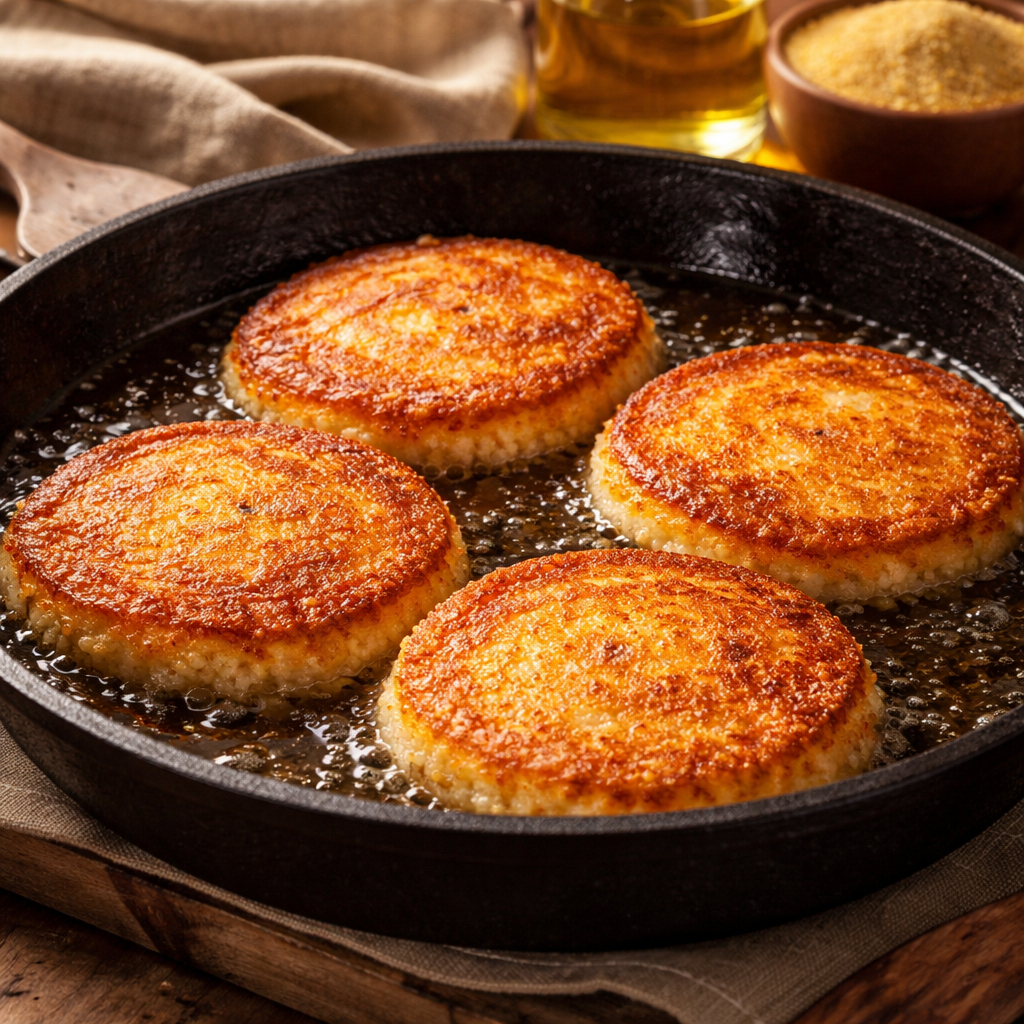
- Cast-Iron Heat Retention: This recipe is optimized for cast-iron cooking. The high thermal mass of a well-seasoned skillet provides the consistent, searing heat necessary to create the “lacey” edges that define a premium hoe cake.
- The Fat-Saturation Method: Instead of just greasing the pan, we use a shallow-fry approach. By using a combination of butter and oil (or bacon drippings), we create a high-smoke-point environment that allows the exterior to crisp while the interior remains moist.
- The Salt-Sugar Balance: While traditional hoe cakes are savory, a tiny addition of sugar doesn’t make them sweet; rather, it facilitates the Maillard reaction, ensuring a deep mahogany color that simple cornmeal and water cannot achieve alone.
Ingredients & Measurements
For a batch of approximately 8 to 10 cakes, the quality of your cornmeal is the single most important variable in this hoe cakes recipe.
The Dry Base
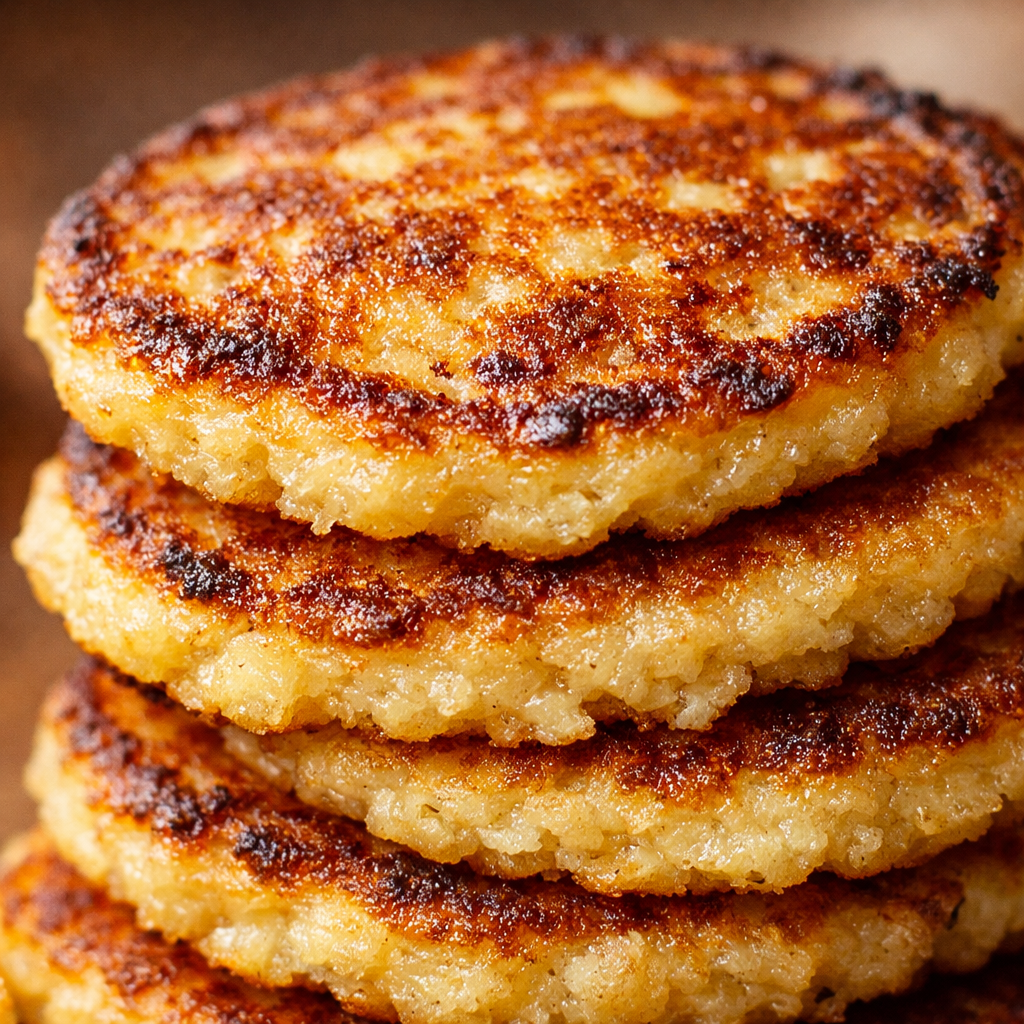
- 2 cups Finely Ground Yellow Cornmeal: Use stone-ground if available for superior flavor. Avoid “cornmeal mix” which contains pre-added flour and leavening.
- 1/2 cup All-Purpose Flour: This provides just enough gluten to act as a binder, preventing the “shatter” mentioned earlier.
- 1 tsp Kosher Salt: To sharpen the natural sweetness of the corn.
- 1 tsp Granulated Sugar: Essential for the browning process.
- 1/2 tsp Baking Powder: For a subtle, internal lift that prevents the cake from being a dense “brick.”
The Liquids
- 1 1/2 cups Boiling Water: To hydrate and soften the cornmeal.
- 1/2 cup Whole Buttermilk: The acidity of the buttermilk reacts with the baking powder and adds a signature tang.
- 1 Large Egg: Lightly beaten, to provide structure.
The Frying Fat
- 4 tbsp Bacon Drippings or Ghee: For traditional flavor.
- 2 tbsp Vegetable Oil: To raise the smoke point.
Step-by-Step Cooking Guide
1. Preheating the Surface
Place your cast-iron skillet over medium heat. Add your chosen fats. In an authentic hoe cakes recipe, the pan must be “screaming hot” before the batter is introduced. You are looking for a gentle shimmer in the oil; if it begins to smoke excessively, reduce the heat slightly.
2. The Cornmeal Bloom
In a heat-proof large bowl, whisk together the cornmeal, salt, sugar, and flour. Carefully pour the boiling water over the dry ingredients. Stir vigorously with a wooden spoon. Let this mixture sit for 5 minutes. This “resting” period is crucial; it allows the cornmeal to swell and the starches to stabilize.
3. The Batter Finalization
Once the cornmeal mixture has slightly cooled, whisk in the buttermilk and the beaten egg. The resulting batter should be thick but pourable—similar to a heavy porridge. If it feels too stiff, add a tablespoon of buttermilk; if too thin, a tablespoon of cornmeal.
4. The Searing Phase
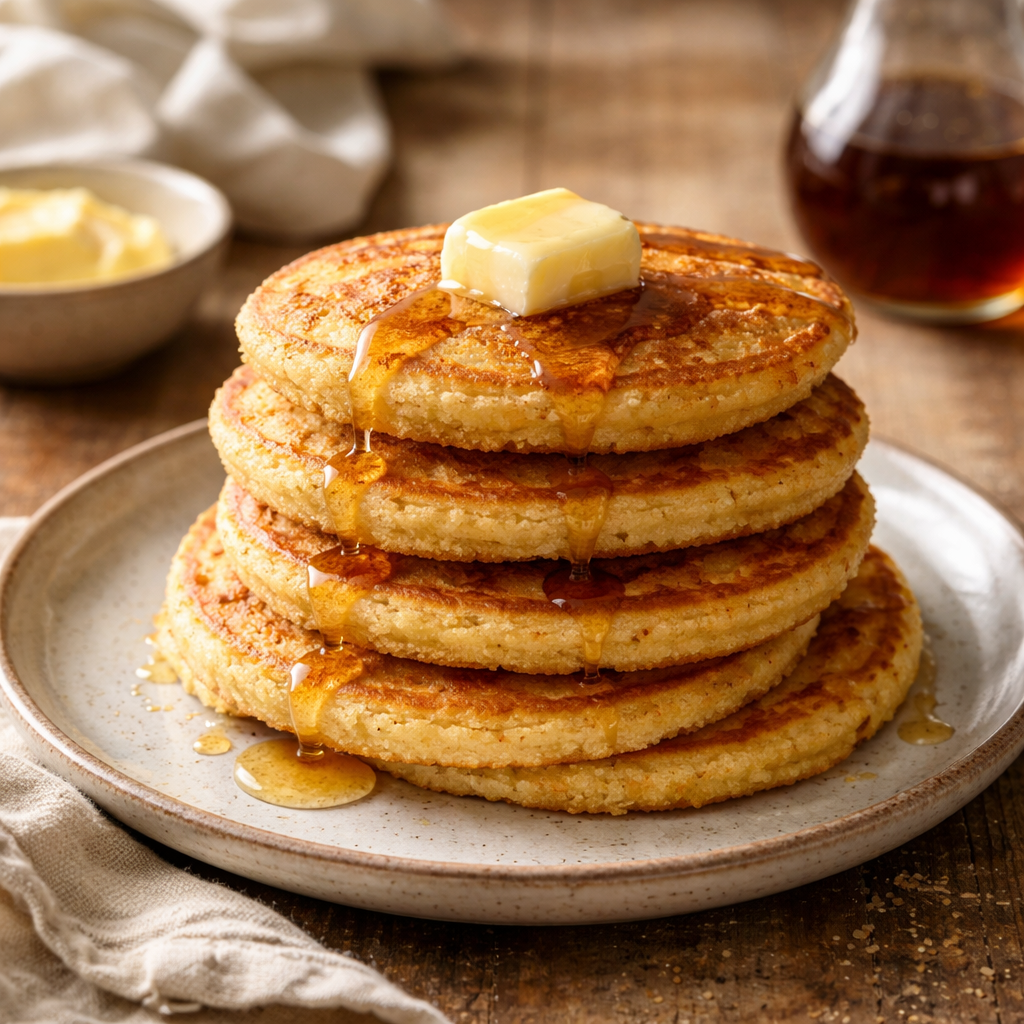
Using a 1/4 cup measure, scoop the batter into the hot skillet. Do not crowd the pan. For a standard 12-inch skillet, cook no more than three cakes at a time. As soon as the batter hits the fat, it should sizzle aggressively. This is what creates the lacey, perforated edges.
5. Flipping for Doneness
Cook for 3 to 4 minutes on the first side. Do not touch them until you see the edges turning a dark, crispy brown. Flip the cakes. The second side will only need about 2 minutes.
6. The Drain and Set
Transfer the hoe cakes to a wire rack set over a baking sheet. Avoid draining them on paper towels if possible, as the trapped steam can soften the crispy bottom you worked so hard to achieve.
Common Mistakes to Avoid
- Using Cold Water: If you use cold water, the cornmeal will not hydrate properly, and your hoe cakes recipe will result in a gritty, crumbly mess that falls apart in the pan.
- Low Pan Temperature: If the oil isn’t hot enough, the batter will simply absorb the fat, leading to a greasy, heavy cake instead of a crisp, fried one.
- Flipping Too Early: Hoe cakes have no gluten-based “stretch.” If you flip them before the bottom crust is fully set, they will tear in half.
- Using “Self-Rising” Cornmeal: These mixes often have a chemical aftertaste that overpowers the natural corn flavor. Always start with plain cornmeal for the best results.
Timing & Doneness Indicators
Serving Suggestions
A hoe cakes recipe is perhaps the most versatile side dish in American regional cooking:
- Savory Southern Style: Serve alongside a pot of slow-simmered pinto beans or turnip greens. Use the hoe cake to “sop up” the pot liquor.
- The Breakfast Classic: Top with a pat of salted butter and a generous drizzle of cane syrup or honey.
- The Modern Appetizer: Top with a dollop of pimento cheese and a pickled jalapeño for a gourmet twist on a rustic staple.
- Fried Fish Companion: Serve hot with fried catfish and coleslaw; the corn flavor is the natural partner for white fish.
FAQ: Solving Your Hoe Cake Frustrations
Q: Why are my hoe cakes raw in the middle but burnt on the outside? A: This is a classic temperature management issue. Your pan is likely too hot. While you want a high initial heat to set the edges, you may need to turn the burner down to medium-low once the cakes are in the pan to allow the centers to cook through.
Q: Can I make this hoe cakes recipe vegan? A: Yes. Replace the buttermilk with almond milk mixed with a teaspoon of lemon juice, use a flax egg (1 tbsp ground flax + 3 tbsp water), and fry in high-quality vegetable oil or coconut oil. The texture will be slightly less “sturdy” but still delicious.
Q: My batter is too thick to pour. How do I fix it? A: Cornmeal absorbs liquid at different rates depending on the grind and the humidity in your kitchen. If your batter looks like dough rather than a thick batter, whisk in an extra 1/4 cup of buttermilk or warm water until it reaches a “dropping” consistency.
Q: Why didn’t I get those “lacey” edges? A: Lacey edges are the result of the “Leidenfrost effect”—moisture in the batter rapidly evaporating as it hits hot fat. To get them, you need a generous amount of fat in the pan (about 1/8 inch deep) and a pan that is properly preheated.
Q: Can I store and reheat these? A: Hoe cakes are best fresh, but you can store them in an airtight container for 2 days. To reheat, avoid the microwave. Use a toaster oven or a dry skillet to bring back the exterior crunch.