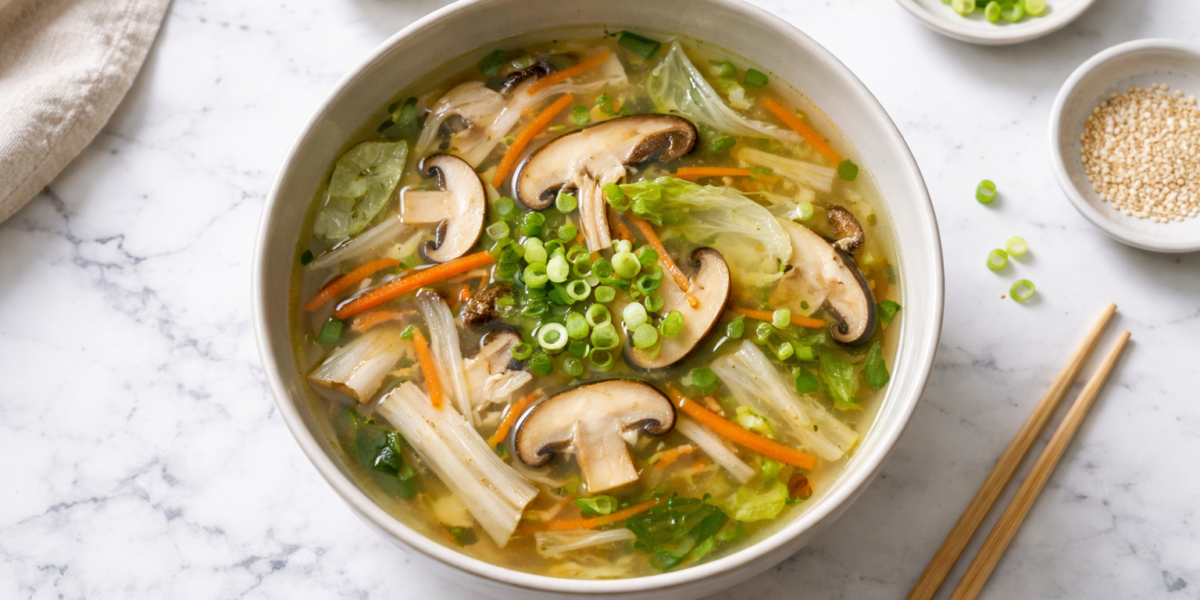
If you’ve ever sat around the flickering grill of a Japanese hibachi steakhouse, you know that the meal doesn’t truly begin with the showmanship of the chef or the sizzle of the shrimp. It begins with a small, unassuming bowl of steaming, translucent liquid. This is the “Miyabi” or Japanese Clear Soup Recipe, a delicate yet deeply savory broth that serves as the perfect overture to a rich meal.
I remember the first time I tried to recreate this at home. I thought it was just watered-down beef broth. I was wrong. The beauty of a true Japanese Clear Soup Recipe lies in its clarity—both in its appearance and its clean, focused flavor profile. It is a masterclass in “Umami,” the Japanese concept of savory deliciousness, achieved through a slow infusion of vegetables and proteins rather than a heavy-handed use of salt or cream.
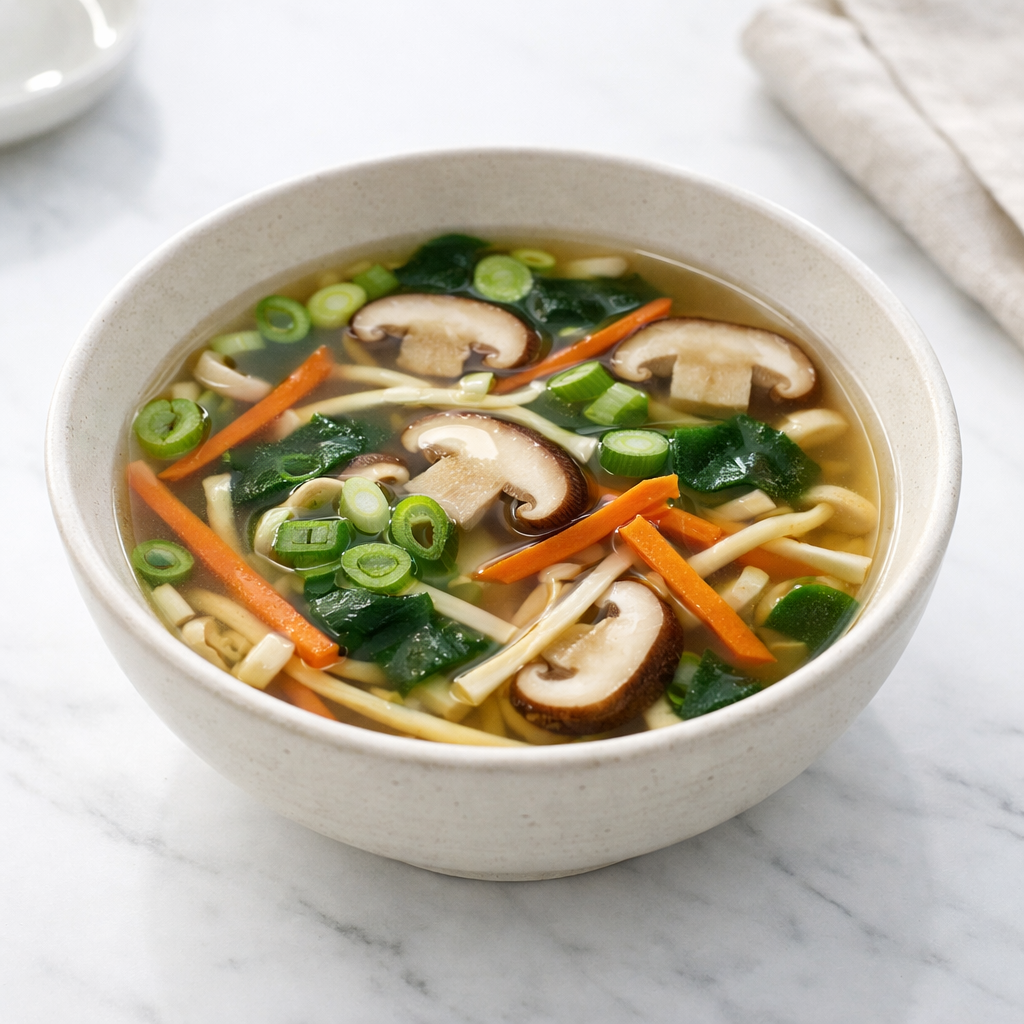
Whether you are looking for a light starter for a dinner party or a soothing, low-calorie comfort food for a rainy afternoon, this recipe is a staple every home cook should have in their back pocket. It is elegant, restorative, and surprisingly simple to master once you know the secret of the “clear” technique.
Why You Should Try This Recipe
The Japanese Clear Soup Recipe (often called Miyabi soup or Osuimono) has earned its place as a favorite for several reasons:
- Palate Cleansing: Its light, thin consistency and bright ginger notes refresh the palate, making it the ideal appetizer for heavier dishes like fried rice or steak.
- Low-Calorie & Healthy: Unlike creamy chowders or heavy stews, this broth is incredibly light on calories but high in mineral-rich vegetable essence.
- Pantry-Friendly: While it tastes exotic, most of the ingredients—onions, carrots, celery, and ginger—are likely already sitting in your crisper drawer.
- Soothing Properties: The combination of ginger and warm broth makes this a go-to remedy for cold symptoms or digestive sluggishness.
Ingredients You’ll Need
To achieve the depth of flavor required for a restaurant-quality Japanese Clear Soup Recipe, you need to build a “layered” broth.
The Broth Base
- Beef Broth: 4 cups of high-quality, low-sodium beef broth.
- Chicken Broth: 4 cups of low-sodium chicken broth.Note: Using a 50/50 mix of beef and chicken provides a more complex flavor than using just one type of meat stock.
- Water: 2 cups (to allow for reduction during the long simmer).
The Aromatics
- White Onion: 1 large onion, roughly chopped.
- Carrots: 2 medium carrots, peeled and sliced.
- Celery: 2 stalks, chopped.
- Fresh Ginger: A 2-inch knob, peeled and sliced into thin rounds.
- Garlic: 2 cloves, smashed.
The Finishing Touches (The Garnishes)
- Green Onions: Thinly sliced on a bias.
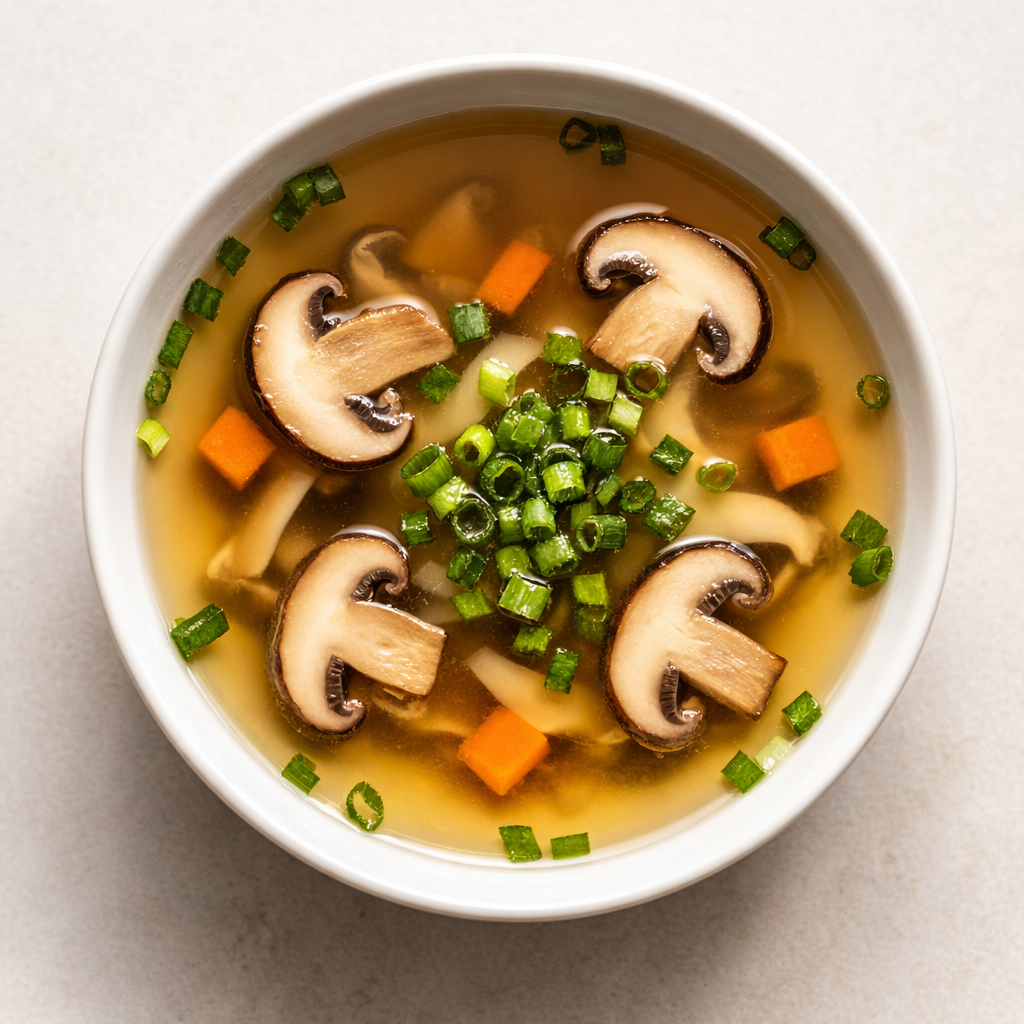
- Button Mushrooms: 4–5 mushrooms, sliced paper-thin.
- French Fried Onions: A small handful (optional, but provides that classic hibachi crunch).
How to Prep Before Cooking
Preparation is the soul of any Japanese Clear Soup Recipe. Because the final product is so simple, the way you handle your aromatics determines the clarity of the broth.
- Roast the Aromatics (Optional but Recommended): For a deeper amber color and a toasted flavor, you can toss your onions and carrots in a dry pan for 3–4 minutes until they show slight char marks before adding the liquid.
- Ginger Slicing: Don’t grate the ginger. Slicing it into coins allows it to infuse the broth with its spicy aroma without making the soup cloudy or “gritty.”
- Mushroom Thinness: Use a very sharp knife or a mandoline to slice your mushrooms. They should be so thin they almost look translucent. This allows them to “cook” instantly just from the heat of the poured broth.
- Stock Quality: If you aren’t using homemade stock, choose a “bone broth” or a high-quality boxed version. Avoid bouillon cubes if possible, as they can sometimes contain yellow dyes that ruin the “clear” aesthetic.
Simple Step-by-Step Method
Mastering the Japanese Clear Soup Recipe requires patience more than technical skill. The “slow and low” simmer is what extracts the flavor without breaking down the vegetables into a mushy, cloudy mess.
Step 1: The Infusion
In a large stockpot, combine the beef broth, chicken broth, water, chopped onions, carrots, celery, ginger, and garlic. Bring the mixture to a boil over medium-high heat.
Step 2: The Gentle Simmer
Once boiling, immediately reduce the heat to the lowest setting. You want a very gentle simmer—just a few bubbles breaking the surface. Cover and let it cook for at least 1 to 1.5 hours.
Why the long wait? This is when the mirepoix (onions, carrots, celery) surrenders its sweetness to the savory meat broths.
Step 3: Straining for Clarity
This is the most important part of the Japanese Clear Soup Recipe. Place a fine-mesh strainer (lined with cheesecloth if you want absolute perfection) over a clean pot. Carefully pour the broth through. Discard the boiled-to-mush vegetables and ginger.
Step 4: The Second Strain (Optional)
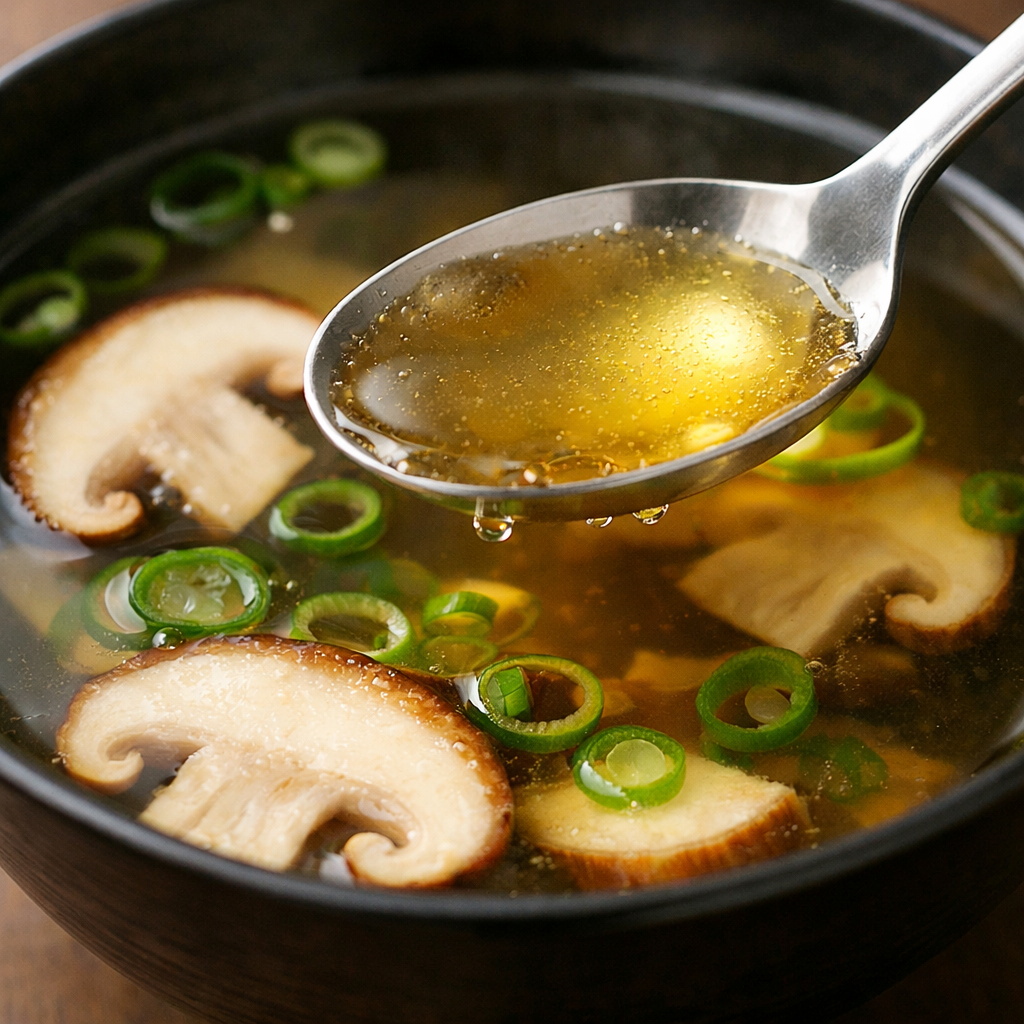
If you see any fat droplets on the surface, you can skim them off with a spoon or run the broth through a fat separator. The goal is a liquid that looks like dark tea.
Step 5: Seasoning
Taste your broth. Add salt only if necessary. If the flavor feels a bit “flat,” add a tiny splash of soy sauce or a pinch of sugar to balance the ginger’s heat.
Best Time to Serve It
While we often associate this Japanese Clear Soup Recipe with hibachi night, it’s surprisingly versatile:
- As an Appetizer: It’s the perfect way to open a multi-course Asian-inspired dinner.
- With Sushi: The ginger in the soup complements the pickled ginger served with sashimi and nigiri.
- During Flu Season: Because it’s light and hydrating, it’s an excellent alternative to standard chicken noodle soup when you’re feeling under the weather.
- Summer Starter: It’s light enough that it won’t weigh you down before a summer BBQ or outdoor lunch.
Tips for Better Flavor
Want to take your Japanese Clear Soup Recipe to the next level? These “chef secrets” will make the difference:
- The Scallion Secret: Use the white parts of the green onions in the simmering pot for flavor, and save the bright green tops for the garnish.
- Don’t Stir Too Much: Stirring the simmering broth can break apart the vegetables, releasing starches that make the soup cloudy. Let it sit still.
- Temperature Control: Never let the soup reach a rolling, violent boil for an extended period. High heat emulsifies fats and particles into the water, resulting in a “muddy” look.
- A Drop of Sesame: A single drop (literally one drop) of toasted sesame oil per bowl right before serving adds a nutty aroma that is heavenly.
Easy Recipe Variations
The “Clear Soup” is a canvas. Here is how you can adapt your Japanese Clear Soup Recipe to fit different needs:
| Variation | What to Change |
| Vegetarian/Vegan | Use a mushroom-based dashi or high-quality vegetable broth. Add a piece of Kombu (dried kelp) during the simmer for that “sea” flavor. |
| Spicy Clear Soup | Add a few slices of fresh jalapeño or a teaspoon of Sriracha to the simmering pot. |
| Noodle Style | Add a small nest of cooked glass noodles (cellophane noodles) to the bowl before pouring the broth. |
| Tofu Boost | Add tiny cubes of silken tofu for a bit of soft protein. |
How to Store Leftovers
Because this Japanese Clear Soup Recipe is a strained broth, it stores exceptionally well.
- In the Fridge: Store the broth in a glass jar for up to 5 days. Glass is better than plastic as it won’t absorb the ginger scent.
- In the Freezer: This broth is a meal-prep dream. Freeze it in ice cube trays or silicone molds. Once frozen, pop them into a bag. You can melt a few cubes whenever you need a quick cup of warm comfort. It stays fresh for up to 6 months.
- The Garnish Rule: Always store the garnishes (mushrooms and green onions) separately. If you leave them in the soup, they will become soggy and lose their vibrant color.
Serving and Presentation Tips
Presentation is vital in Japanese cuisine. To serve your Japanese Clear Soup Recipe beautifully:
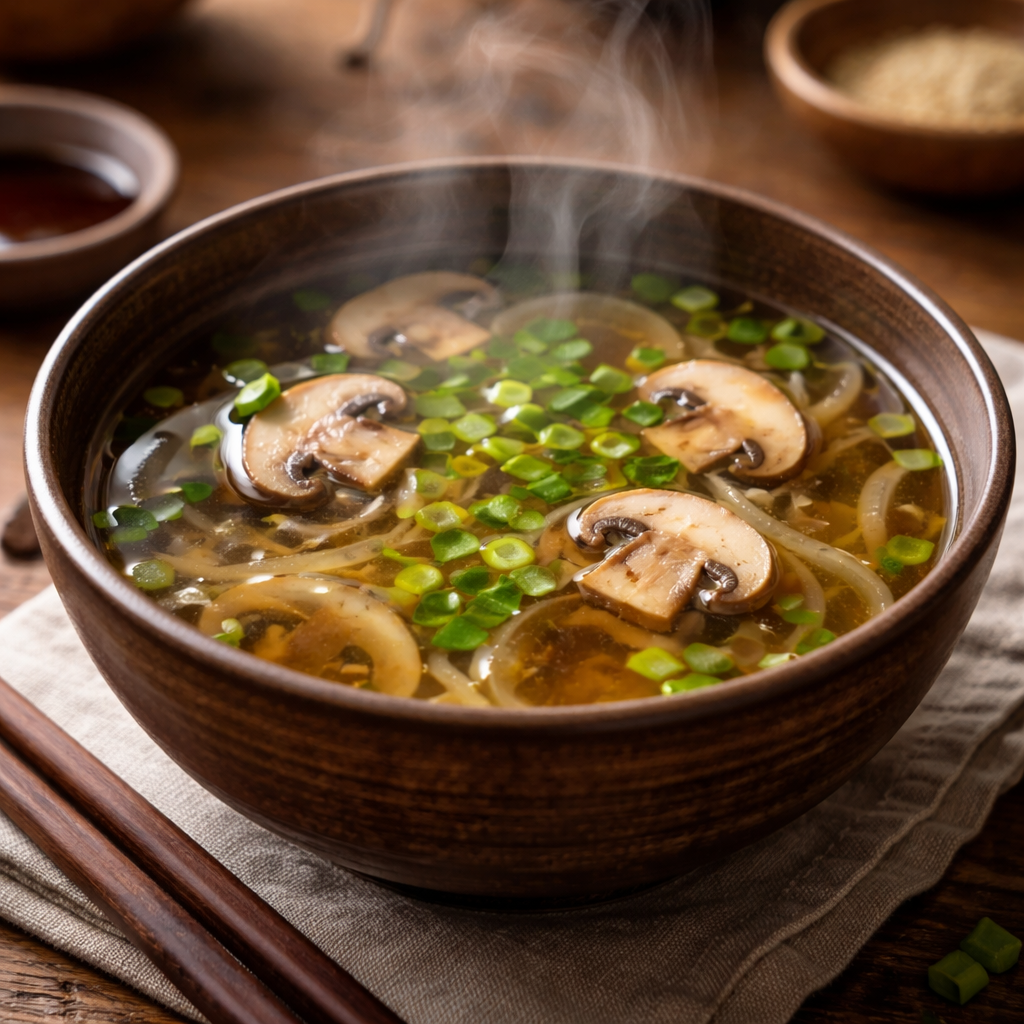
- The Bowl: Use small, deep ceramic bowls. Red or black interiors make the translucent broth look stunning.
- The Pour: Place 3 paper-thin mushroom slices and a pinch of green onions in the bottom of the empty bowl. Pour the piping-hot broth over them at the table.
- The Aroma: Serve immediately. The steam carrying the scent of ginger and toasted onions is half the experience.
Common Mistakes and Fixes
If your Japanese Clear Soup Recipe doesn’t look or taste like the restaurant version, check these common issues:
- Problem: The soup is cloudy.
- The Fix: You likely boiled it too hard or didn’t strain it through a fine enough mesh. Next time, keep the heat lower and use cheesecloth.
- Problem: It tastes like plain beef stew.
- The Fix: You need more ginger! The ginger is the signature note of this soup. Add an extra inch of ginger knob in your next batch.
- Problem: It’s too salty.
- The Fix: Dilute with a little bit of water or unsalted chicken stock. Always use “Low Sodium” bases so you can control the salt level yourself.
Final Thoughts
The Japanese Clear Soup Recipe is a testament to the fact that you don’t need expensive ingredients or complex techniques to create something truly soul-satisfying. It is about the art of extraction—taking simple vegetables and slow-cooking them until they give up their essence to a clear, shimmering broth.
Once you’ve tasted the difference between a store-bought broth and this carefully infused version, there’s no going back. It’s light, healthy, and a beautiful way to show care for your guests (or yourself).
Authentic Mexican Soup Recipes