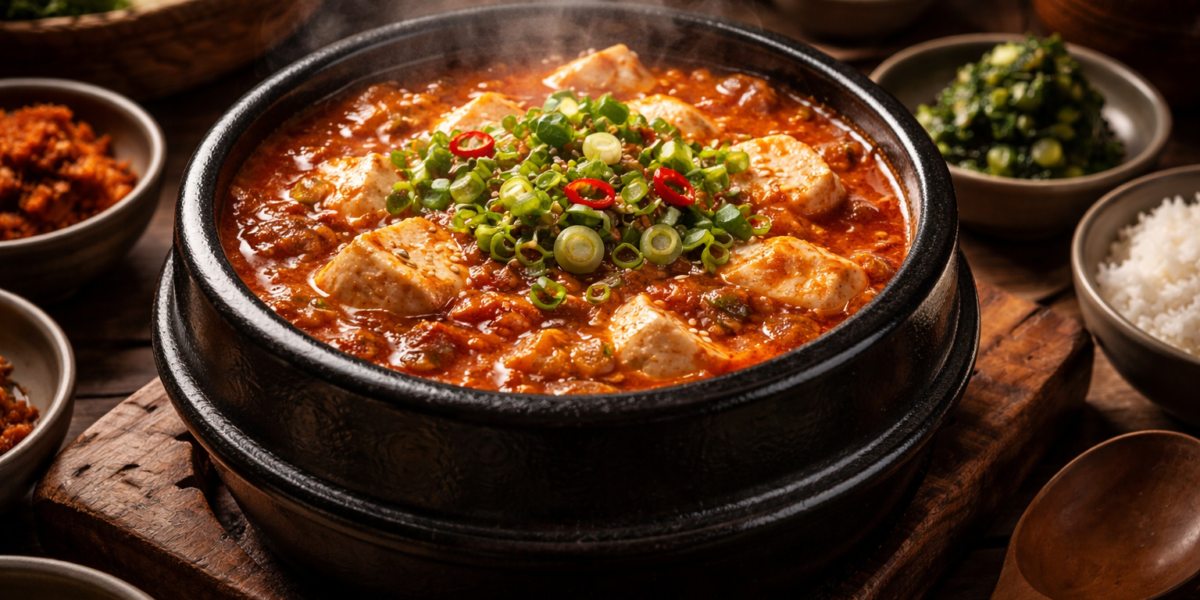
There is a specific kind of magic that happens when a bubbling stone pot is placed on a wooden table, its contents a vibrant, fiery red and its surface dancing with steam. For many, a Korean Tofu Soup Recipe, known traditionally as Soondu-bu Jjigae, is the ultimate expression of comfort. It is a dish that engages all the senses: the sizzle of the pot, the aroma of toasted sesame and garlic, and the silkiness of the tofu that practically melts on your tongue.
In the world of Korean cuisine, this soup is a staple for a reason. It balances the intense, smoky heat of chili flakes with the delicate, clean flavor of soft tofu. Whether you are battling a winter chill or simply seeking a meal that feels like a warm embrace, mastering a Korean Tofu Soup Recipe at home is a rewarding culinary journey. It is surprisingly fast to prepare, yet it carries a depth of flavor that suggests hours of slow simmering. Let’s explore how to recreate this restaurant-quality classic in your own kitchen.
Why You’ll Love This Recipe
If you haven’t made a Korean Tofu Soup Recipe before, you are in for a treat. This dish is favored by home cooks and professional chefs alike for several reasons:
- Incredible Texture: The use of “silken” or “extra soft” tofu provides a custard-like consistency that contrasts beautifully with the chewy bits of protein or vegetables in the broth.
- Customizable Heat: While it looks intimidatingly spicy, you have total control over the Gochugaru (Korean chili flakes) levels, allowing you to tailor the soup to your personal spice tolerance.
- Speedy Preparation: Unlike many hearty stews that take hours to tenderize meat, this soup relies on quick-cooking ingredients. You can go from prep to table in about 20 minutes.
- Nutritional Powerhouse: It is naturally high in protein and low in carbohydrates, making it a light yet satisfying meal that won’t leave you feeling sluggish.
What You Need to Get Started
To achieve that authentic, deep “umami” flavor, a few specific ingredients are non-negotiable for a Korean Tofu Soup Recipe.
The Core Ingredients
- Extra Soft Tofu (Soondu-bu): Look for the tubes or blocks labeled “silken” or “soondu-bu.” This is much softer than “firm” tofu and is the star of the show.
- Gochugaru: These are Korean red chili flakes. They have a distinct smoky-sweet heat that standard crushed red pepper flakes cannot replicate.
- Broth: Traditionally made with dried anchovy and kelp, but you can use high-quality chicken, beef, or vegetable broth for ease.
The Aromatics
- Garlic and Ginger: Freshly minced for a sharp, bright base.
- Green Onions: White parts for the base, green parts for the garnish.
- Toasted Sesame Oil: This provides the signature nutty aroma.
The Protein (Optional)
- Pork Belly or Ground Pork: Adds richness to the broth.
- Seafood Mix: Shrimp, clams, and mussels are classic additions for a briny, oceanic depth.
How to Prepare the Ingredients
Preparation is the most critical phase of a Korean Tofu Soup Recipe. Because the cooking process moves quickly, you want everything ready to drop into the pot.
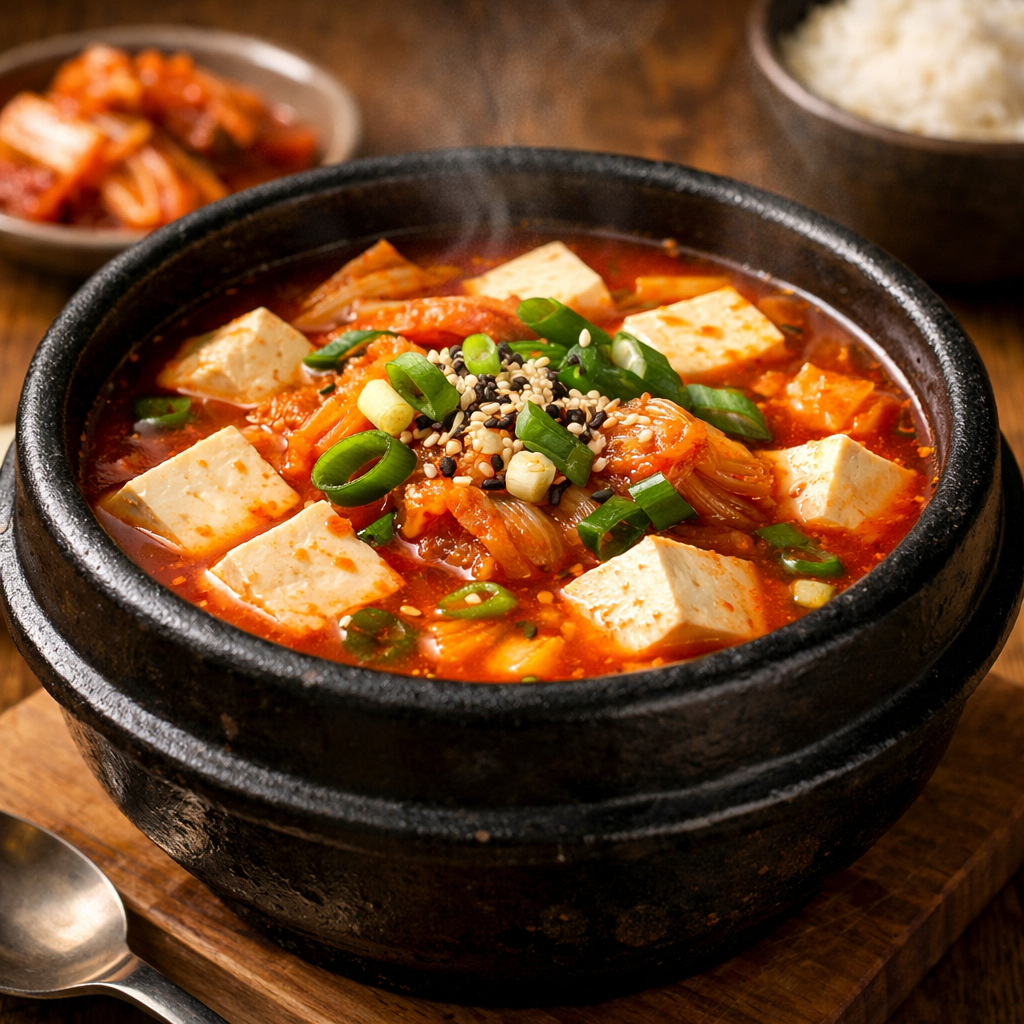
1. Creating the Chili Paste: Do not simply throw the chili flakes into the water. Instead, mix your Gochugaru with a little bit of oil (vegetable or sesame) to create a thick paste. This “blooms” the spice, releasing its color and oils without burning the flakes.
2. Handling the Tofu: If your tofu comes in a tube, cut it in half and squeeze it out gently. If it’s in a block, use a large spoon to scoop out large, rustic chunks. You don’t want perfect cubes; the irregular edges help the soup cling to the tofu.
3. Prepping the Seafood: If using clams or mussels, ensure they are scrubbed and soaked in salted water to remove any grit. For pork, slice it into very thin, bite-sized ribbons so it cooks almost instantly in the simmering broth.
Step-by-Step Cooking Instructions
1. Sauté the Base
In a small heavy-bottomed pot (ideally a Korean stoneware pot called a Ttukbaegi), heat a tablespoon of oil over medium heat. Add your pork or mushrooms and sauté until they start to brown. Add the garlic, ginger, and the white parts of the green onions.
2. Bloom the Spice
Add your chili paste (oil and Gochugaru) to the pot. Stir constantly for about 30–60 seconds. You want it to become fragrant and turn the oil a deep, ruby red, but be careful not to let it burn, as it will turn bitter.
3. Add the Liquid
Pour in your broth. If you are using soy sauce or fish sauce for seasoning, add it now. Bring the mixture to a vigorous boil.
4. The Tofu Drop
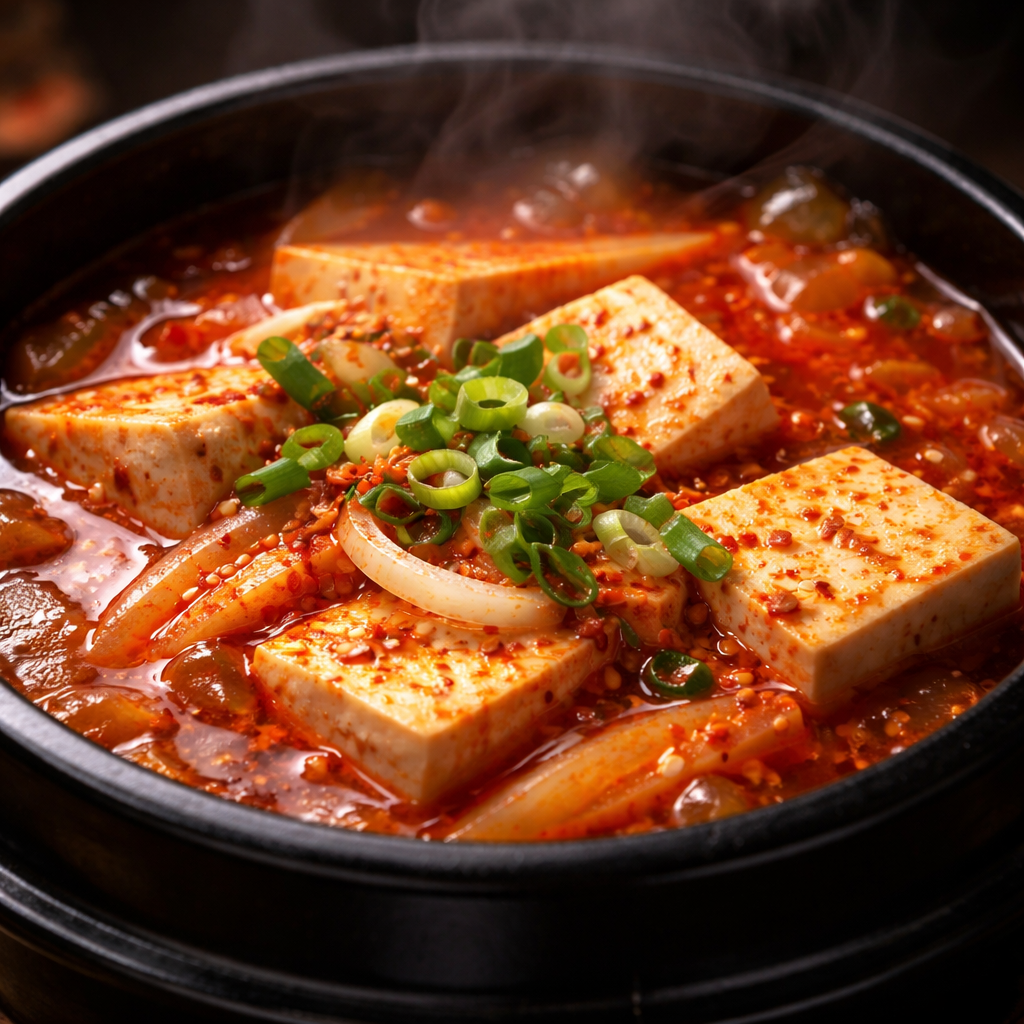
Gently slide the soft tofu into the boiling broth. Use your spoon to break it into large chunks, but don’t over-stir; you want the tofu to remain in substantial pieces. Let it simmer for 3–5 minutes to allow the tofu to heat through and absorb the spices.
5. Add Seafood and Egg
If you are using seafood, drop it in now and cook until the shells open. Right before removing from the heat, crack a fresh egg directly into the center of the boiling soup.
6. Finish and Serve
Top with plenty of sliced green onions and a final drizzle of toasted sesame oil.
Best Time to Serve This Dish
The Korean Tofu Soup Recipe is traditionally served as a main course, accompanied by a bowl of freshly steamed white rice.
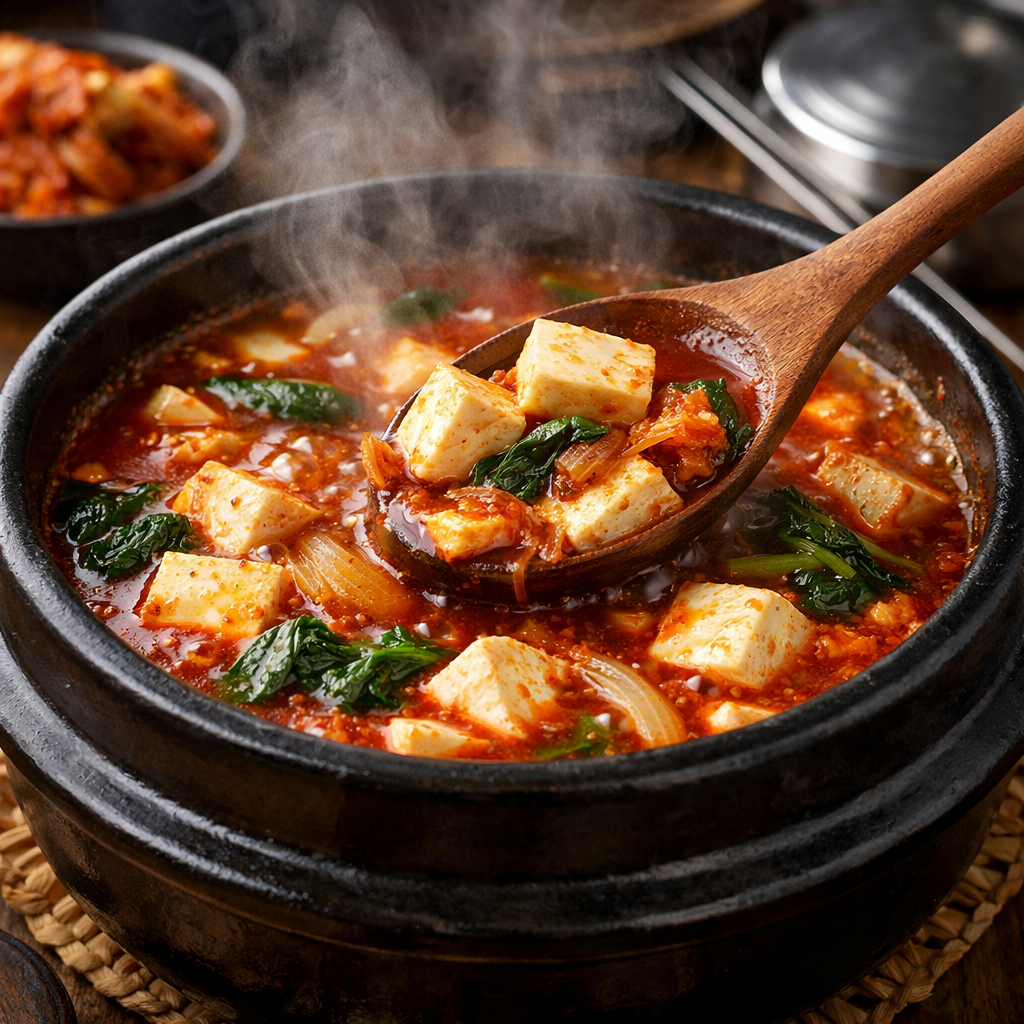
It is particularly effective during the “shoulder seasons”—those chilly spring or autumn days when you need something to warm your core. In Korea, it is also a legendary “hangover cure” due to its hydrating broth and spicy kick. However, because it’s so light, it also makes for an excellent late-night dinner that won’t weigh you down before bed.
Flavor Tips for Better Results
- The Power of Fish Sauce: A teaspoon of high-quality fish sauce (or salted shrimp, saeu-jeot) adds a complex saltiness that soy sauce alone can’t provide.
- Use the Right Pot: If you have a ceramic or stone pot, use it. It retains heat remarkably well, keeping the soup bubbling until the very last spoonful.
- The Egg Trick: Don’t stir the egg immediately. Let it poach slightly in the hot broth. This gives you a creamy yolk that you can break into later to mellow out the spice.
- Beef Tallow or Lard: For an extra-rich restaurant flavor, sauté your aromatics in a little bit of animal fat instead of vegetable oil.
Optional Add-Ins and Variations
The beauty of a Korean Tofu Soup Recipe is its flexibility. You can raid your vegetable drawer and still end up with a masterpiece.
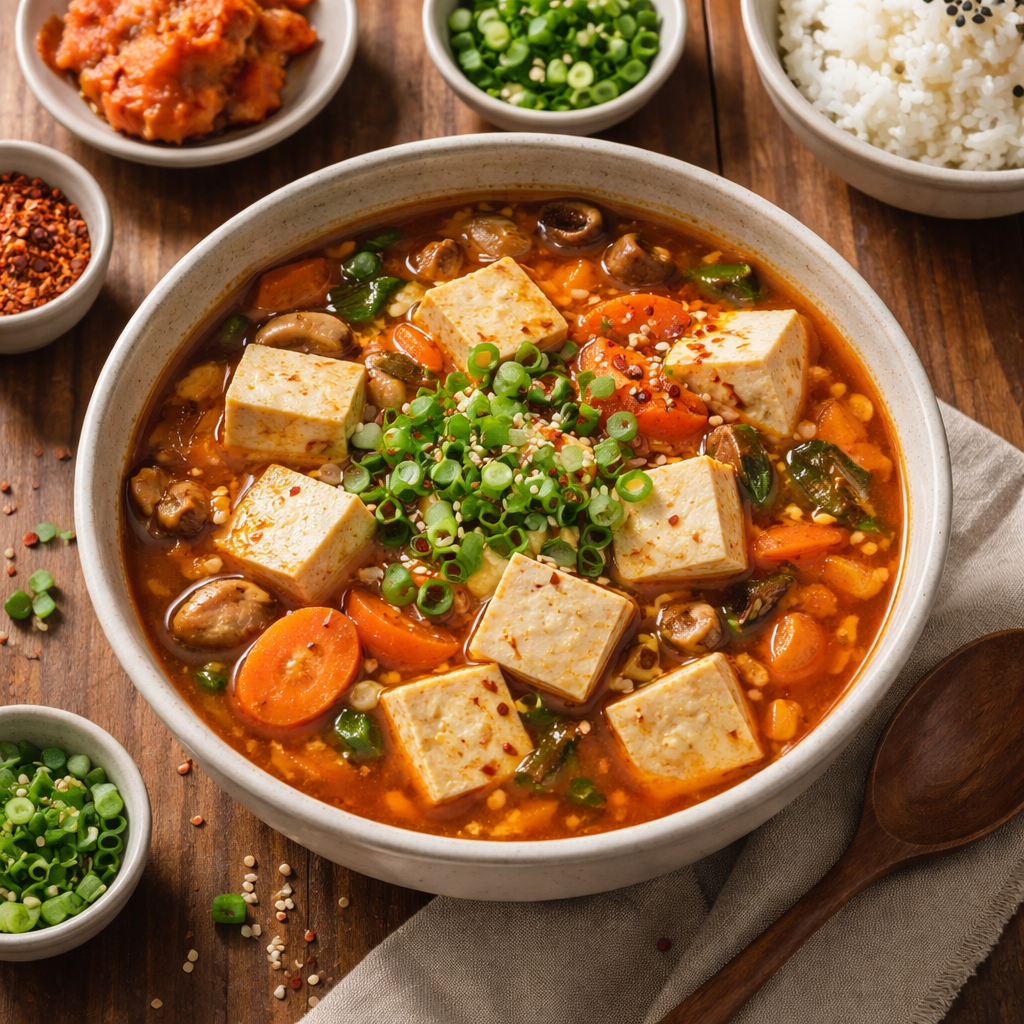
- Vegetarian/Vegan: Use vegetable broth and swap the meat for sliced shiitake mushrooms and zucchini. The mushrooms provide that essential umami “meaty” texture.
- Kimchi Style: Add half a cup of well-fermented, sour kimchi to the base sauté for an extra layer of fermented tanginess.
- Cheese Soondu-bu: It may sound unusual, but adding a slice of American cheese or a sprinkle of mozzarella on top is a popular modern variation that creates a creamy, mild broth.
- Extra Greens: Stir in some baby spinach or bok choy at the very end for extra vitamins and color.
How to Store and Reheat Properly
While this soup is best enjoyed fresh and bubbling, you can certainly save leftovers.
- Storage: Store in an airtight container in the fridge for up to 2 days. Be aware that the tofu will continue to release water, which may slightly thin out the broth.
- Reheating: Reheat on the stovetop over medium heat. Avoid the microwave if possible, as it can cause the soft tofu to explode or develop an unpleasant, rubbery texture.
- Note: If the broth has become too thick or the spice has intensified, simply add a splash of water or extra broth when reheating.
Serving Ideas for a Beautiful Presentation
- The Side Dish Parade: Serve your soup with Banchan (small Korean side dishes). Things like seasoned bean sprouts, pickled radish, and seaweed salad provide a cooling contrast to the hot soup.
- Rice Mixing: Show your guests how to take a spoonful of rice, dip it into the broth, and eat it with a piece of the silky tofu.
- The Sizzle: If using a stone pot, ensure the soup is still boiling when it reaches the table. The visual of the “volcano-like” bubbling is half the experience.
Helpful Tips and Common Mistakes
- Burning the Chili: Gochugaru burns very quickly. If your heat is too high when sautéing the flakes, the soup will taste scorched.
- Using Firm Tofu: If you use firm or extra-firm tofu, the dish becomes a different type of stew (Doenjang-jjigae style). To get the authentic “soondu-bu” experience, the tofu must be silken.
- Over-salting: Many broths and fish sauces are very salty. Always taste your broth before adding extra salt at the end.
- Cold Tofu: Ensure the soup simmers long enough for the center of the tofu chunks to be piping hot. Cold tofu in hot broth is a common beginner mistake.
Authentic Mexican Soup Recipes
Homemade Cabbage Roll Soup Recipe