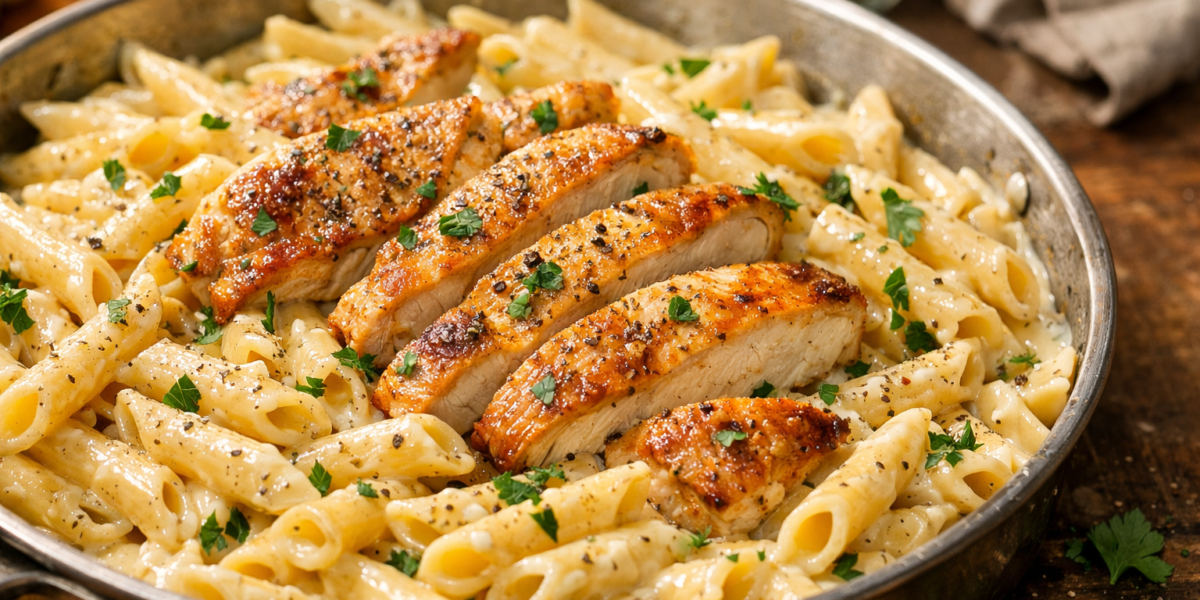
In the lexicon of modern comfort food, few dishes have ascended as rapidly as the Marry Me Chicken pasta recipe. The name itself, born from the hyperbole of social media, suggests a dish so profoundly satisfying that it warrants a life-long commitment. Beyond the marketing, however, lies a culinary blueprint that relies on a specific set of chemical reactions—specifically the Maillard reaction, lipid-based flavor extraction, and the delicate emulsification of dairy and starch.
The primary frustration for the home cook is not the lack of flavor, but the lack of texture. Too often, a Marry Me Chicken pasta recipe results in a sauce that “breaks”—leaving a pool of orange oil at the bottom of the plate—or chicken that has become fibrous and dry during the simmering process. This professional guide deconstructs the dish into its fundamental parts, ensuring a restaurant-grade result that is as structurally sound as it is delicious.
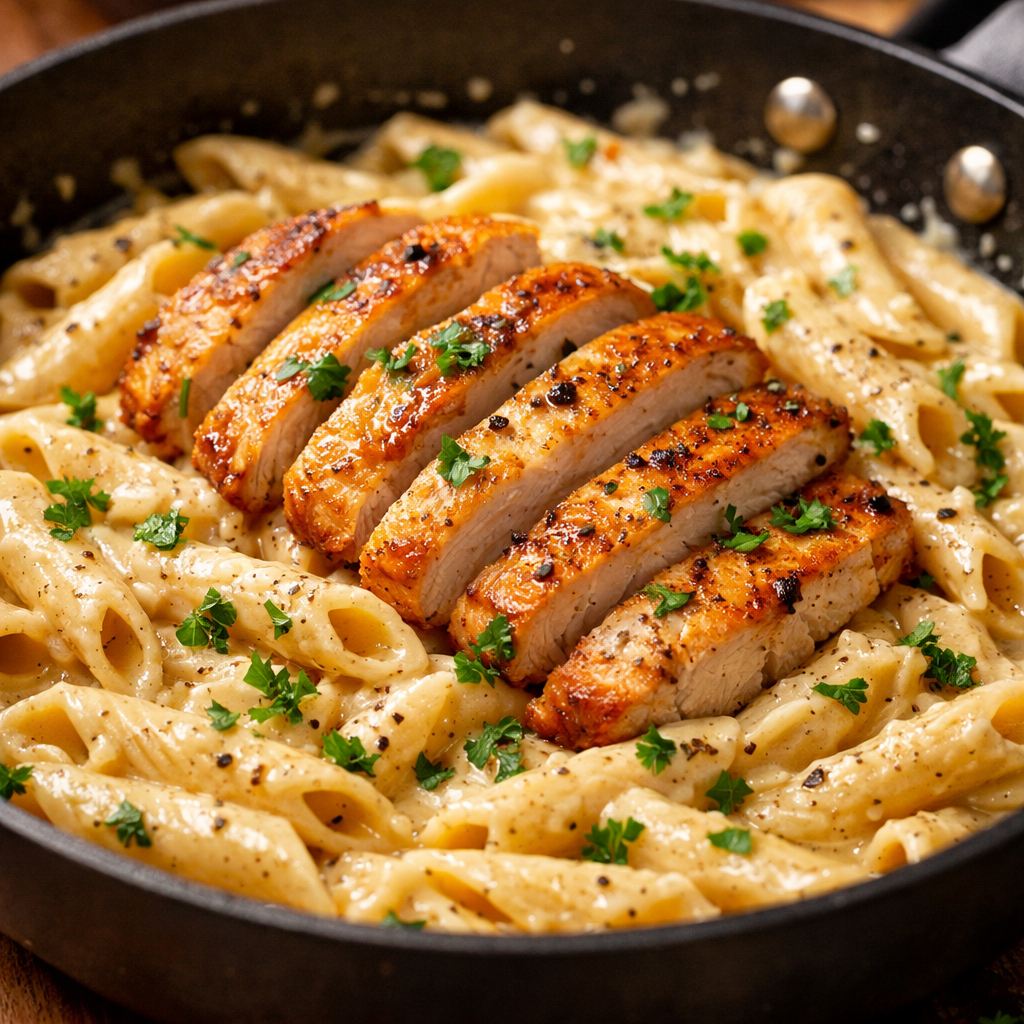
Ingredient Breakdown: The Functional Role of the Components
Every element in this Marry Me Chicken pasta recipe serves a purpose. Understanding these roles allows you to manipulate the final dish to your specific preference.
1. The Chicken (The Protein Foundation)
We prioritize boneless, skinless chicken breasts or thighs, but the technique remains the same. The chicken provides the “fond”—the caramelized brown bits left in the pan after searing. This fond is the concentrated protein base that gives the sauce its deep, savory backbone.
2. Sun-Dried Tomatoes (The Umami Bomb)
In a Marry Me Chicken pasta recipe, sun-dried tomatoes are not merely a garnish. They are the source of concentrated glutamates and acidity. When sautéed in oil, they release lycopene and intense sweetness, which balances the heavy fats of the cream.
3. Heavy Cream (The Emulsion Base)
High-fat heavy cream is essential for stability. Lower-fat alternatives (like half-and-half) are more likely to curdle when they meet the acids in the lemon juice and tomatoes. The cream encapsulates the spicy and savory molecules, carrying them evenly across the palate.
4. Fresh Garlic and Shallots (The Aromatics)
While garlic provides the pungent “hit,” shallots offer a delicate, onion-like sweetness that bridges the gap between the savory chicken and the rich cream. We use a high volume of garlic here, as the cream mellows its intensity.
5. Parmigiano-Reggiano (The Stabilizer)
Aged Parmesan provides salt and protein. When whisked into the warm sauce, it helps thicken the liquid and provides a “grip” for the pasta.
Preparation Strategy: Staging for Success
A professional Marry Me Chicken pasta recipe is won in the prep phase. Because the sauce comes together quickly, “mise en place” is mandatory.
- Temperature Tempering: Take your chicken out of the refrigerator 20 minutes before cooking. Cold chicken hitting a hot pan causes the muscle fibers to seize, leading to a tougher bite.
- The Dry-Sear Prep: Pat the chicken completely dry with paper towels. Any surface moisture will create steam, preventing the golden-brown crust (the Maillard reaction) that is vital for the sauce’s flavor.
- Pasta Timing: You must time your pasta to finish slightly before it is al dente. It will finish its cooking cycle inside the sauce, absorbing the cream and tomato flavors directly into the wheat structure.
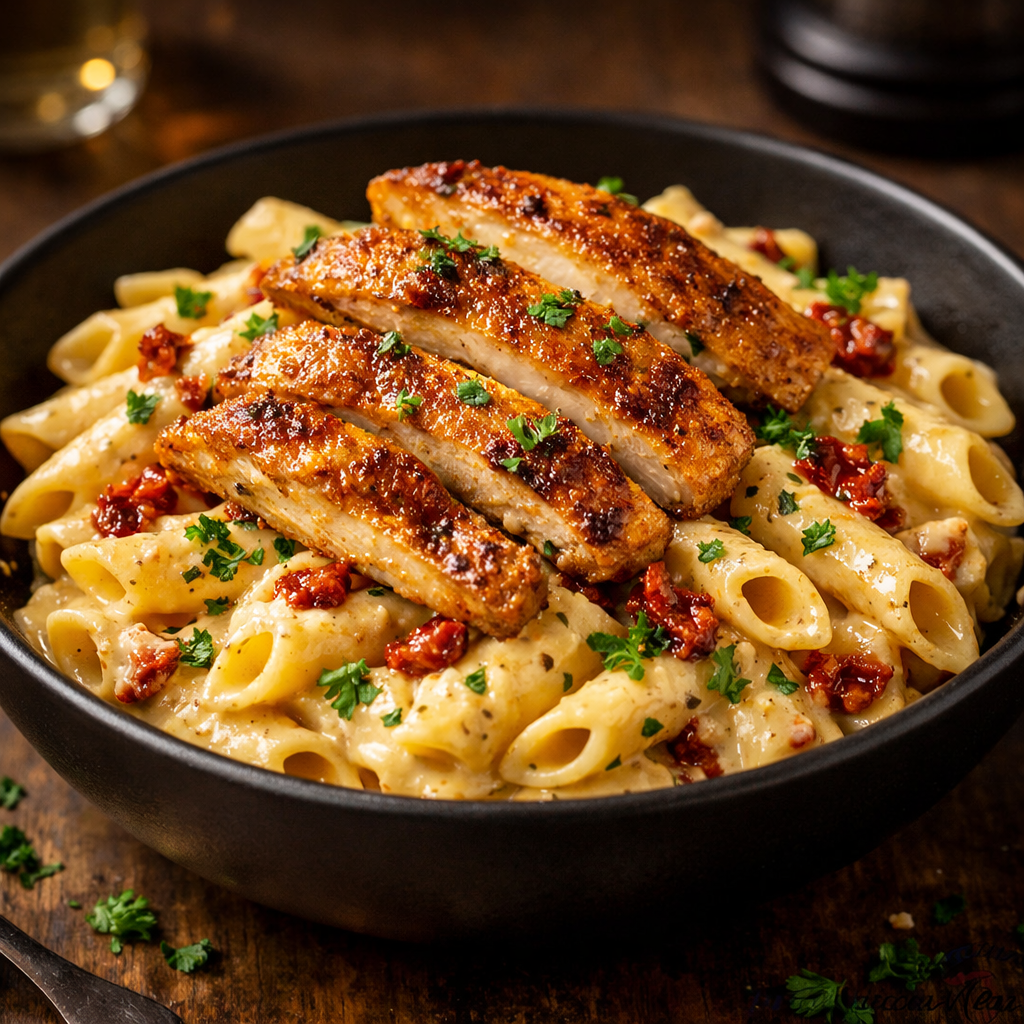
Cooking Instructions
1. The Searing Phase
Heat 2 tbsp of olive oil (or the oil from the sun-dried tomato jar) in a large stainless steel or cast-iron skillet over medium-high heat. Season 1 lb of chicken with salt and pepper. Sear for 5–6 minutes per side until golden brown. Remove the chicken and set aside; it does not need to be fully cooked through at this stage.
2. The Aromatic Build
Reduce the heat to medium. In the same pan, add 2 tbsp of butter. Sauté 1 finely minced shallot and 4–6 cloves of minced garlic for 2 minutes. Add ½ cup of chopped sun-dried tomatoes, 1 tsp of dried oregano, and ½ tsp of red pepper flakes. The oil will turn a vibrant, sunset orange as the tomatoes release their pigment.
3. The Deglaze and Simmer
Pour in ½ cup of chicken broth or dry white wine. Use a wooden spoon to scrape every brown bit (the fond) off the bottom of the pan. Once the liquid has reduced by half, stir in 1 cup of heavy cream.
4. The Integration
Return the chicken to the pan. Simmer gently for 5 minutes. As the sauce bubbles, it will begin to thicken. Stir in ½ cup of freshly grated Parmesan cheese. The sauce should transition from a liquid to a velvety glaze.
5. The Pasta Marriage
Add 12 oz of cooked pasta (rigatoni or fettuccine work best) directly into the skillet. Add a splash (about ¼ cup) of starchy pasta water. Toss vigorously over medium heat for 60 seconds. This is the “marriage” where the starch binds the oil and cream together.
6. The Finish
Remove from heat. Stir in a handful of fresh baby spinach and a squeeze of fresh lemon juice. Garnish with fresh basil chiffonade.
Flavor & Texture Indicators
A successfully executed Marry Me Chicken pasta recipe is marked by three specific sensory cues:
- The Sauce “Cling”: The sauce should not be runny. It should “clasp” the pasta, leaving no thin liquid at the bottom of the bowl. This indicates a perfect emulsion.
- The Chicken Tenderness: The chicken should yield easily to a fork. If it feels “rubbery,” it was either not tempered before cooking or simmered at too high a temperature.
- The Umami Balance: The first taste should be creamy and salty, followed by a sharp tang from the lemon and tomatoes, and ending with a slow, warm heat from the pepper flakes.
Adjustments for Different Skill Levels
For the Beginner
Focus on the heat. If the sauce begins to “separate” (you see yellow oil pooling), remove the pan from the heat immediately and whisk in a tablespoon of cold water. This lowers the temperature and helps re-stabilize the emulsion.
For the Intermediate Cook
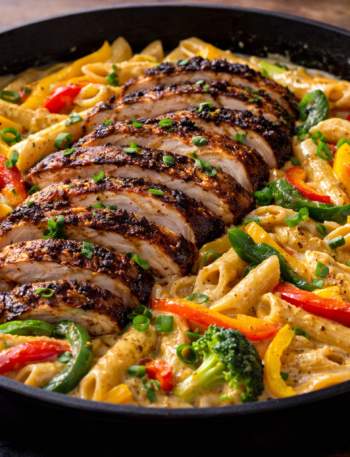
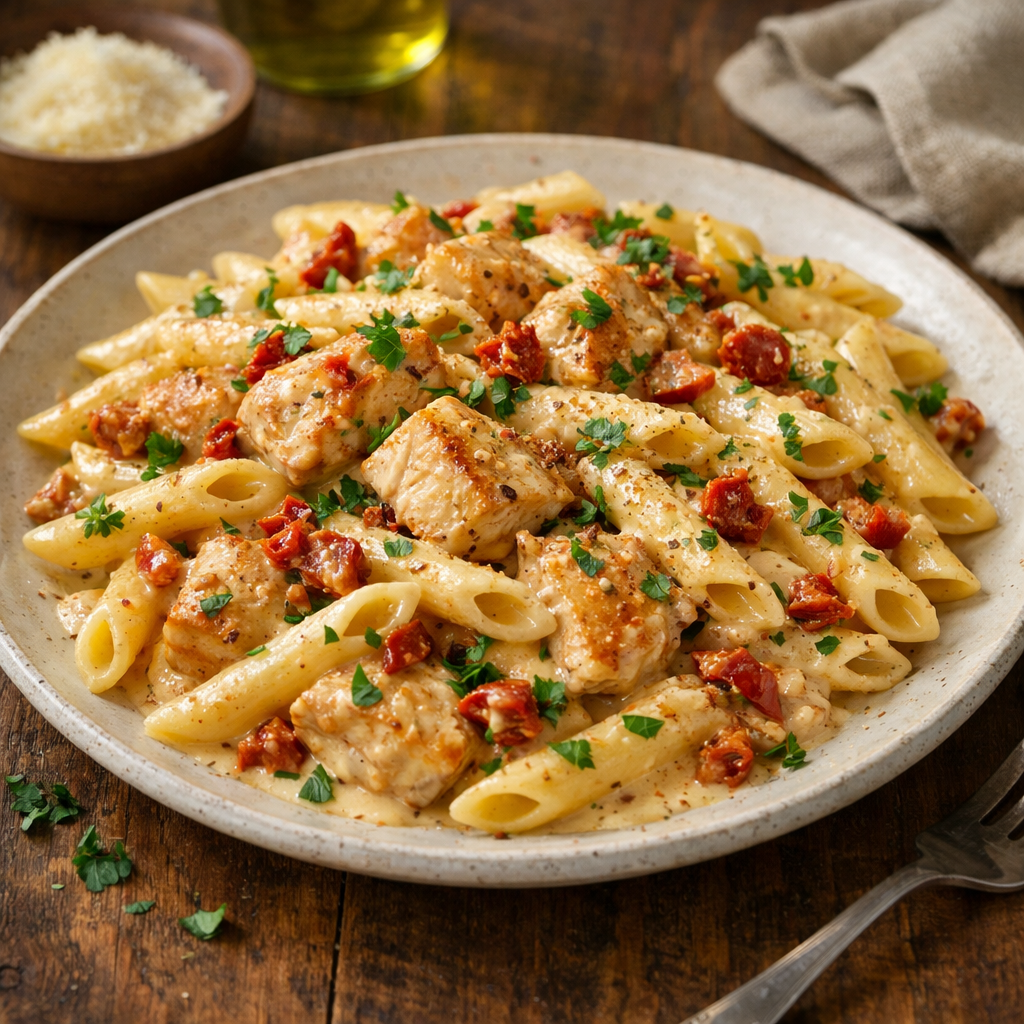
Master the “Pan-Sear Finish.” Instead of dicing the chicken, sear whole breasts, finish them in the sauce, and slice them just before serving. This preserves the internal juices more effectively than pre-dicing.
For the Advanced Artisan
Try making a “Tomato-Infused Oil” to start. Slowly confit the garlic and sun-dried tomatoes in olive oil for 20 minutes before starting the recipe. Use this infused oil to sear the chicken for a flavor profile that is deeply integrated rather than layered.
Storage & Shelf Life
The Marry Me Chicken pasta recipe is high in dairy and starch, making storage a delicate matter.
- Refrigeration: Store in an airtight container for up to 3 days.
- The Reheating Hack: Do not microwave on high power. The intense heat will break the sauce, leaving you with greasy noodles. Instead, reheat in a skillet over low heat with an extra splash of cream or chicken broth to restore the velvet texture.
- Freezing: We do not recommend freezing this dish. The cream and cheese will change texture upon thawing, often becoming grainy or separated.
Reader Questions
Q: Can I use chicken thighs instead of breasts? A: Absolutely. Chicken thighs are more forgiving and contain more fat, which actually enhances the richness of the Marry Me Chicken pasta recipe. If using thighs, increase the initial sear time by 2 minutes.
Q: What is the best pasta shape for this recipe? A: Tubular shapes like Rigatoni or Penne are excellent as they trap the sun-dried tomatoes and sauce inside. However, Fettuccine is the classic choice for those who prefer a more traditional “Alfredo-style” experience.
Q: My sauce is too salty. How do I fix it? A: This can happen if your chicken broth and Parmesan are both high in sodium. To balance it, add a teaspoon of honey or a splash more cream. The sweetness and fat will neutralize the perception of salt.
Q: Can I make this dairy-free? A: You can substitute the heavy cream with full-fat canned coconut milk and use a vegan Parmesan. The flavor profile will shift slightly toward the tropical, but the sun-dried tomatoes and garlic will still carry the dish effectively.