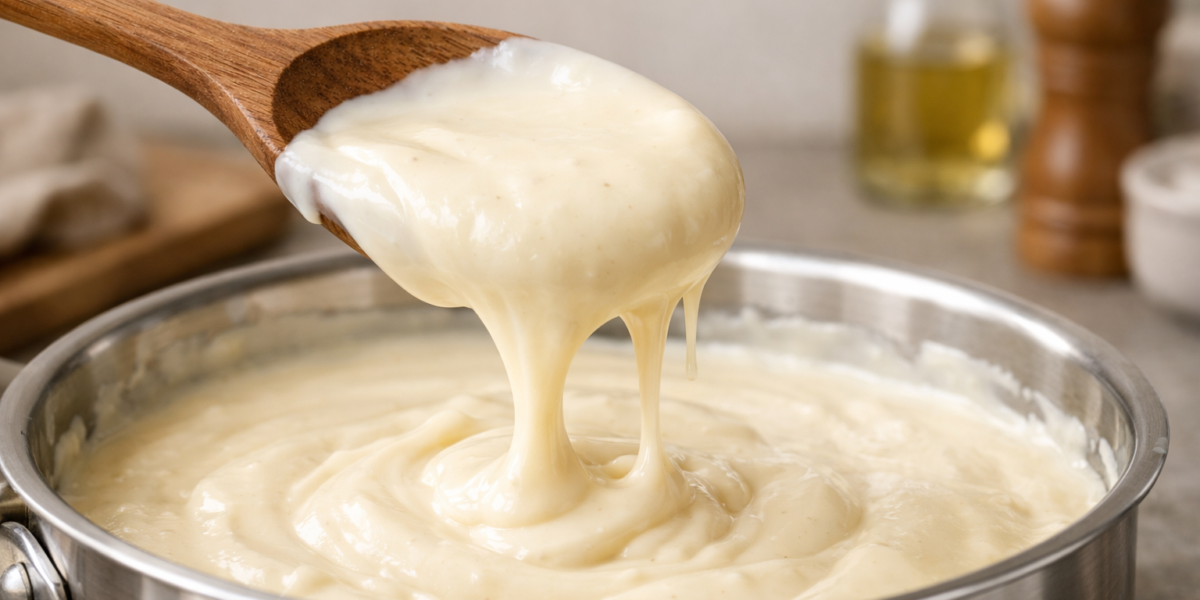
In the world of classic French cooking, there is a “mother sauce” known as Béchamel—a simple, creamy white sauce that serves as the foundation for countless dishes. But as any seasoned home cook or professional chef will tell you, the real magic happens when you take that foundation and elevate it. By introducing a blend of nutty, melted cheeses and a hint of spice, you transform a basic white sauce into a luxurious, velvety masterpiece: the Mornay Sauce Recipe.
There is something deeply comforting about a well-made Mornay. It is the sauce that turns ordinary steamed vegetables into a decadent side dish, elevates a simple piece of fish to bistro status, and provides the soul for the ultimate macaroni and cheese. If you’ve ever sat in a Parisian café and enjoyed a Croque Monsieur dripping with a rich, cheesy topping, you have experienced the power of this recipe. Today, we are going to demystify this kitchen essential, ensuring you can create a smooth, lump-free, and perfectly balanced sauce every time.
Why You’ll Love This Recipe
Once you master this Mornay Sauce Recipe, you’ll find yourself reaching for it constantly. It is a cornerstone of “comfort gourmet” cooking for several reasons:
- Versatility: It serves as a base for pasta, a topping for gratins, or a dipping sauce for crusty bread.
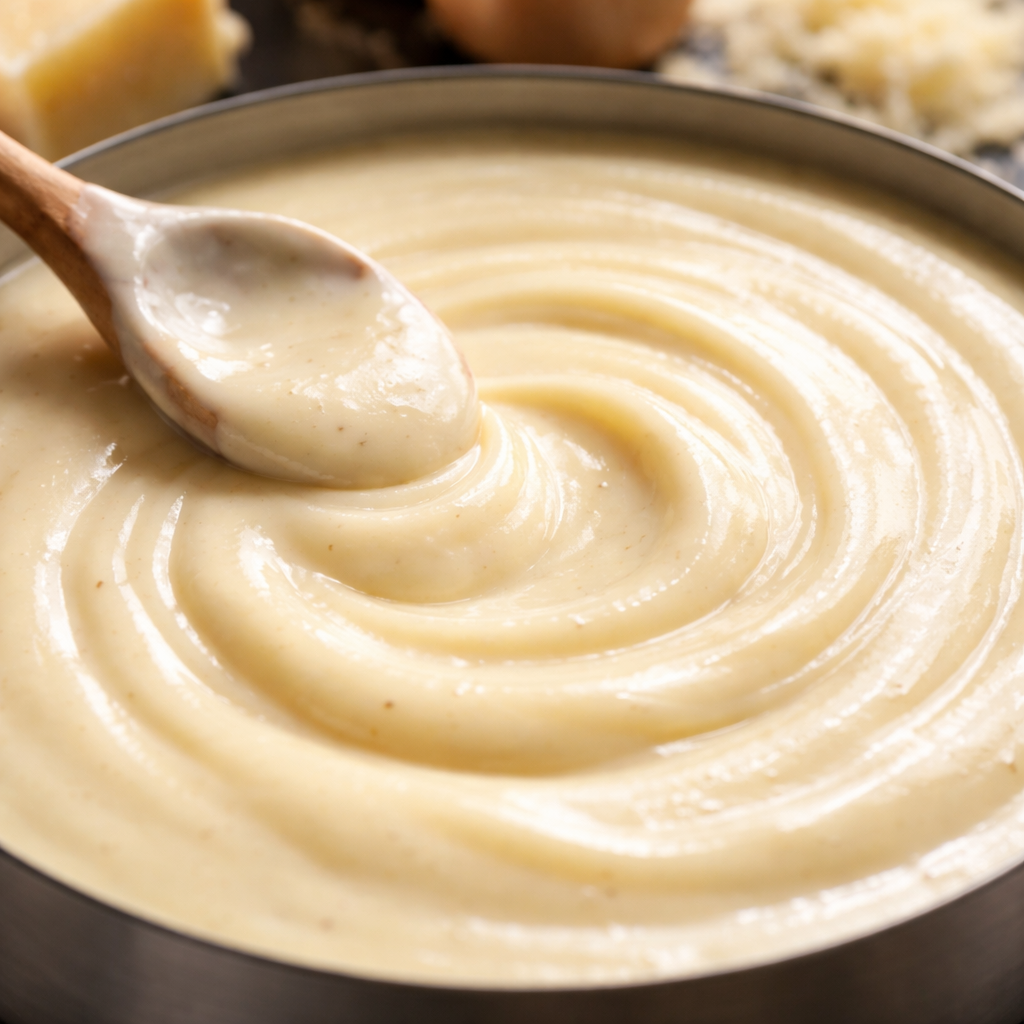
- Luxurious Texture: Unlike simple melted cheese, which can become oily or stringy, a Mornay is an emulsion. It stays silky and smooth even as it cools.
- Sophisticated Flavor: The combination of Gruyère and Parmesan offers a complex, nutty depth that processed cheese sauces simply cannot match.
- Foundation Building: Learning this recipe teaches you the fundamental skill of making a roux and a Béchamel, two skills that will improve your cooking across the board.
What You Need to Get Started
A great Mornay Sauce Recipe relies on high-quality dairy and the right type of cheese. Since the ingredient list is short, each component needs to shine.
The Roux
- Unsalted Butter: Using unsalted butter allows you to control the sodium levels of the sauce, which is important since the cheese adds its own saltiness.
- All-Purpose Flour: This acts as the thickening agent.
The Liquid
- Whole Milk: For the creamiest result, use full-fat milk. It provides a richness that skim or 2% milk lacks.
The Cheese (The “Mornay” Element)
- Gruyère: This is the traditional choice. It melts beautifully and has a slightly sweet, salty, and nutty flavor.
- Parmesan (Parmigiano-Reggiano): Adds a sharp, salty punch and helps the sauce thicken.
The Seasonings
- Nutmeg: Just a tiny pinch of freshly grated nutmeg is the “secret” to an authentic French profile.
- White Pepper: Used instead of black pepper to keep the sauce looking pristine and ivory-colored.
- Kosher Salt: To taste, added at the very end.
How to Prepare the Ingredients
Precision in the preparation phase prevents the most common sauce-making disasters, such as lumps or broken emulsions.
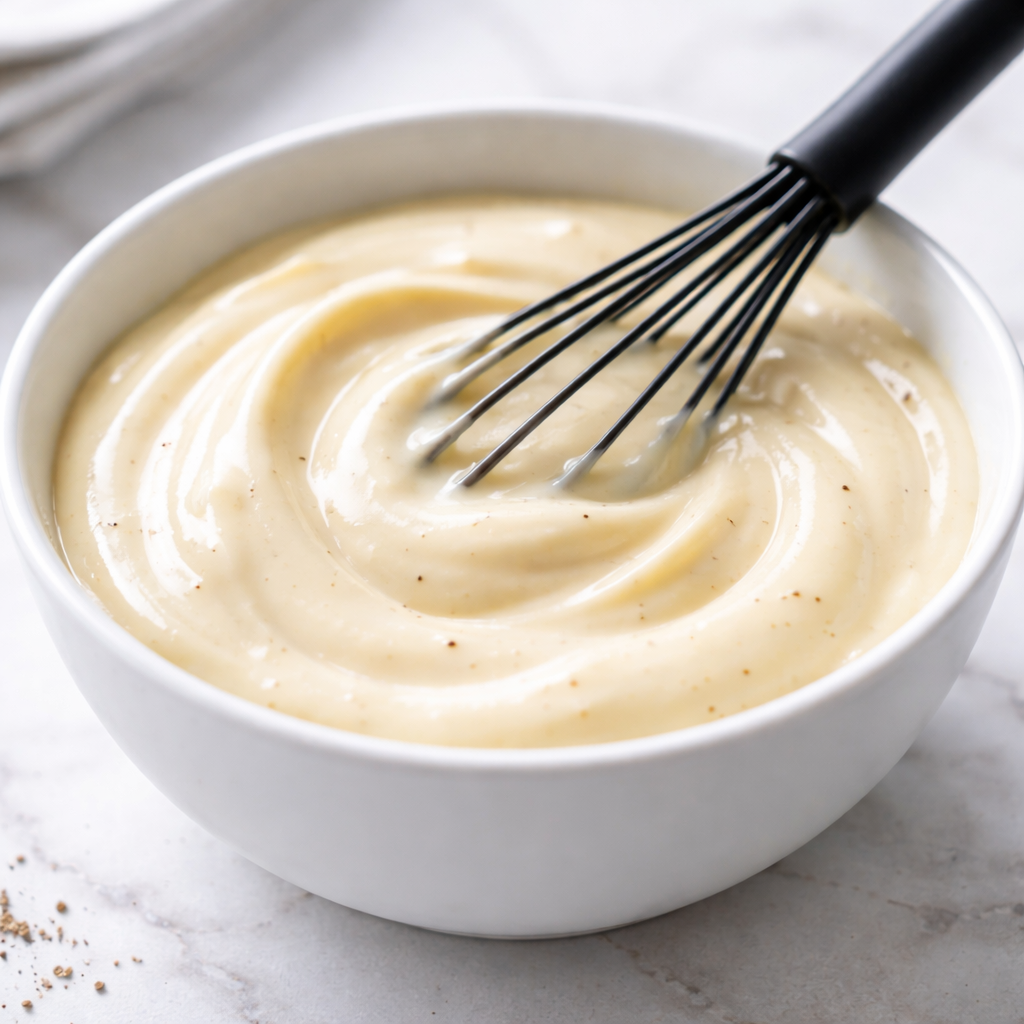
- Warm the Milk: Do not pour ice-cold milk into a hot roux. Briefly warm your milk in a saucepan or microwave until it is lukewarm. This helps the starch in the flour hydrate more evenly.
- Grate the Cheese Finely: Never use pre-shredded cheese from a bag. Those products are coated in potato starch to prevent clumping, which will make your Mornay Sauce Recipe feel gritty. Grate your Gruyère and Parmesan yourself using a microplane or the fine side of a box grater.
- Measure the Roux: Use a 1:1 ratio by weight (or roughly equal parts by volume) of butter and flour. Consistency is key to a sauce that is thick enough to coat a spoon but thin enough to pour.
Step-by-Step Cooking Instructions
Follow these steps carefully, and you’ll achieve a glossy, professional-grade sauce.
1. Make the Roux
In a heavy-bottomed saucepan over medium heat, melt the butter until it starts to foam. Add the flour and whisk constantly for about 2 minutes. You want to cook out the “raw” flour taste, but for a Mornay Sauce Recipe, you want a “white roux”—so do not let it brown. It should look like wet sand.
2. Add the Milk
Slowly drizzle in about half a cup of the warm milk while whisking vigorously. The mixture will initially turn into a thick paste. Continue adding the milk in small increments, whisking constantly to work out any lumps before adding more liquid.
3. Simmer to Thicken
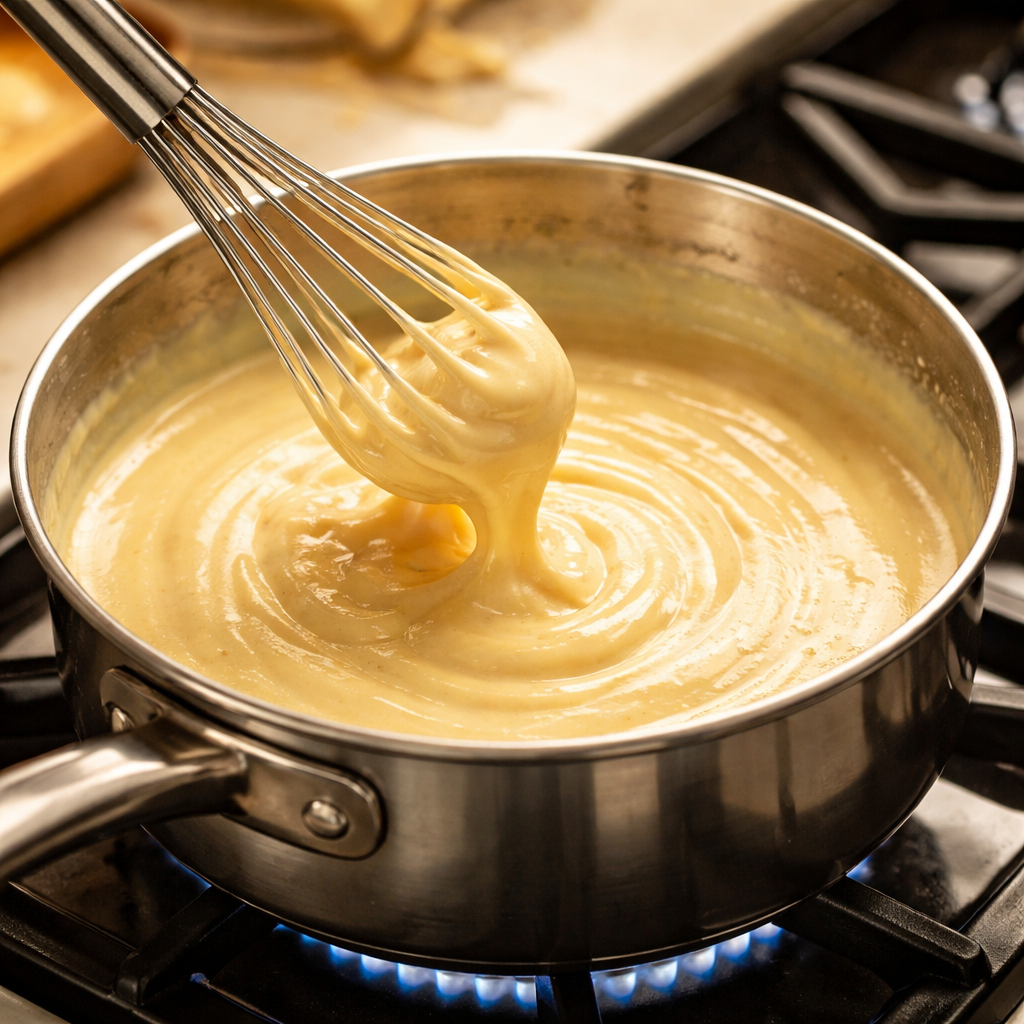
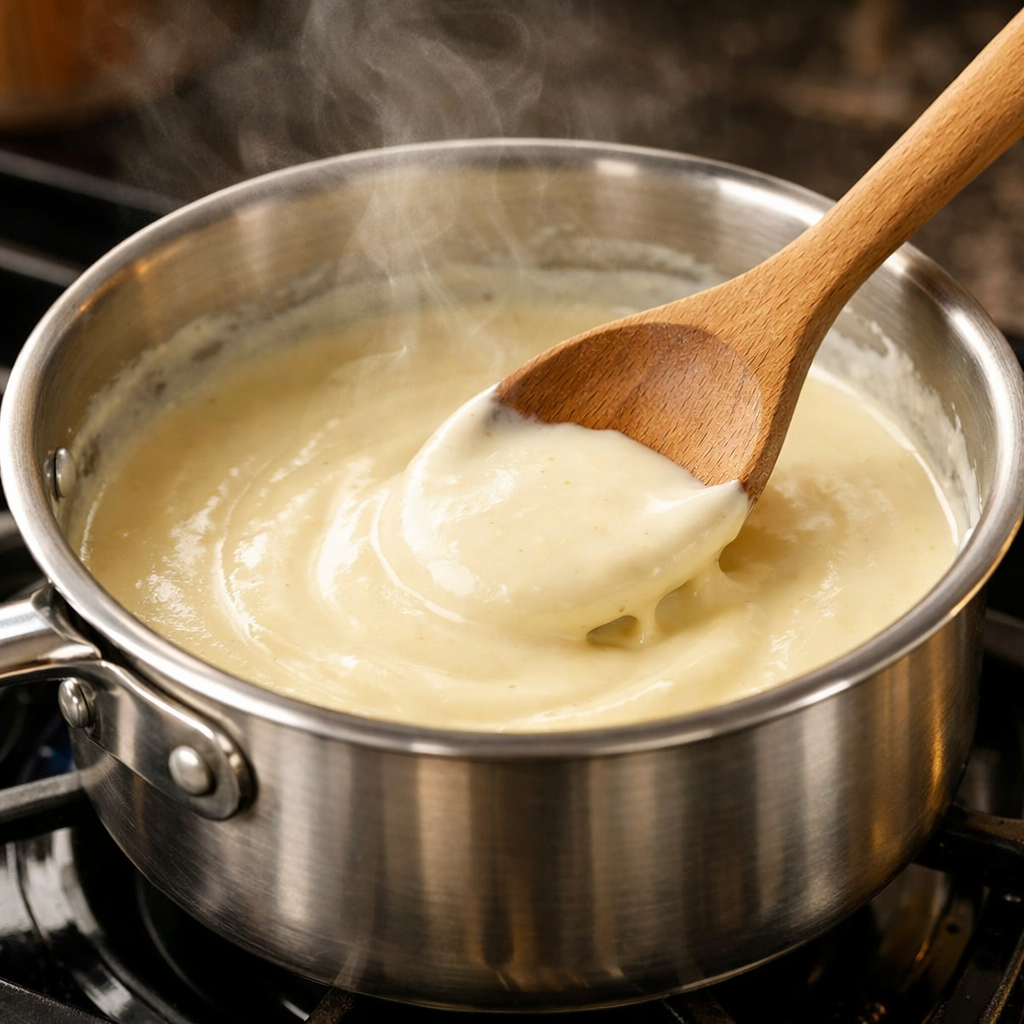
Once all the milk is incorporated, turn the heat down to low. Let the sauce simmer gently for 5 to 8 minutes. Stir frequently with a wooden spoon, making sure to scrape the corners of the pan. The sauce is ready when it coats the back of a spoon (the nappe stage).
4. Incorporate the Cheese
Remove the pan from the heat. This is crucial! If you boil the sauce after adding the cheese, the proteins can clump and the sauce will become grainy. Fold in the grated Gruyère and Parmesan one handful at a time, stirring until completely melted and smooth.
5. Final Seasoning
Stir in the nutmeg and white pepper. Taste the sauce before adding salt, as the Parmesan is naturally quite salty.
Best Time to Serve This Dish
The Mornay Sauce Recipe is a true all-rounder, suitable for various culinary settings:
- Weekend Brunch: Pour it over poached eggs and ham for a “Classic Eggs Mornay.”
- Holiday Dinners: It is the perfect topping for a cauliflower or broccoli gratin.
- Date Night: Toss it with fresh fettuccine and sautéed scallops for a romantic, high-end meal.
- Comfort Evenings: Use it as the base for the best stovetop mac and cheese you’ve ever tasted.
Flavor Tips for Better Results
To take your Mornay Sauce Recipe from standard to spectacular, keep these tips in mind:
- The Bay Leaf Trick: While simmering the Béchamel stage, add a single dried bay leaf. Remove it before adding the cheese. It adds a subtle, floral background note.
- Whisk vs. Spoon: Use a whisk for the initial stages to ensure no lumps, but switch to a silicone spatula or wooden spoon once the cheese is added to avoid over-aerating the sauce.
- Heavy Cream Splash: For an even more decadent “Cream Sauce” variation, replace half a cup of milk with heavy cream.
Optional Add-Ins and Variations
Once you have the classic Mornay Sauce Recipe down, you can customize it to fit your dish:
- The Sharp Twist: Substitute half of the Gruyère with extra-sharp white cheddar for a more “English-style” flavor profile.
- The Spicy Mornay: Add a pinch of cayenne pepper or a teaspoon of dry mustard powder to give the sauce a gentle heat.
- Herb-Infused: Stir in finely chopped fresh chives or tarragon at the very end for a burst of color and freshness.
- The Seafood Blend: If serving with fish, add a teaspoon of lemon zest to brighten the richness of the dairy.
How to Store and Reheat Properly
Because of its high dairy and cheese content, the Mornay Sauce Recipe requires a little care when storing.
- Storage: Place the sauce in a container and press a piece of plastic wrap directly onto the surface of the sauce. This prevents a “skin” from forming as it cools. It will keep in the fridge for up to 3 days.
- Freezing: I do not recommend freezing Mornay sauce. The emulsion often breaks upon thawing, resulting in a watery, separated mess.
- Reheating: Reheat over very low heat on the stovetop. Add a splash of milk or water to loosen the texture, and whisk constantly. Do not let it come to a rolling boil.
Serving Ideas for a Beautiful Presentation
A sauce this beautiful deserves to be showcased:
- The Broiler Finish: If you are using the sauce on a gratin or a sandwich, pop it under the broiler for 2 minutes. The sugars in the cheese will caramelize, creating beautiful golden-brown bubbles.
- The Garnish: A light dusting of paprika or a sprinkle of fresh parsley provides a color contrast against the ivory sauce.
- The Pool: When serving with steak or fish, pour the sauce onto the plate first, creating a “pool,” and then nestle the protein on top to keep the crust of the meat crisp.
Helpful Tips and Common Mistakes
Ensure your Mornay Sauce Recipe is a triumph by avoiding these frequent flubs:
- Mistake 1: Adding Cheese Too Early. If the sauce is boiling when the cheese goes in, it will break. Always remove the pan from the heat first.
- Mistake 2: Rushing the Roux. If you don’t cook the flour and butter for at least 2 minutes, your sauce will taste like raw flour.
- Mistake 3: Scanty Whisking. If you add the milk too fast without whisking, you will get lumps. If this happens, don’t panic—you can pour the sauce through a fine-mesh strainer to save it.
- Mistake 4: Using Pre-Grated Cheese. As mentioned, the anti-clumping agents in bagged cheese are the enemy of a smooth Mornay. Always grate fresh!
Easy Peppercorn Sauce Recipe
Soup and souce recipe
Homemade General Tso Sauce Recipe
Classic Remoulade Sauce Recipe