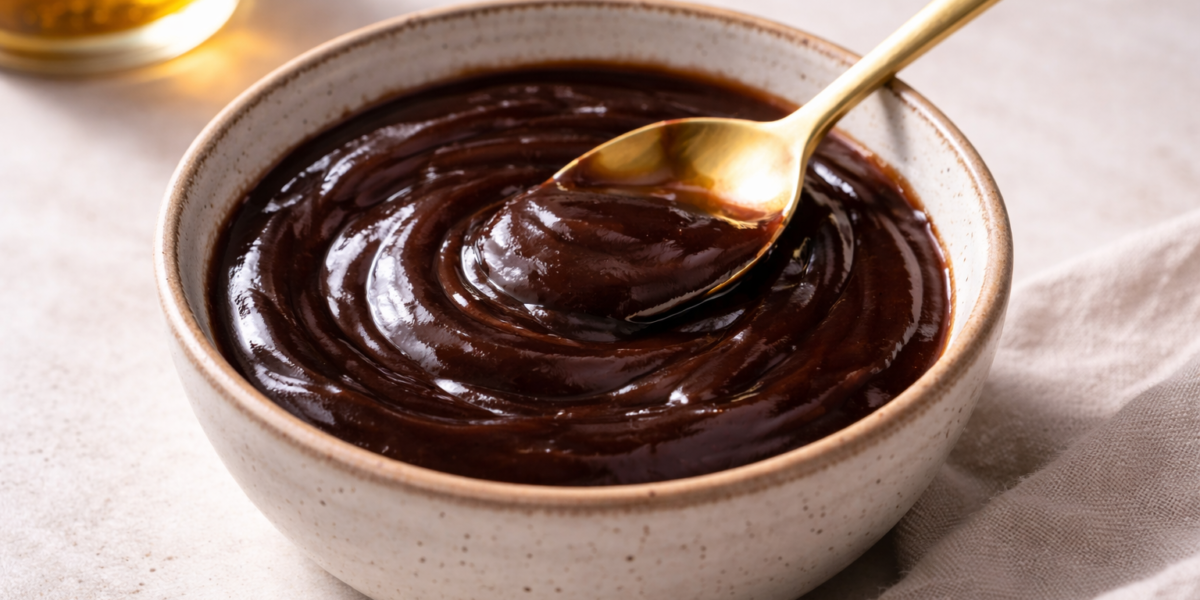
If you’ve ever sat down at a bustling Cantonese restaurant and marveled at the glossy, savory glaze on a plate of Chinese broccoli or the deep, complex richness of a beef stir-fry, you’ve encountered the magic of oyster sauce. It is the undisputed workhorse of the Asian pantry—a thick, dark, and syrupy condiment that provides an instant “umami bomb” to almost any dish it touches. While most of us are used to grabbing a red-and-gold bottle from the grocery store shelf, there is a world of difference when you explore an authentic Oyster Sauce Recipe made in your own kitchen.
Homemade oyster sauce is a revelation. Unlike many commercial versions that rely heavily on cornstarch, caramel coloring, and MSG to mimic flavor, a DIY version focuses on the pure, briny essence of oysters. It is a labor of love that rewards you with a condiment that is simultaneously salty, sweet, and deeply earthy.
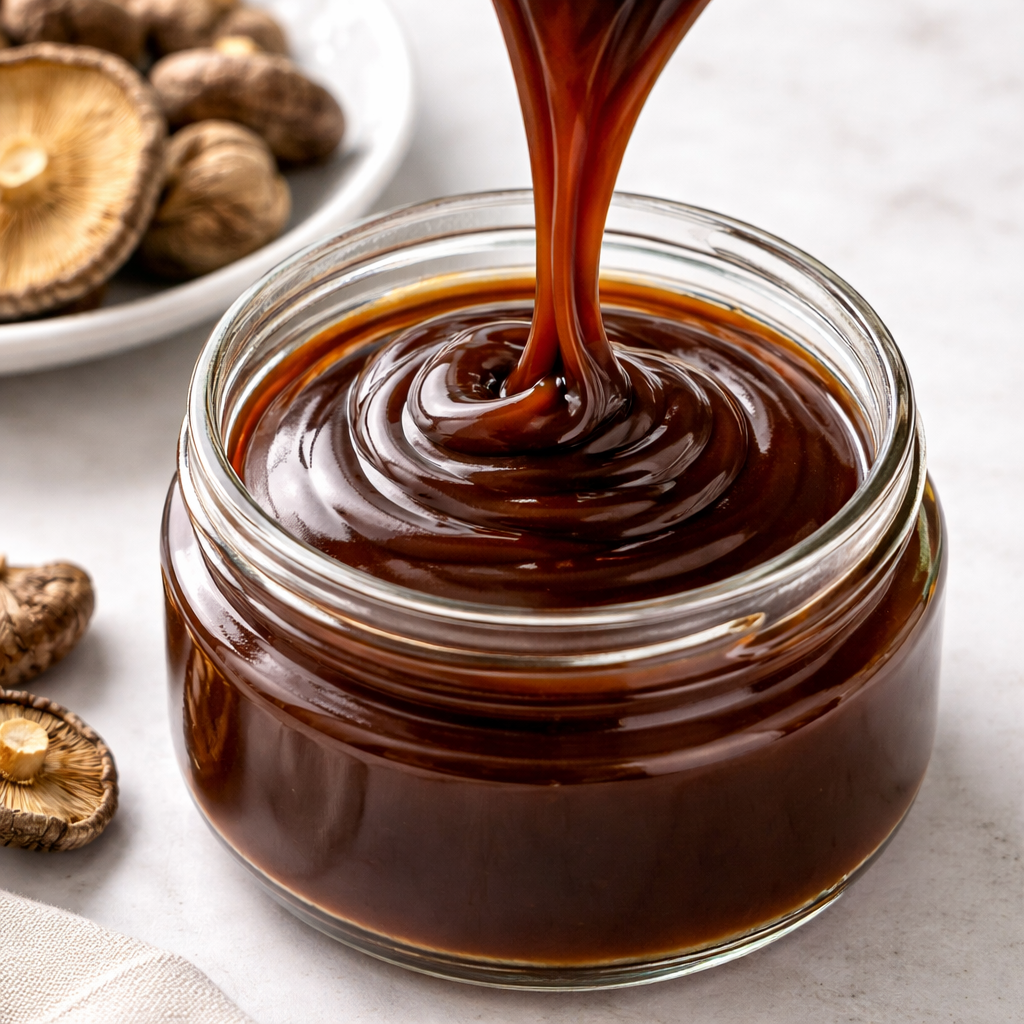
In this guide, we aren’t just making a sauce; we are mastering a staple. We will walk through the traditional method of reducing oyster liquor to its most potent form, as well as a “shortcut” version for those nights when you need that signature flavor without the forty-eight-hour wait. Whether you’re a seasoned home cook or a curious beginner, this Oyster Sauce Recipe will elevate your stir-fries, marinades, and dipping sauces to a professional level.
Why You Should Try This Recipe
The most compelling reason to try your hand at an Oyster Sauce Recipe is the purity of flavor. When you make it yourself, you are eliminating the preservatives and artificial thickeners found in mass-produced bottles. The result is a cleaner, more nuanced profile where the natural sweetness of the shellfish truly shines through.
Secondly, it offers incredible customization. Do you prefer a saltier finish? A hint of ginger? A touch more sweetness? By controlling the reduction process, you can tailor the consistency and intensity of the sauce to match your specific cooking style.
Finally, there is a profound sense of culinary accomplishment that comes from making your own “mother sauces.” Knowing that the base of your signature Lo Mein or glazed salmon started with fresh ingredients on your stovetop adds an intangible layer of love to your cooking. Plus, it’s a fantastic way to impress your foodie friends who likely still think oyster sauce only comes from a factory.
Ingredients You’ll Need
To craft a truly authentic Oyster Sauce Recipe, you need to start with the best possible source of “liquor”—the briny water found inside the oyster shells. Here is the breakdown:
- The Oysters: 1 lb of fresh shucked oysters (including their liquid/liquor). If you can’t find fresh, high-quality jarred oysters in natural juice will work.
- The Salt: 1 tablespoon of sea salt. This acts as both a flavor enhancer and a natural preservative.
- The Sweetener: 2 tablespoons of light brown sugar or palm sugar. This creates the “syrupy” mouthfeel and balances the brine.
- The Depth: 2 tablespoons of dark soy sauce. This provides that iconic deep mahogany color and an extra hit of fermented umami.
- The Thickener (Optional): A small slurry made of 1 teaspoon cornstarch and 1 tablespoon water. (Traditionalists may prefer to reduce the sauce until thick, but a slurry provides a more consistent “cling” for stir-fries).
- Water: 1 cup of filtered water.
How to Prep Before Cooking
Preparation for an Oyster Sauce Recipe is more about organization than heavy labor. The process involves a lot of simmering, so you want your workstation ready.
First, clean your oysters. If you bought them in the shell, shuck them carefully, making sure to catch every drop of the liquid into a bowl. If they are already shucked, give them a quick rinse in a bowl of cold water, but do not discard that water. Combine the oyster juice and the rinse water; this is your flavor base.
Next, mince the oysters. You don’t want giant chunks of shellfish in your finished sauce. Use a sharp knife or a food processor to pulse the oysters into a fine, almost paste-like consistency. This allows them to release their proteins and flavors into the liquid much more efficiently during the simmering process.
Finally, prep your jars. Since this sauce is preservative-free, you need to store it in a sterilized glass jar. Boil your jars and lids for a few minutes and let them air-dry completely before the sauce is finished.
Simple Step-by-Step Method
This Oyster Sauce Recipe follows the “reduction” method, which is the secret to its concentrated power.
- The Initial Simmer: Place the finely minced oysters and their liquid into a medium saucepan. Add 1 cup of water. Bring the mixture to a gentle boil over medium heat.
- The Extraction: Once boiling, reduce the heat to low. Let the oysters simmer uncovered for about 20 to 25 minutes. You will see the liquid turn a cloudy, greyish-white—this is exactly what you want.
- The Strain: Pour the mixture through a fine-mesh sieve into a clean bowl. Use the back of a spoon to press down on the oyster solids to extract every last drop of flavorful liquid. Discard the solids (or save them for a salty omelet!).
- The Seasoning: Return the strained oyster liquid to the saucepan. Stir in the sea salt, sugar, and dark soy sauce.
- The Reduction: Simmer the sauce on low heat for another 10 to 15 minutes. This is where the flavors concentrate. The liquid should reduce by about one-third.
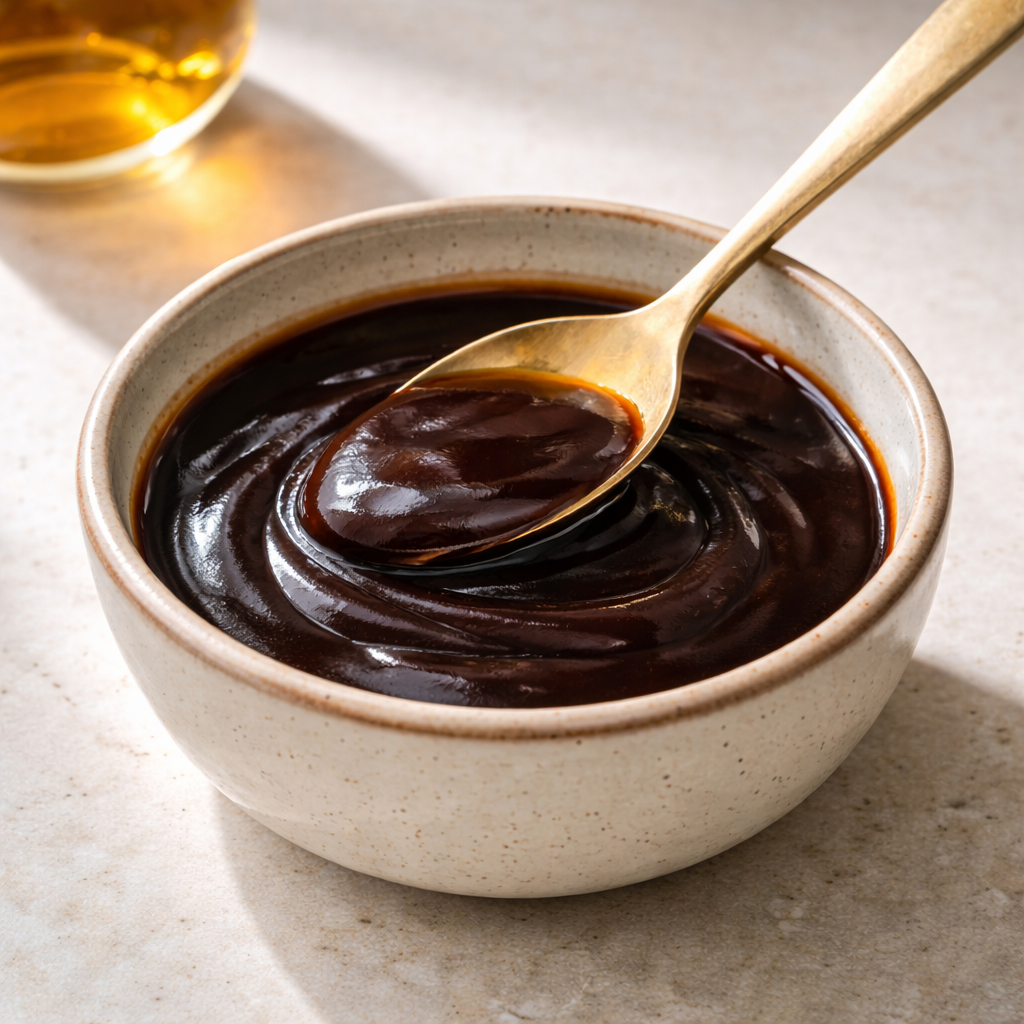
- The Finish (Optional): If you prefer a thicker, store-bought consistency, whisk in your cornstarch slurry. Stir constantly for 1 to 2 minutes as the sauce thickens and turns glossy.
- The Cool Down: Remove from heat and let the sauce cool completely. It will continue to thicken as it reaches room temperature.
Best Time to Serve It
When is the best time to break out your homemade Oyster Sauce Recipe? This sauce is a year-round essential, but it truly excels during holiday meal prep. If you are planning a large Chinese New Year feast or a family dinner featuring a “Surf and Turf” menu, having this sauce on hand is a game-changer.
It is also the perfect “Weeknight Hero.” Because the sauce is so potent, you only need a tablespoon or two to transform a bag of frozen vegetables and some leftover chicken into a gourmet stir-fry.
Don’t forget Grilling Season. Use this sauce as a glaze for grilled shrimp or pork skewers. The sugar in the sauce caramelizes beautifully over an open flame, creating a charred, savory crust that is simply addictive.
Tips for Better Flavor
To ensure your Oyster Sauce Recipe rivals the famous brands, keep these “pro” tips in mind:
- Dark Soy Sauce vs. Light: Use dark soy sauce specifically for this recipe. Light soy sauce is saltier but won’t provide the rich color or the “body” that dark soy sauce offers.
- The Sugar Balance: If you find the sauce too briny, add sugar one teaspoon at a time. The goal is a “sweet-salty” harmony, not a dessert-like sweetness.
- The Freshness Factor: The quality of the oysters dictates the quality of the sauce. Use the freshest oysters you can find. If they smell overly “fishy” rather than like a clean ocean breeze, don’t use them.
- Avoid Boiling After Thickening: If you use a cornstarch slurry, don’t let the sauce boil vigorously afterward. High heat can break down the starch bonds, causing your sauce to turn thin and watery again.
Easy Recipe Variations
The foundation of an Oyster Sauce Recipe is quite flexible. Here is how to tweak it:
- Vegetarian “Oyster” Sauce: Replace the oysters and water with a strong broth made from dried shiitake mushrooms. The mushrooms provide a similar umami depth and a dark color without the shellfish.
- Ginger-Garlic Infusion: Sauté a teaspoon of grated ginger and minced garlic in the pan before adding the oyster liquid. This adds a spicy, aromatic lift to the sauce.
- Spicy Oyster Sauce: Add a teaspoon of chili oil or a few dried red pepper flakes during the reduction process for a slow-burn heat.
- Hoisin Blend: Mix your homemade oyster sauce 50/50 with hoisin sauce for a sweeter, thicker dipping sauce perfect for Peking duck or spring rolls.
How to Store Leftovers
Because this Oyster Sauce Recipe lacks the chemical preservatives of commercial brands, proper storage is critical.
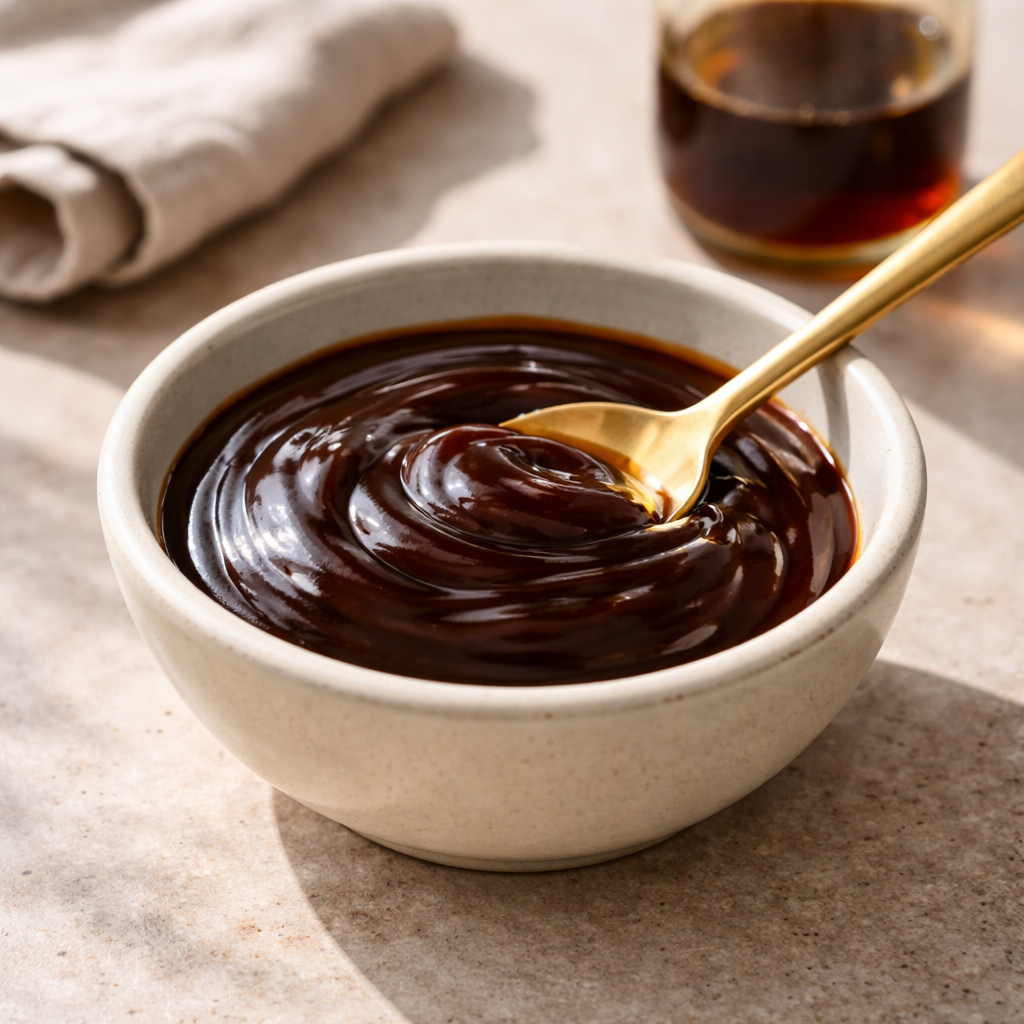
Storage: Always store the sauce in a glass jar in the coldest part of your refrigerator. It will typically stay fresh for 2 to 3 weeks. Always use a clean spoon when scooping it out to prevent cross-contamination.
Freezing: If you’ve made a large batch, you can freeze it! Pour the sauce into a silicone ice cube tray. Once frozen, pop the cubes into a freezer bag. Whenever you’re making a stir-fry, just toss 1 or 2 cubes directly into the wok. They will stay good in the freezer for up to 3 months.
Serving and Presentation Tips
Oyster sauce is often used during cooking, but it can also be a beautiful finishing touch.
- The Glossy Drizzle: Blanch some bok choy or gai lan (Chinese broccoli), arrange them neatly on a platter, and drizzle a thin line of warm oyster sauce over the stems. It looks incredibly elegant.
- The Dip: Serve the sauce in a small, shallow ceramic bowl alongside crispy appetizers. A tiny garnish of toasted sesame seeds on top makes it look restaurant-ready.
- The Marinade: Brush the sauce onto salmon fillets 10 minutes before roasting. The sauce will bake into a dark, mirror-like glaze that is visually stunning.
- Texture Contrast: When using the sauce in a stir-fry, pair it with something crunchy, like water chestnuts or toasted cashews, to highlight the silky smooth texture of the glaze.
Common Mistakes and Fixes
Avoid these pitfalls to keep your Oyster Sauce Recipe on track:
- Mistake: The sauce is too salty.
- Fix: Dilute it with a little more water and a touch more sugar. You can also add a splash of rice vinegar; the acidity can help mask excessive saltiness.
- Mistake: The sauce is greyish/not dark enough.
- Fix: You likely didn’t use enough dark soy sauce. Add it a teaspoon at a time until you reach that deep espresso color.
- Mistake: The sauce is lumpy.
- Fix: This usually happens if the cornstarch slurry was added too quickly or wasn’t whisked properly. Strain the finished sauce through a sieve one last time to remove the lumps.
- Mistake: The “Funk” is too strong.
- Fix: Real oyster sauce should have a funk, but if it’s overwhelming, it means the reduction went too far. Add a little more water and a squeeze of lime juice to brighten the flavor.
Homemade General Tso Sauce Recipe
Classic Remoulade Sauce Recipe