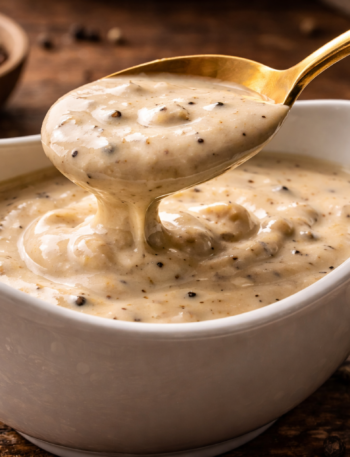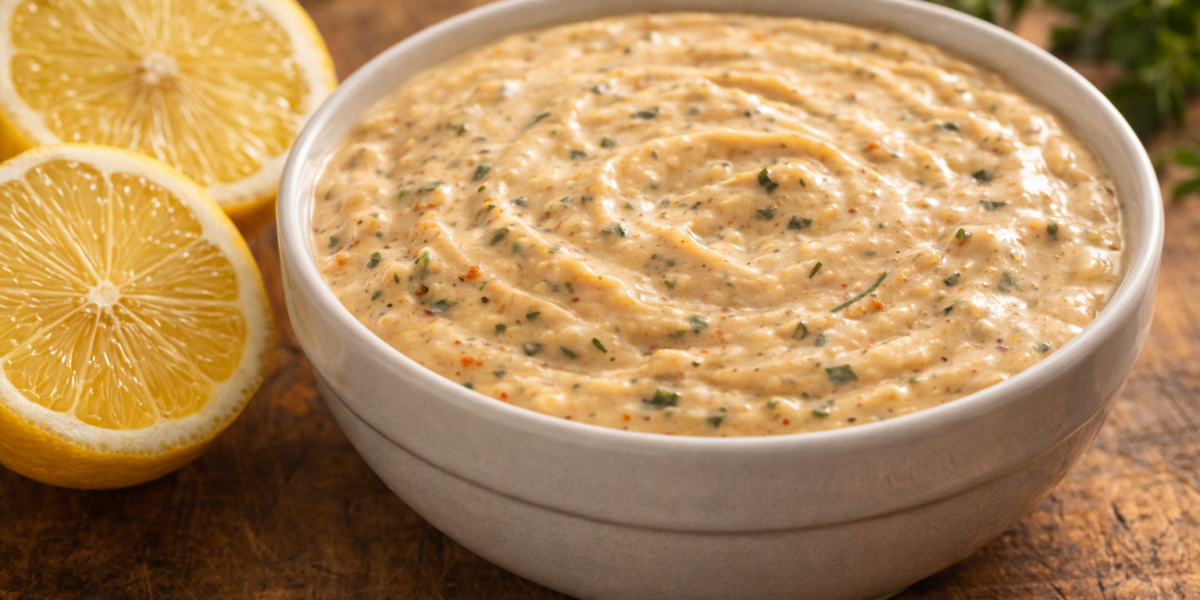
Remoulade Sauce Recipe A common frustration when preparing seafood at home is the “missing link”—that professional, high-impact condiment that elevates a simple piece of fried fish or a chilled shrimp cocktail into a gourmet experience. Many home cooks reach for a standard bottle of tartar sauce, only to find it flat, overly sweet, and lacking the complexity required to balance rich proteins. This is where a authentic remoulade sauce recipe becomes an indispensable tool in your culinary arsenal.
Originating in France but famously perfected in the kitchens of New Orleans, remoulade is more than just a “spiced mayonnaise.” It is a sophisticated, multi-layered emulsion that provides acidity, heat, and herbaceous notes simultaneously. The challenge for most is achieving the right balance of pungency without overwhelming the delicate flavor of the seafood. This guide provides a definitive remoulade sauce recipe designed to solve the problem of bland appetizers and lackluster main courses.
Why This Recipe Works
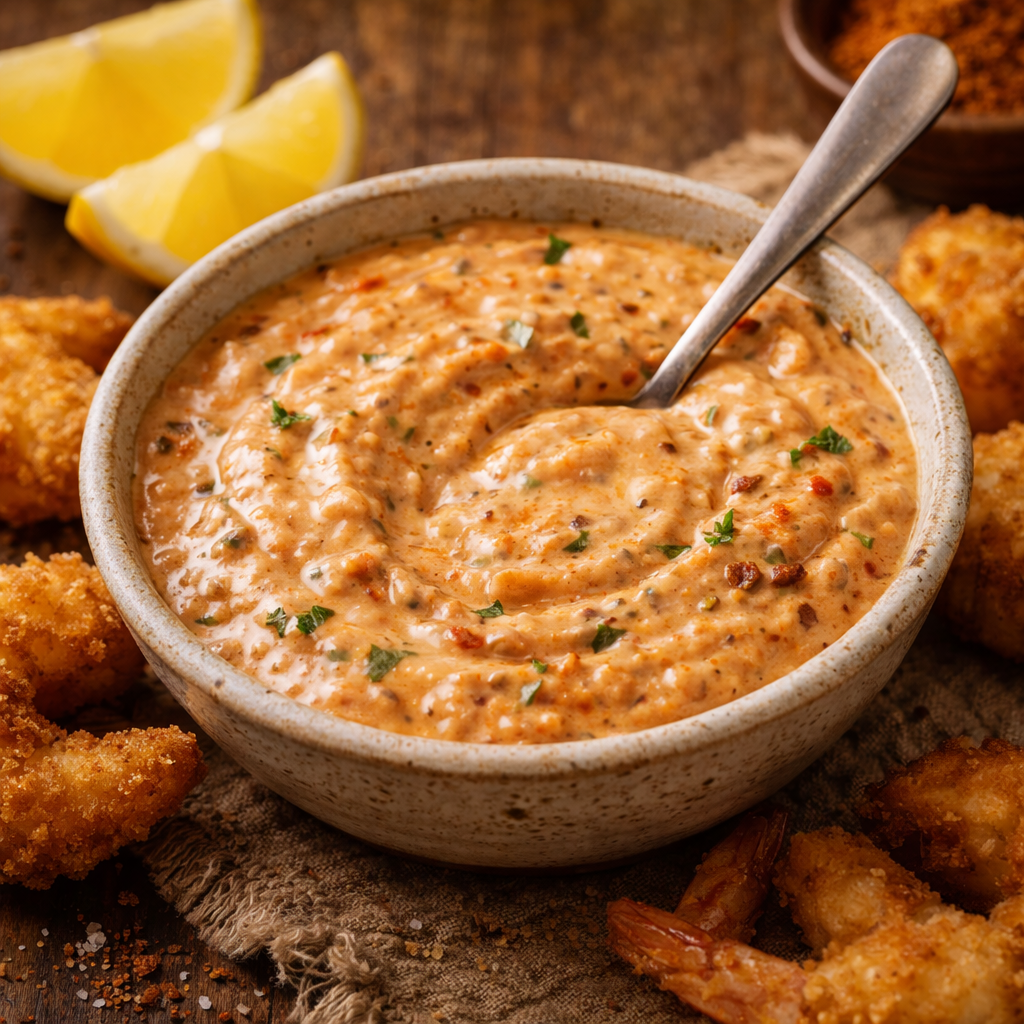
This specific remoulade sauce recipe succeeds because it respects the “Holy Trinity” of flavor balance: fat, acid, and spice.
- Dual-Mustard Depth: While many recipes use only one type of mustard, we utilize both Creole (coarse-grained) and Dijon. This provides both a textural pop and a sharp, vinegary finish.
- Cold-Emulsion Stability: By utilizing a high-quality mayonnaise base and specific mixing sequences, we ensure the sauce doesn’t “weep” or separate when hitting a hot piece of fried fish.
- The “Cure” Time: Unlike a quick tartar sauce, this remoulade sauce recipe emphasizes a rest period. This allows the dried spices and fresh aromatics to hydrate and infuse the fat molecules of the mayonnaise, resulting in a deeper, more cohesive flavor.
- Vegetable Texture: We incorporate finely minced celery and green onions to provide a necessary crunch, breaking up the richness of the emulsion.
Ingredients & Measurements
For a professional-grade result, stick to the following measurements. This recipe yields approximately 2 cups of sauce.
The Base
- 1 ¼ cups High-Quality Mayonnaise: Use a brand with a heavy, stable consistency.
- ¼ cup Creole Mustard: This is non-negotiable for a Louisiana-style remoulade sauce recipe. It is coarser and spicier than standard brown mustard.
- 2 tbsp Prepared Horseradish: Ensure it is “prepared” (in vinegar), not “horseradish sauce” (which contains cream).
The Acids & Seasonings
- 2 tbsp Fresh Lemon Juice: Provides the bright “top note” that cuts through fried foods.
- 1 tbsp Worcestershire Sauce: For deep, fermented umami.
- 1 tbsp Hot Sauce: Preferably a vinegar-based Louisiana style (like Crystal or Tabasco).
- 1 tbsp Sweet Paprika: Primarily for the iconic salmon-pink color and a mild earthiness.
- ½ tsp Cayenne Pepper: Adjust based on your heat tolerance.
The Aromatics
- 2 tbsp Finely Minced Celery: Must be diced as small as possible to avoid unpleasantly large chunks.
- 2 tbsp Finely Minced Green Onions: Use both white and light green parts.
- 1 tbsp Fresh Parsley: Finely chopped.
- 2 cloves Garlic: Minced into a paste using the side of your knife and a pinch of salt.
Step-by-Step Cooking Guide
1. The Aromatic Prep
The most common error in a remoulade sauce recipe is uneven texture. Begin by mincing your celery, green onions, and parsley until they are almost a coarse paste. This ensures that the flavor is distributed evenly throughout the sauce.
2. Combining the Liquids
In a large glass or stainless steel bowl, whisk together the mayonnaise, Creole mustard, Dijon (if using), and horseradish. Stir until the mixture is a uniform pale yellow.
3. The Spice Infusion
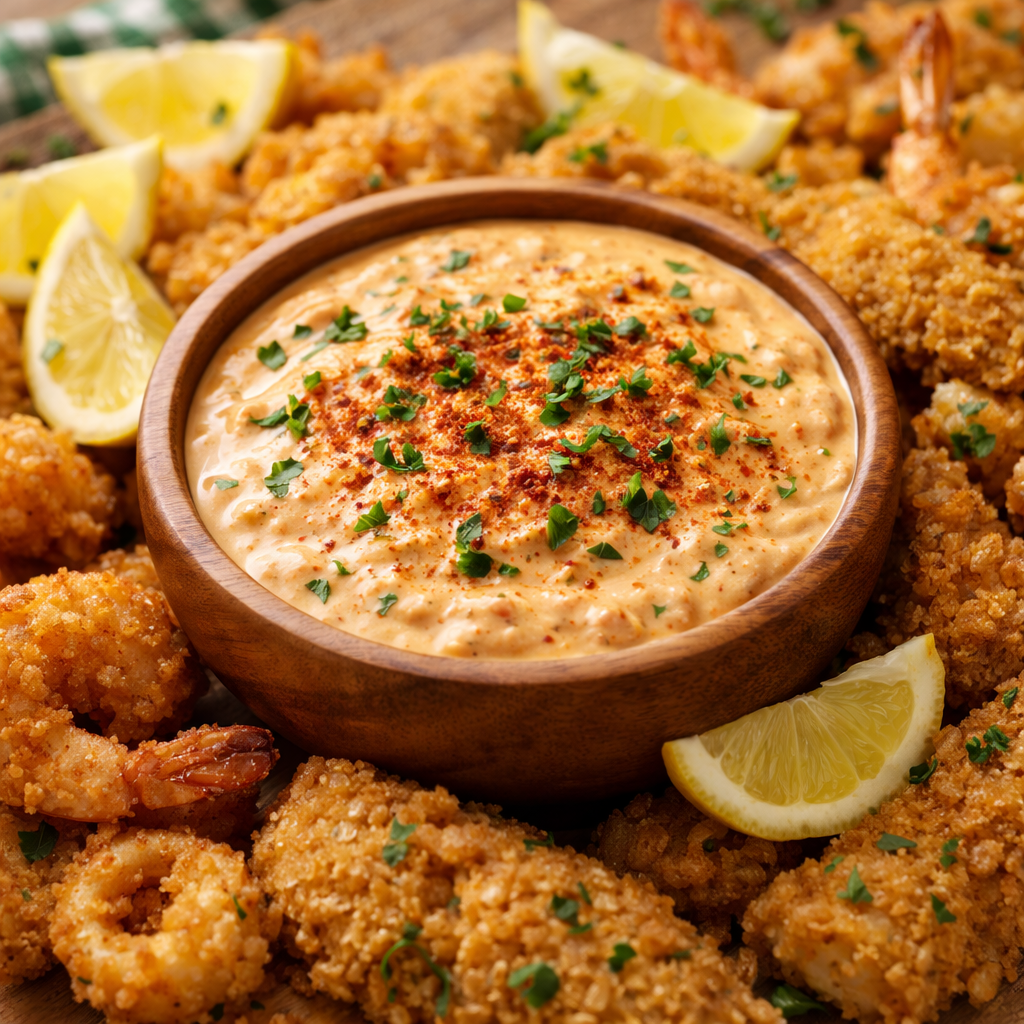
Add the paprika, cayenne, and minced garlic. Whisk vigorously. The paprika will slowly begin to bleed its pigment into the mayonnaise, turning the sauce into its signature reddish-orange hue.
4. Acid and Umami Balance
Stir in the lemon juice, Worcestershire sauce, and hot sauce. At this stage, the sauce may appear slightly thinner; this is normal as the acids break down the density of the mayonnaise.
5. Folding in the Texture
Switch to a rubber spatula and gently fold in the minced celery, green onions, and parsley. Taste a small amount on a piece of bread or a cracker. It should be “forward” in its seasoning—remember, this is a condiment meant to season unseasoned seafood.
6. The “Chill” Phase
Transfer the mixture to an airtight container. Refrigerate for at least 2 hours, though 24 hours is ideal. This is the secret step of a professional remoulade sauce recipe; it allows the harshness of the raw garlic and horseradish to mellow and blend.
Common Mistakes to Avoid
- Using Too Much Sugar: Some “bottled” versions are sugary. A true Louisiana remoulade sauce recipe should be savory and tangy. Avoid adding sugar or using “miracle” style dressings as a base.
- Skipping the Creole Mustard: If you use yellow ballpark mustard, the sauce will be far too acidic and lack the grainy texture that defines the dish.
- Large Vegetable Chunks: Remoulade should be a smooth sauce with “specks” of texture. If your celery pieces are the size of peas, they will fall off the shrimp and remain on the plate.
- Serving Immediately: If you serve this sauce the moment you mix it, the garlic and hot sauce will taste “sharp” and disconnected. The refrigeration period is mandatory for flavor integration.
Timing & Doneness Indicators
Since this is a cold-prep remoulade sauce recipe, doneness is measured by flavor integration rather than temperature.
Serving Suggestions
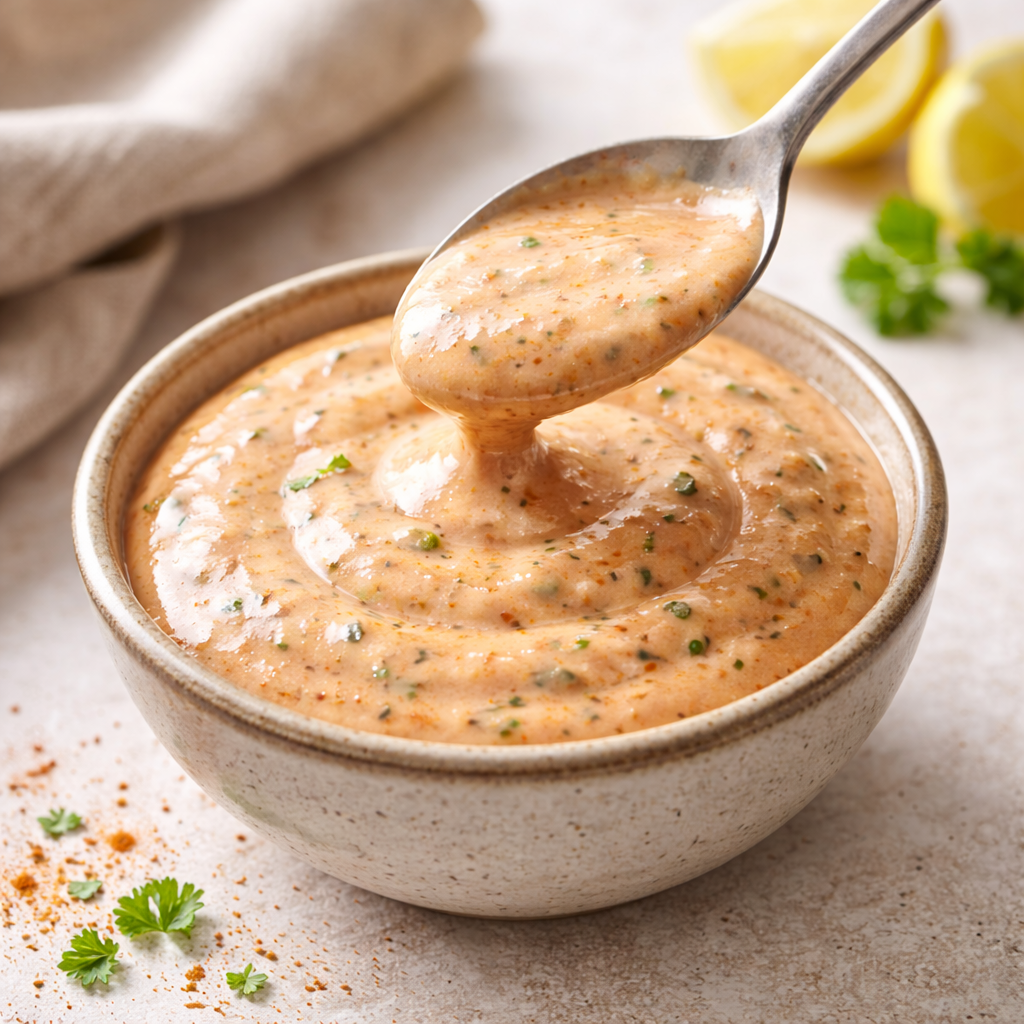
This remoulade sauce recipe is incredibly versatile. While shrimp is the classic pairing, its utility extends across the menu:
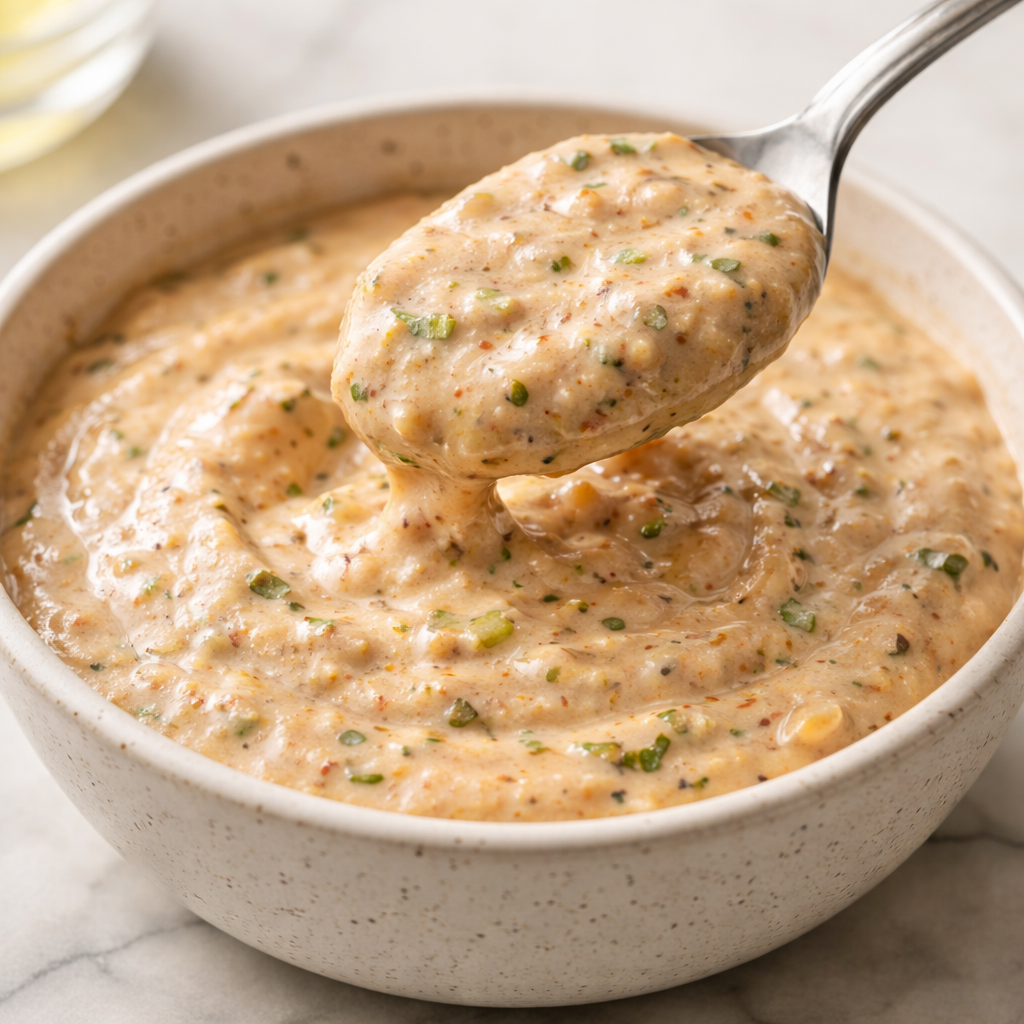
- Shrimp Remoulade: Serve chilled, boiled shrimp over a bed of shredded iceberg lettuce, heavily smothered in the sauce.
- Fried Green Tomatoes: The tang of the remoulade is the perfect partner for the tartness of unripened tomatoes.
- Crab Cakes: Use the remoulade both as a binder inside the crab cake and as a finishing sauce on top.
- Po’ Boys: Slather generously on a toasted baguette for a roast beef or fried oyster sandwich.
- Steak Topping: Believe it or not, a cold remoulade over a hot, charred steak provides a beautiful “Béarnaise-like” contrast.
Homemade Bearnaise Sauce recipe
FAQ: Solving Your Sauce Frustrations
Q: My remoulade sauce is too thin/watery. How do I fix it? A: This usually happens if you used too much lemon juice or a low-fat mayonnaise. To thicken it, whisk in an extra 2 tablespoons of mayonnaise or a teaspoon of Greek yogurt. Next time, ensure you pat your minced celery dry with a paper towel before adding it to the mix, as celery releases significant water.
Q: The sauce is way too spicy. Can I save it? A: Yes. Fat neutralizes capsaicin (heat). Add more mayonnaise in 1/4 cup increments until the heat is manageable. You may need to add a pinch more salt to maintain the flavor balance.
Q: Can I make this remoulade sauce recipe vegan? A: Absolutely. Use a high-quality vegan “mayo” base. The spicy mustard and aromatics are naturally vegan, so the flavor profile will remain remarkably similar.
Q: Why does my sauce have a “gritty” texture? A: This is likely the Creole mustard. Creole mustard contains whole or partially crushed mustard seeds. This is a hallmark of an authentic remoulade sauce recipe. If you prefer a completely smooth sauce, you can pulse the final mixture in a food processor for 10 seconds.