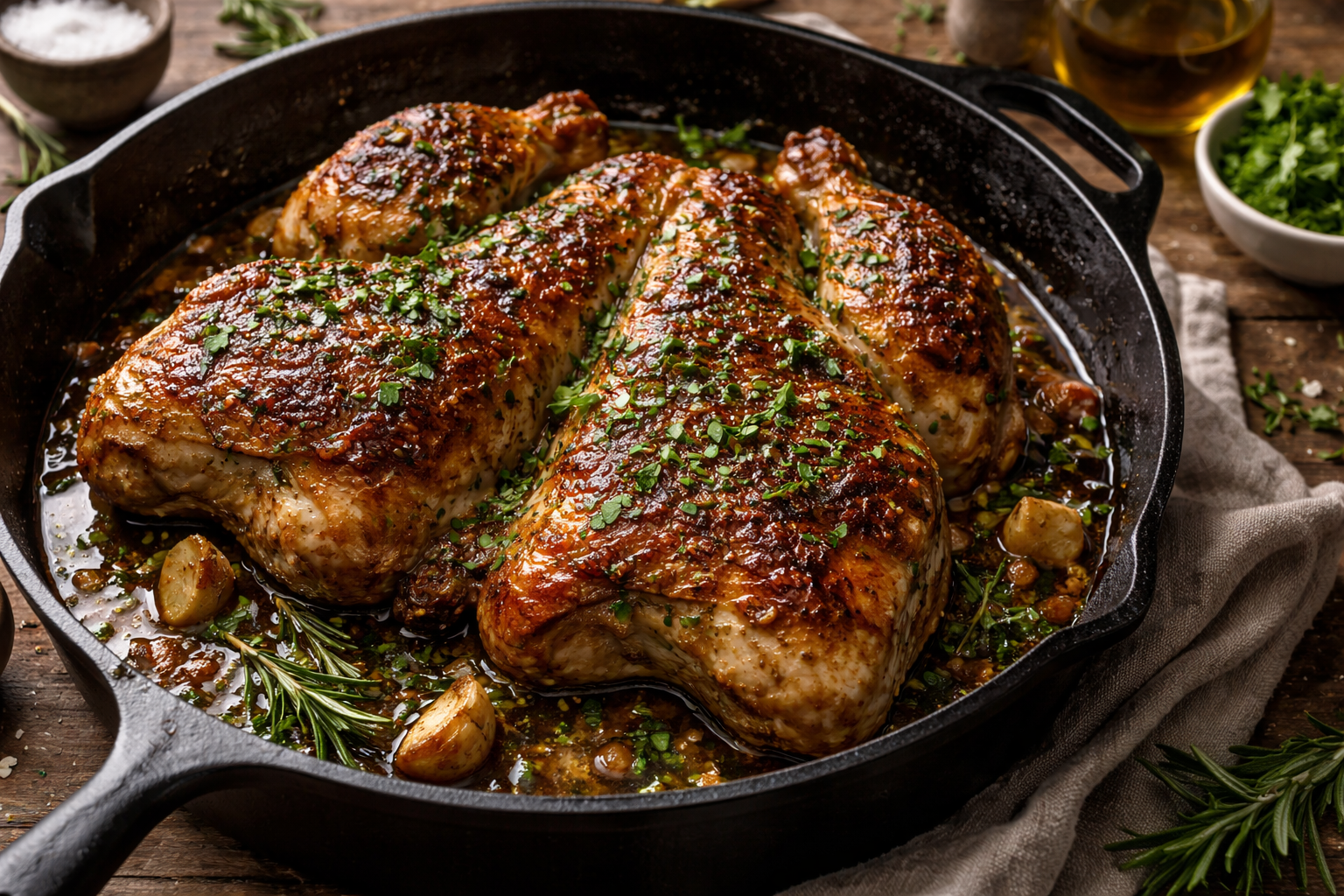
There is something deeply primal and comforting about the scent of fresh herbs sizzling in a hot pan. Among the vast library of culinary pairings, few are as iconic or as timeless as the marriage of poultry and rosemary. This Rosemary Chicken Recipe is a celebration of that relationship—a dish that manages to feel like a high-end bistro meal while remaining simple enough for a Tuesday night at home.
The beauty of this recipe lies in its aromatic complexity. Rosemary isn’t just an garnish; it is a transformative ingredient that infuses the meat with woody, pine-like notes that perfectly complement the savory richness of roasted chicken. Whether you are a seasoned home cook or a beginner looking to master the basics, this guide will help you create a chicken dish that is juicy on the inside, crispy on the outside, and aromatically stunning.
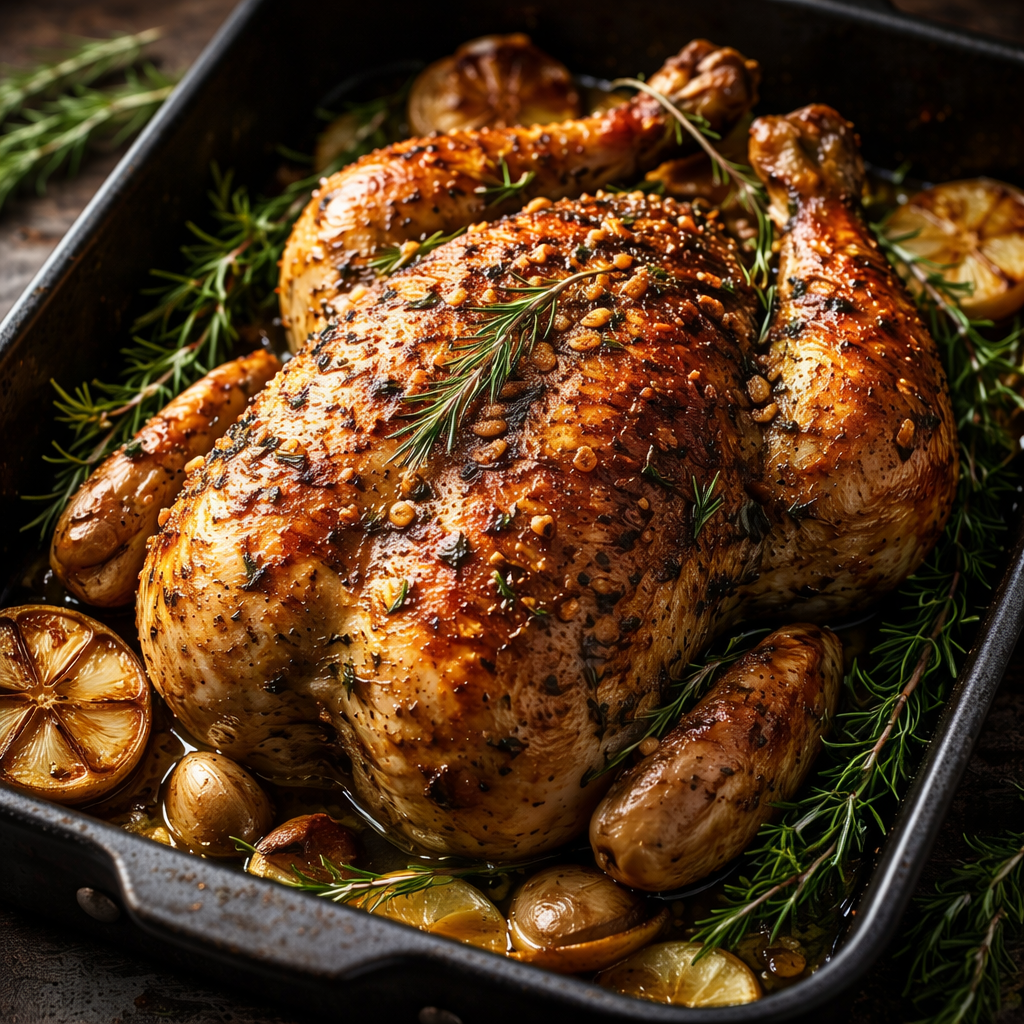
Why You’ll Love This Recipe
You will fall in love with this Rosemary Chicken Recipe primarily because of its incredible efficiency. In the culinary world, we often assume that deep, complex flavors require hours of simmering. This recipe shatters that myth. By using fresh aromatics and the right searing technique, you can achieve a depth of flavor that tastes like it has been developing all day, even though it takes less than forty minutes from start to finish.
Another reason this dish is a standout is its versatility. It is a “foundational” recipe—once you master the technique of infusing oil with rosemary and garlic, you can apply it to almost any protein. Furthermore, this Rosemary Chicken Recipe is naturally healthy. It relies on fresh herbs, high-quality olive oil, and lean protein rather than heavy creams or processed sugars. It is proof that eating well doesn’t have to mean eating boring.
What You Need to Get Started
To create the perfect Rosemary Chicken Recipe, you don’t need a pantry full of exotic ingredients. Instead, you need a few high-quality staples that will allow the rosemary to shine.
- The Chicken: I recommend using 1.5 to 2 lbs of boneless, skinless chicken breasts or thighs. If you prefer bone-in, skin-on meat, just be prepared to adjust the cooking time slightly (skin-on provides a fantastic texture!).
- The Hero Herb: Fresh rosemary is non-negotiable here. While dried rosemary exists, it lacks the essential oils and “bright” pine aroma that fresh sprigs provide.
- The Fat: Extra virgin olive oil and a small knob of unsalted butter. The oil handles the heat, while the butter helps with browning and adds a silky mouthfeel to the pan sauce.
- The Aromatics: A whole head of garlic (we will use several cloves) and a small shallot or yellow onion.
- The Liquid: A splash of dry white wine (like Sauvignon Blanc) or a high-quality chicken broth. This will be used to deglaze the pan.
- Acid: One fresh lemon. Both the zest and the juice will be used to brighten the dish.
- Pantry Staples: Kosher salt and freshly cracked black pepper.
How to Prepare the Ingredients
Proper preparation, or mise en place, is the secret to a stress-free kitchen. For this Rosemary Chicken Recipe, the way you treat the herbs and the meat beforehand determines the final texture.
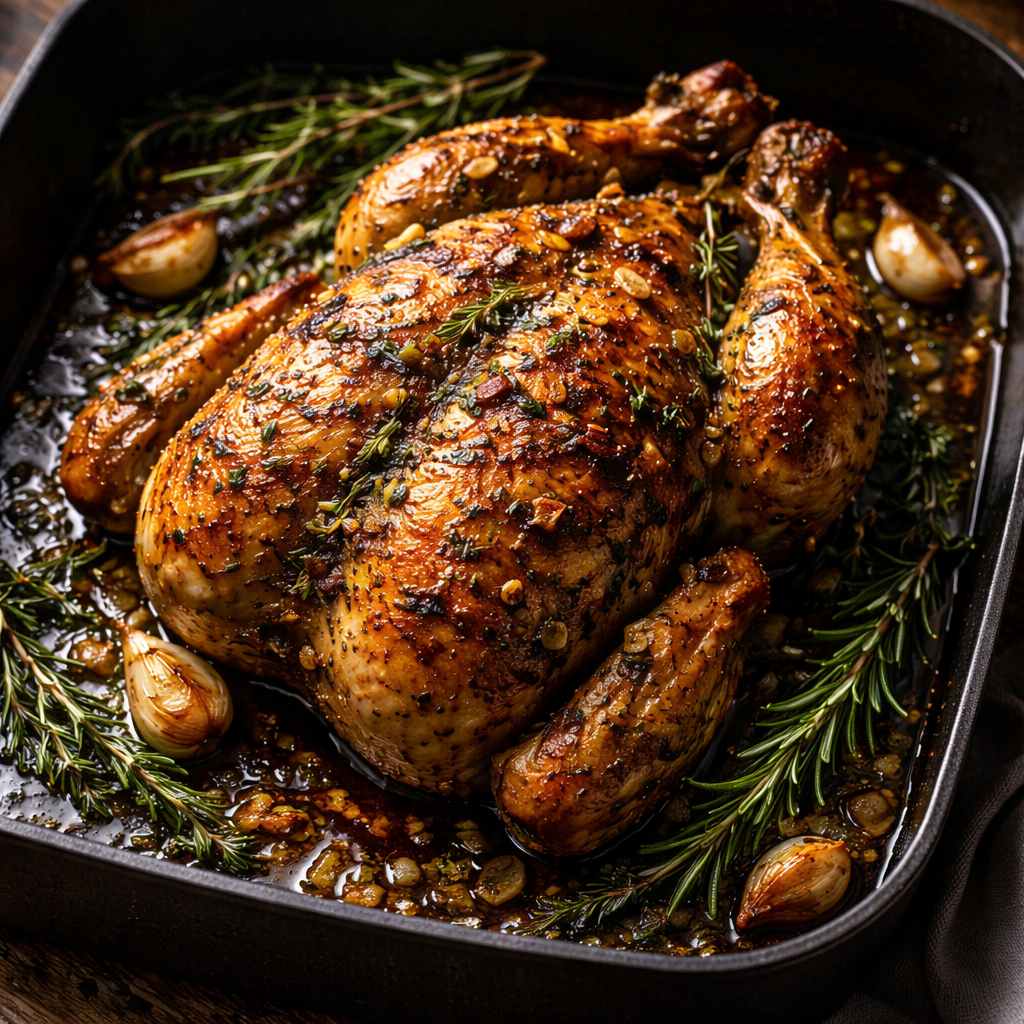
Start with the chicken. If you are using breasts, they are often uneven in thickness. To ensure the meat cooks evenly without the thin end drying out, place the chicken between two sheets of plastic wrap and gently pound the thicker parts with a meat mallet until the breast is a uniform thickness (about ¾ of an inch). Once leveled, pat the chicken bone-dry with paper towels. Moisture is the enemy of a good sear.
Next, prepare your rosemary. Remove the needle-like leaves from the woody stem and give them a rough chop. This bruises the leaves and releases the fragrant oils. For the garlic, don’t just mince it; smash the cloves with the flat side of your knife first. Smashed garlic releases its flavor into the oil more effectively than finely minced garlic, which tends to burn before the chicken is finished.
Step-by-Step Cooking Instructions
- Season the Meat: Generously coat both sides of your chicken with salt and pepper. Don’t be shy; a good amount of seasoning is required to stand up to the strong flavor of the rosemary.
- Infuse the Oil: Heat your olive oil in a large stainless steel or cast-iron skillet over medium-high heat. Once the oil shimmers, toss in two whole sprigs of rosemary and your smashed garlic cloves. Let them sizzle for about 60 seconds until the kitchen smells incredible.
- The Sear: Move the herbs to the side and place the chicken in the pan. Do not move it for at least 4 minutes. This allows a golden-brown crust to form. Flip the chicken once.
- The Butter Baste: Add the knob of butter and the chopped rosemary to the pan. As the butter melts and foams, use a spoon to repeatedly pour the rosemary-infused butter over the chicken. This is a classic French technique called arosé, and it ensures the meat is flavorful and moist.
- Deglaze: Once the chicken reaches an internal temperature of 165°F, remove it from the pan and let it rest on a plate. Pour your wine or chicken broth into the hot skillet. Use a wooden spoon to scrape up the brown bits (the fond) from the bottom.
- The Sauce: Let the liquid reduce by half, then stir in a squeeze of lemon juice and the lemon zest. This creates a light, fragrant pan sauce.
- Final Touch: Pour the pan sauce over the resting chicken and serve immediately.
Best Time to Serve This Dish
This Rosemary Chicken Recipe is an all-season champion. In the autumn and winter, the woody scent of rosemary feels cozy and grounding, making it a perfect Sunday roast alternative. In the spring and summer, the addition of lemon zest makes it feel light enough for an al fresco dinner on the patio.
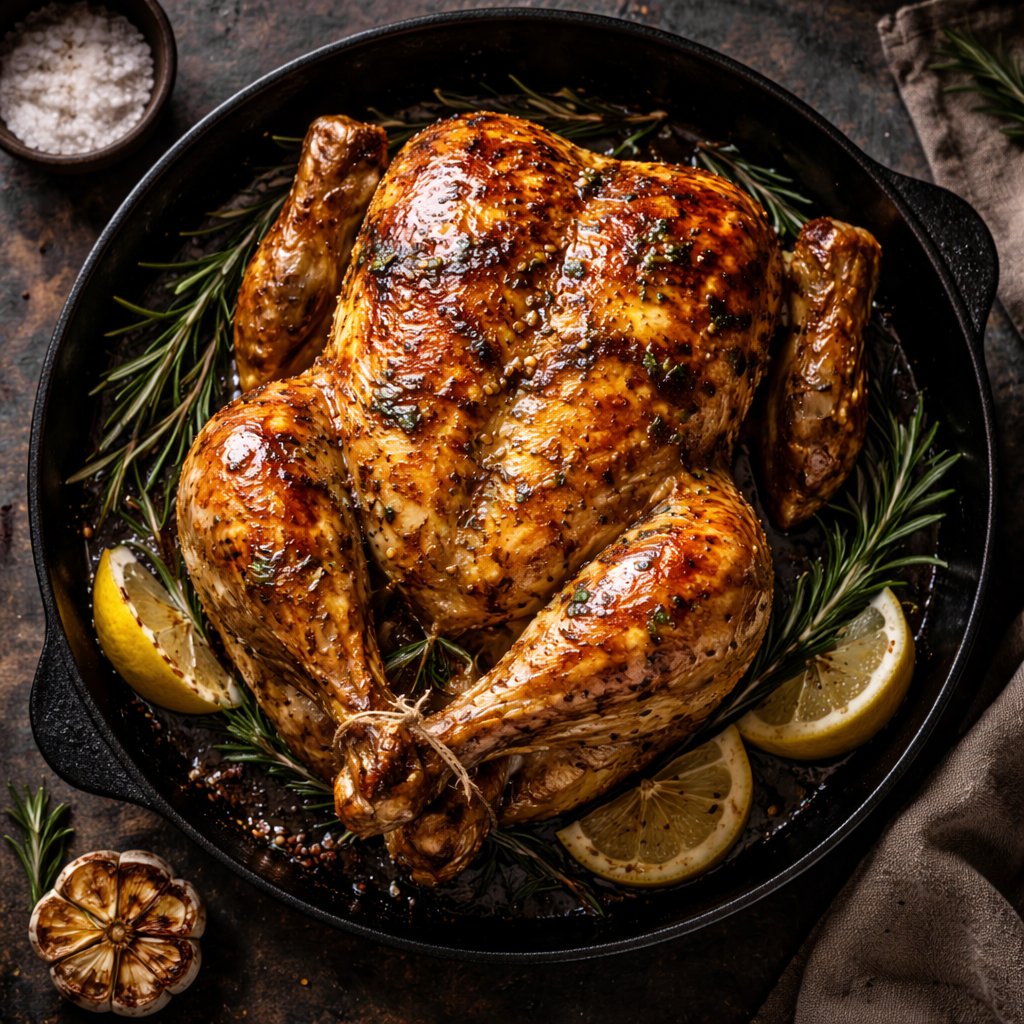
Because it takes so little time to prepare, it is also the ideal dish for hosting guests. It allows you to present a “chef-quality” meal without being stuck in the kitchen for hours. It’s also a fantastic meal-prep option; the rosemary flavor actually deepens as the chicken sits, making the leftovers a highlight of the work week.
Flavor Tips for Better Results
To truly master this Rosemary Chicken Recipe, consider these “pro” tips that elevate the dish from good to unforgettable:
- Temperature Control: Never cook chicken straight from the fridge. Let it sit on the counter for 15–20 minutes to take the chill off. This ensures the outside doesn’t burn before the inside is cooked.
- The Pan Choice: Use a stainless steel or cast-iron pan rather than non-stick. Non-stick pans don’t allow for the development of “fond” (those tasty brown bits), which are essential for a good rosemary pan sauce.
- Herb Freshness: If your rosemary sprigs are bendy and dull, they won’t have the same impact. Look for sprigs that are stiff and have a vibrant, deep green color.
- Resting Time: Always let your chicken rest for at least 5 minutes before slicing. This allows the juices to redistribute through the meat. If you cut it immediately, all that rosemary-infused juice will run out onto the cutting board.
Optional Add-Ins and Variations
Once you are comfortable with the basic Rosemary Chicken Recipe, you can start experimenting with these delicious variations:
- Rosemary-Balsamic: Add a tablespoon of high-quality balsamic vinegar to your pan sauce. The sweetness of the vinegar pairs beautifully with the earthy rosemary.
- The Sheet Pan Method: Toss the chicken with baby potatoes, carrots, and extra rosemary sprigs on a baking sheet. Roast at 400°F for 25 minutes for a complete one-pan meal.
- Honey-Rosemary: Stir a teaspoon of honey into the lemon juice before deglazing. This creates a sticky, savory-sweet glaze that children absolutely love.
- Mushroom-Rosemary: Sauté sliced cremini mushrooms in the same pan after the chicken is done. The mushrooms act like sponges, soaking up all that rosemary-garlic butter.
How to Store and Reheat Properly
If you find yourself with leftovers of this Rosemary Chicken Recipe, you are in luck. Chicken infused with herbs tends to hold its flavor remarkably well.
Storage: Store the chicken in an airtight container in the refrigerator for up to four days. If you made a pan sauce, store it in the same container to keep the meat moist.
Reheating: To prevent the chicken from becoming rubbery, avoid the microwave if possible. Instead, place the chicken in a skillet with a splash of chicken broth or water. Cover with a lid and heat over medium-low for about 5 minutes. This gently steams the meat back to temperature without drying it out. If you are using a microwave, use the 50% power setting and heat in short bursts.
Serving Ideas for a Beautiful Presentation
Presentation is the final step in the cooking process. For this Rosemary Chicken Recipe, lean into the rustic, earthy aesthetic of the dish.
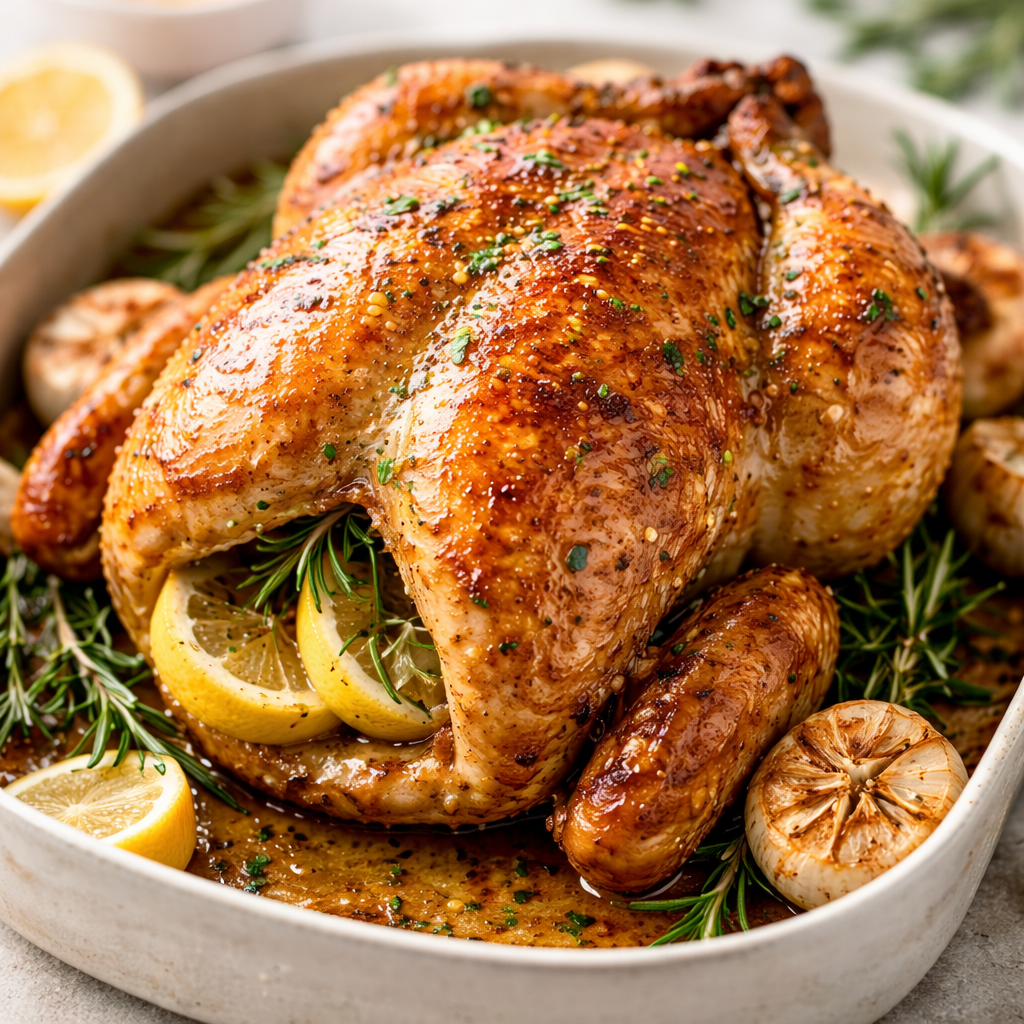
Place the chicken on a large wooden serving board or a white ceramic platter. Garnish with fresh, un-chopped sprigs of rosemary and thin slices of lemon. The visual of the whole herb sprigs immediately tells your guests what flavors to expect.
For side dishes, this chicken pairs perfectly with roasted root vegetables, a creamy parmesan risotto, or a simple massaged kale salad. If you have extra pan sauce, serve it in a small ramekin on the side for dipping crusty sourdough bread.
Helpful Tips and Common Mistakes
- Mistake: Burning the Garlic. Garlic becomes bitter if it turns dark brown. If your pan is too hot, remove the garlic cloves once they are golden and add them back in at the end.
- Mistake: Using Too Much Rosemary. Rosemary is powerful. Too much can make the dish taste “soapy” or medicinal. Stick to the recipe’s measurements until you know your preference.
- Tip: Use a Meat Thermometer. This is the only way to guarantee perfectly juicy chicken every time. Pull the chicken at 160°F; the “carryover cooking” while it rests will bring it to the safe 165°F mark.
- Tip: The Lemon Zest Timing. Always add the zest at the very end. Cooking zest for too long can destroy its delicate floral notes.
This Rosemary Chicken Recipe is more than just a meal; it is a testament to the power of fresh ingredients and simple techniques. By focusing on the sear, the infusion, and the aromatics, you can transform a humble chicken breast into a centerpiece that your family and friends will request again and again.
Best Thin Sliced Chicken Breast Recipes
Homemade Peri Peri Chicken Recipe
Best Easy Orange Chicken Recipe
Easy Chipotle Honey Chicken Recipe
Green Chicken Enchilada Recipe