Sticky Rice Recipe One of the most persistent frustrations in the home kitchen is the “mushy middle” syndrome. Many home cooks attempt a sticky rice recipe using standard long-grain rice or the traditional boiling method used for jasmine rice, only to end up with a gloopy, disintegrated mess. Alternatively, they find the rice remains chalky and hard despite hours of soaking.
The problem lies in the fundamental chemistry of the grain. To achieve that signature chewy, translucent, and pull-apart texture found in Northern Thailand or Laos, you cannot simply boil the rice. You must transition from a “submersion” mindset to a “vapor” mindset. This comprehensive guide breaks down a foolproof sticky rice recipe that solves the problem of inconsistent texture through the traditional steam-and-flip method.
Why This Recipe Works
To master any sticky rice recipe, you must understand Oryza sativa var. glutinosa. Unlike standard rice, sticky rice (also known as glutinous or sweet rice) contains negligible amounts of amylose and high amounts of amylopectin.
- Hydration over Boiling: By soaking the rice, we allow the water to penetrate the center of the grain without the exterior breaking down. This ensures the rice is cooked through but remains structurally intact.
- Steam Permeability: This recipe utilizes a steaming basket (bamboo or metal). Steaming allows the starch to gelatinize through heat transfer from water vapor, creating a chewy exterior “skin” rather than a mushy coating.
- The Atmospheric Flip: Halfway through the cooking process, we flip the rice. This prevents the bottom layer from becoming waterlogged by rising steam and ensures the top layer is fully hydrated.
- No Residual Moisture: Unlike boiled rice, which sits in its own starch-heavy water, steamed sticky rice sheds excess moisture, resulting in grains that stick to each other, but not to your hands.
Ingredients & Measurements
For a successful sticky rice recipe, the ratio is less about the water-to-rice volume and more about the soaking time.
The Core Components
- 3 cups Thai Glutinous Rice: Look for bags specifically labeled “Long Grain Glutinous Rice” or “Sweet Rice.” Do not use Sushi rice or Calrose rice; while “sticky,” they are different cultivars and will not work with this method.
- Filtered Water: For soaking and steaming.
- A Pinch of Sea Salt: Optional, added after steaming to enhance the natural nuttiness of the grain.
The Equipment
- A Large Bowl: For the 6-hour soak.
- A Bamboo Steamer Basket and Pot: Or a stainless steel steamer insert lined with cheesecloth.
- A Clean Kitchen Towel: To cover the rice during the steam phase.
Step-by-Step Cooking Guide
1. The Critical Wash
Place your rice in a large bowl and cover with cool water. Swirl the grains vigorously with your hand. The water will turn milky and opaque—this is excess surface starch. Drain and repeat 3–5 times until the water runs clear. This step is mandatory in any sticky rice recipe to prevent the grains from becoming a solid, inseparable block.
2. The Long Soak
Cover the washed rice with at least 3 inches of water. Let it sit at room temperature for a minimum of 6 hours, though 10–12 hours (overnight) is the professional standard. If you try to steam the rice after only 1 or 2 hours, the center will remain brittle and hard.
3. Setting Up the Steamer
Fill your steamer pot with 2–3 inches of water. Ensure the water level is below the bottom of the steamer basket. If the water touches the rice, it will boil rather than steam, ruining the texture. Bring the water to a steady, rolling boil.
4. The First Steam
Drain the soaked rice and spread it evenly into your bamboo basket or cheesecloth-lined steamer. Create a small “well” in the center of the rice pile to allow steam to circulate. Cover with a lid and steam over medium-high heat for 15 minutes.
5. The Atmospheric Flip
Remove the lid. Using a spatula (or the traditional basket-toss method), flip the entire mass of rice so the bottom grains move to the top. This is the secret to a professional sticky rice recipe. Cover and steam for an additional 10–15 minutes.
6. The Rest
Remove the basket from the heat. Transfer the rice to a wooden bowl or a clean surface. Gently spread the rice out with a spatula to let the initial burst of steam escape. This prevents the rice from “sweating” and becoming soggy as it cools.
Common Mistakes to Avoid
- Using the Wrong Rice: Using “Sticky Rice” as a description rather than a specific grain type is the #1 cause of failure. If the bag doesn’t say “Glutinous” or “Sweet,” it is the wrong rice.
- Under-soaking: Shortcutting the soak time is why your rice feels “sandy” or hard. There is no way to speed this up; the grain needs time to absorb moisture into its core.
- Opening the Lid Constantly: Every time you lift the lid, the temperature drops and the steam pressure is lost. Trust the timer.
- Too Much Water in the Pot: If the water boils up through the holes and touches the grain, that portion of the rice will turn into mush. Keep the water level low and check it periodically to ensure it hasn’t boiled dry.
Timing & Doneness Indicators
Efficiency in a sticky rice recipe depends on visual and tactile cues.
Serving Suggestions
Once you’ve mastered the base sticky rice recipe, the serving possibilities are endless.
- Traditional Thai Style: Serve in a small bamboo “tip khao” basket. Eat with your hands by rolling the rice into small balls and dipping them into Larb (minced meat salad) or Green Papaya Salad (Som Tum).
- Mango Sticky Rice: While the rice is still warm, fold in a mixture of sweetened coconut milk and a pinch of salt. Serve with fresh, ripe mango slices for the ultimate dessert.
- Grilled Skewers: Sticky rice is the perfect companion for Moo Ping (grilled pork skewers). The chewy rice acts as a neutralizer for the sweet, charred glaze of the meat.
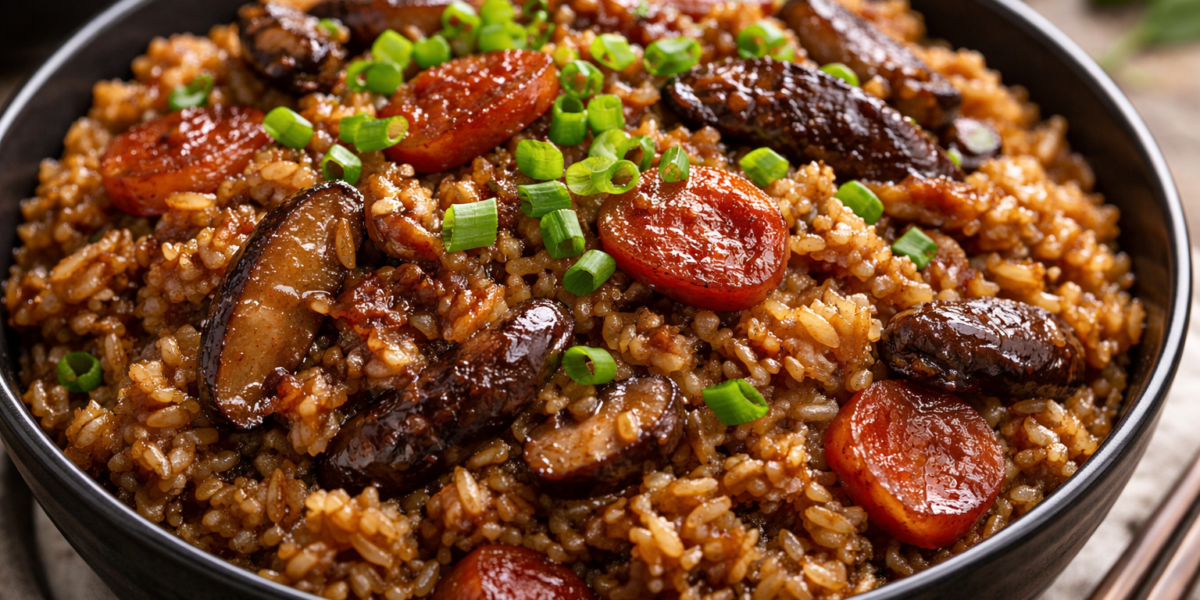
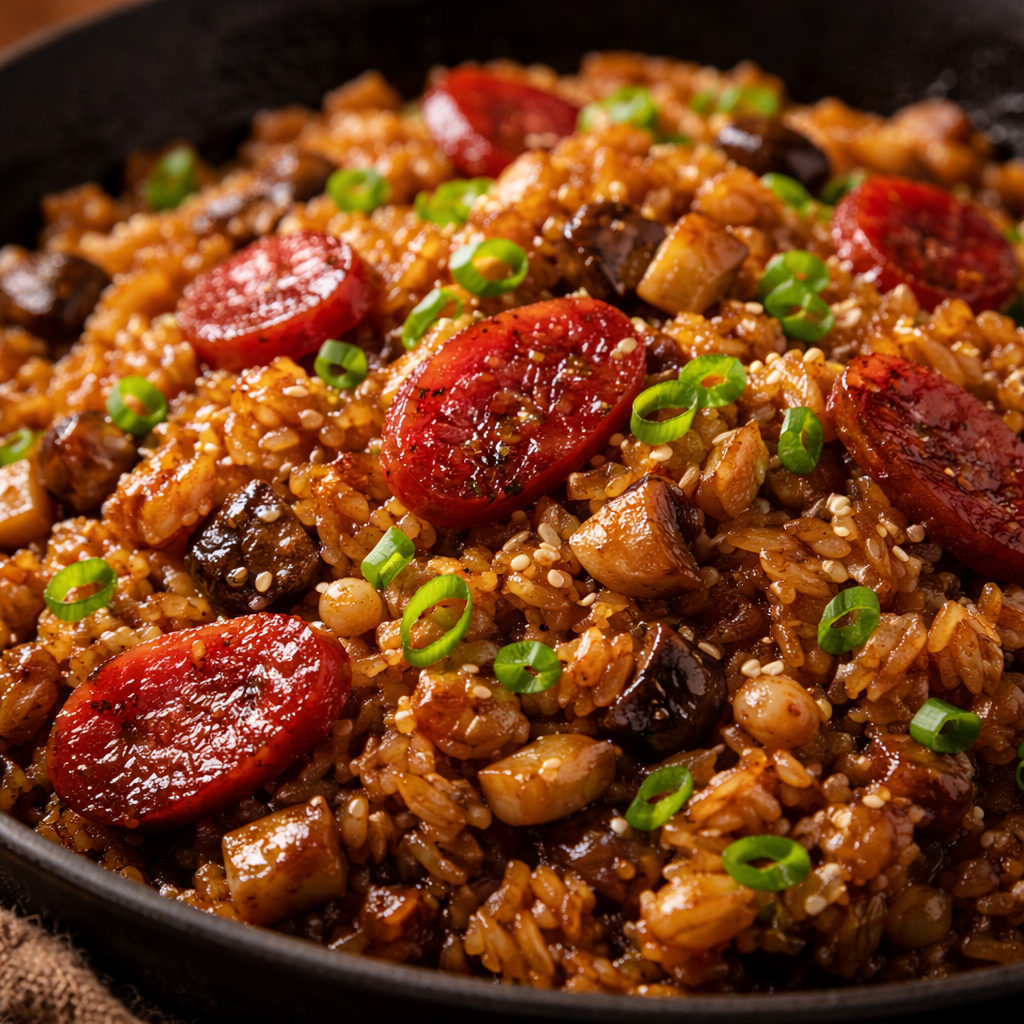
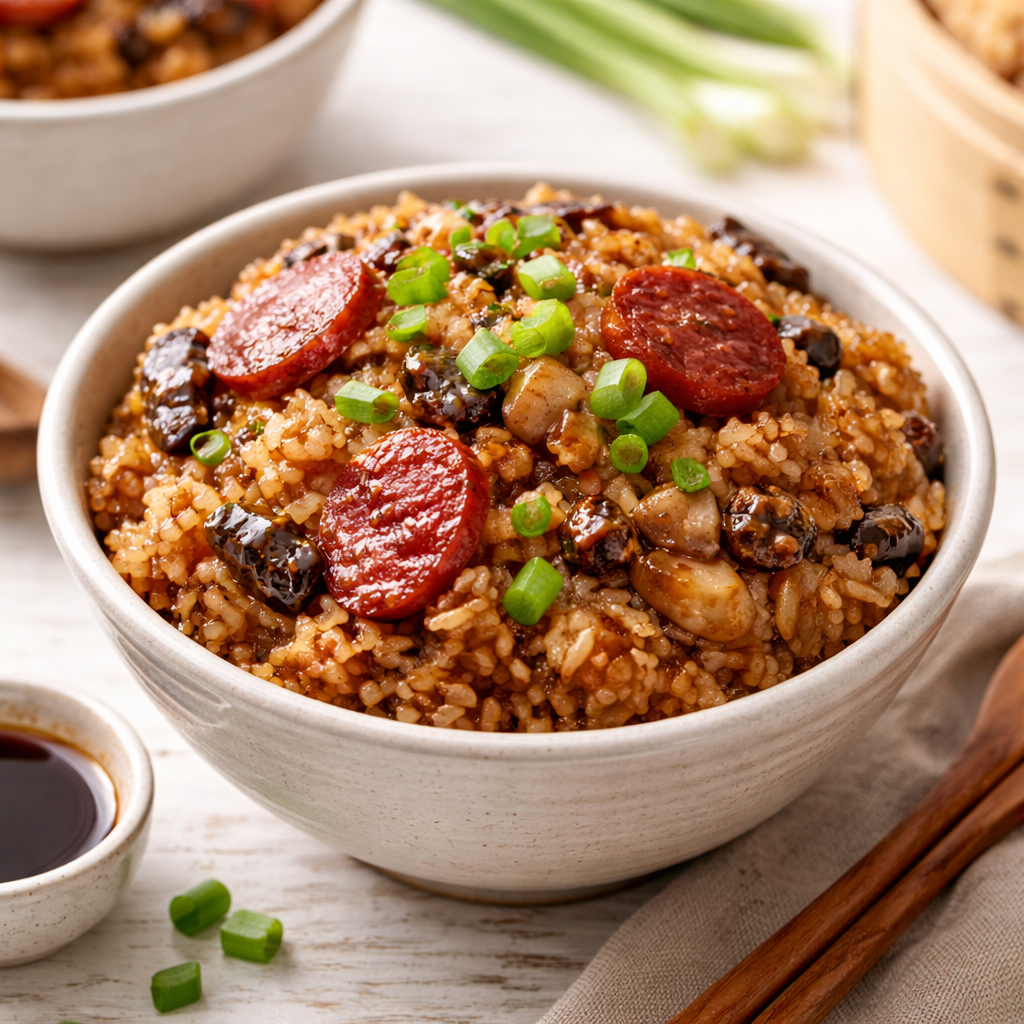
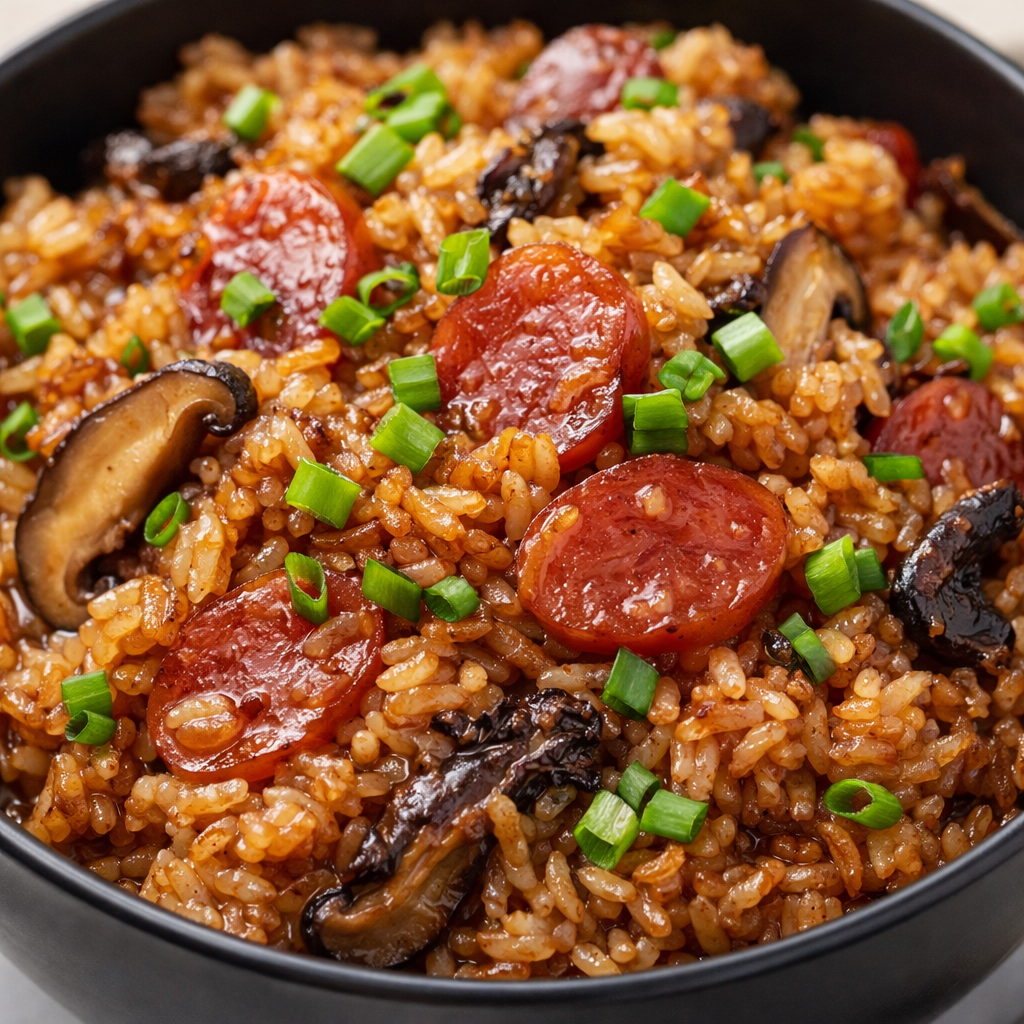
- Fried Rice Variation: Use day-old sticky rice to make a textural-rich fried rice. The grains stay individual and provide a unique “crunch-and-chew” that standard rice can’t match.
FAQ: Solving Your Sticky Rice Frustrations
Q: My rice is too hard and dry after steaming. Can I save it? A: Yes. This usually means the rice was under-soaked or the steam was too weak. Sprinkle about 2 tablespoons of hot water over the rice, toss it, and steam for an additional 5 minutes.
Q: Can I make this sticky rice recipe in a standard rice cooker? A: Not with the standard “Rice” setting. If your cooker has a “Steam” function and a basket, follow this recipe. If you must use the pot, you need significantly less water than usual (about a 1:0.8 ratio), but the results will never be as good as the steaming method.
Q: Why does my rice smell like it’s fermenting during the soak? A: If the weather is very hot, the soaking water can begin to ferment. If you are soaking for more than 8 hours in a hot kitchen, place the bowl in the refrigerator.
Q: Can I store and reheat sticky rice? A: Sticky rice hardens significantly when cold. To reheat, do not use the microwave alone (it will make it rubbery). Wrap the rice in a damp paper towel and microwave for 30 seconds, or ideally, re-steam it for 5 minutes to restore the original bounce.
Q: Is sticky rice gluten-free? A: Despite the name “glutinous,” sticky rice is 100% gluten-free. The name refers to its “glue-like” consistency, not the protein gluten.