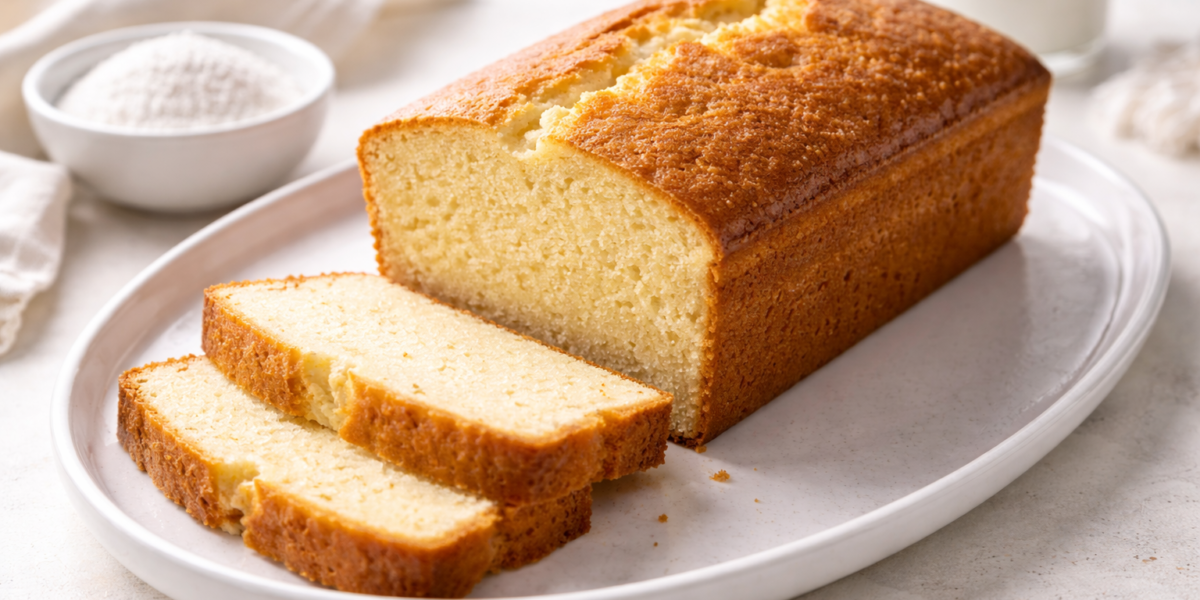
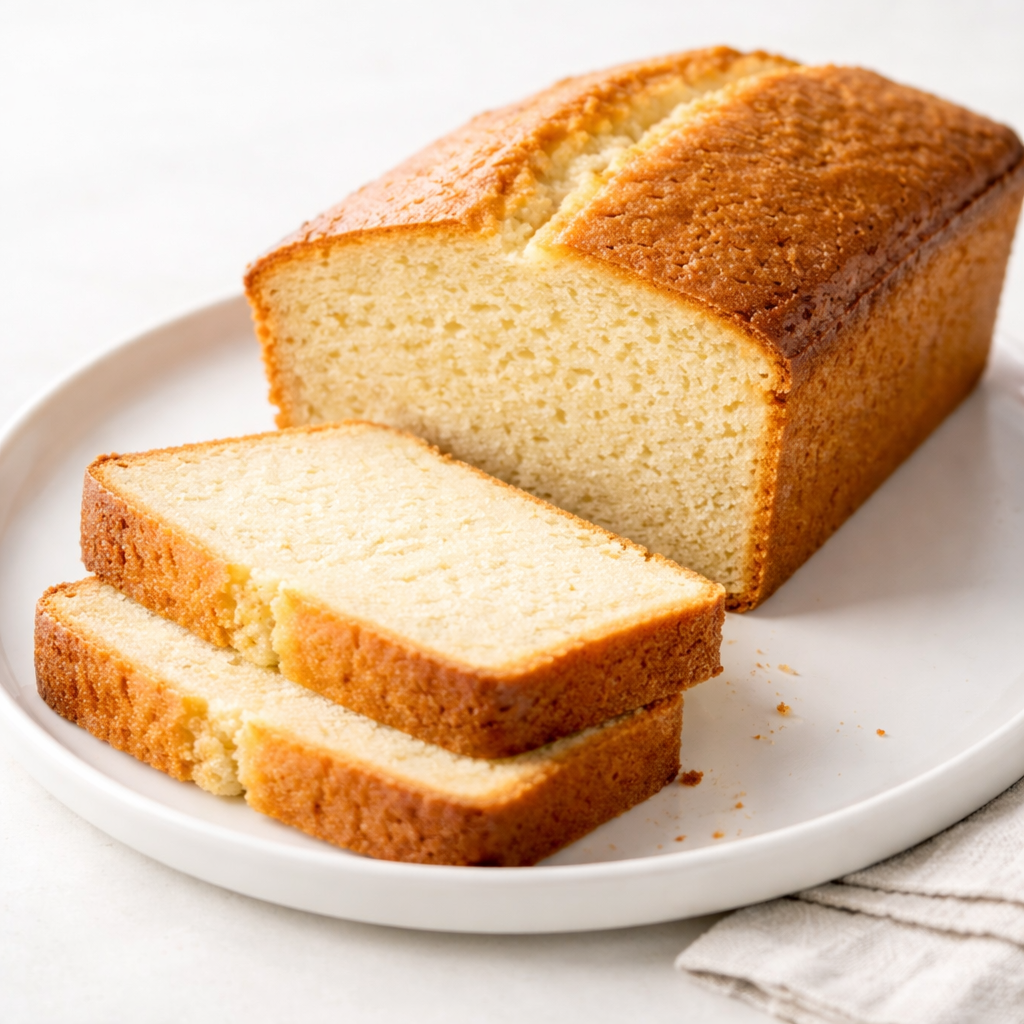
In the world of baking, there is one dessert that stands as the ultimate test of a baker’s patience and precision: the perfect pound cake. While trends in the pastry world come and go, a classic Vanilla Pound Cake Recipe remains a cornerstone of home baking. It is the architectural marvel of cakes—dense yet tender, sturdy yet velvety, and possessing a golden crust that shatters slightly under the fork.
A true pound cake doesn’t rely on frosting or fillings to hide its flaws; it is a celebration of the four pillars of baking: flour, butter, eggs, and sugar. Historically, this cake earned its name because it was made with exactly one pound of each of those four ingredients. Today, we have refined the ratios to ensure the cake is lighter and more aromatic, but the soul of the dish remains the same. Whether you are serving it plain with a morning coffee or dressing it up with macerated berries for a dinner party, this recipe is the one you will return to for decades.
Why This Dish Is Worth Making
In a world full of “quick and easy” box mixes, why take the time to master a scratch-made Vanilla Pound Cake Recipe?
- Versatility: This cake is the ultimate base. It can be toasted, grilled, cubed into trifles, or served warm from the oven.
- Shelf Life: Because of its high fat and sugar content, a pound cake stays moist for much longer than a standard sponge cake. In fact, many experts argue it tastes even better on the second day.
- The Aroma: There is no candle or room spray that can replicate the scent of high-quality butter and vanilla bean caramelizing in a hot oven. It makes a house feel like a home instantly.
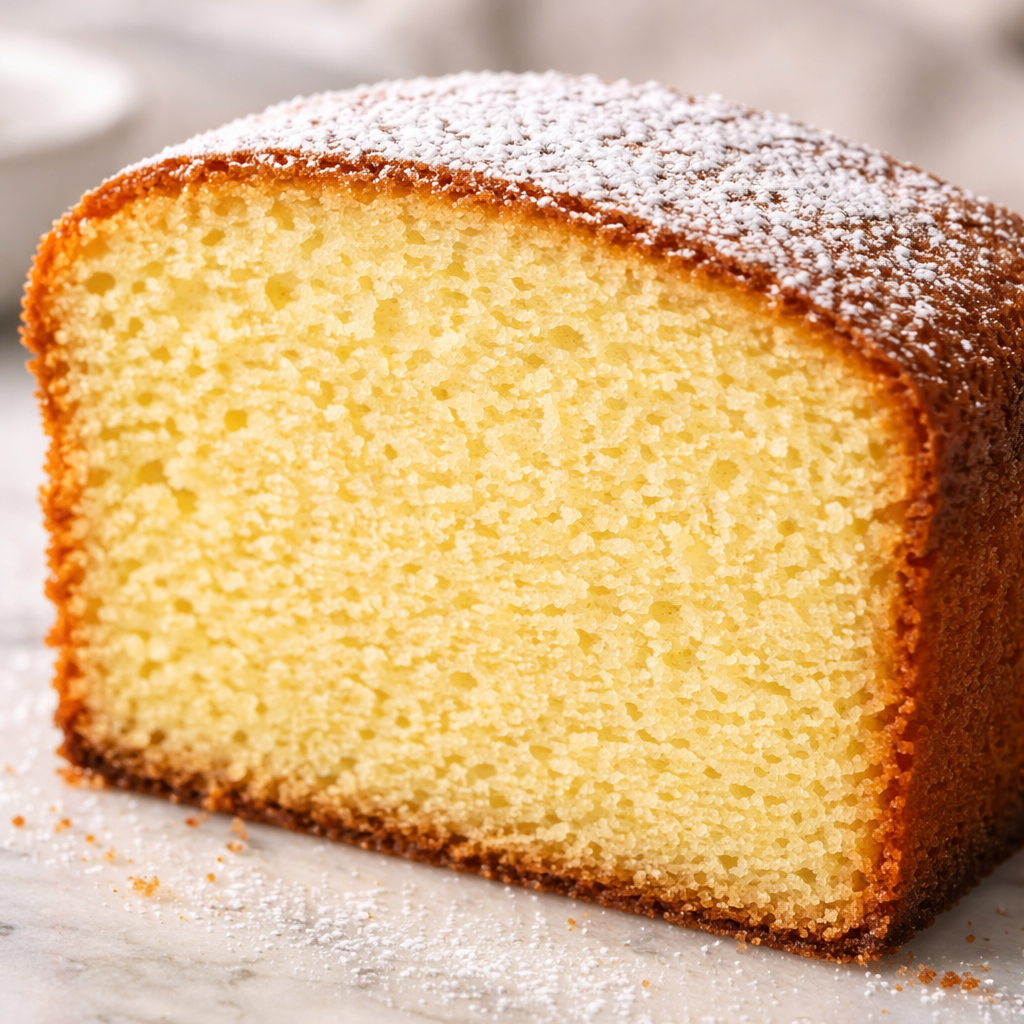
- The “Crumb”: A well-made pound cake has a specific, tight-knit crumb that is incredibly satisfying to eat. It isn’t airy like a chiffon; it’s substantial and luxurious.
What to Gather Before You Begin
The secret to a successful Vanilla Pound Cake Recipe isn’t just in the mixing; it’s in the temperature and quality of your ingredients.
The Essential Ingredients
- Unsalted Butter: 3 sticks (1.5 cups). Use the highest quality European-style butter you can find—higher fat content means a better crumb.
- Granulated Sugar: 3 cups. This not only sweetens but also helps aerate the butter during the creaming process.
- Large Eggs: 6 eggs. These provide the structure and leavening.
- All-Purpose Flour: 3 cups. Sifted to ensure no lumps.
- Vanilla: 1 tablespoon of pure vanilla extract or the seeds of one vanilla bean.
- Salt: 1/2 teaspoon to balance the sweetness.
- Buttermilk or Heavy Cream: 1/2 cup. This modern addition ensures the cake stays moist.
The Equipment
- 10-cup Bundt Pan or two 9×5 Loaf Pans.
- Stand Mixer or Hand Mixer: Essential for the creaming stage.
- Rubber Spatula: For scraping the bowl (don’t leave any flavor behind!).
Getting Ready to Cook
Before you crack a single egg, you must prepare your environment. In baking, Mise en Place (everything in its place) is the difference between success and a sunken cake.
1. The Room Temperature Rule: This is non-negotiable. Your butter, eggs, and buttermilk must be at room temperature. Cold butter won’t trap air, and cold eggs will “break” your emulsion, leading to a dense, greasy cake. Set them out at least 2 hours before you start.
2. Sift, Sift, Sift: Sifting the flour and salt together three times isn’t just for show. It introduces air into the dry ingredients, which helps the cake rise since traditional pound cakes don’t use much (if any) baking powder.
3. Pan Preparation: Even “non-stick” pans can be treacherous. Generously grease your pan with softened butter, ensuring you hit every nook and cranny of a Bundt design. Dust with a light coating of flour and tap out the excess.
Easy Cooking Instructions
1. The Creaming Stage
Preheat your oven to 325°F (165°C). In your mixer, beat the room-temperature butter and sugar together on medium-high speed. Do not rush this. You are looking for a transformation: the mixture should turn from yellow and gritty to pale, almost white, and fluffy. This should take about 5–7 minutes.
2. Emulsify the Eggs
Add the eggs one at a time. After each egg, beat for about 30 seconds. This allows the fat in the butter to properly bond with the water in the eggs. If the mixture starts to look curdled, add a tablespoon of your flour to help it bind back together. Stir in the vanilla.
3. The Alternating Method
Turn your mixer to the lowest setting. Add one-third of your flour, then half of the buttermilk. Repeat, ending with the final third of the flour. Stop mixing the moment the last streak of flour disappears. Over-mixing at this stage will develop gluten, turning your velvety cake into a tough loaf of bread.
4. The Long Bake
Pour the batter into your prepared pan and smooth the top. Bake in the center of the oven for 1 hour and 15 minutes to 1 hour and 30 minutes. Because this cake is so dense, it needs a low and slow bake.
5. The Toothpick Test
The cake is done when a long wooden skewer inserted into the thickest part comes out clean or with just a few moist crumbs.
Perfect Time to Enjoy This Meal
While it is tempting to slice into a Vanilla Pound Cake Recipe while it’s hot, patience is a virtue. This cake needs to cool in the pan for exactly 10 minutes before being inverted onto a wire rack.
The perfect time to enjoy it is actually three to four hours after baking, or even the next morning. As the cake cools, the sugars settle and the vanilla flavor intensifies. It is the quintessential tea-time snack, but it also serves as a brilliant base for a “Strawberry Shortcake” style dessert at a summer picnic.
Ways to Improve the Flavor
If you want to take your Vanilla Pound Cake Recipe to the next level, consider these professional “cheffy” tips:
- The Vanilla Duo: Use both vanilla extract and vanilla bean paste. The paste adds those beautiful black specks and a deeper, woody flavor.
- The Citrus Rub: Before creaming your butter and sugar, rub the zest of one lemon into the sugar with your fingertips. This releases the essential oils and gives the cake a bright, back-of-the-palette note.
- The Simple Syrup Soak: While the cake is still warm, brush it with a vanilla simple syrup (equal parts sugar and water boiled with a vanilla bean). This creates an incredibly moist exterior.
- Quality Salt: Use a high-quality sea salt rather than standard table salt to provide a cleaner finish.
Simple Twists to Try
Once you have mastered the basic Vanilla Pound Cake Recipe, you can treat it as a canvas for your own creativity.
- Marble Pound Cake: Take 1/3 of the batter and fold in 1/4 cup of high-quality cocoa powder. Swirl it into the vanilla batter with a knife before baking.
- Almond-Vanilla: Replace 1 teaspoon of vanilla with 1/2 teaspoon of almond extract for a marzipan-like aroma.
- The Boozy Cake: Add 2 tablespoons of dark rum or bourbon to the batter for a sophisticated, smoky depth.
- Fruit Swirl: Fold in a cup of fresh blueberries tossed in flour to prevent them from sinking to the bottom.
Storing and Reheating Made Easy
One of the best attributes of a pound cake is how well it travels and stores.
- Room Temperature: Wrap the cake tightly in plastic wrap. It will stay fresh on the counter for 4–5 days.
- Freezing: This cake freezes exceptionally well. Wrap individual slices in plastic wrap and then foil. They will stay fresh for up to 3 months.
- Reheating: If the cake has become a bit dry, don’t worry. Place a slice in a toaster oven for 2 minutes or sear it in a pan with a little butter. The sugars will caramelize, and it will taste like a brand-new dessert.
How to Present It Beautifully
Because this is a rustic, home-style cake, the presentation should be simple and elegant.
- The Snowfall: A simple dusting of powdered sugar over a Bundt cake highlights the intricate designs of the pan.
- The Glaze Drizzle: A thick, opaque white glaze made of powdered sugar, heavy cream, and vanilla looks stunning as it drips down the sides.
- Fruit Accents: Surround the base of the cake with fresh raspberries, sprigs of mint, and perhaps some edible flowers like pansies.
- The “Clean Cut”: For perfect slices, use a serrated knife and saw gently. Clean the knife with a warm, damp cloth between every slice to show off that tight, perfect crumb.
Mistakes to Watch Out For
- The “Sad Streak”: If you see a dense, dark line at the bottom of your cake, your ingredients were likely too cold, or you didn’t cream the butter long enough.
- The Sunken Center: This usually happens if the oven door is opened too early or if the cake is underbaked. Resist the urge to peek before the 60-minute mark!
- Over-Greasing: If you use too much oil or butter in the pan, the exterior of the cake will “fry” and become greasy rather than golden and crisp.
- Cold Eggs: Adding cold eggs to warm butter will cause the butter to seize, ruining the light, airy structure you worked so hard for during the creaming stage.
A Vanilla Pound Cake Recipe is more than just a list of instructions; it is a lesson in the chemistry of baking. When you respect the ingredients and the process, the result is a timeless dessert that brings people to the table every single time.