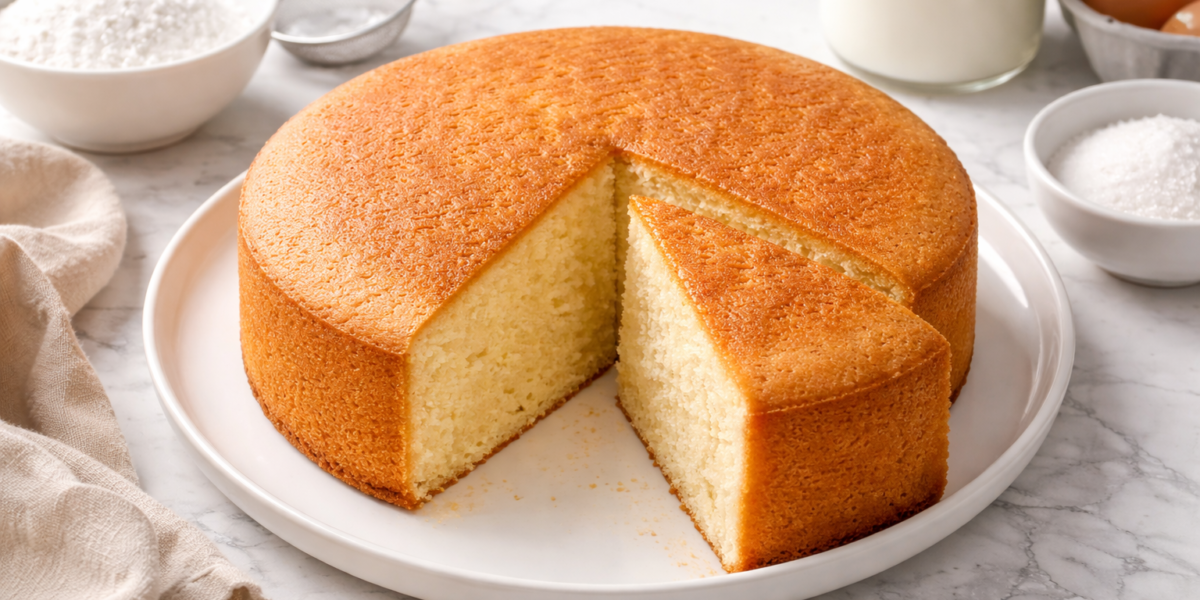
For many home bakers, the quest for a perfect eggless cake recipe is born out of necessity—be it due to allergies, dietary restrictions, or a simple pantry oversight. However, the culinary challenge of eggless baking is significant. In a traditional sponge, eggs serve as the structural “glue,” providing leavening, emulsification, and moisture. Without them, cakes often suffer from the “triple threat” of baking failures: they become overly dense, unpleasantly crumbly, or collapse entirely in the center.
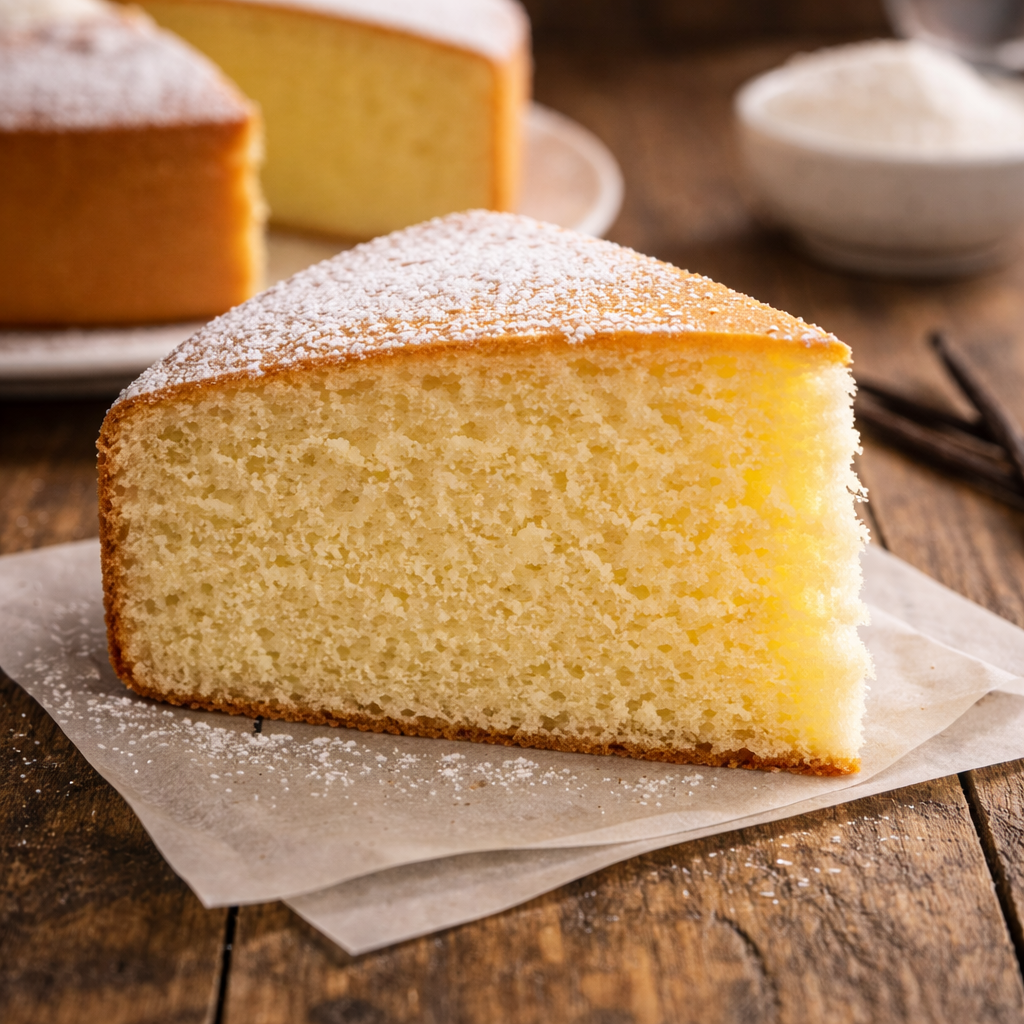
To create a professional-grade eggless cake, one must move beyond merely “swapping” ingredients. You must re-engineer the batter. This guide deconstructs the chemical interactions of an eggless vanilla sponge, focusing on how to replace the protein lattice of an egg with a combination of acidity, dairy, and starch. By mastering this method, you will produce a cake that possesses a tender crumb and a sturdy rise that rivals any traditional counterpart.
Ingredient Breakdown: The Chemical Replacements
In a successful eggless cake recipe, every ingredient is selected to compensate for a specific function that eggs usually perform.
1. The Acid-Base Reactor (Vinegar and Baking Soda)
This is the “engine” of the cake. Since we lack the leavening power of whipped egg whites, we rely on a biological reaction. When white vinegar or lemon juice meets baking soda, it produces carbon dioxide bubbles immediately. These bubbles are trapped by the flour’s gluten, creating the “lift” required for a light sponge.
2. The Emulsifier (Whole Milk Yogurt or Sour Cream)
Eggs contain lecithin, a natural emulsifier that binds fats and liquids. In an eggless cake recipe, thick yogurt or sour cream acts as the surrogate. The fats in the dairy provide “shortness” to the gluten (making the cake tender), while the lactic acid softens the flour proteins, ensuring the cake isn’t rubbery.
3. All-Purpose Flour (The Structural Frame)
While cake flour is often touted for its low protein, an eggless cake actually benefits from the slightly higher protein content of all-purpose flour. Because we don’t have egg proteins to hold the cake up, the modest gluten development from all-purpose flour provides the necessary scaffolding to prevent the cake from sinking.
4. Neutral Oil vs. Butter
While butter provides flavor, neutral vegetable oil (like canola or grapeseed) is superior for eggless baking. Oil is 100% fat and remains liquid at room temperature, which coats the flour molecules more efficiently than butter. This results in a “moist” mouthfeel that lasts for days, whereas butter-based eggless cakes can often feel dry or “tight.”
Preparation Strategy: Managing the “Quick-Set”
Eggless batters are more time-sensitive than traditional ones. Once the wet and dry ingredients meet, the chemical leavening begins a countdown.
- The Sift and Whisk: Aeration is your best friend. Sift your dry ingredients twice. This incorporates air into the flour before the liquid is even added, giving the chemical leavening a “head start.”
- Temperature Syncing: Ensure your yogurt and milk are at room temperature. Cold dairy will cause the oil or melted fats to clump, leading to an uneven “tunneling” texture in the finished bake.
- The “No-Linger” Rule: Once the vinegar and baking soda are combined, the batter must go into the oven within 5 minutes. If the batter sits on the counter, the carbon dioxide will dissipate, and the cake will come out flat and heavy.
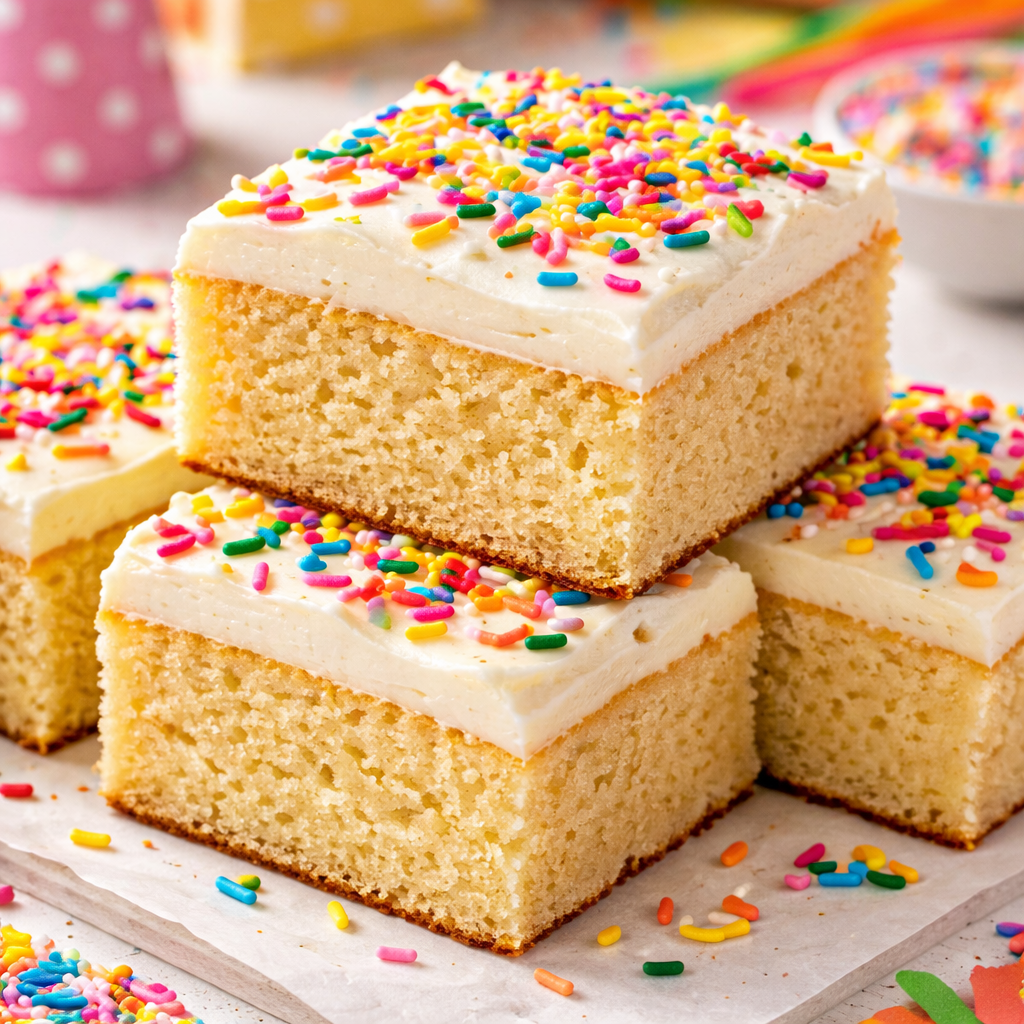
Cooking Instructions
1. The Mise en Place
Preheat your oven to 350°F (175°C). Grease and flour two 8-inch round cake pans. For an eggless cake recipe, using parchment paper rounds at the bottom is mandatory, as eggless sponges are more delicate and prone to sticking.
2. The Dry Foundation
In a large bowl, sift together 3 cups of all-purpose flour, 1 ½ cups of granulated sugar, 1 ½ tsp of baking soda, ½ tsp of baking powder, and ½ tsp of sea salt. Whisk thoroughly to ensure the baking soda is evenly distributed.
3. The Emulsion Mix
In a separate jug, whisk together 1 cup of plain whole-milk yogurt, 1 cup of whole milk, ¾ cup of vegetable oil, 1 tbsp of vanilla extract, and 1 tsp of white vinegar. Whisk until the mixture is completely homogenous and no oil streaks remain.
4. The Gentle Combine
Make a well in the center of the dry ingredients. Pour in the wet mixture. Using a large balloon whisk, stir from the center outward until just combined. Stop immediately when you see no more streaks of dry flour. Over-mixing will over-develop the gluten, turning your cake into bread.
5. The Bake
Divide the batter evenly between the prepared pans. Bake for 30–35 minutes. Resist the urge to open the oven door during the first 25 minutes; the structural “set” of an eggless cake is fragile in the early stages.
6. The Cooling Cycle
The cake will look golden and slightly pulled away from the edges. Let the cakes cool in the pans for 15 minutes. This is the “setting” phase. If you try to invert them while piping hot, the lack of egg protein will cause them to crumble.
Flavor & Texture Indicators
A professional eggless cake recipe should yield a result that is indistinguishable from a standard cake. Look for these indicators:
- The “Crumb” Resilience: When you press the top of the cooled cake, it should spring back. If it leaves a permanent indentation, the interior is likely too moist or underbaked.
- The Uniform Rise: The cake should have a flat or slightly domed top. A “cracked” top usually indicates the oven was too hot, causing the leavening to react too violently before the structure could set.
- The Velvet Mouthfeel: Upon tasting, the cake should feel “silky” on the tongue. This is the result of the oil and yogurt emulsion working together to lubricate the flour particles.
Adjustments for Different Skill Levels
For the Beginner
Use condensed milk as a partial replacement for the sugar and yogurt. Condensed milk is a “cheat code” for eggless baking; it provides incredible structure and a caramel-like richness that is very forgiving for those new to the science of eggless sponges.
For the Intermediate Baker
Master the “Milk Powder Boost.” Adding 2 tablespoons of high-quality milk powder to your dry ingredients increases the protein content without adding moisture. This mimics the “set” of an egg and results in a cake that is much easier to slice and stack for layer cakes.
For the Advanced Artisan
Experiment with “Aquafaba” (the liquid from a can of chickpeas). Instead of using yogurt, whip aquafaba to stiff peaks and fold it into the batter. This introduces a mechanical aeration that produces a sponge so light it can be used for delicate Swiss rolls or Genoise-style cakes.
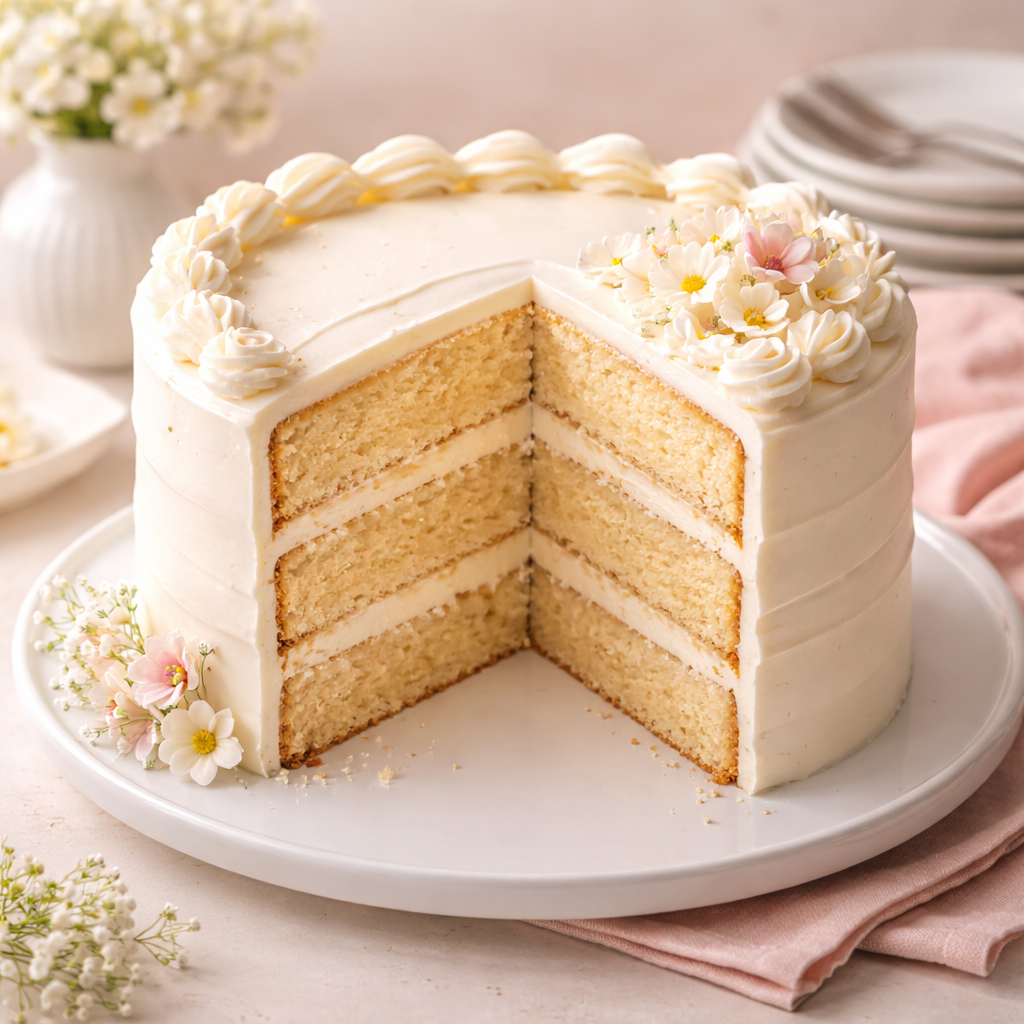
Storage & Shelf Life
Eggless cakes are actually superior to traditional cakes in terms of longevity, thanks to the use of oil and yogurt.
- Room Temperature: Keep in an airtight container for up to 4 days. The moisture levels will remain stable.
- Refrigeration: While the cake will stay safe for a week, the fridge can dry out the crumb. If you must refrigerate a frosted eggless cake, ensure it is fully “sealed” in buttercream or plastic wrap.
- Freezing: This eggless cake recipe freezes beautifully. Wrap the individual layers in double-thickness plastic wrap and then foil. They will stay fresh for up to 3 months. Thaw at room temperature for 2 hours before frosting.
Reader Questions
Q: Why did my eggless cake turn out “gummy” or “rubbery”? A: This is almost always caused by over-mixing. Without eggs to provide a soft protein structure, the gluten in the flour can become very tough very quickly. Stir until the flour just disappears and not a second longer.
Q: Can I use this recipe to make eggless cupcakes? A: Absolutely. This batter works perfectly for cupcakes. Reduce the baking time to 18–22 minutes. Because cupcakes have more surface area, they can dry out faster, so check them early.
Q: My cake rose beautifully in the oven but collapsed as soon as I took it out. What happened? A: This usually means there was too much leavening (baking soda/powder) and not enough structure. Ensure your measurements are level. It could also mean the cake was slightly underbaked in the center; the “steam” inside collapsed because the flour walls weren’t strong enough to hold their shape yet.
Q: Can I make this recipe vegan? A: Yes. Simply swap the whole milk for soy or almond milk and the yogurt for a high-fat coconut or soy yogurt. Because plant-based milks have less protein, add an extra ½ teaspoon of apple cider vinegar to help boost the leavening reaction.