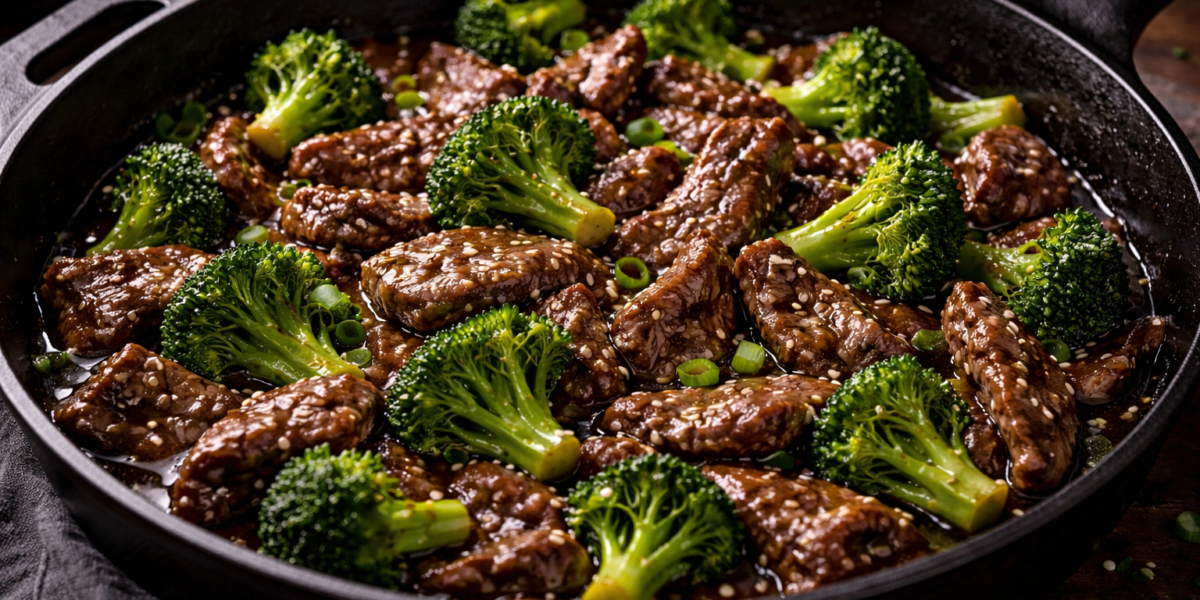
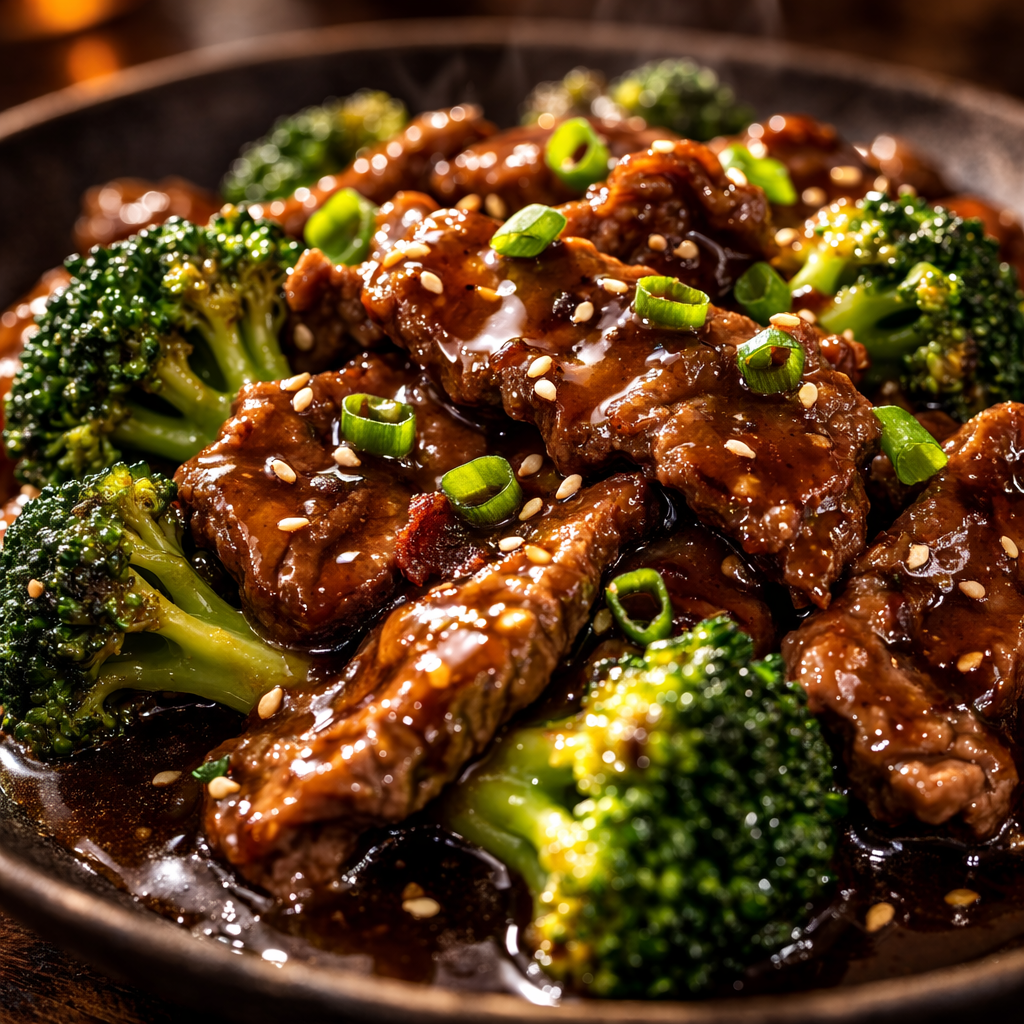
Homemade Beef Broccoli Recipe The primary frustration with home-cooked stir-fry isn’t the flavor—it’s the physics. We’ve all attempted a Beef and Broccoli recipe only to end up with grey, steamed meat and mushy, overcooked florets. Most traditional recipes demand hours of marinating or complex velvetting techniques that simply don’t fit into a Tuesday night schedule.
This guide focuses on the “Flash-Sear” method. By understanding the relationship between surface area and heat, you can produce a dish that rivals any high-end bistro in less time than it takes for a delivery driver to find your house.
Why This Recipe Saves Time
Traditional Chinese velvetting involves coating meat in egg whites and cornstarch, then par-cooking it in a vat of warm oil (oil-passing). While delicious, it is a logistical nightmare for a home cook.
This recipe saves time by utilizing “Dry-Brine Velvetting.” By tossing thinly sliced beef with a specific ratio of cornstarch and baking soda while you prep the vegetables, you achieve that signature silky texture and deep browning simultaneously. This eliminates the need for separate cooking stages and minimizes cleanup. Furthermore, we utilize a “one-bowl” sauce strategy where the thickening agent is integrated into the liquid, removing the need for a final cornstarch slurry.
Ingredients
To achieve the perfect balance of umami, crunch, and tenderness, quality and cut selection are paramount.
The Protein
- 1 lb Flank Steak or Sirloin Tip: These cuts have long muscle fibers that, when sliced correctly, provide the perfect tender bite.
- ½ tsp Baking Soda: The “secret” ingredient. It raises the pH on the surface of the beef, preventing the proteins from bonding tightly (keeping it tender).
- 1 tbsp Cornstarch: Creates a protective barrier and aids in browning.
The Produce
- 2 Large Heads of Broccoli: Cut into bite-sized florets. Keep the stems! Peel and slice them into coins for extra crunch.
- 3 Cloves Garlic: Minced.
- 1 inch Fresh Ginger: Grated.
- 2 Green Onions: Sliced on the bias.
The “Power Sauce”
- ½ cup Low-Sodium Soy Sauce: The salt base.
- ¼ cup Beef Broth: For volume and richness.
- 2 tbsp Brown Sugar: To balance the salt and aid in caramelization.
- 1 tbsp Oyster Sauce: Provides that classic “glossy” finish and deep umami.
- 1 tsp Toasted Sesame Oil: Add this last for aroma.
Prep Timeline (0–7 Minutes)
Efficiency in stir-frying is entirely dependent on your mise en place. Once the heat starts, you will not have time to chop.
- Minute 1-3 (The Slice): Slice the beef against the grain into ⅛-inch thick strips. Slicing against the grain shortens the muscle fibers, ensuring the meat is easy to chew.
- Minute 4 (The Quick Tenderize): Toss the beef in a bowl with the baking soda, cornstarch, and 1 tablespoon of soy sauce. Let this sit at room temperature while you finish the rest.
- Minute 5-6 (The Veg): Break the broccoli into uniform florets. Small, consistent pieces ensure they cook through at the same rate as the beef.
- Minute 7 (The Sauce): Whisk all sauce ingredients in a small jar or bowl. Ensure the sugar is dissolved.
Cooking Timeline (8–15 Minutes)
Phase 1: The Broccoli Steam-Sear (3 Minutes)
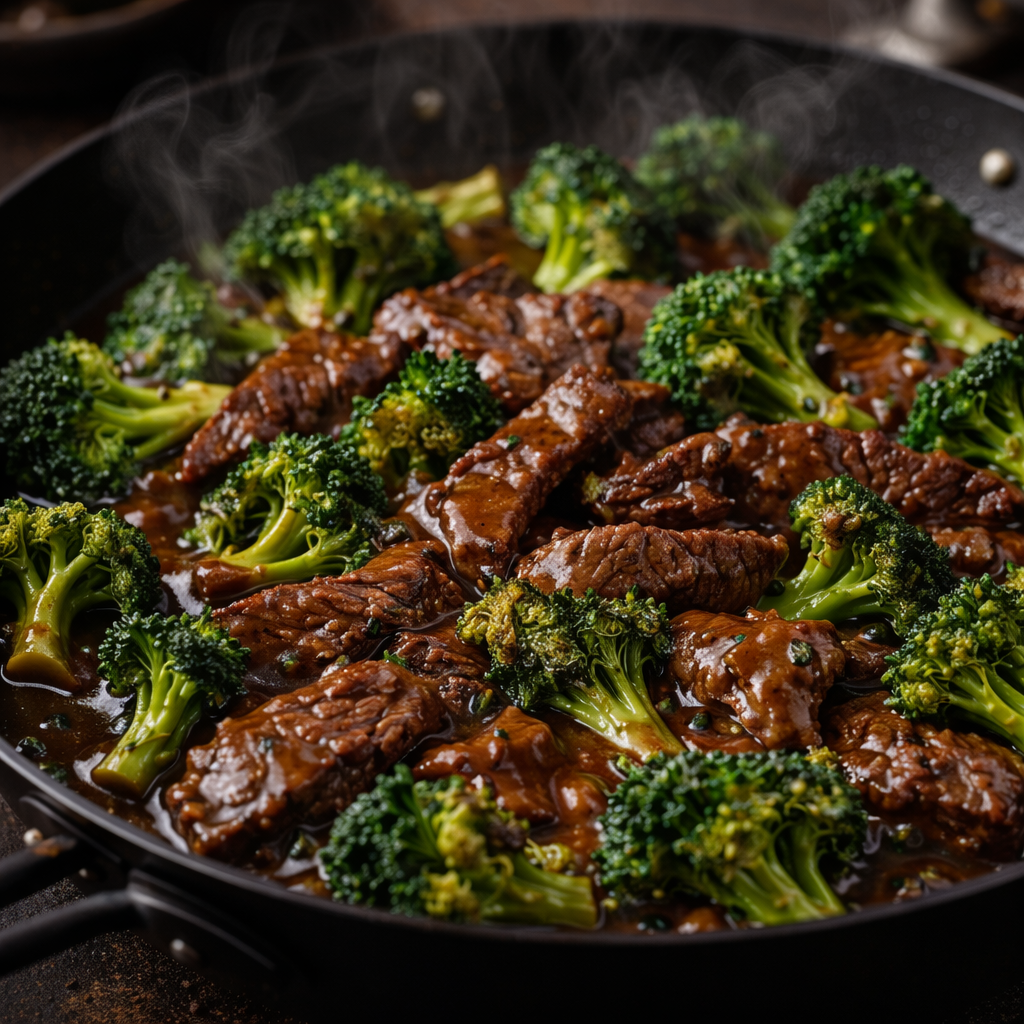
Heat 1 tablespoon of high-smoke-point oil (canola, grapeseed, or avocado) in a large skillet or wok over medium-high heat. Add the broccoli and 2 tablespoons of water. Cover immediately with a lid for 90 seconds. The steam cooks the interior, while the high heat sears the exterior. Remove the broccoli and set aside. It should be vibrant green and crisp-tender.
Phase 2: The High-Heat Beef Sear (4 Minutes)
Wipe the pan dry. Add another tablespoon of oil and crank the heat to high. Once the oil is shimmering (nearly smoking), spread the beef in a single layer. Do not stir for 90 seconds. This develops the “wok hei” or breath of the wok—a smoky, caramelized flavor. Flip the meat and cook for another 60 seconds.
Phase 3: The Integration (1 Minute)
Lower the heat to medium. Push the beef to the sides and add the garlic and ginger to the center. Sauté for 30 seconds until fragrant. Pour in the sauce and add the broccoli back to the pan.
Phase 4: The Glaze (1 Minute)
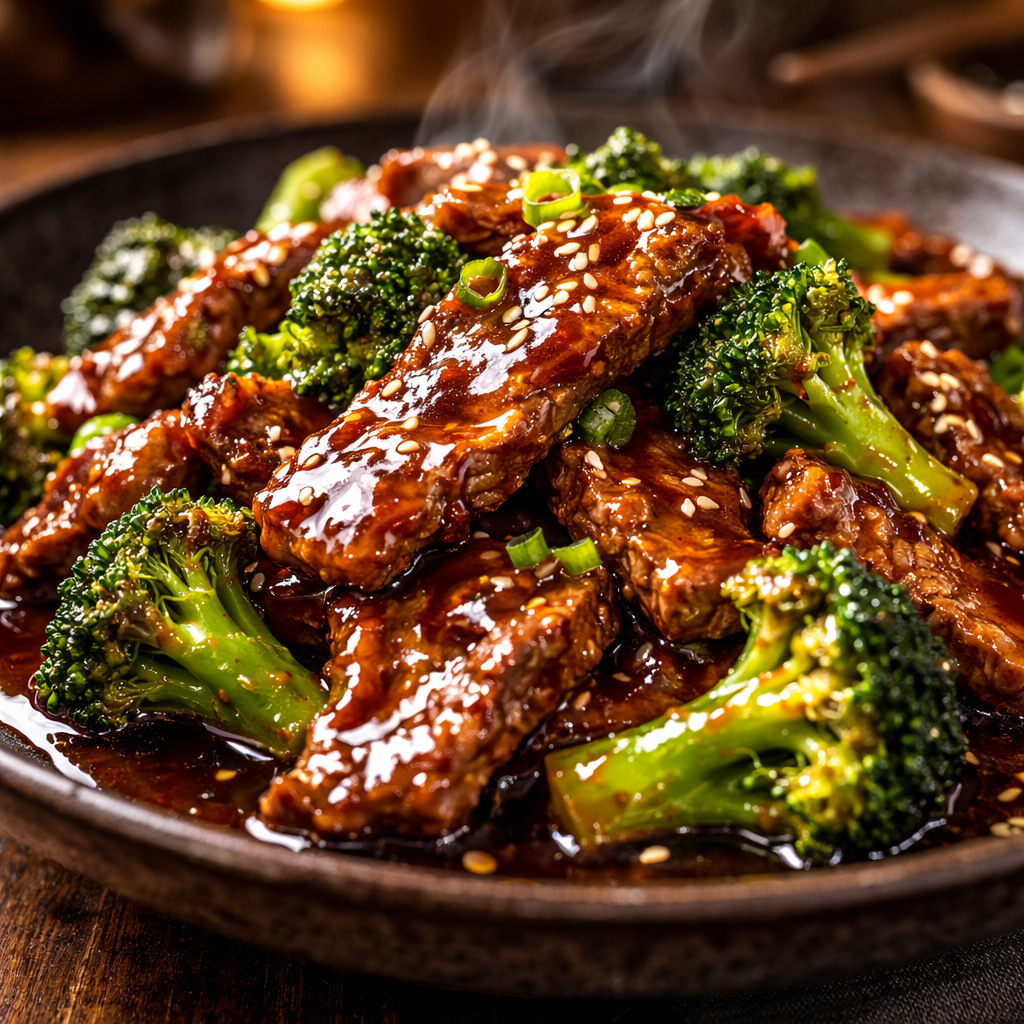
Toss everything together. The cornstarch on the beef and in the sauce will activate instantly, turning the liquid into a thick, glossy glaze that coats every crevice of the broccoli. Remove from heat immediately to prevent overcooking.
Efficiency Tips
- The Freezer Trick: If the beef is too soft to slice thinly, put it in the freezer for 20 minutes. The slight firming makes it significantly easier to achieve paper-thin slices.
- Batch Cooking: If you are doubling this recipe, cook the beef in two batches. Overcrowding the pan drops the temperature, causing the meat to release juices and “stew” in its own liquid rather than searing.
- Use a Wide Skillet: If you don’t own a carbon steel wok, a large cast-iron or stainless steel skillet is actually superior to a non-stick pan. It retains heat better, which is vital for that restaurant-style char.
Shortcuts Without Compromising Flavor
- Frozen Broccoli: You can use frozen florets in a pinch. Do not thaw them; toss them directly into the hot pan. They will release more water, so skip the added 2 tablespoons of water mentioned in the cooking timeline.
- Pre-Minced Aromatics: While fresh is best, high-quality ginger and garlic paste (found in the refrigerated produce section) can save 3 minutes of prep time without a significant loss in flavor.
- Store-Bought Stir-Fry Sauce: If you find a brand with low sugar and no MSG, you can use it as a base. However, always add a splash of fresh lime or a teaspoon of toasted sesame oil to “wake up” the bottled flavors.
Storage and Reheating
Beef and broccoli is a premier meal-prep candidate because the flavors deepen overnight.
- Fridge: Store in an airtight container for up to 3 days.
- Freezer: You can freeze this dish, though the broccoli will lose its “crunch” upon thawing. It is best used within 2 months.
- The Proper Reheat: Avoid the microwave if possible, as it rubberizes the beef. Reheat in a skillet over medium heat with a splash of water or beef broth to loosen the sauce and create steam to soften the rice.
FAQ
Q: My sauce is too thick. How do I fix it? A: This happens if the pan is too hot or the sauce simmers too long. Simply whisk in a tablespoon of water or beef broth at a time until the desired consistency is reached.
Q: Can I use Chicken instead of Beef? A: Absolutely. Use boneless, skinless thighs for the best flavor. Skip the baking soda, but keep the cornstarch for the texture.
Q: Why is my beef still tough? A: There are two culprits: you either sliced with the grain instead of against it, or the pan wasn’t hot enough to sear the meat quickly. High heat is the key to tenderness in stir-fry.
Q: Is this recipe gluten-free? A: As written, no (due to the soy sauce and oyster sauce). To make it gluten-free, substitute the soy sauce with Tamari and ensure your oyster sauce is a certified GF brand.
By mastering the “Steam-Sear” for the vegetables and the “Dry-Brine” for the beef, you eliminate the guesswork and the slog of traditional prep. This is a foundational technique that you can apply to almost any protein-and-veg combination in your repertoire.