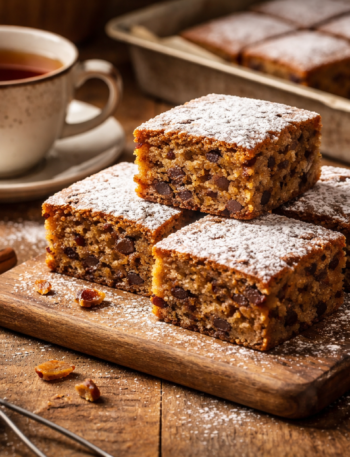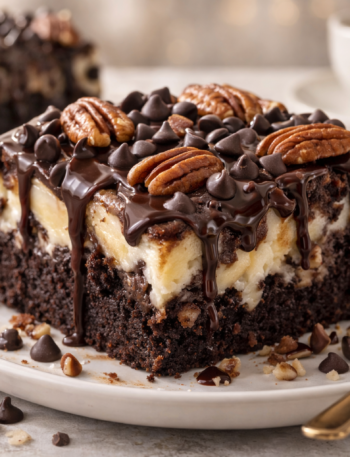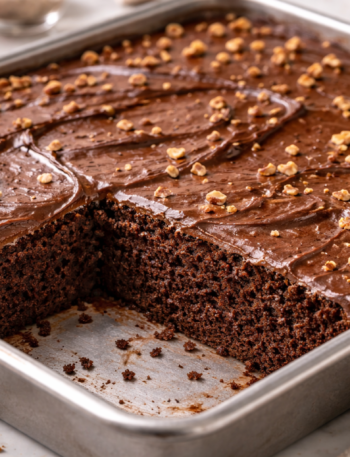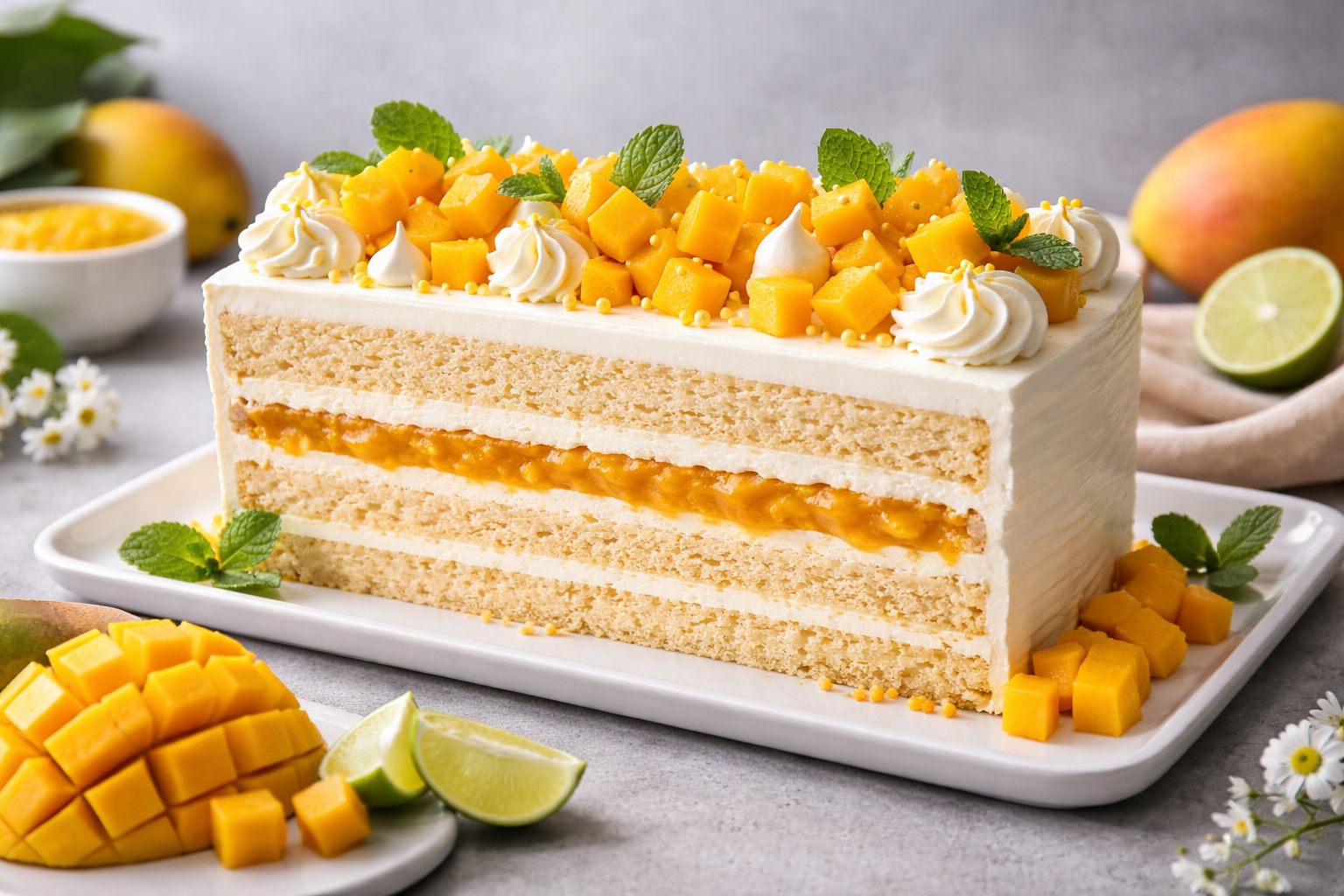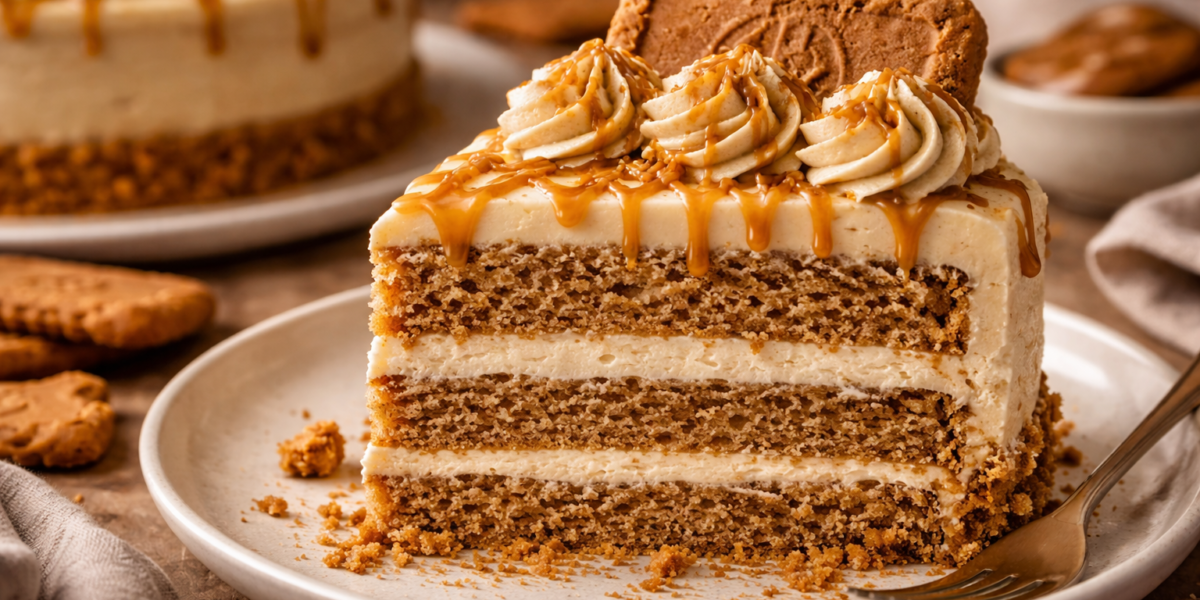
There is a certain kind of dessert that doesn’t just satisfy a sweet tooth—it stops the conversation entirely. The Biscoff Cake Recipe is exactly that. If you have ever experienced the deep, caramelized crunch of a Lotus Biscoff biscuit (the famous Belgian Speculoos cookie), you know the flavor profile: warm cinnamon, toasted sugar, and a hint of ginger. Now, imagine taking that distinct “airline cookie” magic and transforming it into a towering, multi-layered masterpiece of soft sponge and velvet-smooth buttercream.
I remember the first time I experimented with this Biscoff Cake Recipe in my own kitchen. I was tired of standard vanilla and chocolate cakes and wanted something with a bit more soul. The moment the aroma of the Biscoff spread—a creamy, peanut-butter-like consistency made entirely of crushed cookies—hit the warm oven air, I knew I was onto something special. This isn’t just a cake; it’s an experience in deep, cozy flavors that feel like a warm hug in dessert form.
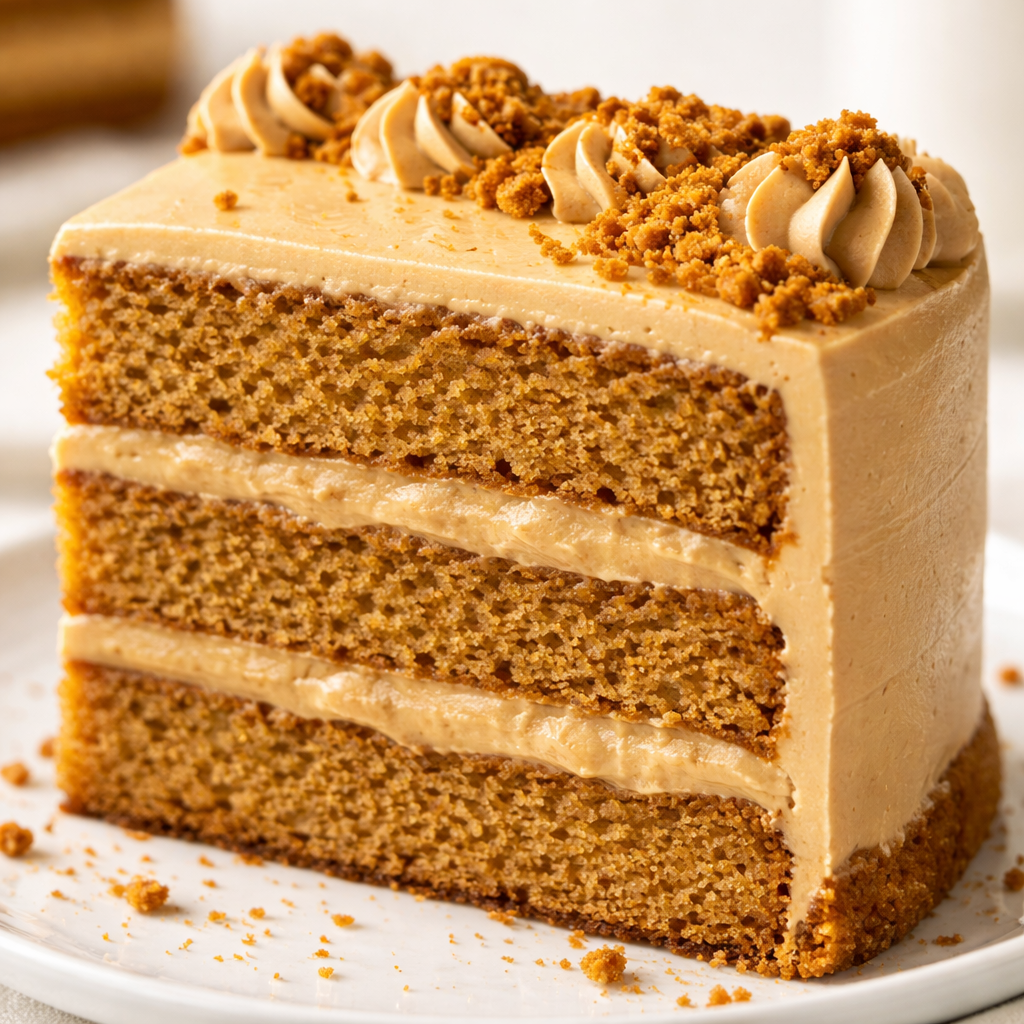
In this guide, we are going to walk through every step of creating a professional-grade Biscoff Cake Recipe. Whether you are celebrating a milestone birthday or simply want to elevate your weekend baking game, this recipe will provide the foolproof foundation you need for a show-stopping result.
Why This Dish Is Worth Making
You might be wondering why you should choose a Biscoff Cake Recipe over a classic caramel or spice cake. Here is what sets it apart:
- The Unique Flavor Profile: Unlike traditional caramel, which can sometimes be one-note, Biscoff offers a “speculoos” spice blend. It’s sophisticated, slightly salty, and deeply aromatic.
- Moisture Levels: The Biscoff cookie butter spread is rich in fats and oils, which, when incorporated into the batter, creates a crumb that is incredibly tender and remains moist for days.
- The “Wow” Factor: Even though it looks like it came from a high-end boutique bakery, the flavors are universally loved. It’s a safe bet for a crowd but feels much more creative than a standard sponge.
- Textural Contrast: This cake allows for a wonderful play between the soft cake, the silky frosting, and the crunchy cookie crumbles used for decoration.
What to Gather Before You Begin
To ensure your Biscoff Cake Recipe turns out perfectly, you need a mix of high-quality pantry staples and the star of the show: Lotus Biscoff products.
The Cake Layers
- All-Purpose Flour: 2.5 cups (sifted for a lighter crumb).
- Biscoff Spread: 1 cup (Smooth variety is best for the batter).
- Unsalted Butter: 1 cup (Softened to room temperature).
- Sugars: 1 cup of light brown sugar (for moisture) and ½ cup of granulated white sugar.
- Eggs: 4 large eggs at room temperature.
- Buttermilk: 1 cup. The acidity is crucial for a tender texture.
- Leavening: 2 teaspoons baking powder and ½ teaspoon baking soda.
- Spices: 1 teaspoon ground cinnamon and ½ teaspoon salt.
The Biscoff Buttercream
- Unsalted Butter: 1.5 cups (Softened).
- Biscoff Spread: ¾ cup.
- Powdered Sugar: 4–5 cups (Depending on your desired consistency).
- Heavy Cream: 2–3 tablespoons to thin it out.
- Vanilla Extract: 1 teaspoon.
Getting Ready to Cook
Before you start cracking eggs, a little bit of preparation will save you from the “baker’s panic” halfway through.
- Temperature Check: This is the most important step in any Biscoff Cake Recipe. Your butter, eggs, and buttermilk must be at room temperature. Cold ingredients will not emulsify, leading to a dense, oily cake.
- Pan Prep: Grease three 8-inch round cake pans. Line the bottoms with parchment paper. This is non-negotiable—Biscoff cakes are tender, and you don’t want them sticking to the pan.
- Preheat: Set your oven to 350°F (175°C). Ensure your oven rack is in the center position for even heat distribution.
- Sift Your Dry Goods: Sift the flour, baking powder, cinnamon, and salt together into a bowl. This aerates the flour and prevents “flour pockets” in your finished cake.
Easy Cooking Instructions
Follow these steps to bring your Biscoff Cake Recipe to life with professional results.
Step 1: Creaming the Base
In a large bowl or stand mixer, beat the softened butter and both sugars on medium-high for about 3–5 minutes. You want the mixture to look pale and fluffy. Add the Biscoff spread and beat for another minute until fully combined.
Step 2: Incorporating Eggs
Add the eggs one at a time, beating well after each addition. Scrape down the sides of the bowl to ensure everything is incorporated.
Step 3: The Alternating Method
With the mixer on low, add one-third of your dry ingredients, followed by half of the buttermilk. Repeat, ending with the dry ingredients. Mix until just combined. Overmixing at this stage will make the cake tough.
Step 4: The Bake
Divide the batter evenly between your three pans. Bake for 28–32 minutes. A toothpick should come out with just a few moist crumbs. Let the cakes cool in the pans for 10 minutes before inverting them onto a wire rack to cool completely.
Step 5: Whipping the Frosting
Beat the butter and Biscoff spread until smooth. Gradually add powdered sugar, vanilla, and heavy cream. Whip on high for 3 minutes until it looks like a cloud.
Step 6: Assembly
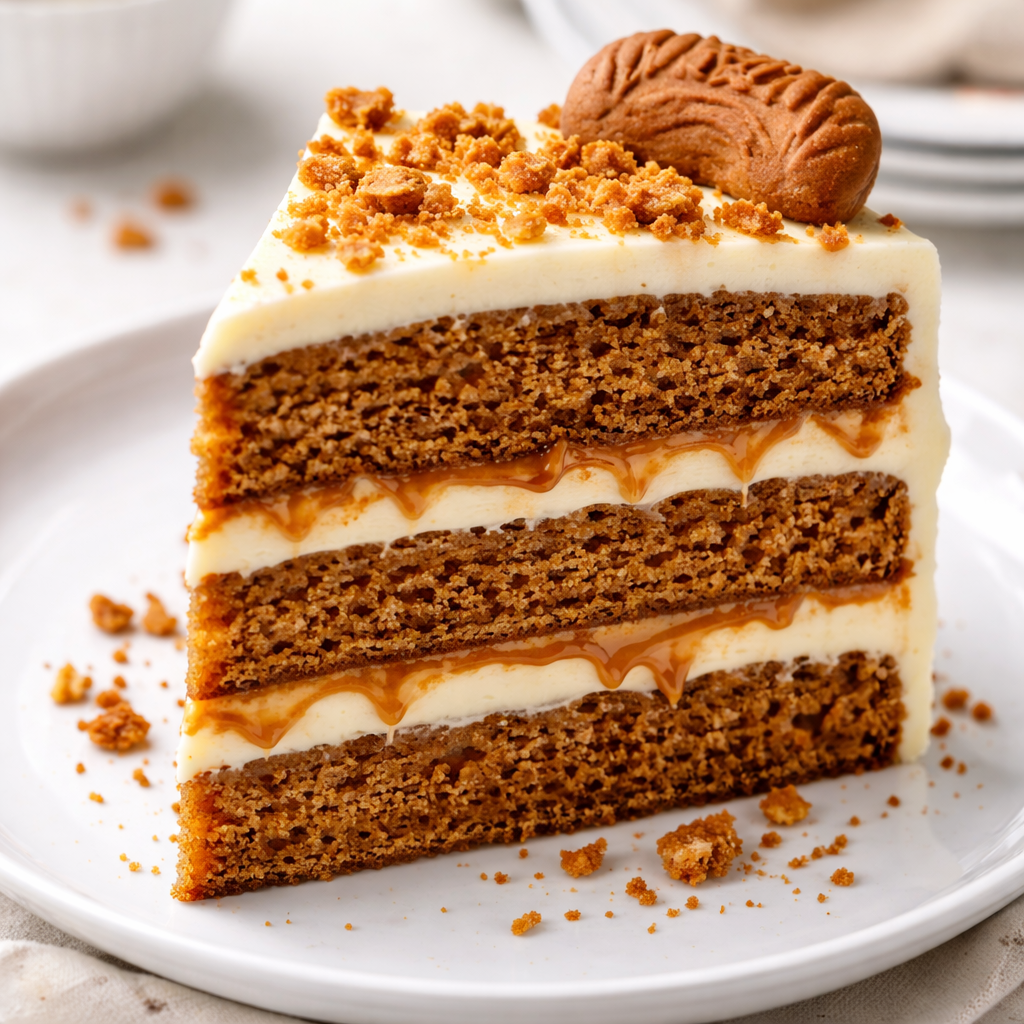
Place one layer on a plate. Spread a layer of frosting. For an extra treat, drizzle a little melted Biscoff spread over the frosting before adding the next cake layer. Frost the outside of the cake and decorate with crushed Biscoff cookies.
Perfect Time to Enjoy This Meal
While any time is cake time, this Biscoff Cake Recipe feels particularly special during:
- Autumn & Winter Celebrations: The cinnamon and ginger notes are a perfect match for the colder months.
- Afternoon Tea: It pairs beautifully with a strong cup of Earl Grey or a dark roast coffee.
- Holiday Parties: If you want to move away from the traditional pumpkin or peppermint, Biscoff is a sophisticated alternative that still feels festive.
Ways to Improve the Flavor
To take your Biscoff Cake Recipe to the “MasterChef” level, consider these experience-based tips:
- The Salt Factor: Biscoff is quite sweet. Adding a generous pinch of sea salt to the frosting can cut through the sugar and highlight the caramelized notes.
- Melted Drip: For that iconic “drip cake” look, melt a half-cup of Biscoff spread in the microwave for 20 seconds. Let it cool slightly, then pour it over the edges of your chilled, frosted cake.
- The Soak: If you’re making the cake a day in advance, lightly brush the cake layers with a simple syrup flavored with a drop of vanilla. This locks in the moisture.
Simple Twists to Try
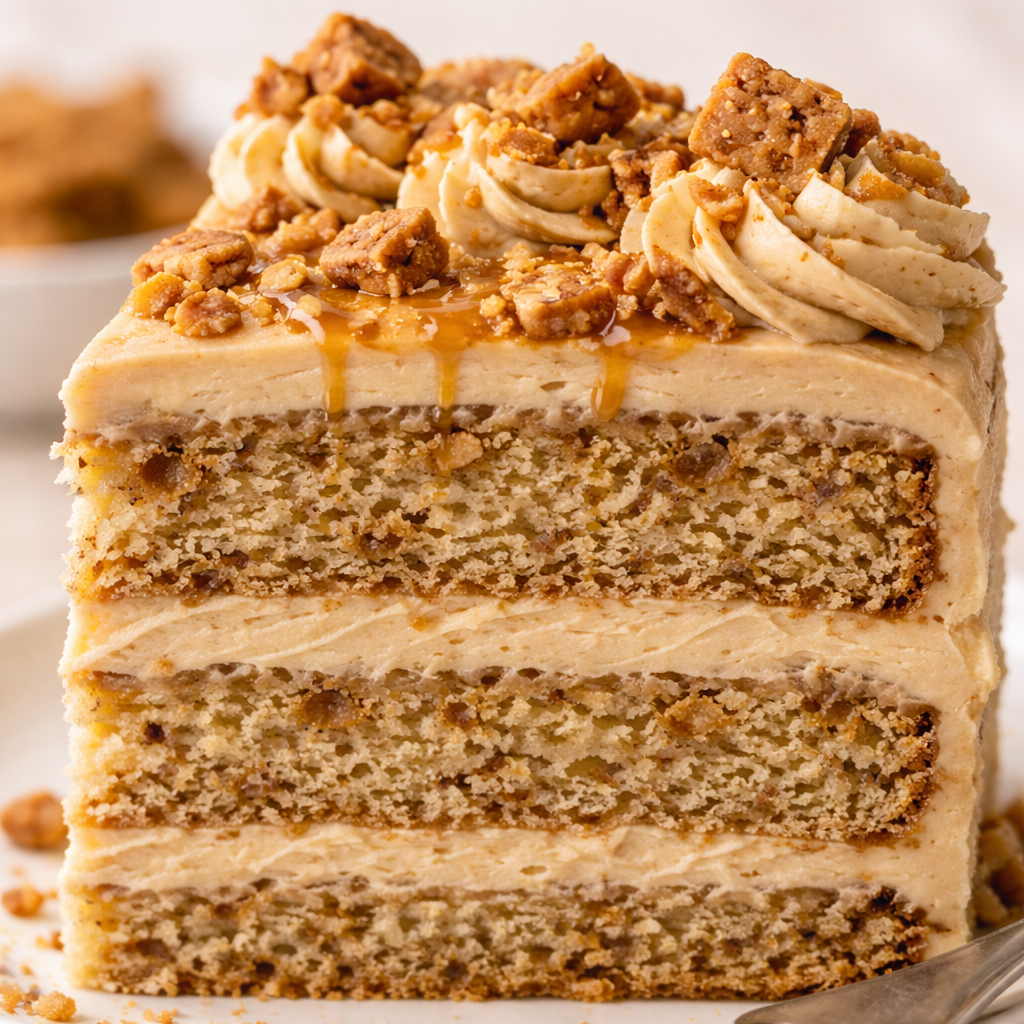
Once you have the basic Biscoff Cake Recipe down, you can experiment with these variations:
| Variation | Add-In Idea |
| The Biscoff Cheesecake | Swirl a layer of cream cheese frosting between the cake layers. |
| Chocolate Biscoff | Add ½ cup of dark chocolate chips to the batter for a “cookie-dough” vibe. |
| Banana Biscoff | Fold in one mashed overripe banana to the batter for a tropical, caramelized twist. |
| The Crunch Layer | Add a layer of whole Biscoff cookies dipped in milk between the layers of frosting. |
Storing and Reheating Made Easy
Because this Biscoff Cake Recipe is so rich in fats, it stores quite well.
- At Room Temperature: Keep the cake under a cake dome for up to 2 days.
- In the Fridge: For longer storage, keep it in the fridge for up to 5 days. Note: Buttercream hardens in the cold, so let a slice sit at room temperature for 20 minutes before eating.
- Freezing: You can freeze individual slices! Wrap them in plastic wrap and then foil. They will stay fresh for up to 3 months. Thaw in the fridge overnight.
How to Present It Beautifully
A Biscoff Cake Recipe deserves a grand entrance.
- Cookie Crown: Stand whole Biscoff cookies upright in the frosting around the top edge of the cake.
- The “Sand” Effect: Pulse 5-6 cookies in a blender until they look like fine sand. Press this into the bottom third of the cake’s frosting for a rustic, ombre effect.
- Minimalist: Sometimes, a simple, smooth coat of frosting with a single whole cookie on top is the most elegant way to serve it.
Mistakes to Watch Out For
Don’t let these common errors ruin your Biscoff Cake Recipe:
- Using the Crunchy Spread in the Batter: While delicious, the cookie chunks in the crunchy spread can disrupt the structure of the sponge. Stick to the “Smooth” spread for the cake itself.
- Frosting a Warm Cake: This is the #1 mistake. If the cake is even slightly warm, your buttercream will turn into a soup. The cake must be stone-cold.
- Over-baking: Because the batter is brown to begin with, it’s hard to tell when it’s done by sight. Use a timer and the toothpick test religiously.
Final Thoughts
Mastering a Biscoff Cake Recipe is a guaranteed way to become the favorite person at any party. It’s a flavor that feels both nostalgic and modern—a perfect blend of simple cookie goodness and elevated pastry art.
By following these steps and focusing on the quality of your emulsion and the temperature of your ingredients, you’ll create a cake that isn’t just a treat, but a memory.